Walk into a luggage repair shop, and you may hear the same complaint again and again: the zipper has failed. Not the fabric, not the handles, not the stitching. The zipper. For wholesale buyers and boutique owners, a zipper failure can mean returns, customer complaints, and lost brand trust. That makes zipper quality an important part of bag purchasing decisions.
Founded in Tokyo in 1934, YKK (Yoshida Kogyo Kabushikikaisha) has become one of the world’s leading zipper manufacturers. Its products are widely used across the bag industry. This article covers YKK zipper types, sizes, quality differences, manufacturing, authenticity checks, and costs to help bag buyers assess whether the higher price is worth paying.
YKK Zipper Types Explained: Metal, Coil, and VISLON®
YKK manufactures three primary zipper families. Each is engineered for different use cases, different fabrics, and different price points. Understanding these differences is essential for selecting the right hardware for any bag you plan to stock or manufacture.
Metal Zippers (M-Type)
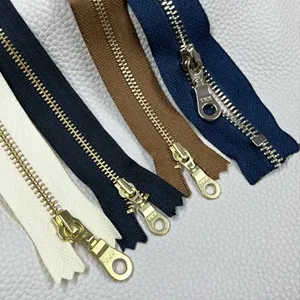
The original and most durable option. Metal zipper teeth are stamped from brass, cupronickel, or aluminum alloy and clamped onto woven tape one by one. The interlocking mechanism is mechanical and exceptionally strong. Metal zippers are the standard choice for luggage, premium handbags, denim bags, and any product where longevity is a selling point. They resist abrasion better than any other type and develop a patina over time that many customers find desirable.
Coil Zippers (N-Type / CFC)
Coil zippers are made from a continuous spiral of polyester or nylon monofilament sewn onto the tape. They are the softest, lightest, and most flexible of the three types. This makes them ideal for soft bags, handbags, cosmetic pouches, laptop sleeves, and any application where a rigid zipper would feel out of place. Coil zippers are also the base for YKK’s specialty lines, including AQUAGUARD® waterproof zippers and CONCEAL® invisible zippers.
VISLON® Zippers (D-Type)
VISLON® zippers feature individually injection-molded plastic elements (typically polyacetal/POM). The molding process allows for rich, consistent color variations that are integrated directly into the tooth material — not painted on. This makes VISLON® zippers popular for sportswear, children’s bags, casual totes, and any product where color matching is a design priority. They are lighter than metal but more rigid than coil.
Specialty Lines Buyers Should Know
| Product Line | Base Type | Key Feature | Best For |
|---|---|---|---|
| AQUAGUARD® | Coil | TPU/rubber waterproof seal | Outdoor bags, rain-ready commuters |
| CONCEAL® | Coil | Teeth hidden behind tape | Dresses, formal clutches, minimalist designs |
| EXCELLA® | Metal | Mirror-polished individual teeth | Luxury handbags, premium leather goods |
| NATULON® | Coil/VISLON® | Made from recycled materials | Eco-conscious brands, sustainability marketing |
| WOVEN-IN TOUGH | Coil | Woven tape integration, 15% thinner | Luggage, travel bags, heavy-use commercial bags |
YKK Zipper Sizes Decoded: #3, #5, #8, #10 and What They Mean
YKK uses a numbered gauge system where each size number corresponds roughly to the width of the closed zipper teeth in units of approximately 0.635mm. Higher numbers mean wider teeth, stronger interlocking, and greater load capacity. This system is consistent across all three zipper families, but the practical implications vary significantly depending on what kind of bag you are sourcing.
Size Selection Matrix for Bag Buyers
| Size | Closed Width | Typical Use | Recommended Slider | Load Capacity |
|---|---|---|---|---|
| #3 | ~2.0mm | Small pouches, cosmetic bags, inner pockets | Auto-lock or semi-auto | Light (<2 kg) |
| #5 | ~3.2mm | Handbags, backpacks, tote bags, sleeping bags | Auto-lock | Medium (2–7 kg) |
| #8 | ~5.0mm | Large travel bags, duffels, hiking backpacks | Auto-lock or pull-tab | Heavy (7–14 kg) |
| #10 | ~6.4mm | Industrial bags, military gear, heavy luggage | Pull-tab or ring pull | Very Heavy (14+ kg) |
One critical detail that trips up many buyers: zipper size, slider size, and zipper material must all match. A #8 coil zipper requires a #8 coil slider — not a #8 metal slider, and definitely not a #5 slider of any type.
Different sizes have different internal geometries and gap widths. Mixing components is the fastest way to cause jamming, tooth separation, or premature failure — even with genuine YKK parts. Always confirm the complete specification: size number + slider type + zipper material family.
The Real Performance Data: YKK vs Generic Zippers
Claims about quality are easy to make. What matters for sourcing decisions is measurable, repeatable performance data. The following comparison draws on published testing from bag manufacturers, outdoor gear labs, and industry repair facilities.
| Performance Dimension | YKK | Generic / Unbranded |
|---|---|---|
| Open/Close Cycle Life | 10,000+ cycles smooth operation | 2,000–3,000 cycles before sticking |
| Cold Temperature Resistance | -40°C without embrittlement (MIL-STD-810H) | -5°C embrittlement, 30% higher failure rate |
| Salt Spray Corrosion Test | 48 hours no corrosion | 12–24 hours before visible rust |
| Tooth Deformation Threshold | 7,000+ cycles no deformation | 5,000 cycles visible deformation |
| Waterproof Performance | AQUAGUARD® TPU sealed barrier | No waterproof layer standard |
| Slider Precision | In-house zinc alloy, ±0.05mm tolerance | Outsourced, ±0.2mm tolerance typical |
| Tape Thread Durability | Reinforced stitching, rated for conveyor abrasion | Standard thread degrades under abrasion |
What 10,000 Cycles Actually Means for Your Customers
Consider the math: a commuter who opens and closes their main compartment five times per day will reach 10,000 cycles in approximately five and a half years. A generic zipper at 3,000 cycles fails in under two years.
For a boutique owner, that is the difference between a customer who leaves a five-star review after years of use and a customer who returns the product within months complaining about a broken zipper. The return processing cost alone — shipping, inspection, restocking, or disposal — typically exceeds the entire per-unit hardware savings of choosing a generic zipper.
Outdoor and travel brands have understood this calculus for decades. TOM BIHN uses #10 YKK Coil AQUAGUARD® zippers and offers a lifetime guarantee. Patagonia, The North Face, and Osprey all specify YKK in their bill of materials. These are companies whose reputations depend on hardware that does not fail in the field. For wholesale buyers, specifying YKK zippers in your product requirements is one of the most cost-effective quality decisions you can make.
YKK’s Vertical Integration: Why They Smelt Their Own Brass
Unlike many zipper manufacturers that rely on external suppliers for raw materials and production equipment, YKK maintains a highly integrated manufacturing system. It produces its own brass components and machinery, giving it greater control over production.
This level of vertical integration exists for one reason: quality control at every stage of production. When a company controls the alloy composition of its brass, it can guarantee consistent hardness, corrosion resistance, and color across every batch.
When it builds its own stamping dies, it can maintain tolerances that outsourced manufacturers cannot achieve. When it controls the entire chain from raw metal to finished zipper, every failure point can be traced, analyzed, and corrected.
For wholesale buyers, YKK’s integrated manufacturing system offers two main advantages:
- Consistent quality: In-house production and quality control help maintain consistent zipper specifications across orders.
- Higher production costs: YKK zippers can cost more than generic alternatives due to greater investment in manufacturing equipment and quality control. The price premium reflects these production costs.
How to Verify Authentic YKK Zippers: A Buyer’s Checklist
Counterfeit YKK zippers are a widespread problem, particularly in wholesale supply chains. Fake zippers may look convincing at first glance but fail quickly under real use. Whether you are inspecting samples from a new supplier or verifying an incoming production run, the following checklist can help you distinguish genuine YKK from imitations.
6 Checks for Evaluating YKK Zipper Quality and Authenticity
- Inspect the teeth. Genuine YKK teeth are uniform, finely finished, and feel supple yet resilient to the touch. Counterfeit teeth often appear rough, uneven, or brittle when flexed.
- Check the slider markings. Authentic YKK sliders have clean, precise engravings that do not chip or fade. Fake sliders often show blurry text, shallow engraving, or paint that wears off quickly.
- Test the self-lock mechanism. On genuine YKK main zippers, both the pull tab and the slider cover are independently hinged and move freely. Many counterfeits use a simplified single-piece design.
- Examine the tape. Genuine YKK tape is tightly woven with even, consistent stitching that holds the teeth securely. Counterfeit tape often shows loose threads, uneven weave, or weak attachment points.
- Run the slider. A genuine YKK zipper glides smoothly in both directions without catching, sticking, or producing grinding noises. Any hesitation, roughness, or metallic clicking suggests a non-genuine product.
- Request documentation. Ask your supplier for YKK authorization certificates, purchase invoices from YKK distributors, or batch traceability records. Legitimate suppliers will have these readily available.
Cost Analysis: YKK vs Generic Zippers in Wholesale Bag Production
The economics of zipper selection ultimately come down to a cost-per-use calculation — not just the unit price of the component, but the total cost of ownership including returns, replacements, reputation damage, and lost repeat customers.
Wholesale Price Comparison (2026–2027 Market Data)
| Component | YKK #5 Nylon Coil | Generic #5 Nylon Coil | Price Ratio |
|---|---|---|---|
| Per zipper (finished, cut to length) | $0.32–$0.50 | $0.04–$0.10 | 3–5x |
| Per slider (auto-lock) | $0.08–$0.15 | $0.02–$0.05 | 3–4x |
| Per zipper pull | $0.05–$0.10 | $0.01–$0.03 | 3–5x |
The Real Cost-per-Use Calculation
A typical handbag uses two zippers. Upgrading both to YKK adds approximately $0.50–$0.80 to the per-unit production cost. For a bag with a wholesale price of $25–$40, that is a 1.5–3% cost increase.
Now consider what a zipper failure costs: the return shipping ($5–$12), the inspection and restocking labor ($3–$5), the replacement unit ($15–$25 at cost), and the probability that the customer never buys from that brand again. Industry data suggests that hardware-related returns run 15–20% higher for bags with generic zippers compared to YKK-equipped equivalents.
There are, of course, situations where generic zippers make sense: promotional items with a short expected lifespan, fast-fashion accessories priced below $10, or sample runs where the goal is to test design rather than durability. But for any product positioned as quality or mid-market, the $0.60 saved on zippers is rarely worth the downstream costs it creates.
How Pactus Uses YKK Zippers and Copper Hardware in the Remake Collection
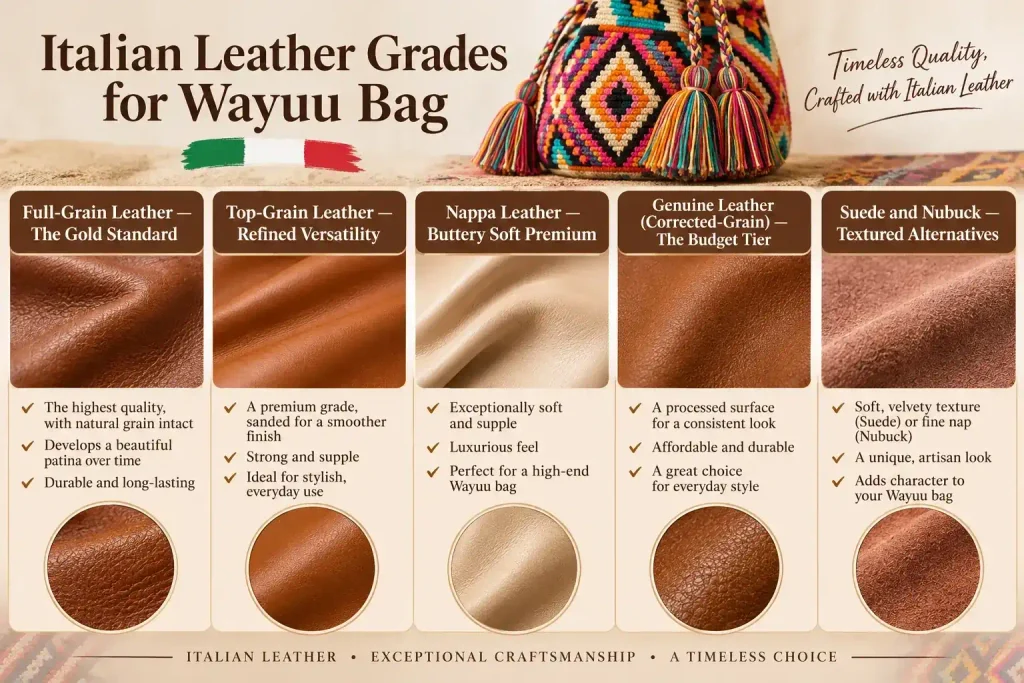
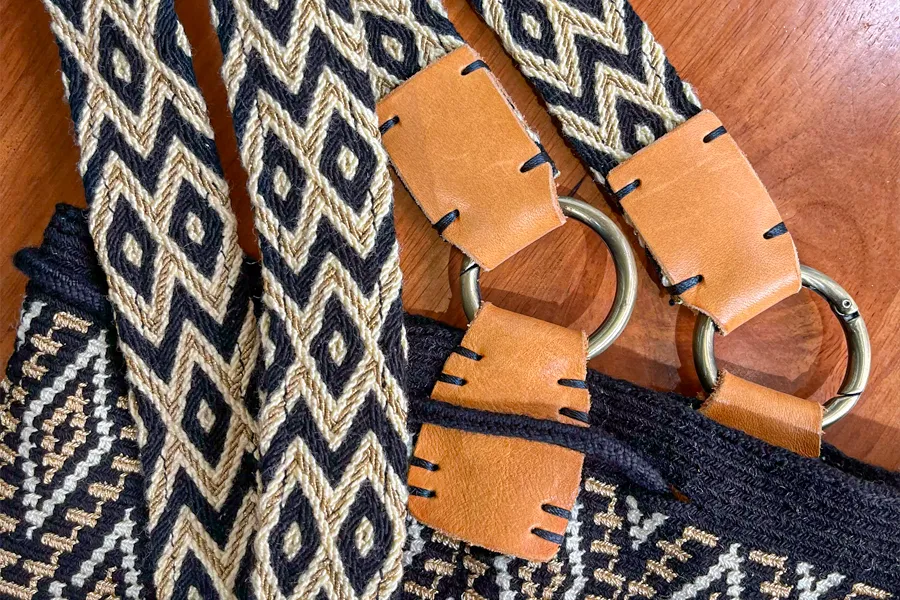
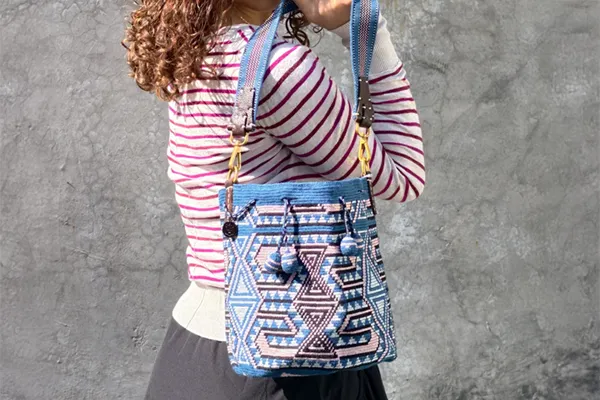
At Pactus, hardware selection is treated with the same rigor as material selection. The Pactus Remake Collection — which combines Italian leather, handwoven Wayuu fabric, and premium construction — specifies YKK zippers throughout the line alongside solid copper hardware.
This combination addresses the two most common hardware failure modes in wholesale bags. YKK zippers ensure smooth, long-lasting closure performance backed by nearly a century of manufacturing precision.
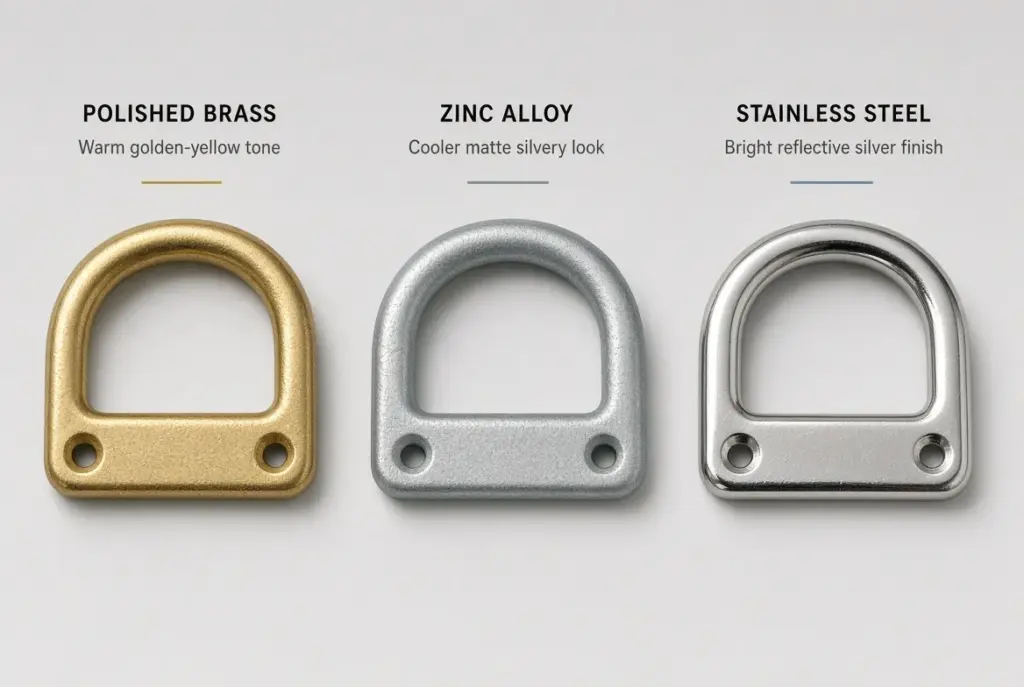
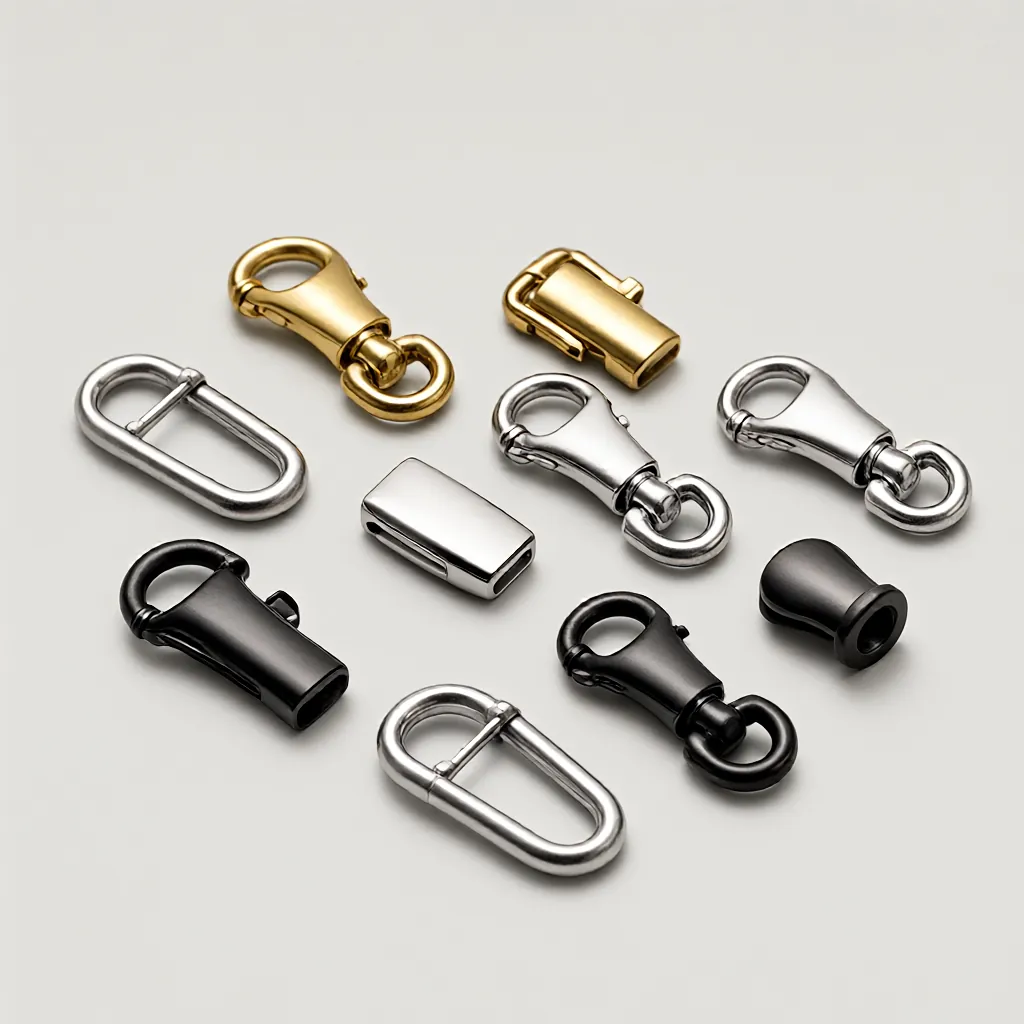
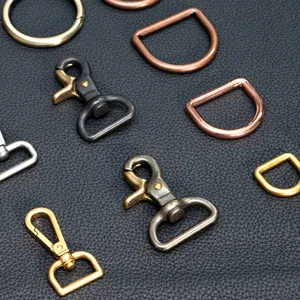
Solid copper hardware — used for buckles, D-rings, and decorative elements — eliminates the oxidation and plating wear that plague standard zinc alloy fittings. Where zinc alloy develops a chalky grey patina within months, copper ages gracefully and can be polished back to a warm finish.
For wholesale buyers evaluating the Remake Collection, the hardware specification signals something important about the product’s target market. These are bags designed for customers who notice details — who check the zipper pull before they check the price tag, and who judge a brand by whether its hardware still looks good after a year of daily use.
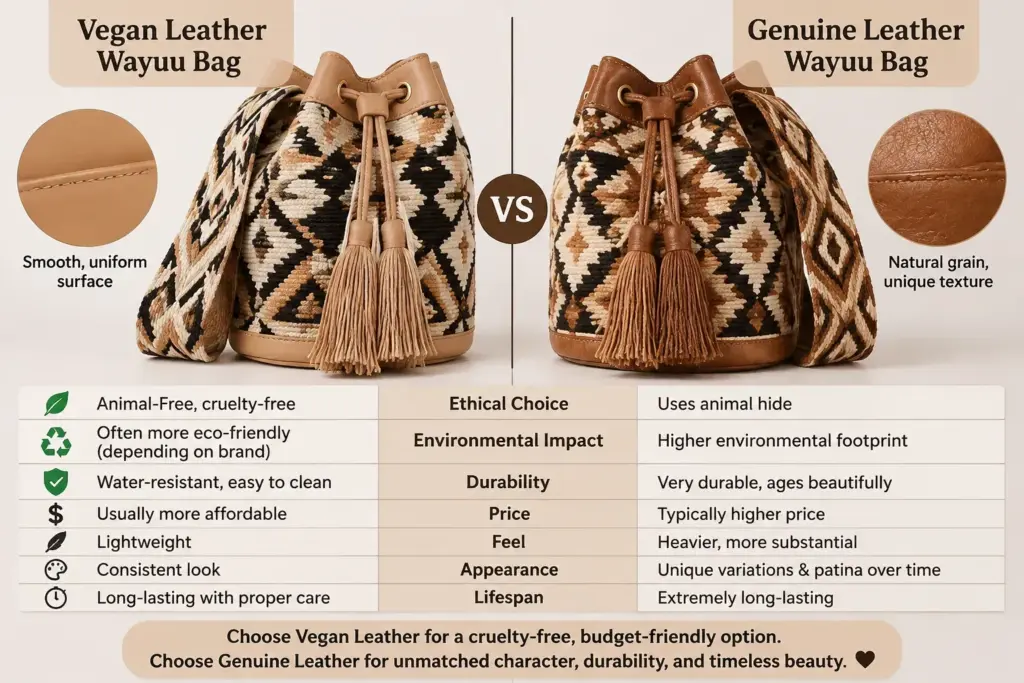
Whether you stock premium Italian leather bags or are evaluating vegan leather vs genuine leather options, hardware quality is the detail that separates a one-time purchase from a loyal customer.
FAQ: YKK Zippers for Bag Buyers
How do I know if a bag uses genuine YKK zippers?
Check the slider for clean “YKK” engraving, inspect tooth uniformity, test the self-lock mechanism (both pull tab and cover should hinge independently on main zippers), and run the slider for smooth operation. Request supplier documentation — authorization certificates or purchase invoices from YKK distributors. When in doubt, compare against a confirmed genuine YKK zipper of the same size and type.
What YKK zipper size is best for handbags?
#5 is the standard size for most handbags and tote bags. It provides an excellent balance of strength, smoothness, and visual proportion. For smaller clutches or cosmetic bags, #3 is appropriate. For oversized shoppers or travel totes that carry heavy loads, consider #8 for the main compartment with #5 for interior pockets.
Are YKK zippers worth the extra cost for wholesale bags?
For any product positioned at mid-market price points or above, yes. The per-unit cost increase of $0.50–$0.80 is small relative to the wholesale margin, and the reduction in zipper-related returns (typically 15–20%) pays for the upgrade many times over. For promotional items or ultra-budget fast fashion, generic zippers may be acceptable — but for anything customers expect to last, YKK is the safer investment.
What is the difference between YKK coil and metal zippers for bags?
Coil zippers are lighter, softer, and more flexible — ideal for soft-structure bags, pouches, and lightweight handbags. Metal zippers are heavier, more rigid, and more abrasion-resistant — the standard for luggage, structured leather bags, and premium products. Coil zippers also serve as the base for waterproof (AQUAGUARD®) and invisible (CONCEAL®) specialty lines.
Can YKK zippers be customized for private label bags?
Yes. YKK offers custom slider designs, branded pull tabs, colored teeth (especially on VISLON®), custom tape colors, and specific length cuts. Minimum order quantities apply and vary by customization type. Most wholesale bag manufacturers work through authorized YKK distributors who can coordinate custom specifications as part of the production order.
This article is part of our Complete Bag Material Guide for Retailers — the central resource for choosing the right materials, hardware, and certifications for your product line.