Sourcing Mochila bags shields boutique owners from the algorithmic seasonal discount cycles that destroy retail margins. When you rely heavily on trend-bound collections, unpredictable demand quickly inflates dead-stock ratios and traps operating capital.
This analysis compares the manual inventory model with industry standards to assess how a 55% ل 75% gross profit margin and a strict 25-day production cycle can help you maintain a premium pricing advantage and minimize the risk of inventory overstock.
High Profit Margins from Boutique Pricing Strategy
Boutique pricing for Mochila bags targets 55–75% gross margins by focusing on high gross profit dollars per unit over volume, requiring strict cost control and premium brand positioning.
| Total Unit Cost | Target Markup | Retail Price | Gross Margin % | Gross Profit |
|---|---|---|---|---|
| $30 | 3.0× | $90 | 66.7% | $60 |
| $40 | 3.0× | $120 | 66.7% | $80 |
| $50 | 2.7× | $135 | 63.0% | $85 |
| $60 | 3.0× | $180 | 66.7% | $120 |
Core Economics and Markup Targets
Boutique positioning targets a gross margin of 55–75% of the final retail price. This strategy prioritizes maximizing gross profit dollars per unit rather than relying on high sales volume. To achieve these numbers, standard retail markup requires pricing أكياس موتشيلا at 2.7 ل 3.0 times (or higher) over the total landed cost.
Applying this formula to a mid-tier artisan product provides clear profitability targets:
- Base Total Cost: $40 per bag
- Markup Target: 3× multiplier
- Retail Price: $120
- Resulting Margin: 66.7% gross profit
Cost Structure and Hidden Overheads
Direct Cost of Goods Sold (COGS) typically accounts for only 20–35% of the retail price. Accurate pricing must capture the obvious materials along with all secondary expenses required to bring the product to market. You must calculate artisan labor, yarn costs, الأجهزة المتميزة, inbound freight, and packaging before determining the final retail tag.
Failing to account for indirect operational expenses quickly erodes expected margins. High-margin brands carefully monitor the following hidden costs:
- Allocated Overhead: Marketing spend, e-commerce platform fees, and storage costs must factor into the per-unit cost.
- Carrying Costs: Unmanaged inventory resting in warehouses can add up to 30% to the base product cost.
Boutique Positioning and Price Justification
Emphasizing the hand-woven construction and indigenous heritage of the product reduces consumer price sensitivity. When buyers view the bag as an authentic cultural artifact, they stop comparing it to generic canvas totes. Curating a limited SKU count prevents direct price comparisons across the broader market and reinforces brand exclusivity.
Small aesthetic upgrades translate directly into higher pricing power. Adding premium branding elements like custom dust bags, woven labels, and high-quality tags adds minimal cost but significantly elevates perceived value. Combined with design differentiation through unique colorways and limited runs, these elements justify a higher retail bracket.
Optimizing the High-Margin Product Mix
A tiered pricing structure allows brands to maximize revenue across different buyer segments. Core styles carry a reliable 2.7 ل 3.0 times markup, while limited editions or custom pieces achieve 3.0 ل 4.0 times over cost. Introducing custom or semi-custom options, such as monogrammed initials or unique palettes, increases the average selling price without raising base production costs.
Marketing efforts and homepage displays should heavily prioritize SKUs with the highest contribution margins. Low-margin items serve a purpose, but you must restrict them to strategic roles. Use them strictly as entry-level price points to acquire new customers or build them into bundled offers to increase the total cart value.
Channel Strategy and Margin Protection
Direct-to-consumer (DTC) models allow brands to retain the entire boutique markup without wholesale deductions. Every sale completed on your own platform captures the maximum gross profit dollars. If you utilize selective wholesale partnerships, you must enforce strict pricing agreements to prevent external retailers from undercutting your DTC prices and initiating a race to the bottom.
Discipline around promotions dictates long-term profitability. Frequent discounting trains customers to wait for sales, directly destroying gross margins and brand prestige. Instead of relying on markdowns to drive volume, use incremental price testing. Raising prices by just 5% helps gauge demand elasticity while actively protecting your baseline profitability.
Strong and Consistent Market Demand Driven by Unique Handmade Designs
Wayuu mochilas command high demand because their 100% handmade construction and cultural authenticity offer singular designs that mass-market factories simply cannot replicate.
Inherent Uniqueness of the Handmade Process
Artisans individually crochet each Wayuu mochila bag. This time-intensive process ensures no two pieces are exactly alike, allowing retailers to bypass the factory-standardized uniformity that plagues most accessory categories. The visual distinction of one-of-a-kind patterns and textures directly appeals to consumers in the boho and artisan-goods markets who actively seek original products.
To capture this audience, successful brands consistently feature 100% handmade construction as their primary selling point. By highlighting the original design variety inherent to the weaving technique, sellers can differentiate their inventory from commodity imports and justify higher retail markups.
Cultural Heritage and Ethical Sourcing Appeal
Wayuu mochilas function as deep symbols of indigenous identity and tradition. They provide buyers with genuine cultural authenticity rather than just another seasonal fashion trend. Conscious consumers place a high premium on this heritage, shifting their purchasing decisions toward brands that respect and uplift the communities producing the goods.
Directly purchase the inventory from artisans at a price higher than the market rate, adding an extremely attractive fair trade value proposition to your retail strategy. Ethical purchasing and clear community support information can effectively drive market demand. When customers know that their purchases directly support the livelihoods of artisans, they show higher purchase intention and brand loyalty.
Premium Market Positioning and Functionality
Handmade exclusivity gives retailers the leverage to support premium market positioning. Authentic pieces frequently list around $90.00 in curated online marketplaces, demonstrating strong consumer willingness to pay for verified craftsmanship. The inherent design uniqueness allows you to market each unit as a singular artisan piece, which supports strong margin differentiation across your product catalog.
This consistent demand is firmly reinforced by the practical utility of the bags. Buyers use them for everyday carrying, commuting, and travel. Because the product remains highly functional and durable, its lifecycle extends well beyond a novelty vacation purchase, encouraging repeat business and long-term brand engagement.
Key Attributes for High-Performing Inventory
ROI-focused planning requires a disciplined approach to buying. Stocking the right mix of products minimizes markdown risks while maximizing gross margins. To build a highly profitable assortment, buyers should target specific product features.
- Distinctive patterns and colors: Selecting unique color combinations immediately grabs consumer attention and drives click-through rates.
- Verified handmade construction: Authentic builds justify premium pricing and satisfy the expectations of conscious shoppers.
- High-quality photography: Strong visuals that showcase texture and intricate weaving details are critical for communicating quality to online buyers.
- Credible artisan linkage: Transparent sourcing identity is necessary to mitigate the risks of market imitation and over-saturation from factory-made lookalikes.
Maximize Retail ROI With Premium Wayuu Bags
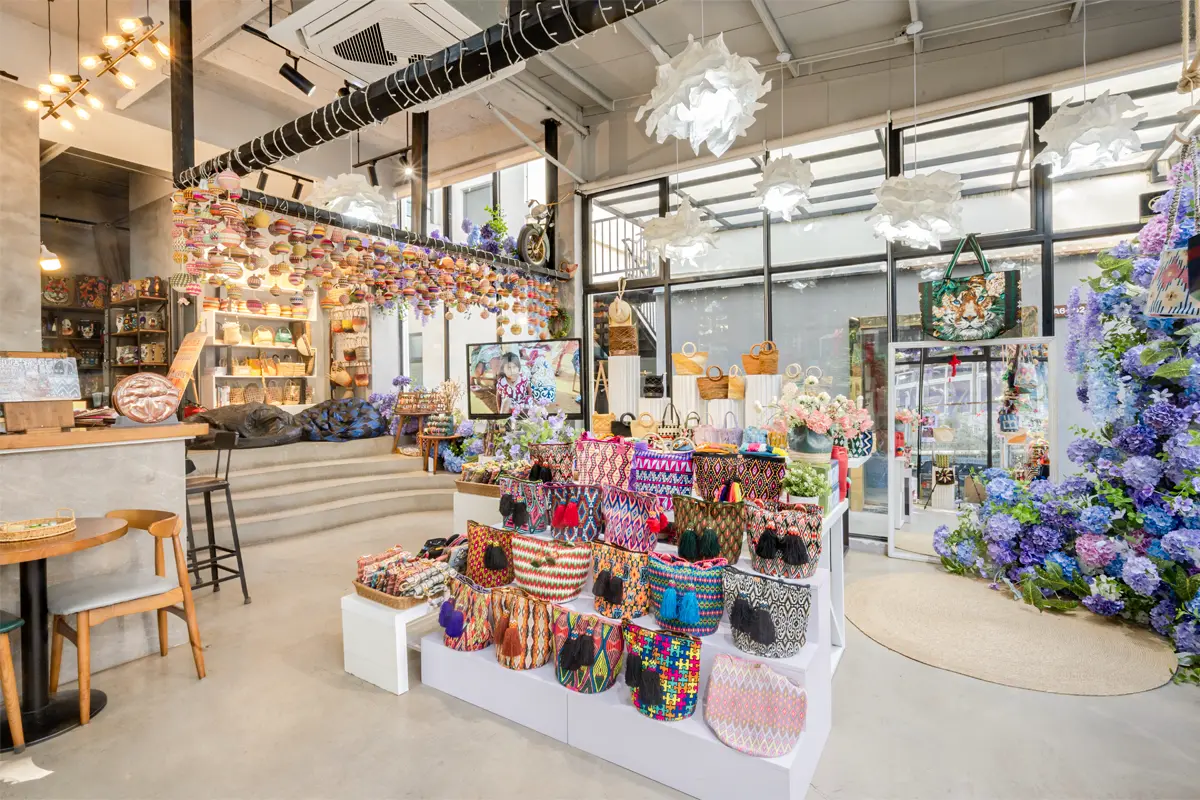
Strong Brand Differentiation and Premium Positioning Value
Positioning Wayuu mochilas as premium artisan accessories allows brands to command higher margins. Cultural storytelling, natural scarcity, and ethical sourcing justify superior price points.
Cultural Authenticity and Symbolic Storytelling
Authentic Wayuu mochilas originate directly from artisans in La Guajira, Colombia. This origin establishes each piece as a genuine artifact of indigenous heritage, separating it entirely from generic factory-made accessories. Buyers are not just purchasing a bag; they are acquiring a piece of cultural history.
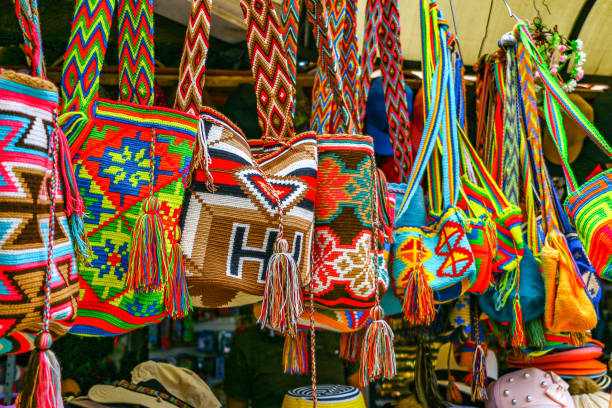
Traditional geometric patterns, known as kanaas, encode deep cultural significance rather than serving as random decorative prints. The artisan weaves nature symbols, clan identity, and spiritual messages directly into the fabric. The specific color choices convey clear meanings:
- Red and orange: Represent strength and the vibrant desert sun.
- Blue and green: Signify water and abundance in the harsh environment.
- Black and white: Reflect the fundamental balance of life and death.
This cultural depth supports a premium brand narrative built around wearable stories. Brands can compete on meaning and heritage instead of fighting a losing battle over pure aesthetics and price.
Time-Intensive Artisan Craftsmanship
Hand-crocheting a single Wayuu bag requires up to 25 days of dedicated manual labor. This traditional process ensures every piece is inherently unique, with slight variations that validate its handmade authenticity. The time-intensive nature of this craft creates a natural supply cap, anchoring the product firmly in the highly profitable slow fashion category.
To establish premium product tiers, brands leverage advanced construction methods that require exceptional skill:
- 1.5-thread weaving: Creates a noticeably denser, heavier fabric.
- Superior shape retention: Maintains the bag’s structure under heavy daily loads.
- Pattern clarity: Produces sharper, more complex geometric details.
Emphasizing this production time and technique complexity justifies high price points. Customers gladly pay for skilled labor, easily distinguishing authentic artisan products from cheap machine-made lookalikes.
Distinctive Visual Identity and Design Architecture
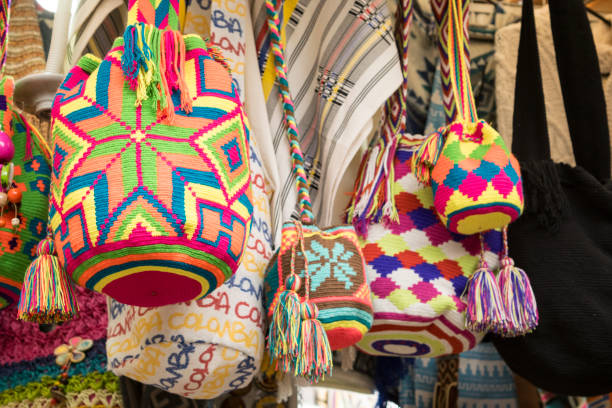
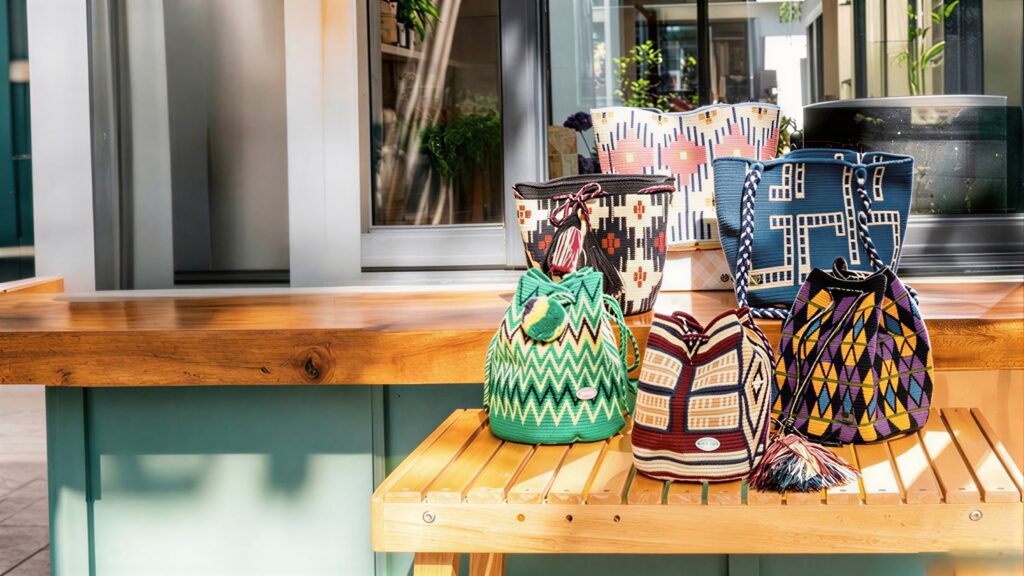
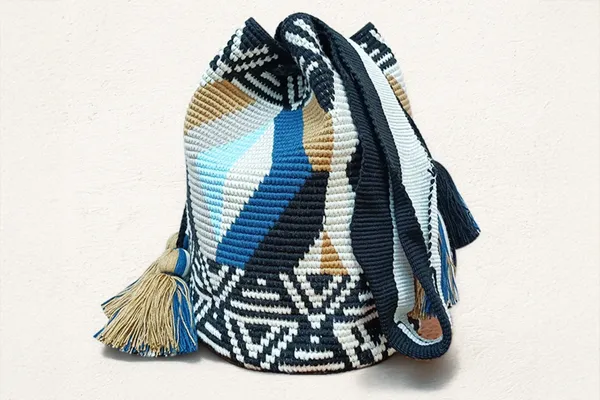
The signature bucket shape combined with an intricate crossbody or shoulder strap makes the mochila instantly recognizable. This distinct form factor stands out easily against conventional leather totes or canvas backpacks in retail environments.
High-contrast color palettes and complex symmetrical motifs build strong product-level recognition. You do not need a massive visible logo for customers to identify a premium Wayuu bag. The aesthetic itself serves as the brand marker.
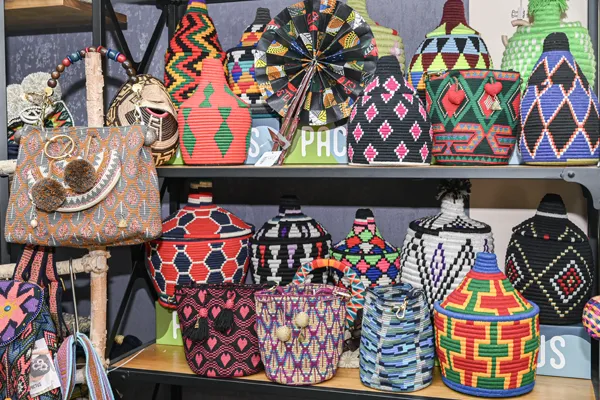
Brands leverage this visual architecture to structure strategic product tiers. A core line features accessible, traditional patterns for everyday buyers. A premium line highlights highly curated, limited-edition runs with complex weaves for collectors willing to pay top market prices.
Low Trend Dependency and Long-Term Market Relevance
Wayuu mochilas bypass seasonal fashion cycles through deep cultural anchoring and slow craftsmanship, positioning them as highly resilient, collectible assets rather than disposable trends.
Cultural Roots and Symbolic Anchoring
Traditional mochilas are deeply tied to the indigenous heritage of the Wayuu, Kogui, and Arhuaco communities. The woven patterns carry symbolic meanings related to cosmology, identity, and the natural world. This foundational cultural logic evolves across generations rather than seasons, shielding the bags from rapid fashion volatility.
Time-Intensive Artisanal Craftsmanship
Artisans handweave authentic mochilas using complex, traditional techniques that require up to 25 days per piece. Each bag features unique, irreproducible designs based on the individual maker’s perspective. The slow production model structurally limits high-volume trend chasing and positions the bags as timeless investments.
Alignment with Durable Macro-Trends
Demand aligns strongly with multi-decade global shifts toward sustainability and slow fashion. Brands sourcing directly from indigenous women appeal to ethically conscious consumers prioritizing fair trade. The inherent authenticity of the product offers a direct contrast to mass-produced fast fashion accessories.
Core Design Stability and Adaptability
The fundamental silhouette, including the cylindrical bucket structure and woven single strap, remains highly consistent. Producers introduce incremental aesthetic updates through specific features:
- Color Palettes: Adjusting yarn tones to fit modern visual preferences.
- Strap Configurations: Varying strap lengths to accommodate different carry styles.
- Tassel Styles: Adding distinct finishing details to the drawstrings.
This balance of a stable base form with mild aesthetic adaptability ensures long-term continuity without product obsolescence.
Collectible Positioning and Market Resilience
Consumers frequently view genuine mochilas as wearable art objects rather than ephemeral seasonal accessories. The unique story behind every piece encourages repeat purchases from buyers collecting different patterns and cultural narratives. Collectible positioning sustains premium pricing power and mitigates the risk of markdown cycles typical of trend-bound inventory.
Reduced Inventory Risk and Minimal Overstock Pressure
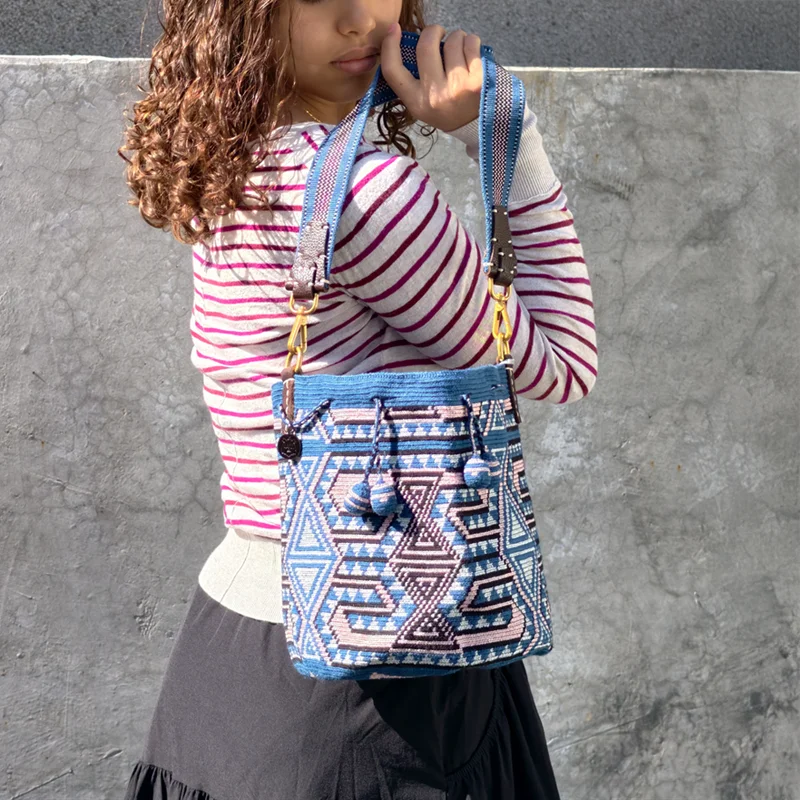
Handwoven mochila bags take up to 25 days to produce. Strict inventory discipline prevents tying up capital in slow-moving variants and protects margins from 20–30% annual carrying costs.
Why Inventory Discipline Matters for Mochila Bags
Mochila bags are highly style-sensitive and rely on an artisanal supply chain. When overall category demand rises, stock easily fragments across unique colors, sizes, and patterns. This fragmentation rapidly creates slow-moving variants if you fail to align purchasing with actual market demand.
- Replenishment bottlenecks: Authentic Wayuu mochilas take up to twenty-five days to hand-crochet, severely limiting your options for quick restocking.
- Carrying costs: Standard manufacturing carrying costs erode 20% ل 30% of your inventory value annually, wiping out margins on unsold stock.
- Capital lockup: Overbuying artisanal products traps cash in unpopular styles and drastically increases the likelihood of forced markdowns.
Practical Assortment and Replenishment Strategies
You mitigate overstock risks by adjusting your purchasing model to match the reality of handcrafted production. Speculative buying fails in this category. You must build assortment plans that prioritize flexibility and exact lead times.
- Core-and-test modeling: Keep higher stock depth for everyday best-sellers and test new patterns in strictly limited quantities.
- Batch frequency: Buy smaller, more frequent batches to avoid sitting on unpopular seasonal colorways.
- Lead-time alignment: Set reorder points directly against artisan lead times, factoring in production weeks plus buffer stock specifically for core styles.
- Pre-order fulfillment: Use made-to-order models for highly complex or niche designs to completely remove speculative stock risk.
Key Metrics for Tracking Inventory Health
Clear visibility into stock movement keeps your artisanal categories profitable. You need to monitor specific operational indicators to validate your purchasing decisions and catch slow-moving stock before it requires aggressive discounting.
- Sell-through rates: Track movement by specific style and pattern to confirm actual demand before placing larger replenishment orders.
- Carrying cost percentage: Measure storage and handling efficiency as a direct share of your total stock value.
- Markdown rates: Track clearance volume to confirm that your initial buys align tightly with buyer behavior.
High Product Durability Leading to Lower Return Rates
High durability in artisan mochilas directly reduces return rates by eliminating early-life functional failures and setting accurate buyer expectations through proven material strength.
Material Strength and Construction Quality
The hand-woven backpack is made of durable and washable acrylic yarn to maximize its service life during daily use. The dense hand-knitted stitching technique firmly fixes the fabric, effectively preventing the common loose and tearing problems found in mass-produced textile bags.
At the connection points between the shoulder straps and the bag body, as well as at the bottom and other high-stress areas, the reinforcement structure ensures that the bag can withstand heavy loads without early functional failure. This built-in structural integrity means that the product will not experience performance degradation in the first few months of use by the buyer and can withstand the test.
How Durability Mitigates Common Return Triggers
Most returns in the accessory category stem from visible wear and structural breakdown. The material properties of authentic mochilas directly counter these exact issues.
- Strap and seam integrity: Strong acrylic materials eliminate strap breakage and seam splitting during normal use.
- Aesthetic preservation: Colorfast properties lock in vivid geometric patterns, reducing returns driven by premature fading.
- Shape retention: Firm weave structures hold the bag’s core bucket shape, preventing buyer complaints about excessive stretching or sagging over time.
Quality Control Practices to Ensure Consistency
Consistent durability requires strict quality control starting at the source. Sourcing authentic Wayuu bags guarantees the application of reliable, traditional weaving techniques developed over generations.
Standardizing this output involves establishing minimum specifications for yarn thickness and stitch density across all artisan partners. Before shipping, implementing practical tests catches defects early. Pre-shipment load-testing on straps and thorough visual inspections trap weak points or uneven tension before the product reaches the end consumer.
Positioning Durability to Align Customer Expectations
Proper positioning sets the right baseline for how customers evaluate their purchase. When buyers understand the product’s origin and resilience, superficial return requests drop significantly.
- Craftsmanship timelines: Highlighting the 25-day crafting process emphasizes true artisanal quality and sets realistic performance expectations.
- Maintenance education: Providing clear wash and care instructions stops user-induced damage like shrinkage or heat distortion.
- Confidence markers: Offering structural integrity guarantees builds immediate buyer trust and decreases hesitation at checkout.
Scalable Supply Chain for Boutique Retail Growth
A scalable supply chain for boutique retail growth turns artisan constraints into competitive advantages by controlling inventory, enforcing quality standards, and preserving cash flow without sacrificing service levels.
Overcoming Boutique Mochila Supply Chain Challenges
Boutique accessories naturally invite complexity. Manage style fragmentation, as numerous colors, trims, and limited editions rapidly complicate your forecasting models. Unlike factory-standardized goods, handmade or small-batch bag production carries inherent quality variability. You control this by enforcing stronger vendor standards and inspecting batches before they ship.
The sensitivity of delivery cycle can also threaten the profit margin. Delays must be reduced to prevent slow replenishment from having a negative impact on the sales conversion rate of high-demand products. Most importantly, any excessive ordering must be avoided at all costs to prevent critical working capital from being locked up in unsold inventory.
Operational Pillars for Growth
Growth requires replacing guesswork with structured systems. Anticipate demand accurately by analyzing your sales history, seasonality, and specific channel mix. Apply targeted automation to purchase ordering, stock tracking, and supplier updates to reduce manual errors and free up staff time for higher-level strategy.
Orchestrate sourcing, production, warehousing, and outbound fulfillment into a single interconnected system. Prioritize data visibility across factories, transit routes, and sales channels to accelerate decision-making when supply bottlenecks occur.
Practical Inventory and Sourcing Strategies
Your buying strategy dictates your cash flow. Segment inventory by maintaining reliable safety stock for proven core SKUs while treating trend-led designs strictly as limited-run capsules. Utilize multi-supplier networks and dual sourcing to absorb lead-time disruptions and protect your overall production continuity.
To protect your brand reputation, establish strict quality gates at material receipt, during in-line production, and at final inspection to reduce returns. Standardize core bag components such as liners, straps, الأجهزة, and packaging where brand design permits to gain economies of scale without sacrificing the artisanal feel of the exterior.
الأفكار النهائية
While mass-produced accessories offer lower upfront costs, authentic handmade Mochila bags provide a proven defense against algorithmic discounting and margin erosion. Committing to a disciplined, culturally anchored sourcing standard transforms your inventory from a seasonal liability into a highly profitable, evergreen asset.
To ensure these high-quality profits, strict supplier standards and a transparent and reliable supply chain are necessary. You should conduct a strategic review of your existing accessory product range to identify the most profitable entry points for this handmade product category. Please contact our purchasing team to discuss procurement logistics or request a sample to experience the structural quality for yourself.
الأسئلة المتداولة
Are Mochila bags a good investment for retail stores?
Mochila bags are a solid retail investment when positioned as premium artisan fashion. They are not speculative financial assets like luxury vintage bags. Instead, they function as an ethically sourced, high-margin accessory category. When you source them with discipline, they reliably drive store foot traffic, provide a strong cultural narrative, and align perfectly with conscious consumer trends.
What are average wholesale markup percentages for artisan bags?
Typical wholesale markup on artisan bags ranges from 100% ل 160% (2.0 ل 2.6 times production cost). This yields a 50% ل 60% gross margin for the artisan or wholesaler. Retailers then apply their own 100% ل 150% markup on that wholesale price. By the time the product hits the shelf, the final retail price sits at roughly 4 ل 6 times the original production cost.
How do I pitch unique handmade bags to mainstream consumers?
Focus on a mix of fashion, function, and story. Emphasize everyday utility and durability without relying heavily on technical weaving jargon. Mainstream buyers respond best when you frame these bags as versatile statement pieces. Show them how the bag upgrades daily outfits, functions perfectly for travel, and carries a rich, ethical cultural heritage.
Do Wayuu bags sell well in winter and fall seasons?
Yes. Buyers often associate Wayuu bags with summer, but they are actually non-seasonal. In fall and winter, they sell strongly when positioned as practical everyday accessories or colorful accents for neutral coats. They also make excellent premium, story-rich holiday gifts. Stock deeper color palettes like burgundies and forest greens, and highlight the artisan impact to drive consistent Q4 demand.
What is the return rate on authentic Mochila bags?
The return rate sits firmly in the low single digits. Authentic Mochila bags are highly durable, and the conscious buyers who purchase them have high buying intent. Because each bag is uniquely handcrafted, customers expect slight variations, which cuts down on visual mismatch complaints. Many sellers also implement strict return policies, such as final sale on pre-orders, keeping voluntary returns minimal.
How does Pactus safeguard inventory shipments from transit damage?
Pactus protects shipments through a combination of right-sized, crush-resistant corrugated cartons and multi-layer internal cushioning. They use sustainable tissue wrapping and paper-based void fill to completely immobilize the bags inside the box. This prevents abrasion, compression, and moisture damage during transit across parcel networks.