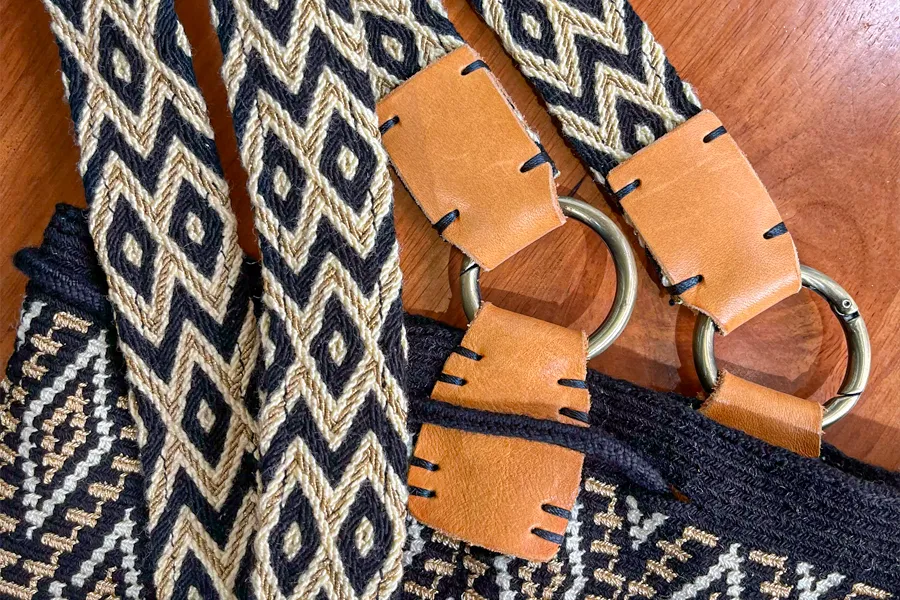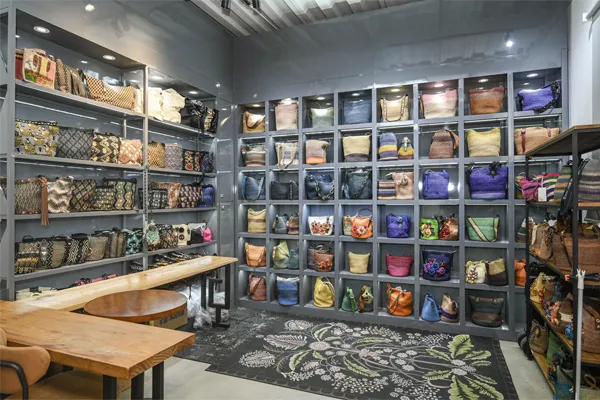
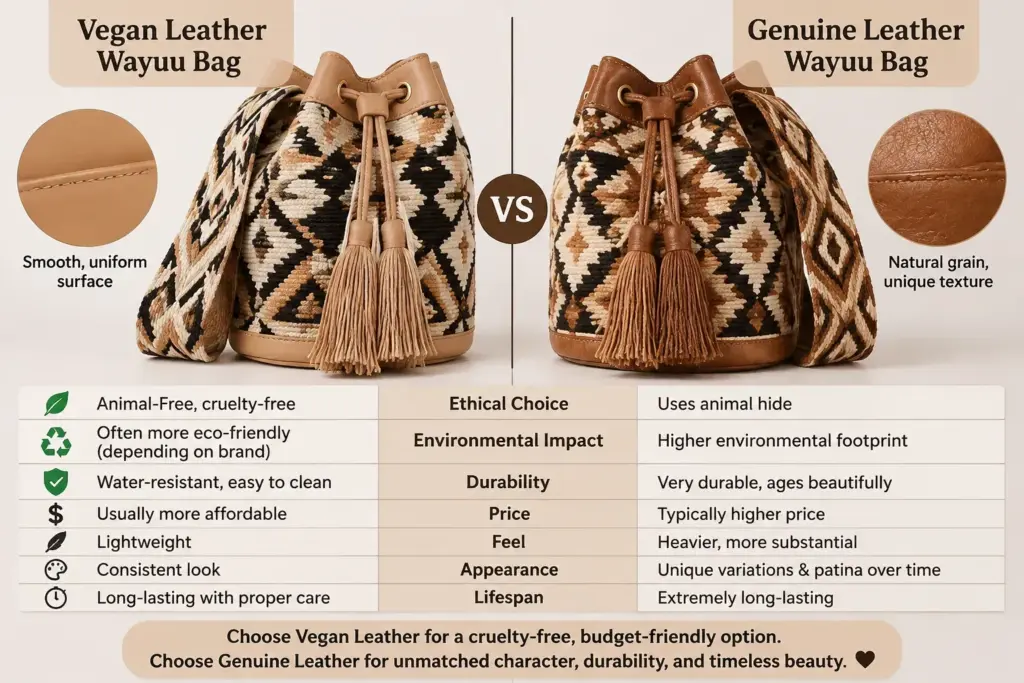
Vegan leather and genuine leather are no longer competing only on price — they are competing on the shelf, where the right call depends on your customer, your margin targets, and the story your brand wants to tell. Both categories have grown sharply, and both carry claims that do not always survive contact with the data.
This guide breaks the two materials down across the dimensions that matter to boutique owners: durability, prix, environmental impact, and what actually sells in 2027. You will leave with a clear framework for deciding which bags to stock and which to leave behind.
What Is Vegan Leather, Really?
The term “vegan leather” has become one of the most effective marketing labels in fashion. It sounds ethical, moderne, and forward-thinking. But here is what most buyers do not realize: “vegan leather” is not a material science classification — it is a marketing category that lumps together products with vastly different compositions, durability profiles, and environmental footprints.
Breaking it down into three practical categories:
- Synthetic vegan leather (PU/PVC) — This is what 90%+ of “vegan leather” products on the market actually are. A fabric base (usually polyester or cotton) coated with polyurethane (PU) or polyvinyl chloride (PVC), then embossed with a leather-like grain pattern. It contains zero animal products, but it is also fundamentally a plastic product derived from petrochemicals.
- Plant-based vegan leather — Plant-based vegan leather uses agricultural byproducts such as cactus, pineapple leaves, apple waste, and grape marc. However, many alternatives still require synthetic or bio-based binders for durability, with exact compositions varying by material and manufacturing process.
- Mycelium-based leather — The most technologically advanced option. Companies like Bolt Threads (Mylo) grow fungal mycelium networks that mimic the fibrous structure of animal collagen. Hermes and Stella McCartney have produced limited-edition products using this material. Production capacity remains extremely limited, and costs are currently higher than full-grain Italian leather.
The honest takeaway: when you see “vegan leather” on a wholesale price tag, the most likely reality is PU-coated fabric. Plant-based alternatives are genuinely promising but still represent a small fraction of the market, and even they are not 100% plant-derived.
What Is Genuine Leather? A Quick Refresher
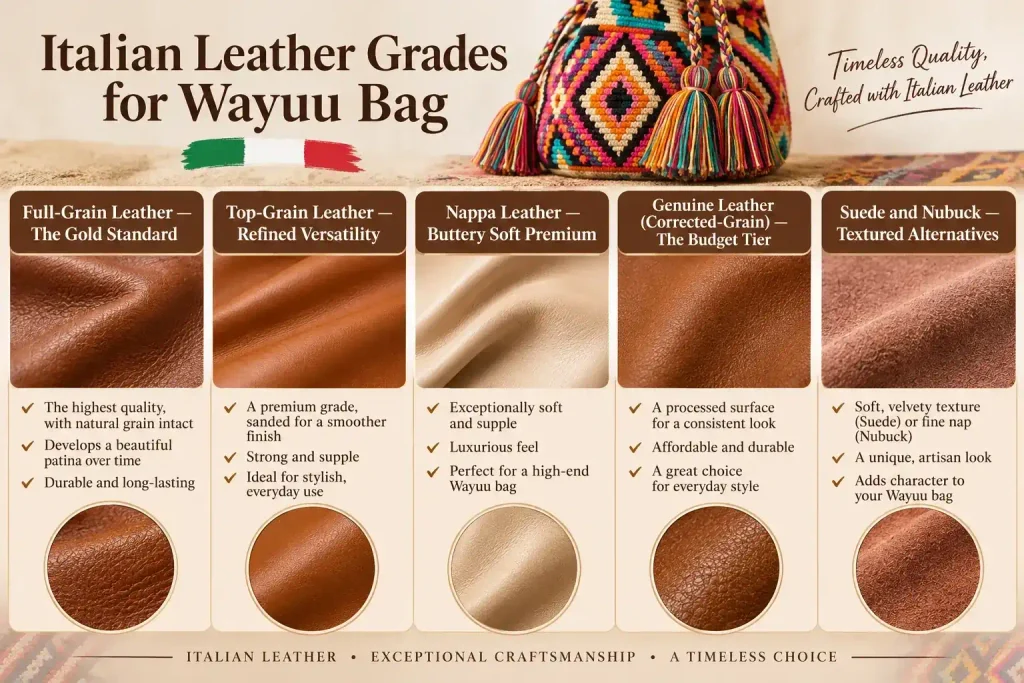
Genuine leather comes from animal hides — primarily cow, goat, and sheep — that are processed through tanning to prevent decomposition and make the material usable for products. In our complete guide to Italian leather grades, we broke down the hierarchy in detail. Here is the essential summary:
- Full-Grain Leather — The entire top layer, unaltered. Highest tensile strength (20-25 MPa). Develops patina. Used by luxury brands.
- Top-Grain Leather — Top layer lightly sanded for uniformity. Strong (15-20 MPa). The workhorse grade for premium bags.
- Corrected-Grain / “Genuine” Leather — The grain surface is sanded or buffed and coated with finishes to create a more uniform appearance. Its strength and quality depend on the original hide and processing methods. Often used in budget and mid-range bags.
An important point often missed in vegan-vs-leather debates: leather is a byproduct of the meat industry. Animals are not raised primarily for their hides. If the leather were not used, the hides would become waste. Using leather is, in this sense, a form of waste reduction — though this does not erase the environmental footprint of livestock farming itself.
Vegan Leather vs Genuine Leather: 7-Dimension Head-to-Head
Rather than declaring a blanket winner, let us compare these materials across the seven dimensions that matter most to boutique owners and wholesale buyers.
| Dimension | Cuir végétalien (Synthetic / Plant-Based) | Genuine Leather (Full/Top-Grain) | Winner |
|---|---|---|---|
| Durability | Synthetic: 2-5 années; Plant-based: 3-7 années | 10-25 years with proper care | Leather |
| Tensile Strength | 3-8 MPa (PU); 5-12 MPa (plant-based) | 15-25 MPa | Leather |
| Touch and Feel | Smooth, consistent; lacks natural warmth and pore texture | Warm, textured, unique grain pattern; natural aroma | Leather |
| Price (per sq.ft) | $5-15 (PU); $25-50 (plant-based) | $50-130 | Vegan (cost) |
| Environmental Impact | PU: petroleum-based, 500+ year decomposition; Plant-based: lower carbon but needs PU binder | Vegetable-tanned: biodegradable; Chrome-tanned: wastewater concerns | Depends on type |
| Consumer Perception | “Éthique” premium among younger demographics; growing awareness of greenwashing concerns | “Luxury” et “heritage” premium; trusted by traditional buyers | Tie (different audiences) |
| Maintenance | Easy to clean, water-resistant; but cannot be repaired once coating fails | Requires conditioning; but can be repaired, re-dyed, and restored | Leather (repairability) |
The data makes one thing clear: genuine leather wins on durability and repairability, while vegan leather wins on upfront cost and ease of care. The “right” choice depends entirely on your target customer and brand positioning — which we will address below.
The Plant-Based Revolution: Cactus, Mushroom, Pineapple, and More
This is where the conversation gets genuinely interesting. Plant-based leather alternatives have evolved rapidly since 2018, and several materials are now commercially viable — though not without caveats.
Desserto (Cactus Leather, Mexico) — Founded by Adrian Lopez Velarde and Marte Cazarez, Desserto produces leather from Nopal cactus (prickly pear) grown in Zacatecas. The cactus requires minimal water, no pesticides, and absorbs CO2. The resulting material is soft, flexible, and partially biodegradable. It has been adopted by brands including Fossil, BMW (for car interiors), and several fashion labels.
- Estimated lifespan: approximately 10 years under normal use.
- Price range: Pricing varies by material specifications, supplier, and order volume.
- The catch: the production process still uses a PU-based finishing layer for durability.
Piñatex (Pineapple Leaf Fiber, Philippines/Spain) — Created by Ananas Anam, Piñatex extracts cellulose fibers from pineapple leaves — a waste product of the pineapple harvest. The fibers are processed into a non-woven mesh, then coated with a polylactic acid (PLA) based finish. H&M, Nike, and Hugo Boss have used Piñatex in limited collections. It has a distinctive textured appearance that differs noticeably from traditional leather. Price: $30-45 per square foot.
Mylo (Mycelium, USA) — Bolt Threads grows mycelium (the root structure of mushrooms) in controlled environments, creating a dense fibrous mat that is then tanned using processes similar to traditional leather tanning. The material most closely resembles genuine leather in hand feel and structure. Stella McCartney has used Mylo in fashion designs, including a bustier and trousers.
- Current limitation: production capacity is extremely limited, and Mylo is not yet available at wholesale scale.
- Price: estimated $50-80+ per square foot when available.
AppleSkin (Apple Waste, Italy) — Produced by Frumat in Bolzano, AppleSkin uses the pomace (skins, cores, and seeds) left over from apple juice production. The waste is dried, ground, and combined with a PU binder to create a leather-like sheet. The material has a soft hand feel comparable to nappa leather. Price: $30-50 per square foot. Used by several European fashion brands.
Vegea (Grape Marc, Italy) — Similar concept to AppleSkin, but using the grape skins, seeds, and stems left over from winemaking. Based in Milan, Vegea has partnered with H&M and produced materials for automotive interiors. Price: $25-40 per square foot.
The honest assessment: all plant-based leathers represent genuine innovation, and their environmental footprint is lower than both traditional PU leather and chrome-tanned animal leather. However, none of them are currently 100% plant-derived — they all require synthetic binders. And production volumes remain small relative to the global leather and synthetic leather markets.
The Sustainability Truth: Neither Side Is Innocent
This is the section that most vegan leather articles avoid, and most leather industry articles downplay. Let us address both sides honestly.
What the leather industry does not want you to focus on: Livestock farming accounts for roughly 14.5% of global greenhouse gas emissions, according to the FAO. Chrome tanning — used for approximately 80% of the world’s leather — generates wastewater containing chromium, a heavy metal that requires careful treatment. While leather is a byproduct of meat production (not the primary driver), the economic value of hides means that leather sales help subsidize livestock operations.
What the vegan leather industry does not want you to focus on: PU and PVC are derived from petroleum. PVC production releases dioxins — among the most toxic chemicals known — and PVC products can take 500+ years to decompose in landfill. Even plant-based alternatives require PU binders. The “vegan” label does not automatically mean “sustainable.” A PVC bag labeled as vegan leather is, from a materials perspective, a petroleum product.
The more useful framework for buyers: Instead of asking “vegan or leather?”, ask “how long will this product last, and what happens to it when the customer is done with it?”
- A full-grain vegetable-tanned leather bag used for 15 années, then composted (the leather biodegrades) — total environmental cost spread across 15 years of use.
- A PU vegan leather bag used for 3 années, then landfilled (the PU persists for centuries) — you would need to buy and dispose of 5 of these bags over the same 15-year period, multiplying the environmental impact.
Product longevity is the single most important sustainability factor that neither side of this debate emphasizes enough. The most sustainable bag is the one that does not need to be replaced.
What Sells Better? Market Data for Boutique Buyers
For B2B buyers, the philosophical debate matters less than commercial reality. Here is what the market data tells us.
The global leather goods market continues to attract demand across luxury, premium, and everyday fashion segments. Vegan leather is also gaining attention, particularly among brands exploring alternative materials and younger consumer markets. However, market size alone does not show which material sells better. Retail demand, product pricing, brand positioning, and customer preferences all influence purchasing decisions.
Consumer research consistently shows a generational split: younger buyers (Gen Z, younger Millennials) express stronger preference for “vegan” and “sustainable” labeling. However, purchasing behavior tells a different story — surveys indicate that the majority of consumers across all age groups still purchase genuine leather products when given the choice at comparable price points. The willingness to pay a premium for vegan leather peaks around $80-120 and drops sharply above that threshold.
Here is a practical decision matrix for boutique owners:
| Your Store Positioning | Recommended Material | Why |
|---|---|---|
| Luxury / Heritage ($200+) | Full-Grain Italian Leather | Customers expect heirloom quality, patina story, and lifetime value |
| Premium Contemporary ($120-250) | Top-Grain Leather or Plant-Based Vegan | Both work; choose based on whether your brand story is “craft” or “innovation” |
| Trendy / Fast-Fashion ($50-120) | PU Vegan Leather | Faible quantité de commande, fast iteration, color variety, appeals to trend-driven younger buyers |
| Sustainable / Éthique ($100-250) | Mixed: Plant-Based Vegan + Vegetable-Tanned Leather | Cover both customer segments; lead with transparency about material origins |
| Artisan / Handcraft ($150+) | Genuine Leather + Traditional Craft Techniques | The dual-craft narrative (matériel + handwork) commands premium pricing |
The key insight: there is no single “best” material. The right choice aligns with your customers’ values, your price architecture, and the brand story you are telling. Stocking both — clearly labeled and honestly described — is increasingly the smartest strategy for stores that serve diverse demographics.
Looking for reliable handmade bags at wholesale?
Browse the PACTUS collection and request catalog & pricing for your boutique.
Get Wholesale Catalog & Pricing →How Pactus Bridges Both Worlds
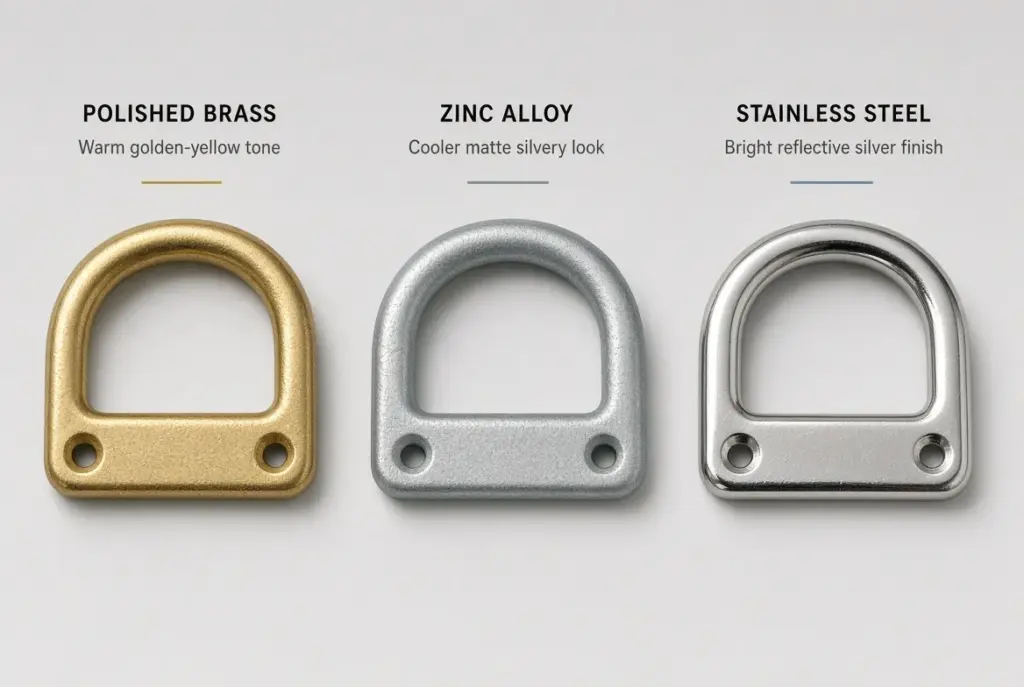
At Pactus, our core products use genuine Italian leather — specifically full-grain and top-grain hides — combined with authentic Wayuu handwoven textiles from Colombian artisans. Our Remake Collection pairs these two artisanal traditions with YKK zippers and solid copper hardware.
We chose genuine leather for pragmatic reasons that align with our customers’ needs:
- Durability requirements: Our B2B clients sell to end consumers who expect bags to last. A 15-year product lifespan reduces returns, builds brand loyalty, and generates word-of-mouth referrals that no advertising budget can match.
- Narrative strength: Italian leather + Wayuu handweaving is a story about two continents of artisan heritage converging in a single product. This dual-craft narrative resonates in a way that “PU-coated fabric + machine-sewn textile” cannot.
- Repairability: Genuine leather bags can be reconditioned, re-dyed, and repaired. A bag that can be restored rather than discarded aligns with the sustainability values that many of our clients’ customers hold — even if those customers do not initially think of leather as a sustainable choice.
That said, we recognize the growing demand for plant-based alternatives. For clients who want to offer vegan options alongside our leather collections, we can source and produce custom runs using plant-based materials. The key is transparency: we tell clients exactly what they are getting, including the percentage of synthetic binder in any plant-based material.
If you are exploring wholesale sourcing for handmade bags, we are happy to discuss material options that match your brand positioning and customer expectations.
5 Questions to Ask Before You Stock Vegan or Genuine Leather Bags
Before placing a wholesale order, work through these five questions:
- Who is your end customer? — Gen Z shoppers respond to “vegan” and “plant-based” messaging. Buyers aged 30+ typically respond to “heritage,” “craft,” and “Italian leather.” If you serve both, consider a mixed collection with clear labeling.
- What is your retail price point? — Below $100, PU vegan leather is the commercially realistic option. Between $100-250, you can offer either top-grain leather or premium plant-based alternatives. Above $250, full-grain leather is the expected standard.
- What is your brand narrative? — “Ethical innovation” points toward plant-based vegan materials. “Timeless craftsmanship” points toward genuine leather. “Conscious luxury” can accommodate both — provided you are transparent about each material’s actual composition.
- How fast do you need to iterate? — Vegan leather (especially PU) has lower minimums, faster lead times, and broader color options. Genuine leather requires longer production cycles, larger minimum orders, and more limited color ranges per season.
- What is your return rate tolerance? — Vegan leather complaints cluster around peeling, cracking, and coating failure after 2-4 années. Genuine leather complaints tend to center on initial odor (which dissipates) and the need for periodic conditioning. Factor expected return patterns into your margin calculations.
What Is Vegan Leather Made Of? Materials Explained
Understanding what vegan leather is actually made from helps buyers evaluate quality claims and identify greenwashing. The material composition varies dramatically between product tiers.
First Generation: PVC and PU
The earliest and cheapest vegan leathers are made from PVC (polyvinyl chloride) — a plastic polymer applied as a coating to a polyester or cotton backing. PVC vegan leather costs $1.50–$3.00 per yard but contains chlorine-based chemicals and plasticizers (phthalates) that raise environmental and health concerns. Most premium retailers now avoid PVC entirely.
PU (polyurethane) vegan leather is the current mainstream standard. It uses a PU coating on a knitted or woven polyester backing. PU is softer, more breathable, and free from the chlorine and phthalate issues of PVC. Water-based PU — where the solvent is water instead of DMF (dimethylformamide) — is the latest improvement, reducing VOC emissions during manufacturing. Standard PU vegan leather costs $2.50–$5.00 per yard with 30,000–80,000 Martindale abrasion cycles depending on coating thickness.
Second Generation: Microfiber PU
Microfiber vegan leather replaces the woven backing with a non-woven microfiber mat that mimics the fiber structure of real leather more closely. This gives it better tear strength, more natural hand-feel, and improved breathability. Microfiber PU typically costs $5.00–$8.00 per yard and achieves 50,000+ abrasion cycles. It’s the material used by mid-range brands positioning themselves as “premium vegan.”
Third Generation: Plant-Based Composites
The newest category blends plant-derived raw materials with a PU binder:
| Material | Primary Input | Backing | Bio Content | Price/yd | Abrasion Cycles |
|---|---|---|---|---|---|
| PVC Leather | PVC polymer | Polyester knit | 0% | $1.50–$3.00 | 15,000–25,000 |
| Standard PU | Polyurethane | Polyester/cotton | 0% | $2.50–$5.00 | 30,000–80,000 |
| Water-Based PU | Water-based PU | Polyester knit | 0% | $3.50–$6.00 | 40,000–80,000 |
| Microfiber PU | PU + microfiber mat | Non-woven microfiber | 0% | $5.00–$8.00 | 50,000+ |
| Cactus Leather | Nopal cactus + PU binder | Recycled polyester | ~65% | $4.50–$9.80 | 50,000+ |
| Apple Leather | Apple pomace + PU binder | Cotton canvas | ~50% | $8.00–$12.00 | ~40,000 |
| Piñatex | Pineapple leaf cellulose | PLA (polylactic acid) | ~80% | $7.00–$10.00 | ~30,000 |
| Mushroom Mycelium | Fungal mycelium | None (self-binding) | ~90% | $15.00–$25.00 | Not public |
Key takeaway for buyers: even “plant-based” vegan leathers contain a PU binder component (typically 30–50% of the total material). The bio content percentage refers to the plant-derived portion only. Always ask suppliers for the exact bio-to-synthetic ratio and the specific certification (USDA BioPreferred, TÜV bio-based) that verifies it.
Vegan Leather Durability: Real Data
The most common question wholesale buyers face from retailers is: “Will it last?” Here is what the testing data shows.
Standard Durability Benchmarks
Le Martindale abrasion test is the industry standard for measuring surface wear resistance. For context, a good-quality office chair fabric is rated at 30,000 cycles. Here’s how vegan leather materials compare:
| Material | Martindale Cycles | Tensile Strength | Expected Lifespan (daily use) | Common Failure Mode |
|---|---|---|---|---|
| PVC Leather | 15,000–25,000 | Low | 1–2 years | Cracking, peeling |
| Standard PU | 30,000–50,000 | Moyen | 2–4 years | Surface coating delamination |
| Microfiber PU | 50,000–80,000 | High | 4–6 years | Edge fraying |
| Cactus Leather | 50,000+ | 25 MPa (high) | 5–8 years | Color fading (UV) |
| Full-Grain Leather | 100,000+ | Very high | 15–25 years | Surface drying (if unconditioned) |
What This Means for Buyers
Vegan leather durability has improved dramatically. Cactus leather and microfiber PU now deliver 5–8 years of daily use — more than sufficient for fashion-forward product lines where customers expect to refresh their bags every 3–5 seasons. The durability gap between vegan and genuine leather matters most for heritage positioning (bags marketed as “lifetime pieces”), where full-grain Italian leather remains the only honest choice.
For buyers selling to fast-fashion or trend-driven retailers, vegan leather durability is no longer a liability — it’s a feature. Customers in these segments often look for bags that match current trends and offer accessible prices. They may prefer products that balance style, affordability, and practical durability over long-term heritage appeal. Matching material lifespan to customer expectation is the real skill in bag material sourcing.
For the complete guide to plant-based leather options and the broader sustainable materials landscape, see our Sustainable Bag Materials 2026 Guide.
FAQ: Vegan Leather vs Genuine Leather
Is vegan leather just plastic?
Most of it is. The majority of products labeled “vegan leather” on the market are made from polyurethane (PU) or polyvinyl chloride (PVC) — both petroleum-derived plastics. Even plant-based alternatives like cactus leather and pineapple leather typically contain 20-40% PU as a binding agent. The term “vegan” describes the absence of animal products, not the absence of synthetic materials.
Does vegan leather last as long as real leather?
Non. PU-based vegan leather typically lasts 2-5 years before the coating begins to crack or peel. Plant-based alternatives may last 3-7 années. Full-grain genuine leather, properly maintained, lasts 15-25 years and often develops a more attractive appearance (patina) with age. When you calculate cost-per-year-of-use, genuine leather is frequently the more economical choice despite its higher upfront price.
Is vegan leather more eco-friendly than real leather?
The answer depends on which vegan leather and which genuine leather you compare. Plant-based vegan leather generally has a lower carbon footprint than chrome-tanned animal leather. However, PU and PVC vegan leathers are petroleum products that take centuries to decompose, while vegetable-tanned genuine leather is biodegradable. The most meaningful sustainability factor is product lifespan: a bag used for 15 years has a far lower per-year environmental impact than three bags used for 5 years each.
Why is vegan leather sometimes more expensive than real leather?
Premium plant-based alternatives like Mylo (mycelium) and Desserto (cactus) involve novel production processes, limited manufacturing capacity, and higher research costs — which translates to higher prices per square foot than mid-grade genuine leather. However, standard PU vegan leather remains significantly cheaper than full-grain or top-grain leather. If a “vegan leather” product costs more than a genuine leather equivalent, ask what the material actually is and what percentage of it is plant-derived versus synthetic binder.
Can vegan leather develop patina like real leather?
Non. Patina is a chemical and physical process that occurs when natural collagen fibers in animal hide interact with light, air, oils from human skin, and environmental exposure over time. This process creates a unique, deepening color and softening texture that is specific to each piece. Synthetic materials and plant-based alternatives do not contain collagen and cannot replicate this aging behavior. They maintain a consistent appearance until the surface coating begins to degrade.
This article is part of our Complete Bag Material Guide for Retailers — the central resource for choosing the right materials, matériel, and certifications for your product line.