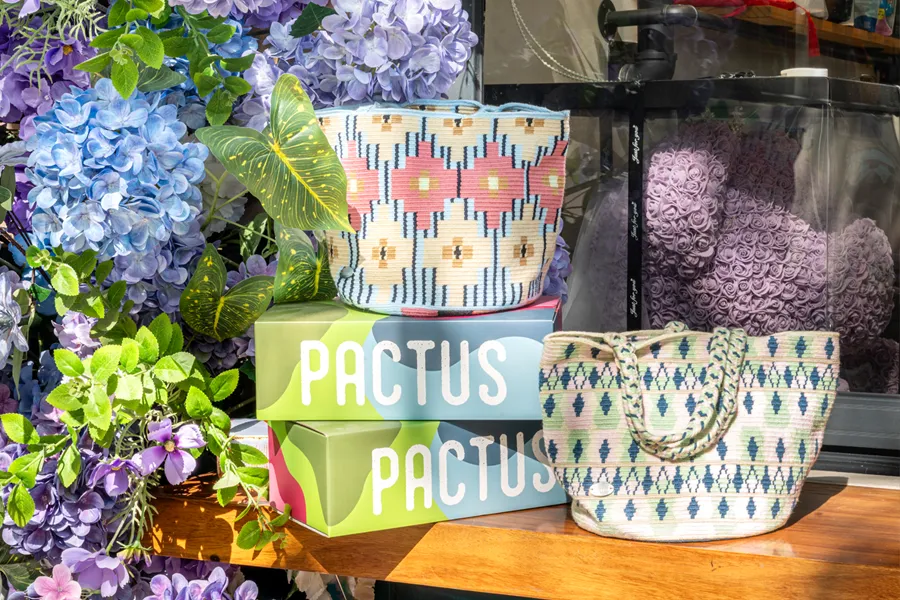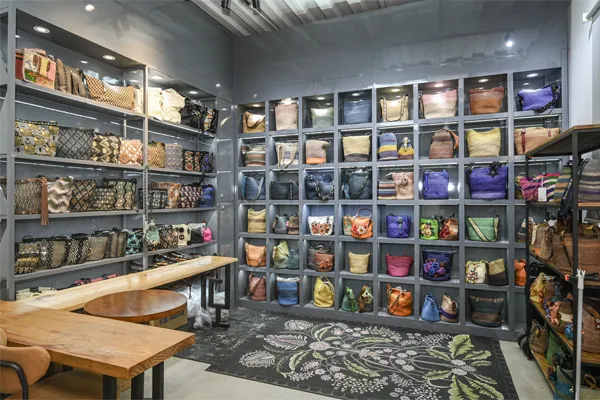
Learning how to build a handmade bag collection for your store is the most direct path to escaping the low-margin trap of mass-market retail, yet poor procurement execution can severely threaten your operating cash flow. Without a structured buying strategy, boutiques risk capital stagnation on untested inventory and forced discount cycles.
This analysis benchmarks small-batch artisanal sourcing strategies against traditional retail distribution standards. We evaluate how implementing pilot runs of 100 to 500 units stabilizes gross margins while reducing inventory holding periods by up to 60% to ensure sustainable, scalable growth.
Strong Brand Positioning for Boutiques
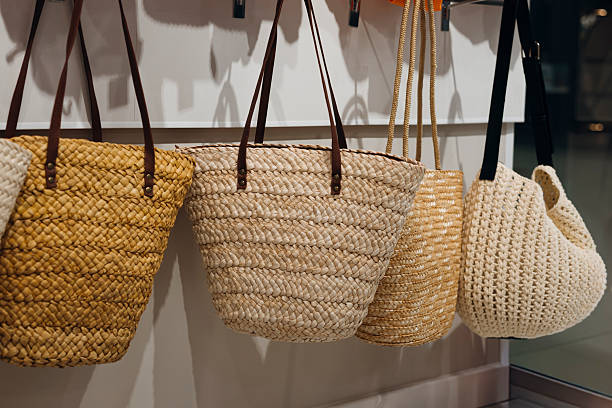
Stocking small-batch, handmade bags allows boutiques to bypass fast-fashion price wars, cementing their identity as curated style authorities with highly defensible retail margins.
Boutiques looking to build strong brand positioning for boutiques must escape the race-to-the-bottom margins of mass-market retail. Independent retailers cannot compete on price with multi-national fast-fashion giants, so they are turning to wholesale handmade bags to establish clear, quality-driven market separation.
Differentiation from fast fashion brands
Mass-market fashion relies on high-volume replication, leaving conscious consumers exhausted by identical, low-quality inventory. Boutiques bypass this volume-driven model by shifting their sourcing strategies toward artisan scarcity, which reframes the store as a destination for discovery.
- Niche Production: Sourcing limited runs avoids the product oversaturation typical of high-street brands, offering customers true exclusivity.
- Material Integrity: Using premium materials like full-grain leather and natural textiles offers a durability-first alternative to plastic-heavy, disposable trends.
- Value-Based Pricing: Setting prices based on manual labor and raw material scarcity protects retail margins from aggressive markdown pressure.
- Traceable Supply Chains: Sourcing from small workshops appeals directly to the expanding slow-fashion consumer base seeking ethical alternatives.
This combination of physical durability and transparent pricing changes the customer conversation. Buyers stop comparing boutique stock to mass-market alternatives because the artisanal product has no direct comparison on the high street.
Builds a premium and artisan brand image
A premium retail identity requires immediate sensory validation. If a product looks expensive on social media but feels cheap in the hands of a customer, the boutique’s authority collapses. Handmade bags provide tactile evidence that justifies high-end retail pricing.
- Sensory Proof: High-density hand-stitching, heavy hardware, and natural fiber linings provide immediate physical feedback of luxury quality.
- Custom Branding: Sewn-in tags, debossed leather patches, and store-exclusive colorways align the supplier’s craftsmanship with the boutique’s unique label.
- Cohesive Packaging: Completing the purchase with custom cotton dust bags and embossed boxes mirrors the unboxing experience of historic heritage houses.
- Edited Merchandising: Organizing the retail floor around one signature handmade anchor piece raises the perceived value of adjacent apparel and accessories.
By ditching overstuffed display racks in favor of structured, minimalist layouts, boutiques signal that each bag is a collectible asset. This merchandising strategy establishes a premium apex in the store’s overall price architecture.
Enhances storytelling and cultural identity
Modern consumers buy stories before they buy physical goods. When a boutique stocks bags with clear, documented origins, it transitions from a transactional retail space into a cultural curator.
- Maker Biographies: Hanging custom tags with artisan profiles and workshop photos builds an immediate human connection between the buyer and the maker.
- Geographic Provenance: Highlighting historic craft regions, such as traditional Turkish leather clusters or Italian ateliers, leverages global heritage reputations.
- Local Collaborations: Partnering with regional creators for exclusive runs integrates the boutique into the local creative ecosystem.
- Value Alignment: Emphasizing cultural preservation turns an ordinary accessory purchase into an active choice to support sustainable heritage.
This narrative approach builds deep emotional resonance. When customers understand the origin and human effort behind a piece, they become organic brand advocates who carry the boutique’s story out into the market.
Product Uniqueness and Differentiation
Sourcing small-batch accessories protects retail margins by removing direct price comparison, building built-in scarcity, and defending inventory uniqueness against automated mass production.
Why do independent retailers struggle to survive next to big-box fashion chains? They often try to compete on price instead of identity, a trap avoided by sourcing wholesale handmade bags that carry built-in scarcity and value. Mass-market production relies on endless replication, but artisanal workshops operate on an entirely different economic model that favors the retailer’s bottom line.
Limited production handmade pieces
When goods are produced on assembly lines, volume is the only goal. Because handmade pieces require hours of dedicated bench time from skilled artisans, output remains naturally constrained, transforming inventory from mere product into curated opportunities.
- Pricing Power: Small-batch limits output per artisan, allowing retailers to market inventory as genuine limited editions and sustain premium price points.
- Low MOQ Testing: Built-in scarcity lets retail buyers rotate styles frequently and test niche designs without risking heavy capital on large minimum order quantities.
- Higher Margins: Lower direct price comparison against standardized, mass-market alternatives protects wholesale and retail markups from race-to-the-bottom discounting.
- Stock Differentiation: Independent boutiques use limited runs to build highly distinct inventories, completely avoiding product overlap with major retail chains.
Natural variation adds exclusivity
In industrialized manufacturing, any deviation from a digital template is branded a defect. For handmade goods, these slight anomalies are the very selling points that prove human touch and justify premium positioning.
- Authenticity Markers: Subtle differences in stitching, texture, and color act as authentic signatures of craft rather than quality flaws.
- One-of-a-Kind Appeal: Organic irregularities in genuine leather and hand-dyed textiles ensure no two finished bags are identical, satisfying the consumer desire for individuality.
- Collectible Marketing: Retail partners can leverage these micro-variations in marketing copy to enhance the perceived collectibility of individual items.
- Commodity Protection: Unique product details prevent shoppers from making quick, price-driven commodity comparisons, keeping retail margins healthy.
Hard to replicate in mass production
High-speed manufacturing thrives on simplification, stripping away design complexity to maintain assembly-line speeds. This structural limitation creates a natural barrier that shields artisanal products from instant corporate copying.
- Automation Barriers: Manual techniques such as hand-stitching, hand-weaving, and hand-painting cannot be automated by high-speed machinery.
- Structural Complexity: Complex designs involving mixed-material panels are typically simplified or eliminated in mass production to preserve speed and lower cost.
- Replication Barriers: Artisan-specific methods create informal barriers to replication, protecting wholesale lines from rapid copying and commoditization.
- Ethical Positioning: The deliberate speed of slow-fashion production directly captures high-spending demographics prioritizing ecological footprint and fair wages.
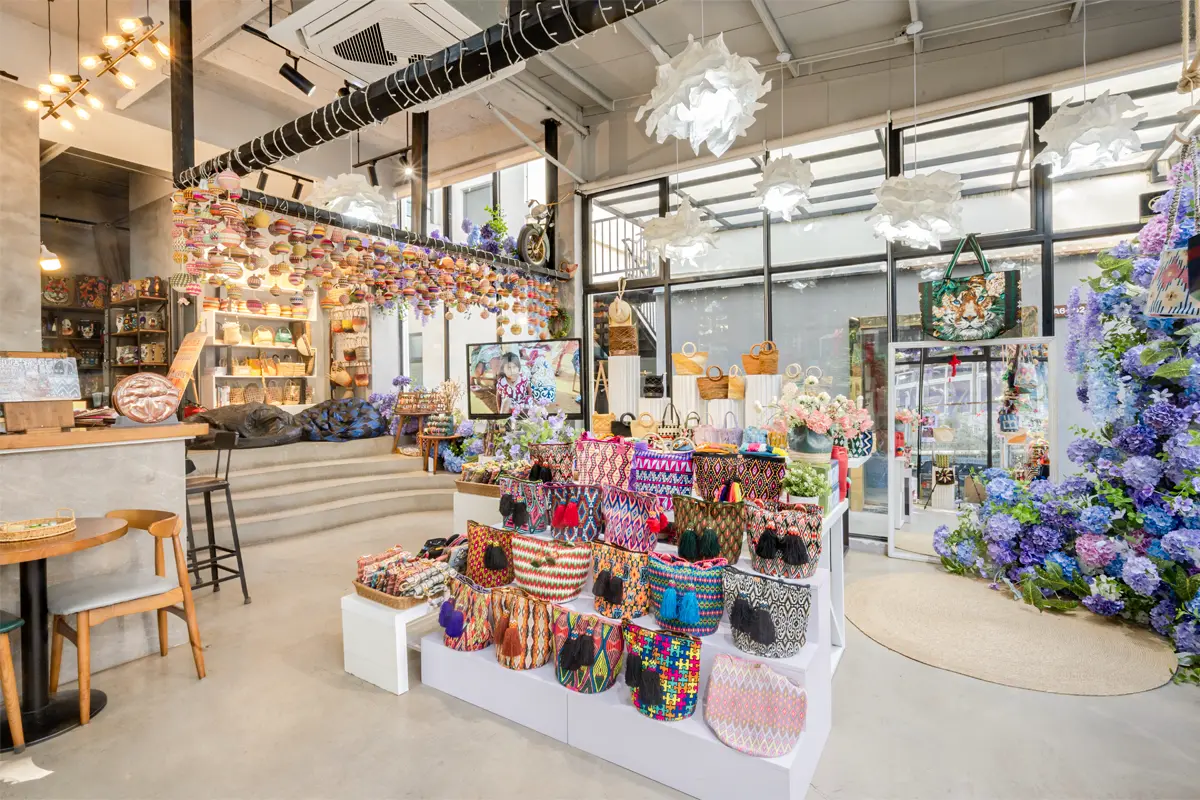
Unlock High-Margin Wayuu Luxury Remakes
Growing Demand for Sustainable and Ethical Products
Wholesalers face a structural market shift as retail buyers prioritize sustainable and ethical products to capture highly loyal, value-driven consumers looking for long-term durability.
Wholesale buyers face a major shift as retail partners demand verifiable proof of eco-friendly materials and natural sourcing. Traditional synthetic materials no longer satisfy the expectations of modern eco-focused boutiques searching for premium wholesale handmade bags.
Eco-friendly materials and natural sourcing
Sourcing shifts directly influence retail positioning and margins. Wholesalers must diversify their catalog with low-impact alternatives to appeal to conscious retail outlets.
- Market Value: The artisan and handicraft segment is projected to reach USD 2.09 billion in 2026.
- Material Bases: Organic cotton, recycled polyester (rPET), and natural plant fibers like hemp, jute, sisal, and raffia.
- Premium Alternatives: Vegan inputs like cactus, cork, and pineapple leathers.
- Verifiable Standards: Certifications such as GOTS (Global Organic Textile Standard) and recycled content standards.
Wholesalers use these organic and recycled material standards to justify higher minimum order values and defend premium pricing, turning raw compliance into a clear B2B sales advantage.
Ethical production and fair trade appeal
Retailers actively look for supply chains that highlight human labor and community-level social impact. Ethical production and fair trade appeal provide the emotional hook that drives repeat purchases.
- Core Pillars: Fair wages, safe workspaces, and direct social impact for artisan communities.
- Narrative Assets: Preserving cultural heritage and traditional crafting techniques to justify premium pricing.
- Compliance Frameworks: Fair Trade and B Corp status to streamline retailer due diligence.
- B2B Channels: Direct access to mission-driven retail channels and value-driven shoppers.
Recognized frameworks verify labor standards and reduce friction during retail onboarding, opening doors to premium, mission-driven sales channels that ignore commoditized mass-production goods.
Consumer shift toward responsible consumption
The transition away from disposable fashion creates a growing segment of shoppers seeking longevity. This consumer shift toward responsible consumption is rewriting standard retail purchasing playbooks.
- Market Evolution: Sustained growth in eco-friendly handbag segments indicating a structural market shift rather than a temporary trend.
- Transparency Demand: Consumer preference for knowing who made the bag and under what conditions.
- Financial Value: Durability and longevity offsetting higher upfront pricing for long-term investments.
Retailers who stock durable, artisan-crafted items insulate themselves from price wars, as buyers view these purchases as sound long-term financial and ecological investments.
Customization and Private Label Opportunities
Flexible customization and private labeling allow boutique owners to build distinct brand equity while bypassing the heavy inventory risks of mass production.
Many independent retailers struggle to source unique inventory because traditional factories demand massive upfront runs. Sourcing custom wholesale handmade bags solves this exact problem by introducing agile, low-volume production processes directly to your store shelves.
Small batch customization flexibility
Boutique buyers often have to accept generic catalog designs or tie up critical cash flow in thousands of identical units. Handmade workshops bypass this bottleneck by operating on smaller, more responsive scales that allow deep modifications without scaling up costs.
- Low minimum order quantities: Small MOQs let retail businesses test fresh designs in real-market conditions without the threat of severe overstocking.
- Material and hardware upgrades: Artisans easily adjust base silhouettes to accommodate premium leathers, custom textile linings, or hardware finishes like gold and gunmetal plating.
- Iterative prototyping: Workshops accommodate one to three sampling cycles to perfect strap lengths, inner pocket structures, and overall dimensions before you commit to production.
- Rapid market adaptation: Shorter setup times in artisan workshops allow buyers to capture hyper-local micro-trends faster than rigid, automated assembly lines.
Logo and branding options for boutiques
Private labeling transforms a generic physical product into proprietary brand equity. Because craftspeople assemble these pieces individually, applying custom branding requires very little manufacturing disruption and fits naturally into the assembly workflow.
- Tactile brand markers: Customized woven interior labels and debossed leather patches establish a high-end, bespoke identity directly on the bag body.
- Precision application: Standard options include hot foil stamping for premium leather, crisp screen printing for canvas backings, and subtle debossing on accent panels.
- Flexible placement: Brands can position logos on external panels, zipper pull tabs, interior lining fabrics, or matching dust bags.
- Collaborative co-branding: Partners can feature both the artisan workshop and the boutique name to highlight craft provenance and elevate retail value.
Exclusive collections for retail differentiation
When competing physical stores carry identical stock, retail margins suffer. Handcrafted lines give independent retailers a natural defense against price-matching wars by ensuring their assortments cannot be cross-shopped online.
- Geographic protection: Makers restrict specific colorways, prints, or silhouettes to a single retail partner within defined city limits or regional territories.
- Scarcity-driven capsules: Small seasonal runs and collaborations with local artists create a sense of urgency that drives store visits.
- Protection from mass importers: Custom artisan sourcing keeps boutique inventory off generic wholesale platforms where price competition is fiercest.
- Exclusivity windows: Buyers can secure six- to twelve-month protected periods for hero styles before those designs enter the wider market.
Structuring a procurement model around these small-batch private label opportunities ensures stable margins, faster inventory turns, and a highly defensible product mix that customers cannot find elsewhere.
Lower Inventory Risk and Faster Sell-Through
Stocking unique, small-batch handmade bags allows boutiques to validate market demand early, minimize capital tied up in stagnant inventory, and protect retail margins from steep markdown pressures.
Boutiques searching for ways to achieve lower inventory risk and faster sell-through often struggle with the rigid buying cycles of mass-market distributors. Standard wholesale imports demand massive upfront financial commitments, forcing small retailers to carry high volumes of untested styles. Sourcing curated artisanal products changes this dynamic by prioritizing scarcity and design-led demand over raw volume.
| Retail Strategy | Operational Metric | Inventory Risk Mitigation |
|---|---|---|
| Small-Batch Pilot Runs | 100 to 500 units per style | Validates customer interest before scaling production. |
| Responsive Local Production | Up to 60% holding period reduction | Shortens supplier lead times to prevent overstocking. |
| Limited Drops & Pre-Orders | Variable low-volume runs | Builds natural scarcity, eliminating markdown pressure. |
Strong demand for unique handmade designs
Boutiques build a reputation as style curators by offering items that shoppers cannot find on generic online marketplaces. Handcrafted accessories attract premium buyers because they display visible proof of skilled human labor, driving steady retail interest without relying on trend-chasing. This consumer interest rests on three key tactile features:
- Signature Materials: Premium textiles, genuine leather, and sustainable plant-based alternatives that feel immediately superior to fast-fashion synthetics.
- Custom Hardware: Specially cast closures, solid metal rings, and tailored buckles that prevent cheap imitation.
- Limited Collaborations: Seasonal drops developed with local artists or specific regional workshops.
Instead of placing large, speculative orders, retail buyers use pre-orders and small-batch pilot runs of 100 to 500 units to validate what actually sells. This early market test protects cash flow and lets the boutique tell a rich, cohesive design story that easily stands out from crowded mass-market shelves.
Reduced markdown pressure
Traditional retail models suffer from severe margin erosion due to the constant need for discount promotions. Stocking wholesale handmade bags minimizes this vulnerability because these items carry high perceived value. Customers do not view artisanal craft as a commodity, making them far less price-sensitive and willing to pay full retail price.
Boutiques avoid capital stagnation by keeping their initial orders highly focused. Sourcing from partners who offer flexible production and low minimum order quantities (MOQs) means stores do not need to over-commit to untried designs. Aligning replenishment with real-time sell-through data ensures that stock levels match active consumer demand, preserving stable gross margins over the long term.
Faster product turnover in boutique stores
Velocity is everything in a boutique setting, where display space is highly limited. Responsive, localized production structures enable suppliers to ship replenishments quickly. This rapid turnaround helps retail stores cut average inventory holding periods by up to 60%, releasing trapped capital for other high-performing categories.
Limited-edition seasonal capsules naturally accelerate purchasing timelines by introducing scarcity. When shoppers realize a specific bag color or weave pattern will not be remade, they make immediate buying decisions. This continuous flow of fresh, proven bestsellers keeps boutique displays engaging for repeat customers and eliminates the threat of stale, dusty stock.
Frequently Asked Questions
What types of handmade bags generate the highest profit margins for retailers?
Retailers find that the highest profit margins for handmade bags are generated by small leather goods—such as wristlets, clutches, and cardholders—and structured everyday handbags. Small leather goods require minimal materials but carry high perceived luxury, supporting retail markups of 2.2 to 2.8 times wholesale. Specialized functional bags, like laptop sleeves and camera cases, along with upcycled artisan pieces, also command premium pricing because buyers prioritize utility, storytelling, and scarcity.
How can boutiques position handmade bags to attract premium customers?
Boutiques attract premium shoppers by emphasizing artisan craftsmanship, material quality, and exclusivity. Selling limited-run or custom-made items highlights scarcity, while highlighting maker stories and geographical provenance reinforces authenticity. Offering personalized options, such as monogramming or custom finishes, allows boutiques to avoid direct price comparisons and protect higher retail margins.
Are handmade bags a stable product category for long-term retail growth?
The category displays strong structural stability. The global handmade handbag market expects to reach roughly USD 3.61 billion by 2035, growing from a 2026 valuation of USD 2.09 billion at a CAGR of 7.7%. Rising consumer interest in conscious consumption, unique personal styles, and sustainable slow fashion fuels this steady growth, giving retailers a reliable category that avoids rapid markdowns.
What makes handmade bags more competitive than fast fashion accessories?
Handmade bags outperform fast fashion by offering superior craftsmanship, longevity, and strong emotional appeal. Artisans construct these bags with robust materials and reinforced stitching, which lowers return rates and increases product life. Their timeless designs and ethical sourcing appeal directly to modern consumers, helping retailers maintain healthy profit margins without competing on deep discounts.
How do retailers choose and verify the right handmade bag suppliers?
Retailers select suppliers by evaluating product-market fit, verifying business registrations, and reviewing physical sample bags to inspect stitching, hardware, and structural integrity. Successful boutiques often start with low minimum order quantities (MOQs) to test market demand with minimal risk. They also secure written agreements covering production lead times, defect terms, and shipping responsibilities to protect operating cash flow.
Final Thoughts
While mass-market alternatives offer lower upfront costs, adhering to our Quality Factory Standard is the only way to safeguard your retail reputation against cheap physical replication and aggressive markdown pressure. Sourcing verified artisan craftsmanship and premium, traceably sourced materials guarantees your inventory remains highly defensible on the showroom floor. Ultimately, protecting your retail margins requires a product that stands up to immediate sensory inspection by high-value shoppers.
We recommend requesting a physical sample to evaluate the hand-stitching, leather density, and structural hardware firsthand. You can also contact our team to discuss custom branding options and secure regional exclusivity for your store’s upcoming release. Let’s review your procurement goals to build a high-margin product mix that your competitors cannot easily copy.