Falling in love with a Wayuu mochila is easy, but buying a factory fake is even easier. These machine-made copies replace weeks of artisan handwork with just a few hours of mass production. Whether you are a collector looking for an authentic piece or a business owner protecting your brand, ending up with a fake is a costly mistake.
This guide breaks it down into 3 simple steps so you can spot an authentic, handmade bag without the guesswork.
Step 1: Check the Weave, Material, and Straps
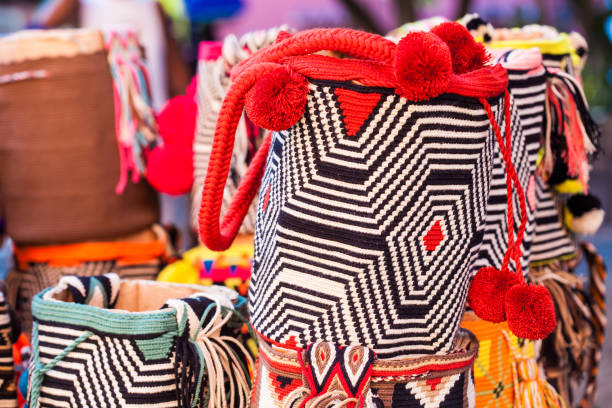
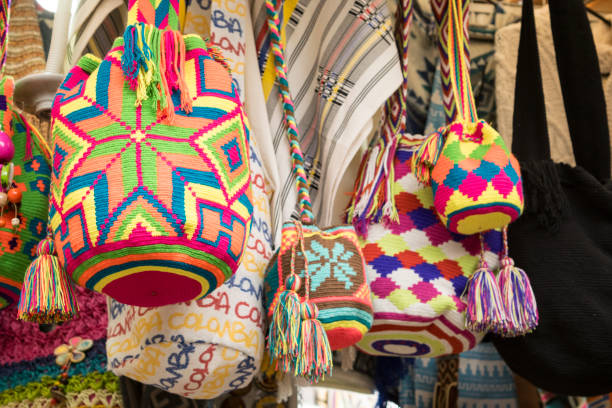
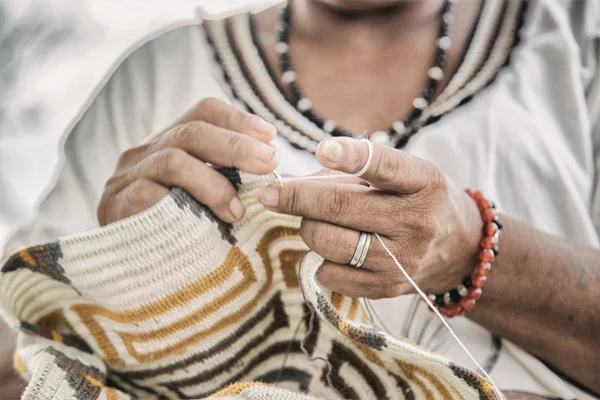
The quickest way to spot an authentic Wayuu bag is to look at the stitches. Since they are made by hand with a small hook, they always show the physical rhythm of the person who made them. These are details a machine simply can’t copy.
Texture and Symmetry
A real bag feels solid and textured, not flat like it came off a printer. When you run your hand over it, you’ll notice slight changes in how tight the stitches are. These tiny variations aren’t mistakes. They show the natural movement of the weaver’s hands, which is the most reliable sign of a handmade product. A machine-made bag looks suspiciously perfect and rigid, which is usually the first sign of a fake.
The Secret of Wayuu Thread
Authentic bags use a specialized thread produced locally in Colombia. It is a precise blend of 23% cotton for a soft touch and 77% polyester mixed with local plant fibers for extreme durability. This specific combination is lab-tested to reach a 99.5% colorfastness rating. Because of this high-performance Wayuu bags material, the colors are locked in so tightly that you can wash the bag with other clothes without any bleeding or pilling. If a bag feels flimsy or its colors run after getting wet, it is not made of the genuine fibers required for an authentic piece.
Single-Thread vs. Double-Thread Techniques
Both of these methods are traditional Wayuu crafts, but they serve different needs.
- Single-Thread (Unihilo): This is the premium version. It uses a single fine thread to create incredibly detailed, lightweight patterns. One bag represents 20 to 30 days of focused work.
- Double-Thread: This uses two threads at once, making the bag thicker and tougher. It’s a faster process (7 to 15 days), which makes it more affordable for everyday use.
Expert Tip: Don’t let anyone tell you one is “faker” than the other. Single-thread is simply rarer and requires a higher level of skill to finish.
Strap Quality and Braiding
The strap is where most fakes fail. On an authentic bag, the strap is hand-braided or loomed, giving it a strong but slightly springy feel. It should hold its shape even when the bag is full.
- Authentic Straps: Are hand-loomed or braided using complex manual techniques. They feel flexible yet extremely strong, with patterns matching the body’s quality.
- Fake Straps: Often feel stiff, synthetic, or display repetitive machine patterns. They tend to fray or sag excessively under load.
Step 2: Inspect the Bottom and the Shape
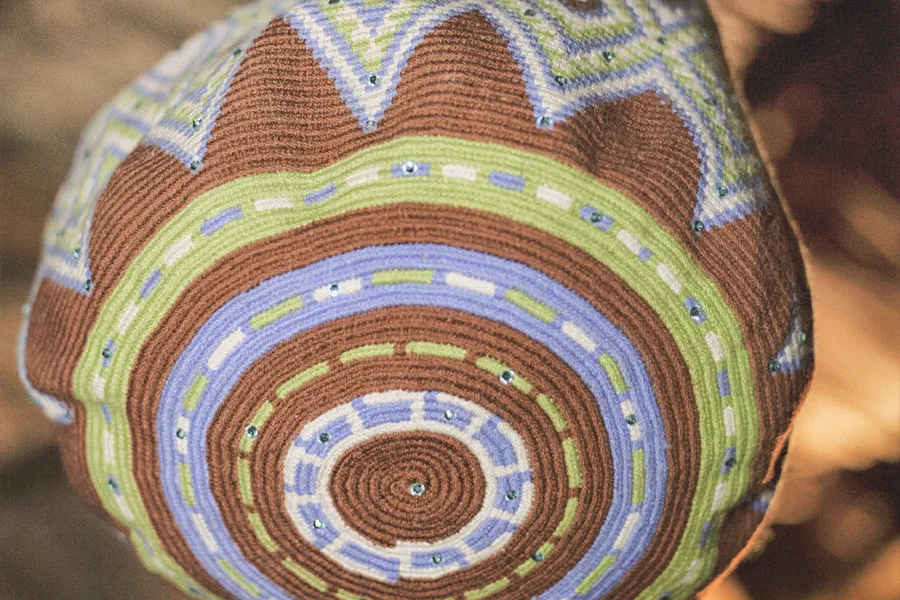
The bottom (base) of the bag shows you how the project started. It’s the foundation of the whole piece and is where most factory copies take shortcuts.
Natural Look of a Handmade Base
Wayuu weavers start from a tiny center point and spiral outward. Because they adjust every stitch by eye, the circle will have a natural, organic look.
- What to look for: Look for a slight waviness at the edges or a circle that isn’t a perfectly straight geometric shape.
- Red Flag: If the base is as flat and stiff as a cardboard coaster, it was likely pressed by a machine.
Simple Physical Checks
Use these three manual inspections to quickly separate human craft from factory production:
- The Balance Test: Place the bag upside down on a flat surface. Genuine bases often show minor tilting or small edge gaps because artisans manually adjust each stitch increase to expand the circle. If the bottom sits with mathematical precision and zero wobble, it likely suggests a machine-pressed replica.
- The Tension Test: Apply gentle pressure to the base to evaluate weave tension. Authentic bases feel resilient and firm, relying on tightly knotted strands rather than chemical stiffeners. Factory replicas often feel unnaturally rigid or flimsy, lacking the memory that allows a real bag to retain its shape.
- The Seamless Test: Inspect the transition where the base meets the body. Authentic bags are crocheted in one continuous piece, ensuring a seamless connection. If you spot heavy stitching, a rigid “step,” or signs of glue, the bag is likely a machine-made assembly rather than a hand-crocheted masterpiece.
Step 3: Verify Pricing, Origin, and Production Logic
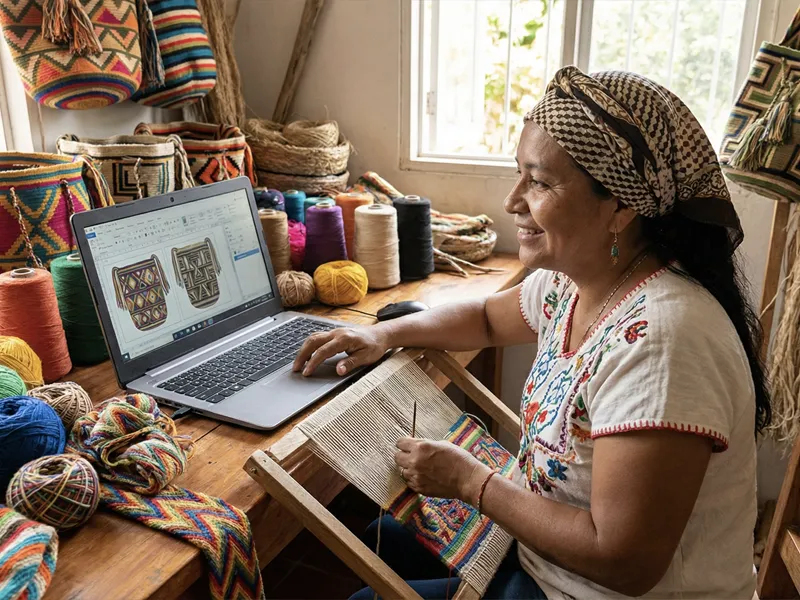
Real tribal art follows the rules of slow fashion, which means the price is a direct reflection of the weaver’s time. If a quote doesn’t account for the weeks of labor involved, the bag likely came from a factory rather than an artisan’s hands.
Understanding Industry Pricing Ranges
Pricing for a real Wayuu bag isn’t one-size-fits-all. Prices depend on the complexity of the bag pattern and the size of the bag, which can range from tiny mini-bags to large beach totes. Generally, you can expect to pay anywhere from $60 to $300 retail. While prices fluctuate, be very careful of deals below $40, as these rarely cover the cost of authentic labor and quality thread.
Where the Bag Actually Comes From
Authentic mochilas come from one place: La Guajira, Colombia, handmade by the indigenous Wayuu people. Always ask your supplier about their sourcing. Reliable suppliers can tell you about the specific weaving communities they partner with. If the bags are shipping from a mass-production factory outside of Colombia, they are almost certainly not authentic tribal art but machine-made copies.
Assessing Production Logic and Timing
Handmade art follows a slow fashion schedule. A single weaver needs one to four weeks to finish a bag, depending on its complexity. If a supplier promises thousands of identical, perfect bags with instant shipping, it’s a major sign of factory work. Real inventory comes in smaller, unique batches because no two weavers work at the exact same pace or style.
Where Can You Buy an Authentic Wayuu Mochila?
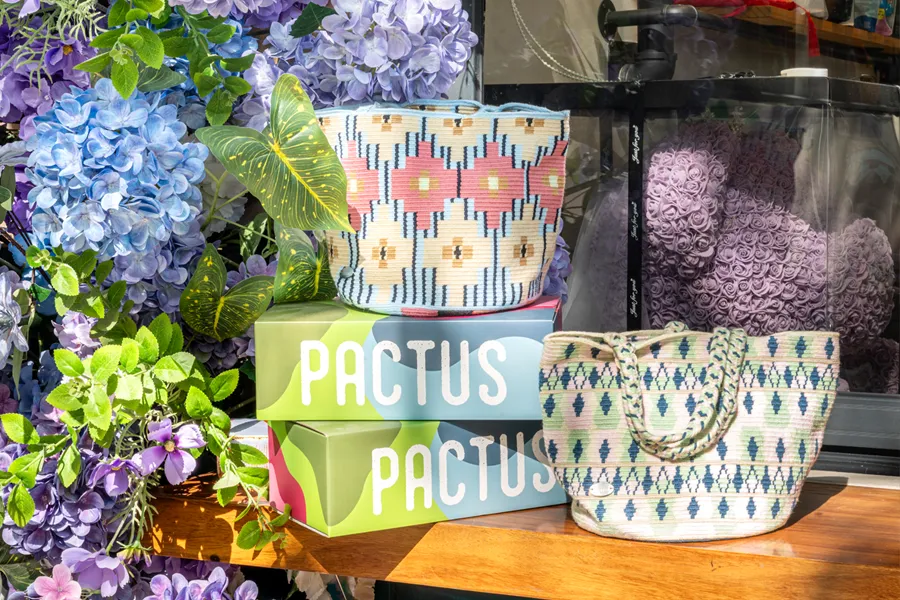
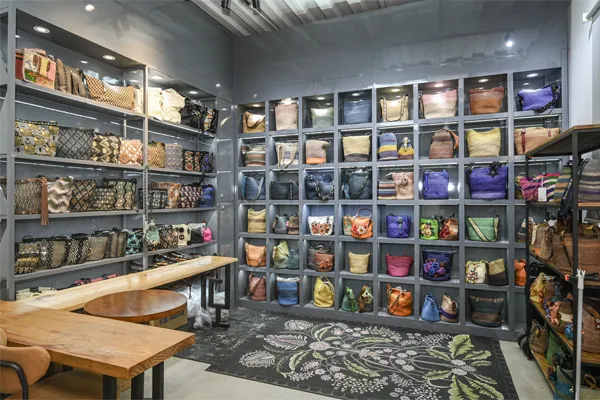
Finding a genuine bag means looking for sellers who actually know their weavers. For individual buyers, look for boutiques that specialize in fair-trade goods and can tell you about the community they support. It is best to avoid giant, “everything” marketplaces where it’s hard to track where the product actually started.
For retail owners, sourcing at scale is all about finding a clean supply chain. Platforms like Pactus connect you directly to pre-vetted Wayuu artisans in La Guajira. We handle the vetting, the quality checks, and the logistics. This allows you to fill your shelves with bags that are 100% authentic and provide a solid return for your business.
Final Thoughts
A real Wayuu bag carries the weight of the time and focus it took to create. It is a piece of work that stays with a customer for years. For shop owners, offering these authentic pieces builds a level of trust that you simply can’t get from selling fakes. When you choose the real thing, you ensure your money supports quality craftsmanship and the people who actually do the work.
At Pactus, we make the sourcing process clear and honest. We work directly with the weaving communities in Colombia to make sure every bag on your shelf is handmade and ethically sourced. We handle the difficult logistics in La Guajira so you can focus on running a business you’re proud of.
Ready to stock your shop with the authentic mochilas? Contact us today for verified, handmade Wayuu wholesale inventory.