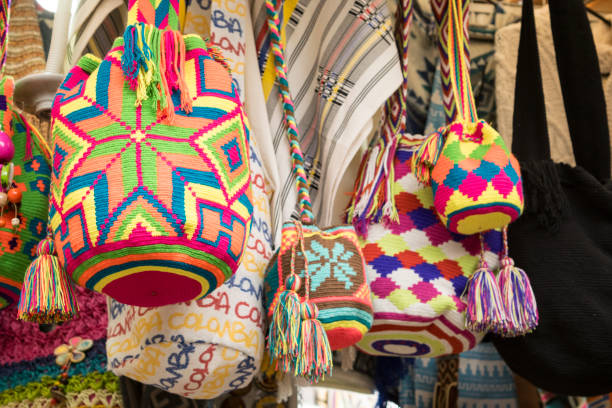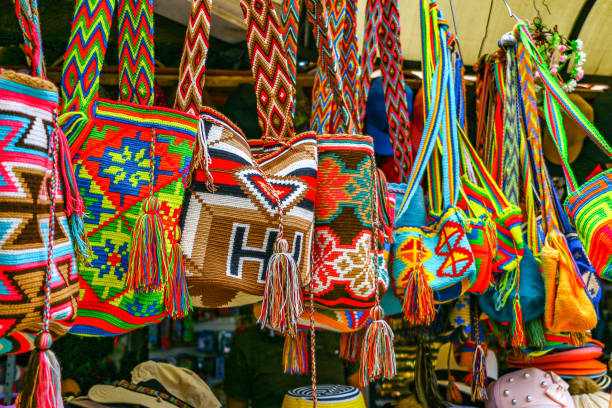
Wayuu bags are handcrafted pieces that reflect the culture and daily life of the Wayuu people in northern Colombia. Each bag is woven by hand, one at a time. The patterns and colors are not random—they carry meaning and often reflect the weaver’s personal style.
In this guide, we’ll show you how to spot authentic Wayuu bags, what makes them valuable, and how to avoid low-quality imitations. If you’re sourcing for retail or building a unique collection, this will help you make better decisions. Keep reading to understand what truly sets these bags apart.
What Are Wayuu Bags and Why Are They Unique
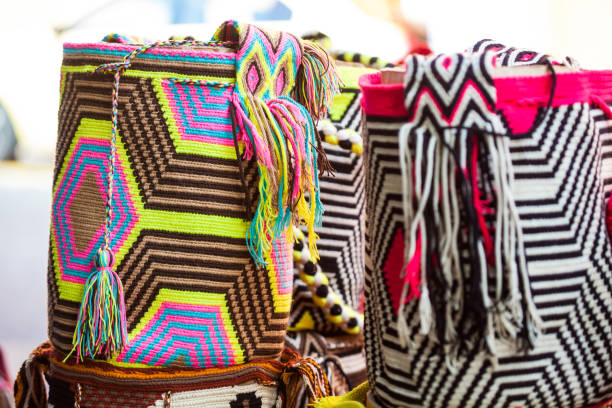
A Wayuu bag is a structural textile work created by the indigenous Wayuu people of the La Guajira desert. These bags are known locally as Susu and serve as durable companions for life in a harsh environment. Unlike standard crochet, they are built to be virtually indestructible. This rugged origin ensures every piece maintains its functional integrity regardless of the weight it carries or the conditions it faces.
The Engineering of Tapestry Crochet
The primary distinction lies in the tapestry crochet technique. Instead of loosely looping threads, weavers carry multiple inactive colored yarns inside each active stitch. This creates a dense fabric that feels like a solid canvas rather than a typical knit. Due to this construction, an authentic bag holds its geometric shape even when empty, a structural feat that mass-production factory machines cannot currently replicate with any accuracy.
The Gaza: A Hand-Loomed Component
The strap, known as the Gaza, is often more technically complex than the bag itself. These components are not crocheted but are hand-loomed using an ancient ply-split technique that requires immense physical tension. It can take several days of focused labor to finish this single part. The resulting strap is incredibly strong and will not stretch or snap, even after years of heavy and consistent use.
The 1 of 1 DNA
A final defining characteristic is the total absence of a blueprint or printed pattern. Wayuu women weave from memory and cultural intuition, meaning no two bags are ever identical. Every choice of color and stitch tension is unique to the individual artisan who created it. This inherent exclusivity makes each mochila a one-of-a-kind piece, offering a level of rarity that modern mass-market fashion cannot provide.
The Cultural Story Behind Wayuu Mochilas
Wayuu weaving traditions originate from the legend of Wale’Kerü, a spiritual spider who taught the first women to create intricate patterns. This skill remains a vital rite of passage passed down through maternal lineages to ensure lasting cultural survival. Every bag reflects a significant time investment that ranges from one week to over a month. This duration represents a commitment to precision rather than a lack of efficiency.
The complex geometric motifs decorating these bags are known as Kanaas and function as a sophisticated visual language. These designs represent specific elements of the natural world and indigenous cosmology, such as animal tracks or celestial bodies. Because each artisan weaves from memory rather than a template, every finished bag becomes a unique personal expression. This inherent exclusivity defines the true value and prestige of an authentic Wayuu mochila.
How to Identify an Authentic Wayuu Bag
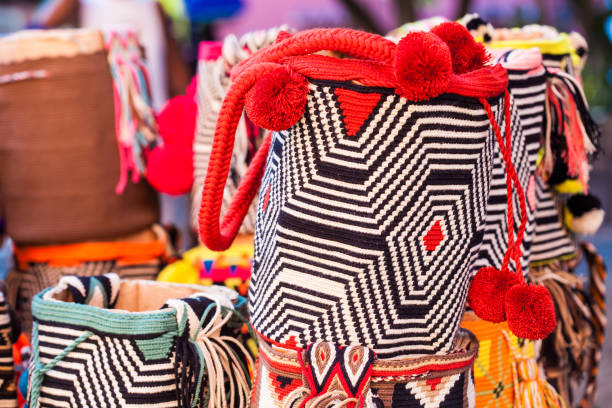
In 2026, the market is crowded with factory imitations that threaten the reputation of genuine craft. You need a sharp eye for technical markers to protect your investment. Authentic Wayuu bags have specific traits that mass production machinery simply cannot replicate. Learning these signs is your best defense against buying low-quality replicas. It ensures your collection meets luxury retail standards every time.
Check the Stitching
Authentic Wayuu bags use a tight tapestry crochet technique to create a dense fabric. When you look closely at the surface, you should see slight variations in the stitch tension. These tiny human touches prove a person made the piece. If the stitching looks perfectly uniform or feels like it came from an assembly line, it is likely a factory-made imitation rather than handcrafted.
Look at the Pattern Uniqueness
Genuine Wayuu artisans often weave from memory, but modern collections can be customized with repeating patterns upon request. Even in these cases, the hand-made process ensures that no two bags are ever truly identical in their stitch tension or color transitions. This subtle variation is a hallmark of authenticity. If you see hundreds of bags with perfect digital consistency, you are likely looking at factory imitations.
Feel the Material
You must check the fiber composition because authentic bags use a specialized thread produced only in Colombia. This local thread blends plant fibers with cotton and polyester for the perfect texture. A major technical advantage is the 99.5% color fastness that keeps the bag vibrant for years. If a bag feels like cheap industrial acrylic, it lacks the soul and durability of the real version.
Key Quality Factors That Affect Price and Durability
Single Thread vs. Double Thread Weaving
The choice between single and double thread techniques is a primary driver of wholesale pricing and structural density. Single thread weaving produces a high-density fabric with intricate pattern resolution that requires extensive manual labor over several weeks. Double thread versions offer a thicker and more robust texture that enhances the structural presence of the bag. Both methods deliver exceptional longevity but cater to different aesthetic and functional needs.
| Feature | Single Thread Specification | Double Thread Specification |
|---|---|---|
| Weave Texture | Fine and high density | Thick and structural feel |
| Visual Style | High definition detail | Bold and chunky patterns |
| Production Time | 20 to 40 days of labor | 7 to 12 days of labor |
| Market Value | Premium and labor intensive | Premium and durable strength |
Material Quality and Color Fastness
You must ensure your mochilas use the specialized Wayuu thread made from a blend of local plant fibers, cotton, and polyester in Colombia. This specific material is the absolute foundation of any authentic piece and justifies the higher price point over synthetic imitations. Its 99.5 percent color fastness ensures lasting vibrancy that common industrial yarns simply cannot match as the years go by.
Craftsmanship and Production Time
Production timelines provide the most accurate measure of the market value of a finished piece. A standard design might require one week of labor, while an intricate pattern can take over thirty days of continuous work. Because these bags are handmade, the artisan must maintain consistent stitch tension over hundreds of hours. This extreme labor intensity justifies a higher price point for authentic collections compared to mass-produced alternatives.
How to Choose the Right Wayuu Bag for Your Needs
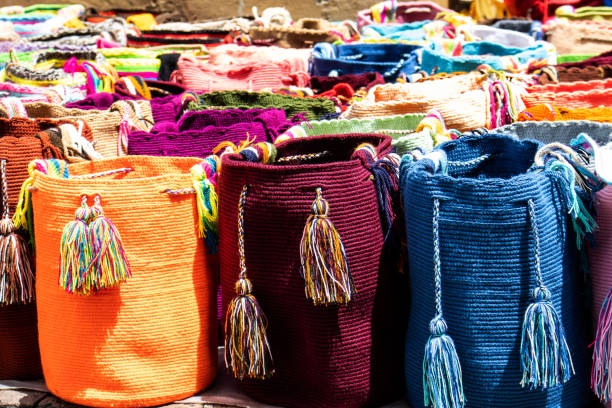
Selecting the perfect Wayuu bag is all about matching the bag’s shape and function to your daily life. Since you are already looking at authentic, hand-woven pieces, use these four steps to find your match.
1. Start with the Bag Shape
The shape defines how the bag looks on you and how you’ll use it.
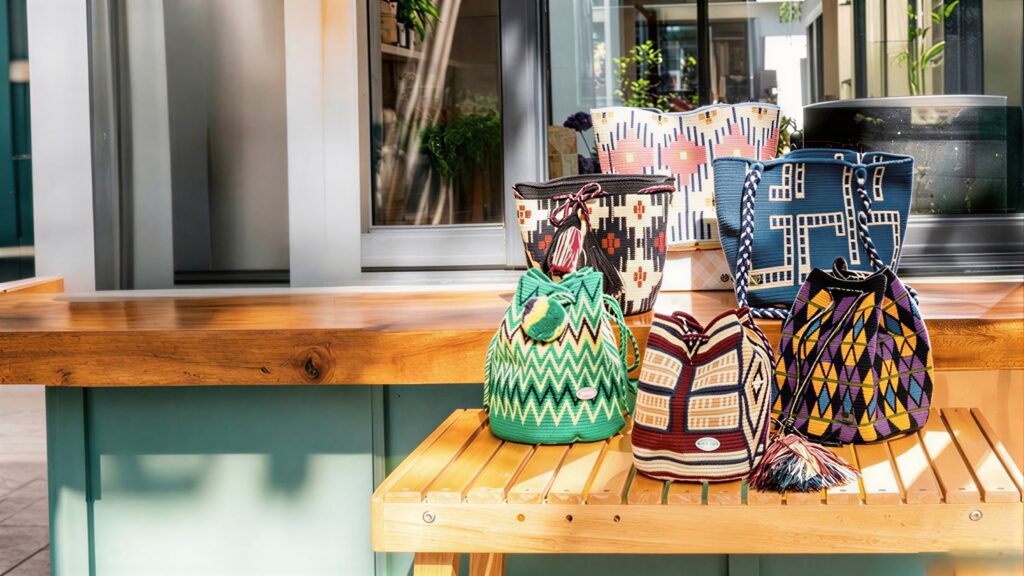
- The Classic Bucket (Mochila): This is the most iconic Wayuu shape. It has a round, sturdy bottom that allows it to stand up. It’s the best choice if you like a roomy, casual bag that can hold everything from a water bottle to a light jacket.
- The Flat Crossbody (Pouch): If you prefer a sleeker look, choose the flat pouch. It sits close to your body and doesn’t add bulk. It’s perfect for travel, festivals, or days when you want to move fast and light.
- The Tote or Handbag: These are modern variations with wider openings. They look a bit more formal than the bucket bag, making them a great choice for the office or a lunch date.
2. Consider the Strap and How You’ll Wear It
The strap (called a Gaza) is just as important as the bag itself.
- Crossbody: A long, wide strap is designed to be worn across the body. It’s the most comfortable way to carry weight for a long time while keeping your hands free.
- Shoulder Bag: A shorter strap allows the bag to sit right under your arm. This gives the traditional Wayuu bag a more “urban” and sophisticated feel.
- Hand-Held: Some smaller or more modern designs feature double handles, turning the Wayuu bag into a stylish artisanal purse.
3. Choose the Size for Your Essentials
Think about what you carry every day. Wayuu bags typically come in three main sizes:
- Large: Your “do-it-all” bag. It fits a tablet, a notebook, and all your daily essentials.
- Medium: The most popular choice for general use. It fits your wallet, phone, keys, and a small makeup bag without feeling heavy.
- Mini: Also known as a “Chila.” These are perfect for 2026 fashion trends—use them as a statement accessory to carry just your phone and cards.
4. Pick a Pattern That Fits Your Wardrobe
Finally, look at the colors and geometric designs (called Kanaas).
- Multi-Color Patterns: These are vibrant and bold. Pick one of these if you want the bag to be the “star” of your outfit.
- Single-Color (Unicolor): If you want something more versatile, a single-color bag highlights the beautiful texture of the weave and pairs easily with patterned dresses or professional clothes.
Final Thoughts
Authentic Wayuu bags are more than accessories—they are a blend of culture, skill, and practical design. Knowing their history, weaving methods, and materials helps you make smart choices. Whether for everyday use or building a collection, understanding craftsmanship ensures you pick bags that are durable, unique, and ethically made.
For those seeking high-quality, handcrafted Wayuu bags, Pactus offers expertly made pieces that respect tradition while providing premium finishes. Unique to Pactus is our remake service, allowing you to customize and upgrade authentic bags in ways other producers cannot.
Ready to elevate your collection with truly bespoke artisan pieces? Contact us today to explore your options.