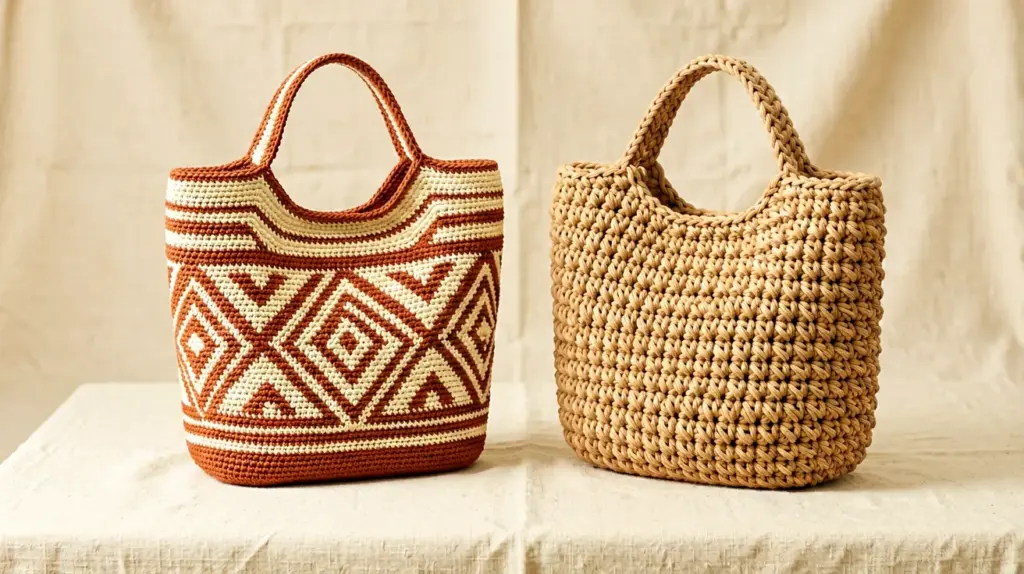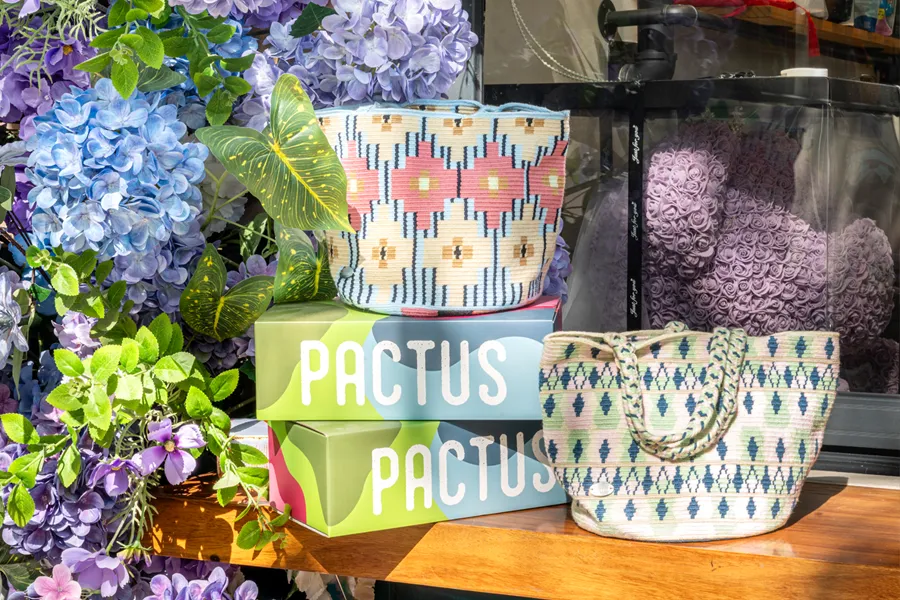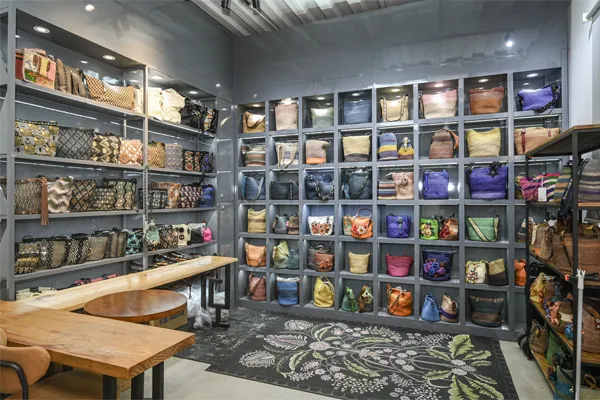
Choosing between cotton and acrylic yarn for handmade bags can influence product durability, customer satisfaction, and brand positioning. The right fiber selection helps manufacturers balance shape retention, appearance, maintenance needs, and production costs based on the intended bag design.
This guide compares cotton and acrylic yarn based on practical factors such as strength, stretch behavior, surface appearance, and maintenance. These differences can help designers, brands, and buyers select suitable materials for different handmade bag collections.
Why Yarn Choice Matters for Handmade Bags
Yarn choice dictates a handmade bag’s structural lifespan, surface resilience, and market value, directly separating premium artisanal products from low-grade, sagging disposables.
Selecting the wrong yarn choice for handmade bags can cause handles to stretch permanently and bodies to sag within weeks of use. To construct a reliable retail-grade bag, we must analyze the structural and material differences between fibers.
Structural Integrity and Weight-Bearing Performance
Cotton offers low-stretch, rigid fiber stability that prevents bags from sagging under the weight of books, laptops, or daily groceries. This structural defense keeps the bag body close to its original dimensions under load.
In contrast, acrylic features a natural elasticity that causes bags to stretch and distort permanently when carrying heavy items. The synthetic fibers lack the structural memory to bounce back from stress.
Makers can adjust stitch tension and use a smaller hook size to reduce synthetic stretch. Even with these modifications, cotton remains the reliable standard for weight-bearing bases and handles.
Surface Durability and Pilling Resistance
Cotton fibers possess high tensile strength and resist abrasion along high-contact zones like handles, straps, and bottom corners. This resilience ensures the outer shell handles daily friction without wearing thin.
Acrylic fabric tends to pill and develop a fuzzy texture over time due to constant rubbing against clothing. This friction creates small fiber tangles that degrade the neat, professional look of the bag.
Mercerized cotton undergoes a specialized treatment that improves fiber strength, smoothness, and luster. This process can enhance stitch definition and create a cleaner surface appearance for handmade bags.
Stitch Definition and Aesthetic Outcomes
Crisp cotton strands provide high stitch definition, making intricate stitch patterns, cables, and relief textures stand out cleanly. It gives the finished product a polished, store-bought look.
Lofty acrylic fibers can soften or blur fine details. This loft yields a relaxed, casual aesthetic that works for slouchy designs but fails when structural sharpness is required.
Cotton delivers a classic matte appearance or a subtle sheen. Acrylic provides exceptional colorfastness, delivering vibrant, fade-resistant shades that maintain their initial saturation over time.
What Is Cotton Yarn?
Cotton yarn is a natural, low-stretch fiber that provides the structural integrity, durability, and stitch definition necessary for load-bearing handmade bags.
Key Physical Properties for Bag Making
Designing functional accessories requires materials that withstand constant mechanical stress. Cotton yarn outperforms synthetic alternatives because of its specific physical attributes:
- Minimal Elasticity: Cotton contains almost zero natural stretch. This stability prevents finished bags and straps from sagging or permanently lengthening when carrying heavy loads.
- Pilling Resistance: The long, cohesive natural fibers resist surface abrasion. This high tensile strength ensures the bag retains a clean, smooth appearance over years of daily wear.
- High Density: The compact fiber structure adds a firm, substantial weight to the design. This extra heft provides excellent structural rigidity and produces exceptionally crisp stitch definition for textured patterns.
Common Yarn Types and Structural Constructions
Makers select specific yarn constructions to meet the aesthetic and load-bearing needs of each private label design:
- Mercerized Cotton: A chemical treatment swells the natural fibers, providing greater tensile strength, an appealing surface luster, and enhanced resistance to mold and moisture.
- Multi-Ply, Tightly Twisted Constructions: Plying multiple strands together under high tension maximizes abrasion resistance. This structural choice reduces fabric gapping when the bag carries weight.
- Specialty Blends: Combining cotton with linen increases fabric rigidity, while jersey T-shirt yarns offer structural flexibility and modern design options.
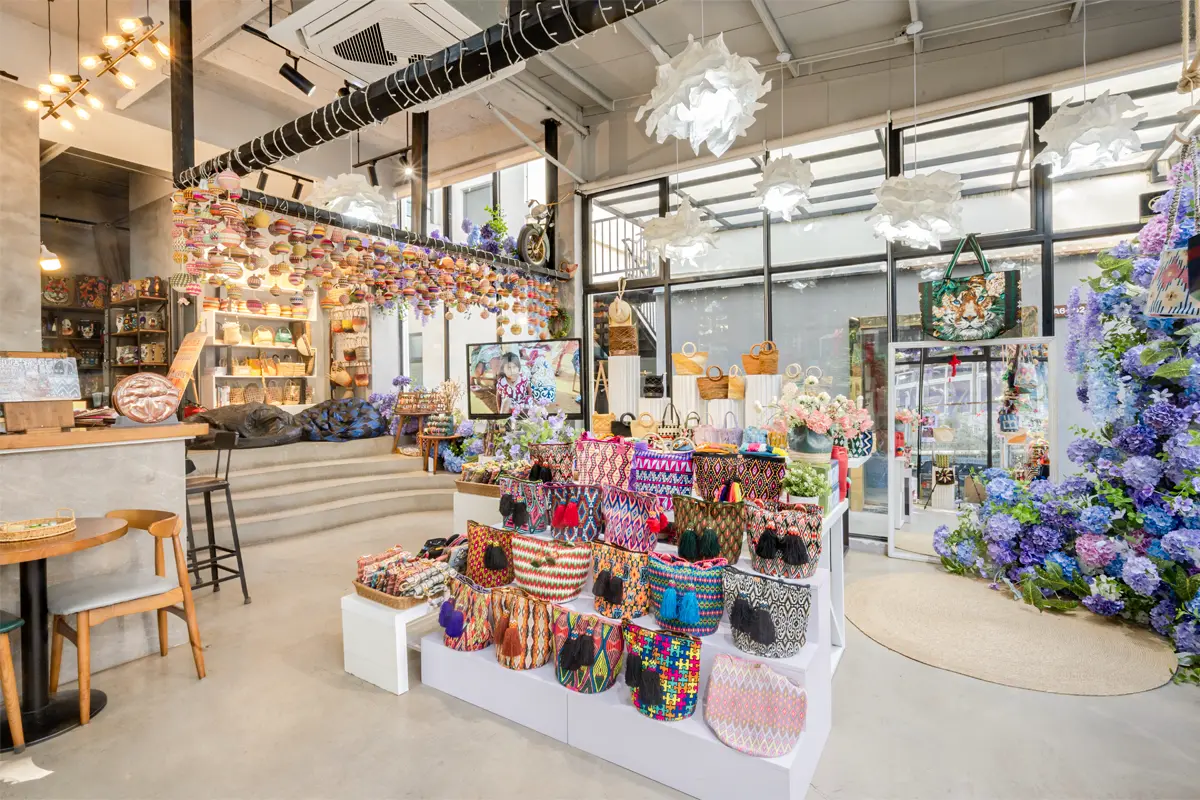
High-Margin Luxury Remake Wayuu Bags
What Is Acrylic Yarn?
Acrylic yarn is a lightweight, weather-resistant synthetic fiber that offers high colorfastness for handmade bags but requires structural reinforcement to prevent load-induced sagging.
If you are designing a handmade bag, choosing acrylic yarn immediately changes how the final product handles daily wear, weight, and wet environments. Unlike natural fibers, this synthetic alternative responds differently under mechanical stress, forcing makers to adapt their stitch tension and pattern designs.
Physical Strength and Structural Behavior under Load
Acrylic fibers offer good tensile performance and color retention, making them suitable for lightweight bags and designs that require bright, long-lasting colors. Their resistance to moisture and sunlight exposure can be an advantage in certain outdoor applications.
Yet, the inherent elasticity of the fiber introduces a structural challenge. The fabric stretches under heavy loads, meaning you must use dense stitch patterns or fabric linings to prevent the bag from sagging or losing its shape over time.
Durability, Washability, and Surface Wear
The machine-washable composition resists shrinkage and felting, ensuring bags retain their original dimensions after cleaning. This makes the material highly practical for utility items that require frequent laundering.
Constant friction causes surface pilling and snagging over time, particularly on high-wear areas like bag bases and handles. Despite this surface wear, high colorfastness maintains bright, saturated hues and gradient patterns without fading from sun exposure or washing.
Environmental Profile and Sustainability Factors
The non-biodegradable plastic composition of these synthetic fibers means discarded bags persist in landfills indefinitely. Laundering these bags also releases microplastics into wastewater systems, raising long-term ecological concerns.
거꾸로, the hypoallergenic and animal-free properties of the material provide a practical, vegan alternative to wool and traditional animal fibers, appealing directly to cruelty-free consumer segments.
Cotton vs Acrylic: Key Differences
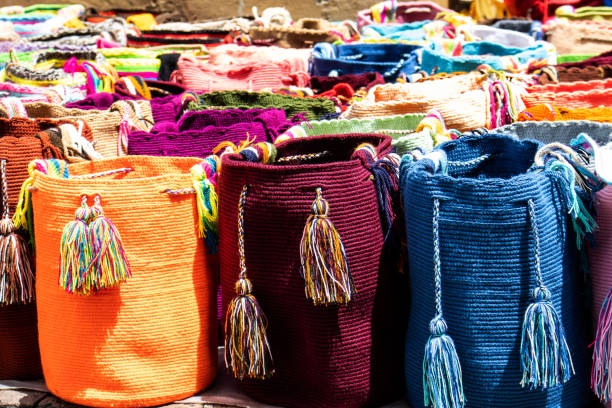
Choosing between cotton and acrylic for handmade bags directly impacts structural integrity, pilling resistance, and retail value, making material selection a core business decision.
Can a handmade bag carry daily essentials without permanently stretching out of shape? When comparing cotton vs acrylic, this structural question determines whether your finished product maintains its retail value or distorts under load.
| Performance Metric | Cotton Yarn | Acrylic Yarn |
|---|---|---|
| Elongation & Stretch | Minimal stretch; maintains stable dimensions under heavy weight. | Highly elastic; more prone to stretching under load. |
| Surface Finish & Wear | Highly pill-resistant; stays smooth over years of handling. | Prone to pilling; develops a fuzzy, worn appearance under friction. |
| Weight & Comfort | Denser and heavier; cool and breathable against bare skin. | Lightweight; non-breathable feel that traps warmth and sweat. |
| Sustainability Profile | Natural plant-based fiber; fully biodegradable. | Fossil-fuel-derived synthetic; sheds microplastics. |
Structure, Stretch, and Shape Retention
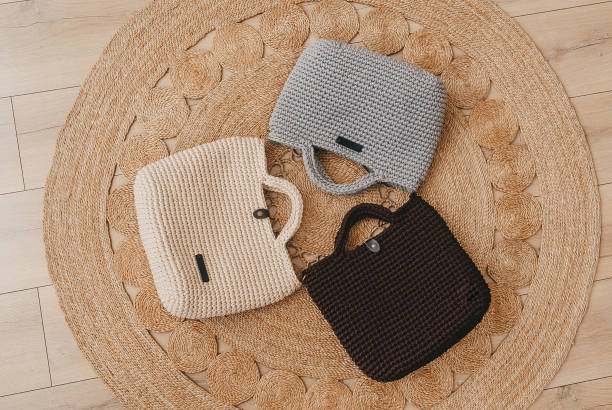
Cotton provides a highly stable foundation. Because natural cellulose possesses near-zero elasticity, cotton bags keep their shape under load. We recommend 100% cotton for boxy handbags, laptop sleeves, and heavy-duty market totes to prevent sagging.
Acrylic yarn generally has higher elasticity than cotton, which may cause straps to stretch and bag bodies to lose shape when carrying heavier loads. Proper yarn selection and bag construction can help improve shape retention.
This elasticity suits slouchy hobo-style designs where rigid form is unnecessary. If the design relies on textured cables or complex relief patterns, cotton’s crisp stitch definition highlights the work far better than loftier synthetic options.
Durability, Pilling, and Surface Finish
Daily carry accessories face continuous friction against clothing and surfaces. Cotton excels here, offering high abrasion resistance and a naturally pill-resistant surface. Standard daily use of a mercerized cotton bag shows minimal surface wear even after months of constant handling.
Acrylic fibers are highly resilient mechanically but fail visually under friction. Surface rubbing quickly breaks the synthetic filaments, forming unsightly pills and giving straps a fuzzy, worn-out appearance.
Brands using acrylic can protect high-touch areas by selecting premium, anti-pilling acrylic variants. However, for a premium look that stays smooth over years, cotton remains the industry benchmark.
Weight, Comfort, and Moisture Behavior
Cotton yarn is physically denser and heavier than its synthetic counterpart. A large cotton tote will weigh noticeably more when empty, but the weight adds stability and a reassuringly solid structure.
Acrylic provides a lightweight alternative. Large-format bags and children’s accessories benefit from this lower base weight, reducing carry fatigue.
The two fibers behave differently in changing climates. Cool, breathable cotton feels comfortable against bare skin in warm weather, but absorbs water rapidly and stiffens when wet. Hydrophobic acrylic repels moisture and dries quickly, yet traps heat against the body when carried close.
Cost, Maintenance, and Environmental Impact
Pricing directly influences product margins. Cotton is a premium natural fiber that commands higher upfront costs, especially for organic or GOTS-certified lines. This expense supports high-end brand narratives and justifies premium retail pricing.
Acrylic offers a budget-friendly option for mass-market collections. It resists fading in sunlight and survives standard washing machines without shrinking. However, as a petrochemical-based material, it is non-biodegradable and releases persistent microplastics during laundering.
To bridge the gap, brands often employ a hybrid strategy based on fiber composition:
- 100% Cotton: Ideal for structured everyday totes and premium handbags.
- 100% Acrylic: Suitable for lightweight seasonal collections, casual bags, or designs that prioritize color variety and cost efficiency.
- 65/35 Cotton-Acrylic Blend: Keeps weight low and prices accessible while preserving structural integrity.
Evaluating these characteristics allows brands to select the precise fiber that aligns with their cost targets, structural demands, and ecological commitments.
Durability Comparison
Cotton yarn provides superior structural integrity and minimal stretch for load-bearing bags, while synthetic acrylic fibers stretch permanently and pill quickly under daily abrasion.
Can your handmade bags carry heavy daily items without stretching to the ground? This cotton vs acrylic yarn durability comparison shows how fiber mechanics dictate real-world bag performance.
Tensile Strength and Stretch Recovery
We measure a yarn’s utility by how it responds to gravity under load. Tightly twisted, multi-ply cotton remains the standard choice for load-bearing totes that must retain their original dimensions.
- Tensile Strength: 100% cotton yarn provides high tensile strength, allowing the bag to bear heavy weight without snapping.
- Elastic Stretch: Acrylic fibers have higher elasticity than cotton, which may affect the bag’s shape retention when exposed to repeated or heavier loads.
- Stretch Recovery: Cotton has near-zero elasticity, whereas acrylic fails to bounce back, which often leads to permanent, non-recoverable sagging over time.
Choosing 100% cotton ensures the bag handles heavy daily contents like books and laptops without dragging on the pavement after a few weeks of use.
Abrasion Resistance and Surface Pilling
Bags constantly rub against hips, car seats, and tables. Smooth cotton fibers offer high friction resistance, preventing the surface wear and pilling common in high-use accessories.
Acrylic yarns behave differently under friction. The synthetic strands snag and pill easily, causing a fuzzy, worn appearance on bag bottoms, corners, and handles within months of steady use.
For premium bag collections, mercerized cotton offers enhanced resistance to friction. The chemical treatment locks down stray fibers, maintaining sharp, clear stitch definition through years of handling.
Structural Stability and Shape Retention
A bag’s silhouette defines its aesthetic value. Cotton supports sharp edges, flat bottoms, and firm sides, making it ideal for structured handbags and laptop sleeves that must stand upright on their own.
Acrylic lacks this natural rigidity. Unlined acrylic bags sag and lose their silhouette completely when carrying basic daily essentials, shifting into a slouchy, unstructured form.
For makers seeking a balance between structure and softness, cotton-rich blends are a practical choice for handmade bags. They provide better shape retention than acrylic-dominant yarns while maintaining a softer feel.
Color Retention and Weather Resistance
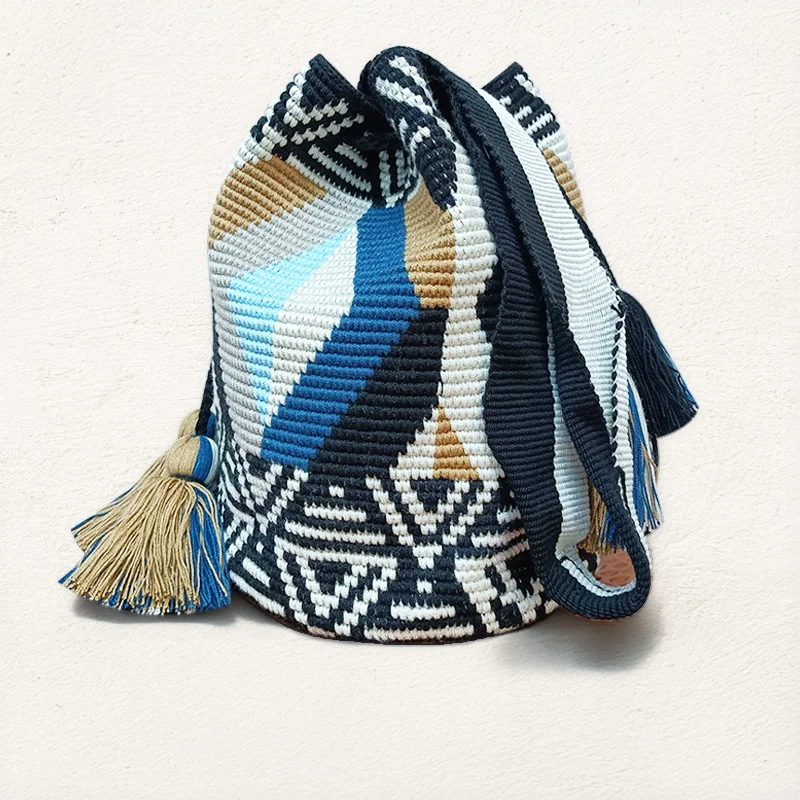
Acrylic yarns deliver superior outdoor weather resistance and color fastness, while natural cotton requires specialized dye methods to survive prolonged solar and moisture exposure.
How does a handmade bag look after six months of exposure to direct sunlight, beach humidity, and weekly wash cycles? Color retention and weather resistance determine whether your design maintains its premium aesthetic or turns into a faded, saggy liability.
Moisture Absorption, Humidity, and Mildew Resilience
Bags do not just stay in dry showrooms; they face rain, humidity, and accidental spills. Moisture management is critical to prevent color bleeding and fabric rot.
- Hydrophilic Cotton: Hydrophilic cotton fibers quickly absorb rain and ambient humidity, which can cause dye migration, water rings, and mildew growth.
- Hydrophobic Acrylic: Hydrophobic acrylic yarns dry rapidly and naturally repel mold, protecting bag aesthetics in humid, tropical, or rainy coastal climates.
- Wet-Dry Cycles: Repeated wet-dry cycles accelerate the physical wear and color breakdown of natural cotton, while acrylic maintains its structural and aesthetic properties.
Wash Fastness and Everyday Laundering Durability
Laundering is a major friction point for consumers. The ease of cleaning a bag without destroying its visual appeal dictates real-world customer satisfaction.
- Direct-Dyed Cotton Weakness: Direct-dyed cotton bags suffer from poor wet fastness, leading to color bleeding and rapid fading during standard laundry cycles.
- Acrylic Laundering Resilience: Acrylic fabrics maintain excellent colorfastness in both dry and damp conditions, resisting color loss even when cleaned with dilute bleach solutions.
- Cotton Washing Constraints: Cleaning cotton bags requires cool washes, mild detergents, and shaded line-drying to preserve delicate color shades.
Strategic Yarn Selection and Finishing Guidelines for Designers
Designers must align fiber capabilities with real-world bag usage. Implementing specific design safeguards protects brand reputation and product life.
- High-Contrast Designs: Select solution-dyed or UV-stabilized acrylic yarns for high-contrast patterns, graphic logos, and bags expected to sit in hot cars or sunny patios.
- Cotton Tone Selection: Utilize pastel, medium, or vat-dyed shades when designing with cotton to make gradual UV fading less obvious to the consumer.
- Labeling Instructions: Provide clear care labels recommending shaded air-drying for cotton items and low-temperature washing for acrylic items to prevent fiber distortion.
Comfort and Sustainability Considerations
Choosing between cotton and acrylic yarn dictates the physical comfort, structural lifespan, and environmental footprint of handmade bags.
Evaluating the comfort and sustainability of handmade bags requires a direct look at how cotton and acrylic fibers perform under real-world conditions. These material choices dictate whether a strap irritates bare skin or how the fabric behaves at the end of its lifecycle.
Skin Feel, Breathability, and Moisture Regulation
When a crossbody or shoulder bag rubs against your skin in warm weather, the fiber’s moisture regulation determines the overall tactile experience.
- Hypoallergenic Contact: Cotton provides a naturally soft, hypoallergenic surface that permits continuous air circulation, making it ideal for sensitive skin and summer carry.
- Heat and Sweat Trap: Acrylic forms a synthetic, petroleum-based barrier that blocks airflow, trapping heat and sweat, which can trigger skin irritation during direct contact.
- Moisture Handling: Cotton actively absorbs moisture and dissipates heat to keep handles dry, while acrylic repels water, leaving straps feeling clammy in humid climates.
Structural Integrity, Weight, and Shape Retention
A bag must carry weight without turning into an elongated, unusable sack. The internal mechanics of each fiber govern how the bag handles gravity over time.
- Load Stability: Cotton yarn yields dense, heavy fabric with almost zero stretch, allowing the bag to support heavier everyday items without sagging.
- Elastic Distortion: Acrylic creates incredibly lightweight bags, but its high elasticity causes the body and straps to stretch permanently under load unless reinforced with a fabric lining.
- Maintenance Trade-offs: Cotton demands careful washing because of its tendency to shrink and wrinkle, whereas acrylic maintains high color fastness and holds its dimensions after machine washing.
Microplastic Pollution and Biodegradability
The environmental impact of material choices continues beyond the active life of a bag. Fiber composition influences how products interact with washing systems and end-of-life disposal.
- Microplastic Shedding: Acrylic textiles can release synthetic microfibers during washing. The amount varies depending on fiber structure, fabric construction, and washing conditions.
- Natural Decomposition: Cotton is a biodegradable natural fiber that can break down over time under suitable environmental conditions.
- Landfill Persistence: Acrylic is a petroleum-based synthetic fiber that does not readily biodegrade and may remain in the environment for extended periods after disposal.
Which Yarn Fits Different Bag Collections?
Matching fiber properties to structural demands guarantees that your bag collections hold their shape, resist wear, and align with target market expectations.
How do you stop a crocheted tote from dragging on the pavement once a customer loads it with groceries? The yarn choice for different bag collections dictates whether your designs maintain structural integrity or sag into unusable shapes. Selecting the wrong fiber leads to rapid wear, complaints, and product returns.
Utility Totes and Heavy-Duty Market Bags
Heavy utility totes demand materials that will not yield under pressure. Using the wrong fiber leads to immediate handle elongation and misshapen bases when subjected to daily weight.
- 100% Cotton: Serves as the ideal choice for heavy-use totes and market bags because it prevents sagging when loaded.
- Mercerized or Multi-Ply Cotton Yarns: Resist friction and pilling at critical stress areas like handles and bases.
- Acrylic Restrictions: Keep acrylic restricted to decorative accent stripes or blended with cotton to avoid excessive stretching under weight.
Restricting the foundation to strong cotton variants prevents permanent distortion during demanding daily use.
Structured Handbags, Shoulder Bags, and Premium Lines
Modern, geometric designs require a stiff, uncompromising canvas. A slumped bag loses its high-end retail appeal the moment it is placed on a shelf.
- Stitch Clarity: Firm cotton cords and mercerized cotton provide the crisp stitch definition required for modern, geometric handbag silhouettes.
- Slumping Risks: Pure acrylic bodies risk slumping and stretching out of shape, making them unsuitable for structured work or city bags.
- Premium Positioning: High-quality cotton aligns with luxury and premium brand positioning, delivering a clean, long-lasting surface finish.
B2B buyers pay a premium for crisp, defined details that hold up after months of active wear.
Summer Collections, Beach Bags, and Leisure Lines
Sand, moisture, and intense sun present a unique set of challenges that quickly degrade standard fibers.
- Moisture Resistance: Multi-ply cotton-rich blends offer reliable moisture and abrasion resistance for active outdoor and beach use.
- UV Stability: Cotton-acrylic blends leverage acrylic’s exceptional colorfastness to maintain bright, sun-resistant summer designs.
- Sand Barriers: Tightly twisted cotton yarns keep sand from easily penetrating the bag’s structural weave.
Using dense, multi-ply cotton or strategic blends provides the best balance between color longevity and physical resilience in coastal environments.
Lightweight Crossbody Bags, Evening Purses, and Trend Pieces
Smaller fashion accessories prioritize drape, comfort, and immediate visual appeal over heavy load capacity.
- Friction Durability: Cotton provides a robust, durable foundation for small, everyday crossbody bags that face constant contact with the body.
- Soft Silhouette: Acrylic and acrylic-rich blends suit soft, slouchy hobo bags where drape matters more than structural rigidity.
- Color Experimentation: Budget-friendly acrylic yarns allow designers to experiment with highly seasonal color trends and texture variations in evening clutches.
Lower stress requirements in these categories allow you to shift focus toward color range and rapid product development cycles.
How Professional Buyers Evaluate Yarn Quality
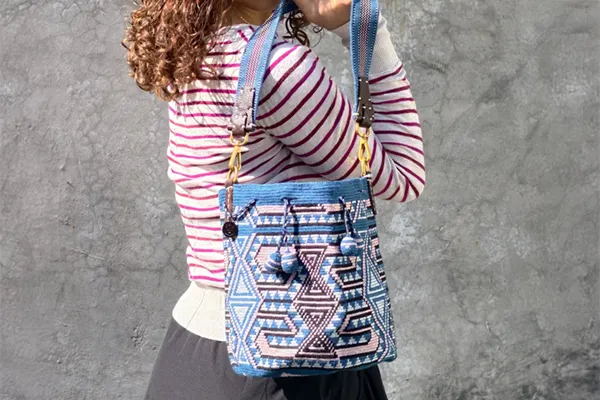
Professional buyers evaluate yarn quality by considering fiber properties, craftsmanship, supplier consistency, and the final application of the bag. These factors help balance durability, appearance, and market expectations.
Evaluating yarn quality for handmade bag collections requires balancing material performance with craftsmanship and design requirements. Professional buyers consider factors such as durability, shape retention, surface appearance, and how well the material supports the final bag style.
Core Performance Priorities for Load-Bearing Bag Applications
The structural integrity of a load-bearing bag relies entirely on how the fabric handles gravitational stress. Buyers evaluate mechanical thresholds to ensure the product remains functional throughout its lifecycle.
- Tensile Strength & Elongation: Testing the break limits prevents bag sagging and structural deformation under heavy daily loads.
- Fiber Shape Retention: Cotton offers high dimensional stability under load, whereas acrylic fibers tend to stretch and grow permanently over extended use.
- Surface Abrasion: Friction testing ensures the bag handles contact with clothing and ground surfaces without developing pills or a fuzzy texture.
- Stiffness Profiles: Mechanical evaluation separates the rigid requirements of boxy, self-standing handbags from the pliable needs of slouchy market totes.
Material Quality Considerations for Handmade Bag Sourcing
After evaluating yarn performance, professional buyers also consider how materials, craftsmanship, and production consistency influence the final bag quality. For handmade bags, fiber selection is only one part of the process — weaving techniques, construction methods, finishing details, and supplier experience all affect durability and customer satisfaction.
- Material Consistency: Reliable suppliers maintain consistent yarn quality, colors, and textures across different production batches to ensure a stable collection appearance.
- Craftsmanship Standards: Handmade techniques, stitch density, and structural reinforcement determine how well the bag maintains its shape during daily use.
- Design Adaptability: Different yarn characteristics should match the intended bag style, from structured handbags to lightweight crossbody and seasonal collections.
- Supplier Experience: Brands benefit from working with suppliers who understand material selection, artisan craftsmanship, and market requirements when developing customized handmade bags.
자주 묻는 질문
Sourcing decisions between cotton and acrylic yarn for handmade bags directly dictate your product’s structural stability, aesthetic lifespan, and target margins. Below, we address the exact performance, care, and cost questions professional buyers must answer before specifying materials.
Which yarn is better for handmade bags, cotton or acrylic?
Cotton yarn is the superior option for functional, load-bearing handmade bags like totes, backpacks, and market bags. It offers minimal stretch and high shape retention, keeping straps and bag bodies from sagging under weight. Acrylic stretches easily under loads, making it better for slouchy, 경량, or decorative bags.
What yarn is used for authentic Wayuu bags?
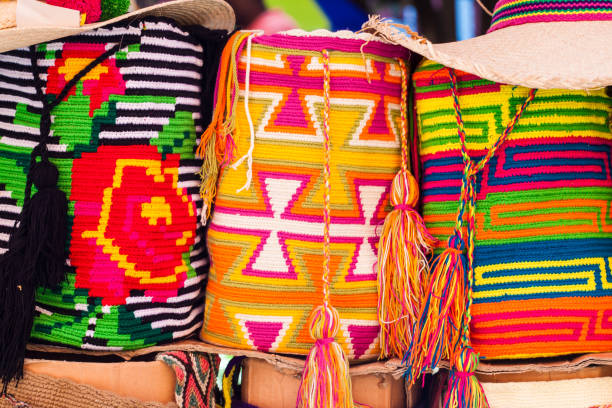
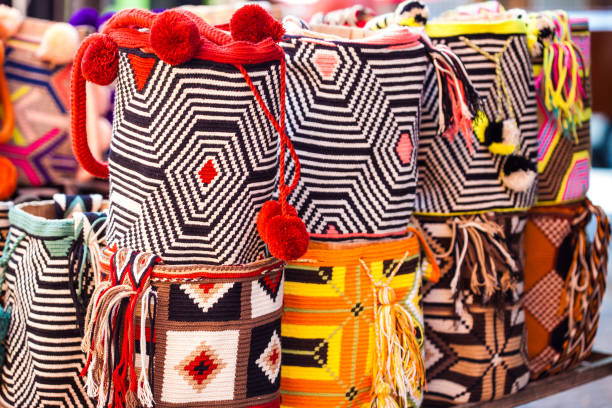
Modern Wayuu artisans predominantly use 100% acrylic yarn for their crocheted mochilas. While traditional bags historically used natural wool and cotton, modern weavers switched to synthetic acrylic due to local regional availability, lower costs, and the need for highly saturated, sun-resistant colors that preserve geometric designs.
Does acrylic yarn last longer than cotton in bag making?
Cotton bags outlast acrylic bags in real-world use. Cotton holds its structural integrity and looks clean for five to seven years. Acrylic yarn typically shows structural and aesthetic wear, like heavy surface pilling and handle elongation, within three to five years.
Is cotton stronger than acrylic for carrying heavy loads?
Cotton provides greater functional strength for bags because it resists stretching under physical tension. Although technical lab tests show synthetics like acrylic have high raw breaking strength, acrylic bags deform and stretch permanently under the weight of books or groceries, reducing their practical utility.
Which fiber resists sun fading better?
Acrylic yarn resists sunlight fading much better than cotton. Cotton, a natural cellulose fiber, degrades and loses color quickly when exposed to UV rays. Synthetic acrylic, especially solution-dyed varieties, locks pigment directly into the fiber core, allowing the bag to survive years of direct sun exposure.
Is acrylic yarn waterproof for outdoor bags?
Acrylic is hydrophobic and water-resistant, meaning it repels water and dries much faster than absorbent cotton. It is not waterproof, though. Because handmade bags feature knitted or crocheted stitches, water easily passes through the fabric gaps during heavy rain.
Which material is easier to wash and clean?
Acrylic yarn is easier to wash because you can machine wash and tumble dry it on low heat without risking shrinkage. Cotton yarn requires careful washing in cool water on a gentle cycle, followed by flat air drying to prevent the bag from shrinking, losing its shape, or bleeding color.
Can you make high-quality structured bags out of cotton?
Cotton is the premier choice for making high-quality, professional handmade bags. Using tightly twisted, multi-ply mercerized cotton ensures a smooth, lustrous finish and exceptional stitch definition, giving handbags and totes a polished and structured look.
Which yarn works best for summer beach bags?
Cotton yarn works best for beach bags because it handles heavy, wet towels and supplies without sagging out of shape. While cotton absorbs water, lining the bag and using compact stitches solves this issue. Acrylic bags stretch permanently under heavy beach loads and pill rapidly when rubbed against sand and clothing.
Does acrylic yarn pill easily over time?
예, acrylic yarn is highly prone to pilling. Friction on the straps, corners, and bottom of the bag causes short synthetic fibers to loosen and tangle into small balls. Because acrylic is exceptionally strong, these pills stay locked onto the surface rather than shedding, resulting in a fuzzy appearance.
Which yarn is the more sustainable option?
Cotton yarn, especially certified organic cotton, is far more sustainable than acrylic. Cotton is renewable and biodegradable, whereas acrylic is a petroleum-derived plastic that takes up to 200 years to decompose. Acrylic also sheds hundreds of thousands of microplastics into the water supply with every wash.
Which fiber is more expensive to source?
Cotton yarn carries a higher price tag than acrylic. While budget-friendly synthetic acrylic yarn remains cheap to mass-produce, high-quality cotton—especially organic or mercerized variants—requires more extensive processing, raising material costs for handmade bag projects.
How should private label brands choose yarn for their bags?
Private label brands should specify 100% mercerized cotton in medium or bulky weights for structured, premium, and everyday load-bearing bags. Brands can utilize acrylic or cotton-acrylic blends for occasional-use, 경량, or highly price-sensitive seasonal collections where cost control is the primary driver.
최종 생각
Choosing the right yarn is an important step in developing durable handmade bag collections. While synthetic fibers can offer cost and color advantages, material quality, craftsmanship, and construction methods all influence the final product performance. Selecting suitable materials helps brands maintain better shape retention, product consistency, and customer satisfaction.
For brands looking for custom Wayuu bags, private label handmade bags, and reliable sourcing solutions, we provide support from design adaptation and material selection to production coordination. Our team works closely with artisan communities to develop collections that balance traditional craftsmanship with modern market requirements.
Contact us to explore authentic Wayuu bag collections, 사용자 정의 옵션, and wholesale sourcing solutions for your next handmade accessory line.