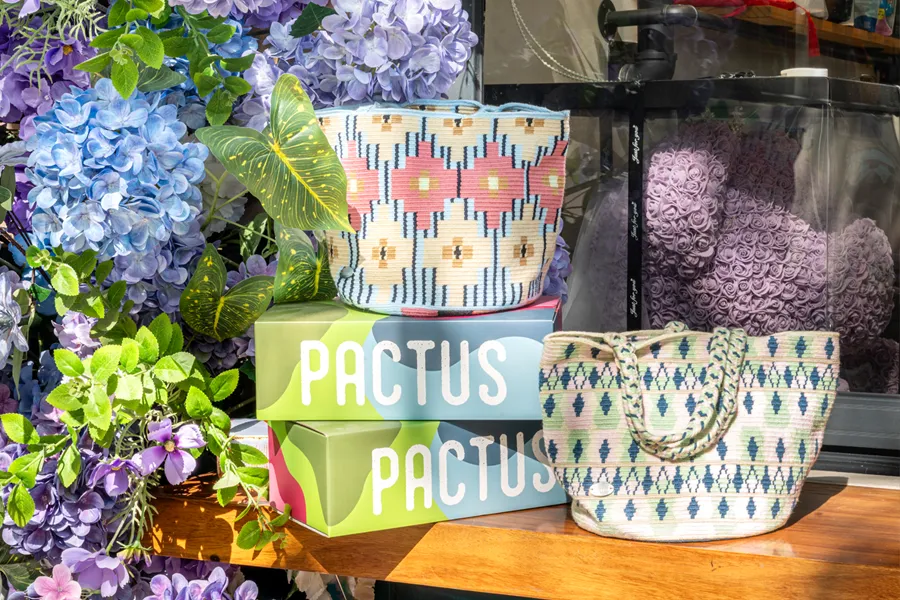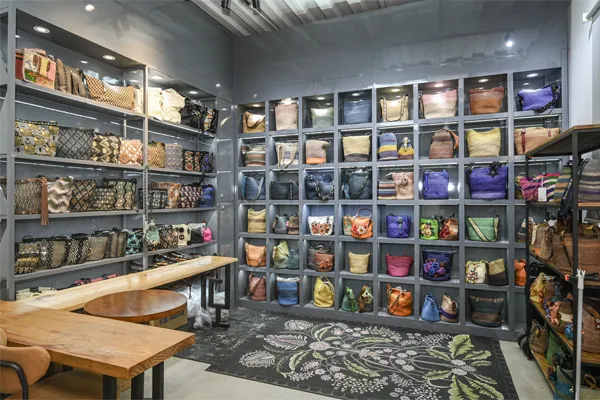
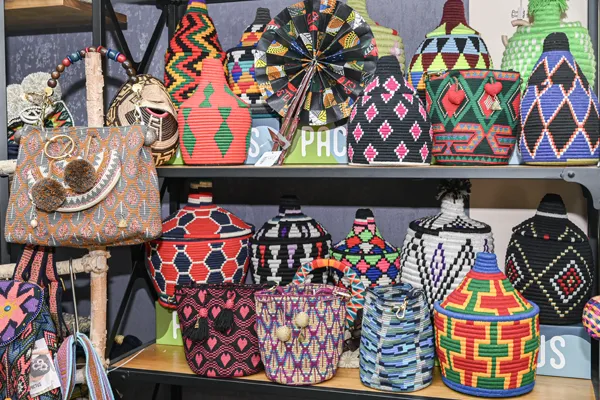
Sourcing the right products based on emerging handmade bag trends helps brands and retailers meet changing customer preferences. More shoppers are looking for bags with unique designs, artisan craftsmanship, and cultural stories instead of standard mass-market styles.
This guide covers the key trends shaping the market, including handmade techniques, sustainable sourcing, personalized designs, and practical everyday styles. These insights can help brands build collections with stronger customer appeal and long-term value.
Why Handmade Bags Are Gaining Attention
Handmade bags are capturing market share by directly matching consumer shifts toward verified environmental sustainability, deep personal expression, and long-lasting heritage craftsmanship.
The modern accessories market is shifting. Consumers are moving away from mass-produced uniformity in favor of distinctive, high-value alternatives that align with their personal ethics and aesthetic choices.
Growing Demand for Sustainable and Eco-Friendly Materials
Environmentally conscious consumers are turning away from mass-produced synthetics. They prefer low-emission production methods that offer a lower-impact alternative to fast-fashion manufacturing.
- Organic Cotton: Grown without toxic chemicals to protect water systems and soil health.
- Jute and Hemp: High-yield, biodegradable fibers that require minimal water to cultivate.
- Vegan Leather: Innovative, plant-derived alternatives that offer durability without animal inputs.
Choosing certified, traceable textiles allows designers to build trust. Clear material origins satisfy the growing consumer demand for ecological accountability.
Desire for Personal Expression and Individual Style
Buyers increasingly seek limited-run pieces that break away from department store repetition. Custom configurations and small-batch drops turn functional accessories into personal identity statements.
- Embroidery: Intricate, manual stitching that adds textural interest to canvas or leather panels.
- Beadwork: Hand-applied visual accents that elevate basic silhouettes into collectible art.
- Custom Initials: Personalized monograms that create an immediate emotional connection with the owner.
Made-to-order setups give consumers a direct role in the design process. This cooperative approach fosters lasting satisfaction and reduces unsold inventory risks.
Revaluation of Heritage Craftsmanship and Quality Markers
Artisanal techniques have moved from traditional workshops directly into the premium fashion spotlight. Visible human labor acts as a crucial differentiator in an over-saturated market.
- Visible Hand-Stitching: Thick, durable thread work that outperforms fragile machine seams.
- Artisanal Weaving: Traditional basketry and textile methods that create robust, resilient surfaces.
- Hand-Painted Edges: Multi-layer sealant applications that protect raw margins from daily wear and tear.
Sturdy, traditional construction shifts the consumer purchasing focus toward long-term utility. Modern buyers treat these bags as investments rather than seasonal throwaways.
Prioritization of Ethical Production and Supply Chain Transparency
Conscious buyers actively seek out brands that support fair labor and independent artisan communities. They want to ensure their purchases directly fund safe working environments and fair compensation.
Making supply chain metrics visible builds brand loyalty. Transparent operations serve as a powerful differentiator, attracting high-value clients who value social impact alongside functional style.
Top 7 수제 가방 트렌드 2027
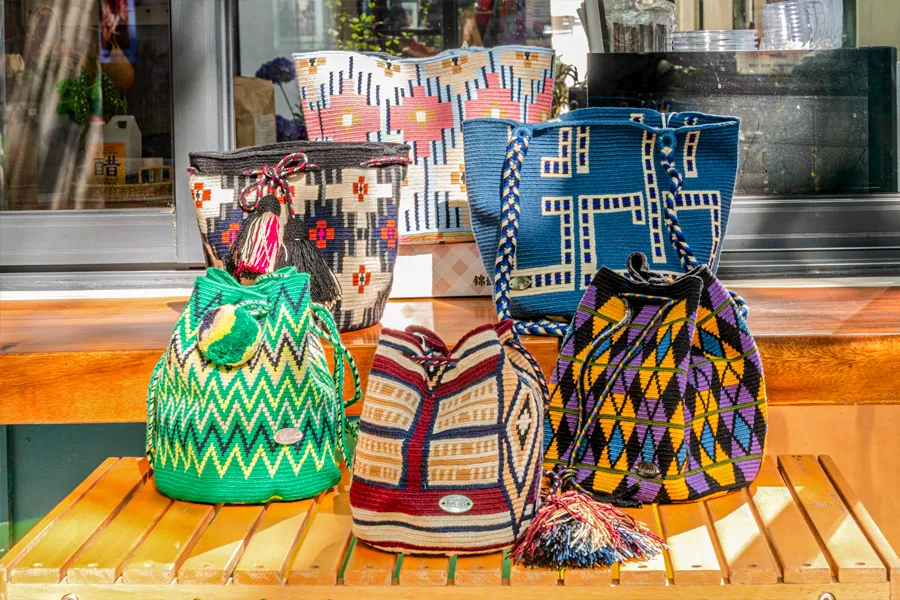
그만큼 2027 handmade bag market prioritizes verifiable sustainability, heritage craft preservation, practical daily utility, and highly tactile, personalized designs over mass-market branding.
The global market shift toward unique, values-aligned accessories is directly shaping the leading handmade bag trends for 2027. Consumers are moving away from mass-produced uniformity to support independent artisans, ethical labor, and transparent supply chains.
| 2027 Trend Focus | Core Driver | Key Market Insight | |
|---|---|---|---|
| Heritage Craft | Cultural Storytelling & Archival Silhouettes | Growing demand for authentic craftsmanship | |
| Sustainable Accessories | Bio-material Innovation & Circular Design | Rising interest in eco-friendly materials | |
| Bold Colors & Patterns | Expressive Surface Design & Saturated Accents | Demand for distinctive visual designs | |
| Small Batch & Limited Editions | Scarcity Economics & Low Inventory Risk | More brands adopting limited production | |
| Natural Textures | Tactile Weaves & Raw Fiber Finishes | Growing preference for natural textures | |
| Functional Everyday Bags | Adaptive Silhouettes & Internal Organization | Higher focus on practical functionality | |
| Personalized Designs | Co-Creation & Modular Attachments |
|
Trend 1: Heritage Craft and Cultural Storytelling
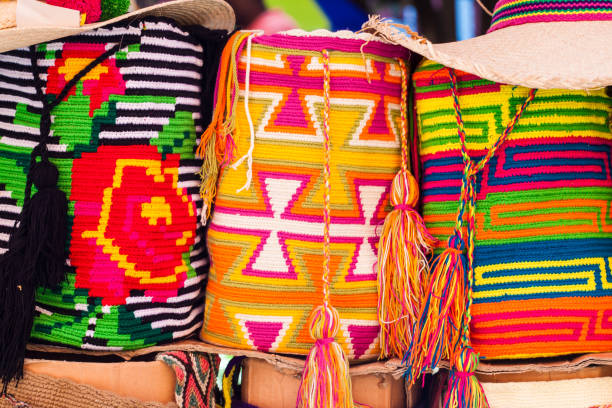
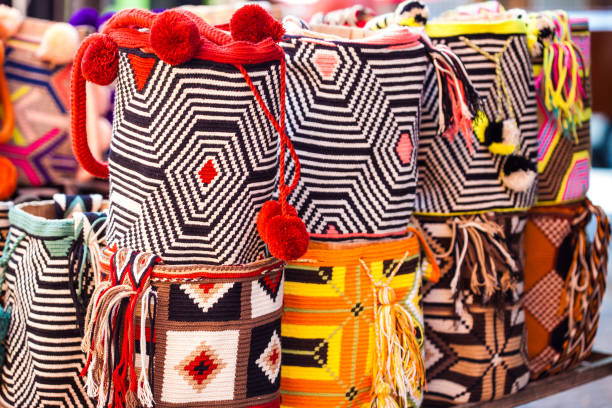
Designers are increasingly incorporating regional traditions into contemporary silhouettes, allowing handmade bags to communicate cultural identity and craftsmanship. For example, Wayuu bags combine traditional Colombian weaving techniques with modern fashion designs, creating products that carry both artistic value and a meaningful artisan story.
- Roman acanthus motifs: Classic foliage scrolls applied via embossing or carving on leather.
- Paisley influences: Swirling teardrop forms integrated into printed, block-printed, or hand-painted textiles.
- Traditional craft signals: Braided leather handles, open-work crochet panels, and prominent hand-stitching.
Trend 2: Sustainable and Ethical Accessories
Sustainable and ethical handmade bags focus on responsible materials, traditional craftsmanship, and long-lasting quality. Brands are paying closer attention to where materials come from, how products are made, and how artisan communities benefit from the production process.
- Natural Plant Fibers: Traditional woven fibers used in handmade bags, offering unique textures while preserving regional craft techniques.
- Artisan-Made Production: Handwoven techniques that support local Colombian artisan communities and maintain traditional craftsmanship.
- Durable Materials and Components: High-quality threads, leather details, and hardware designed to improve product lifespan and reduce unnecessary replacement.
Trend 3: Bold Colors and Artistic Patterns
Saturated color palettes are challenging neutral dominance, particularly among Gen Z buyers who seek expressive, art-driven surfaces. This aesthetic acts as a vehicle for self-expression without compromising on resource-saving materials.
- Historical surface graphics: Morris-inspired repeating florals, botanical line art, and techno-baroque prints.
- Manual application methods: Direct hand painting, block printing, and dense custom embroidery.
- Tactile embellishments: Hammered rivets, faceted metal findings, and integrated beads or charms.
Trend 4: Small Batch and Limited Edition Bags
Limited production capacity can become a commercial advantage by creating exclusivity while reducing inventory risk. Small-batch planning allows brands to test new designs, control production volume, and respond to market demand more efficiently.
- Numbered editions: Limited runs with batch numbers or certificates enhance product value and brand storytelling.
- Digital drop models: Leveraging online pre-order windows to align supply with real-time customer interest.
- Seasonal capsules: Launching short-run themed micro-collections to cultivate collectibility.
Trend 5: Natural Textures and Handmade Details
Tactility serves as a silent signal of luxury in 2027, many buyers actively seeking natural fibers and textured surface treatments. These irregular, raw-edge materials visually confirm the human labor involved in manufacturing.
- Raw organic fibers: Natural raffia, woven jute, raw-edge hemp canvas, and slubbed linen.
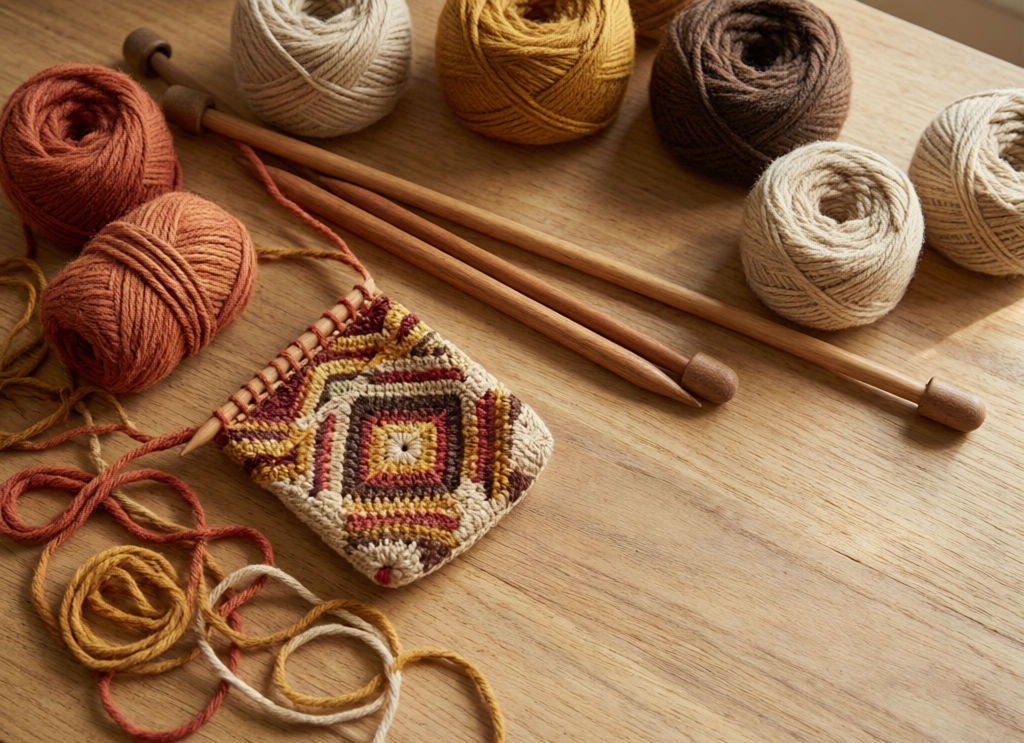
- Physical craft details: Hand-braided handles, hand-bound edges, patchwork construction, and hand-knotted surfaces.
- Soft silhouettes: Slouchy hobo shapes, soft buckets, and relaxed crescent forms that showcase material drape.
Trend 6: Functional Everyday Artisan Bags
Artisan bags are moving away from purely decorative roles to become durable everyday carry solutions. Consumers demand practical products that adapt to commuting, hybrid work routines, and travel without losing their handcrafted identity.
- Standardized dimensions: Medium-sized totes (32–36 cm width) sized to fit 13–15 inch laptops.
- Interior organization: Multi-pocket layouts, padded tablet sleeves, and removable modular organizers.
- Ergonomic details: Padded, adjustable crossbody straps and secure magnetic or zippered closures.
Trend 7: Personalized and Custom Designs
Customization continues to attract customers who want products that reflect their personal style. Options such as color combinations, 패턴, and design adjustments allow handmade bag brands to offer more distinctive collections.
- Selectable components: Curated options for strap lengths, lining patterns, and hardware finishes.
- External attachment points: Dedicated D-rings, grommets, and loops designed for modular bag charms and mini pouches.
- Digital made-to-order systems: Interactive online configurators that keep inventory lean by assembling components to order.
These shifting dynamics represent a structural reorganization of consumer preferences. The integration of sustainable material standards with authentic craft lineages ensures that handmade collections remain highly competitive, profitable assets through 2027.
Source High-Margin Custom Wayuu Bags
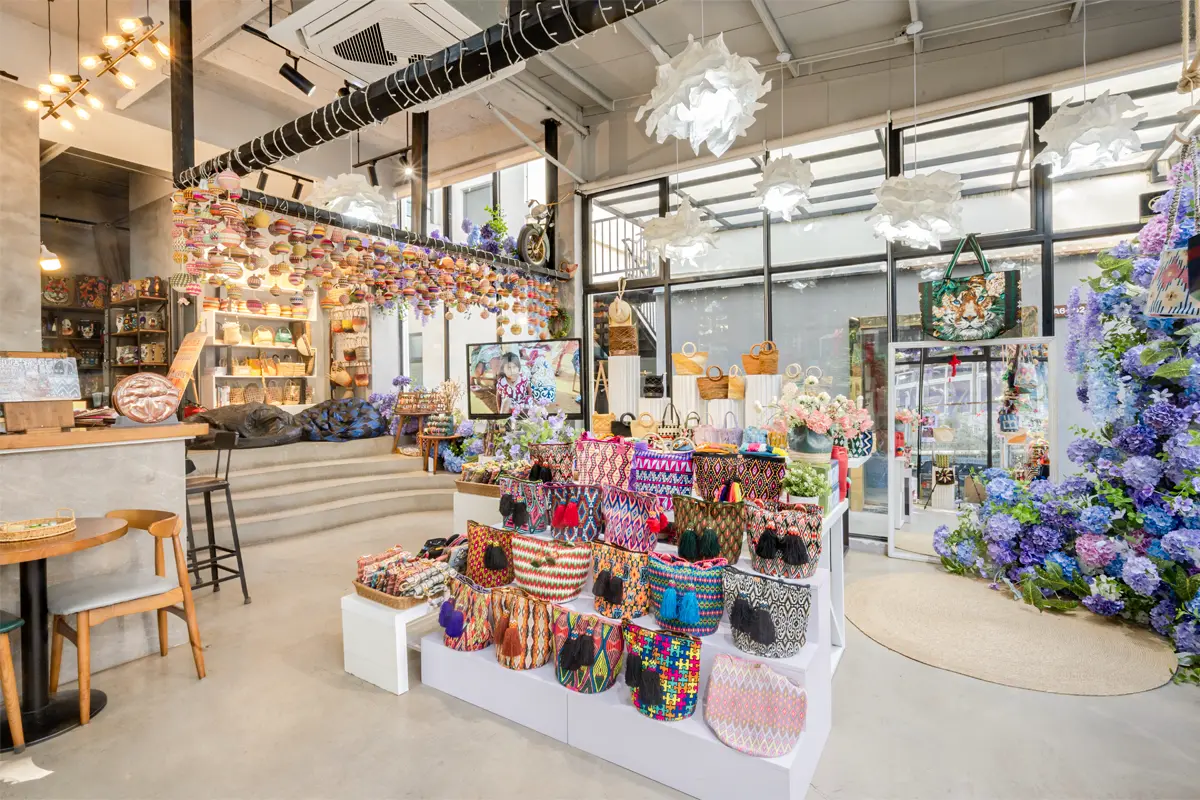
How Boutiques Should Prepare for 2027
Boutiques preparing for 2027 must transition from generic stock to tactile, small-batch handmade bags that emphasize material transparency and everyday functional utility.
Are your retail shelves ready for a structural shift in consumer values? Boutique preparation for the 2027 handmade bag trends requires a complete pivot from mass-market sameness toward traceable, highly tactile artisanal inventory. Buyers now reject anonymous fast-fashion accessories, choosing instead to invest in pieces that carry physical and emotional weight.
Emphasizing Artisanal Craftsmanship and Tactile Textures
Consumers in 2027 are expected to place greater value on tactile experiences and visible craftsmanship. Handwoven textures, embroidery, and artisan details can help handmade bags stand out in a market where many customers seek alternatives to standardized designs.
- Visible Handwork: Stock inventory featuring patchwork, hand embroidery, and carefully sewn details to showcase authentic human labor.
- Tactile Materials: Focus on physical surfaces like braided leather, crochet, and woven plant fibers that invite customers to touch the bags on the retail floor.
- Heritage Silhouettes: Select styles that fuse traditional heritage techniques with modern, wearable silhouettes to ensure daily styling versatility.
Prioritizing Sustainable Sourcing and Material Transparency
Ethics and environmental metrics shape mainstream purchasing decisions. Buyers demand clarity regarding supply chains, raw inputs, and labor standards before committing to a purchase.
- Buying Commitments: Increase purchasing budgets for natural plant fibers, recycled canvas, and ethically sourced leather.
- Eco-Forward Standards: Introduce biodegradable plant-based dyes and fair-trade certified products to satisfy conscious consumer expectations.
- Sourcing Transparency: Use detailed product tags, interactive signage, and proactive staff training to openly share material origins and artisan production methods.
Balancing Everyday Utility with Small-Batch Exclusivity
While customers seek unique, collectible accessories, they still require bags that fit their modern, daily routines. Successfully balancing utility with scarcity drives both brand value and retail velocity.
- Everyday Silhouettes: Carry functional, soft-structured shapes like oversized totes, modular multi-pocket carryalls, and slouchy hobo bags.
- Exclusivity Tactics: Schedule limited-edition drops and numbered production runs to generate purchase urgency and eliminate deadstock inventory risk.
- Customization Options: Offer interactive personalization services, 교체 가능한 스트랩 포함, custom monograms, and collectible bag charms.
Aligning Visual Merchandising with Earthy Palettes and Storytelling
Your showroom floor must reflect the calm, grounded values of the artisan movement. Effective merchandising relies on emotional color psychology and transparent storytelling to justify premium price points.
- Grounded Palettes: Anchor in-store displays in calming, natural tones like rich cocoa brown, warm taupe, clay, and soft olive green.
- Narrative Assets: Highlight hand-drawn process sketches, detailed artisan biographies, and macro construction details across both physical shelves and digital e-commerce pages.
By integrating these sensory visual displays with documented maker narratives, retail spaces can directly connect consumers to the human hands behind each design.
자주 묻는 질문
Are handmade bags becoming more popular?
Demand for handmade handbags continues to attract attention from consumers and independent fashion brands. Growth in artisan-focused collections is supported by increasing interest in craftsmanship, unique designs, and more transparent sourcing practices. Consumers actively seek unique accessories that stand out from homogenized factory designs, while fashion retailers expand their handcrafted collections to capture this high-margin interest.
What bag styles and silhouettes will define 2027?
Relaxed, soft-structured silhouettes lead the shift away from rigid shapes. Slouchy shoulder bags, hobo designs, and crescent silhouettes in supple leather or textured fabrics dominate daily wear. For structured options, look for elongated east-west silhouettes, compact barrel shapes, and practical oversized totes. These styles blend functional capacity with visible handcrafted elements like braided straps, hand-painted details, and custom hardware.
Are woven and crochet bags still in style?
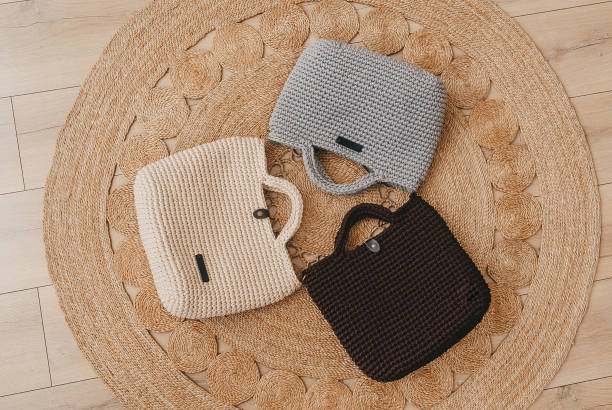
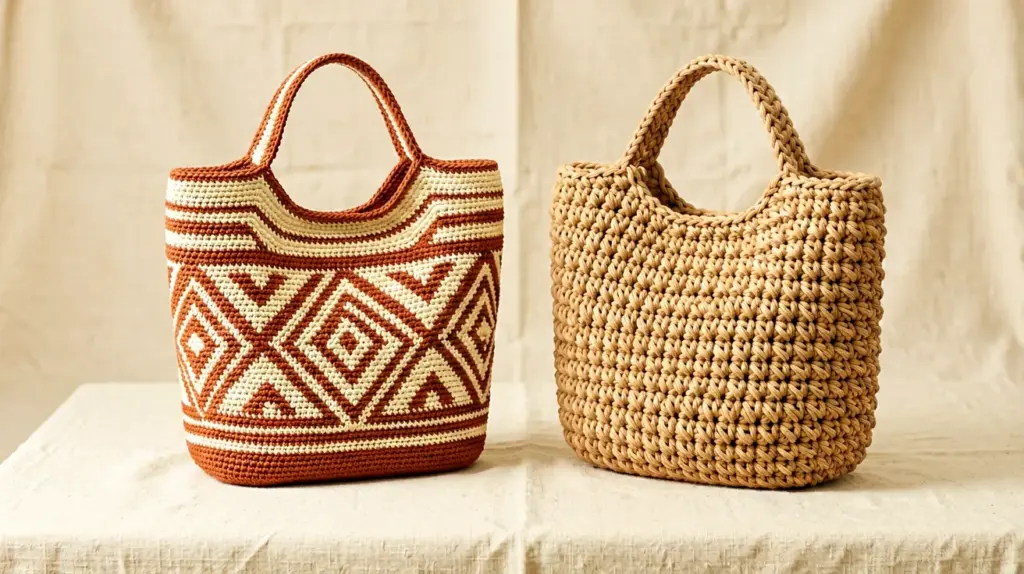
Woven and crochet bags remain highly fashionable but are evolving past basic beachwear into structured, year-round essentials. Modern iterations feature dense, architectural crochet patterns, mixed materials like raffia paired with leather trim, and integrated metallic threads. Woven leather styles using basket-weave techniques capture the quiet luxury aesthetic, offering subtle, logo-free texture for professional and casual settings.
What handbag colors are trending for upcoming seasons?
Grounded, nature-inspired palettes replace flat blacks and bright neons. Deep navy and cobalt serve as versatile dark neutrals, alongside rich chocolate browns, warm caramel, and clay tones. Soft mushroom neutrals and sage greens appeal to minimalist buyers, while deep oxblood, muted burgundy, and warm butter yellow provide sophisticated seasonal accents.
Why are modern consumers shifting toward artisan bags over mass-produced luxury?
Modern consumers are increasingly drawn to artisan bags because they value authenticity, sustainability, and meaningful product stories over mass-market branding. Handcrafted techniques such as embroidery, weaving, and saddle stitching highlight skilled craftsmanship and create products with stronger emotional and perceived value. Combined with responsible materials and unique designs, artisan bags offer brands an opportunity to build deeper customer connections.
Will personalized and custom bags continue to trend?
Personalization has become an important market driver for handmade bags, as buyers increasingly seek products that reflect their individual style and preferences. Custom details such as initial embroidery, modular straps, and unique hardware allow brands to create more distinctive collections. This trend is also encouraging more limited-edition and small-batch releases, helping brands reduce inventory risk while maintaining product exclusivity.
최종 생각
Choosing a reliable handmade bags supplier helps brands reduce quality risks and build long-term customer trust. With carefully selected materials, skilled craftsmanship, and flexible OEM support, we create bags that meet retail expectations and help brands develop distinctive collections.
Request a sample order to evaluate our materials, stitching quality, and finishing details. Our team is ready to discuss your custom designs, private label projects, and production plans for upcoming collections.