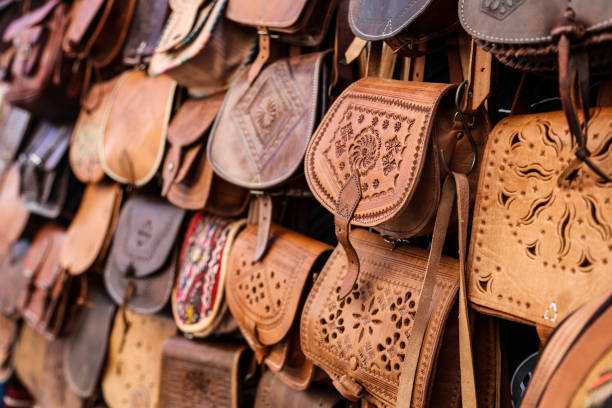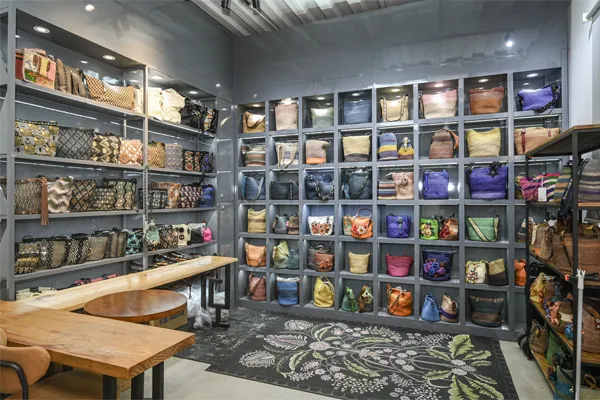
Sourcing authentic Wayuu bags offers a high-margin antidote to fast-fashion fatigue, but integrating one-of-a-kind artisan goods into standard retail operations creates immediate inventory friction. When every piece features a unique cultural pattern, forcing non-identical items into rigid point-of-sale systems quickly turns a lucrative line expansion into a logistical liability.
This analysis benchmarks ethical supply chains against the Industry Standard to establish a scalable catalog architecture. We evaluate premium single-thread construction requirements, long artisan lead times, and specific merchandising structures that capture 60 to 80 percent gross margins without crashing your tracking software.
Step 1: Identifying Where Wayuu Bags Fit Within Your Brand
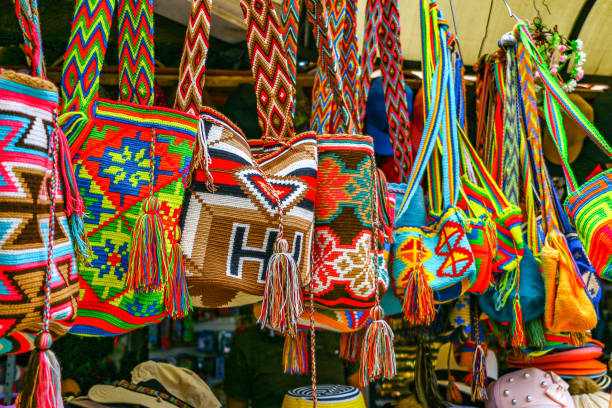
Integrating Wayuu bags requires aligning deep cultural heritage, ethical sourcing, and long artisan lead times with your existing product architecture.
Strategic Brand Fit and Values
Wayuu bags are culturally significant artifacts rooted in the La Guajira Peninsula, not generic plug-and-play accessories. Your brand mission needs to align tightly with cultural storytelling, heritage preservation, and ethical fair-trade practices. If your business model relies on rapid fast-fashion cycles or race-to-the-bottom pricing, this product category will clash with your operations.
Take a pragmatic stance on materials. Acknowledge that acrylic yarn dominates production in La Guajira because organic natural fibers are largely unavailable in the desert region. Emphasize the longevity, durability, and intense craftsmanship of the finished piece rather than forcing an unrealistic plastic-free narrative.
Product Architecture and Sizing Integration
Decide exactly where these bags sit within your current lineup. They can anchor a seasonal resort capsule, act as a core accessory SKU, or stand alone as a flagship social impact item. Once you define the role, select an appropriate size mix to build out the category.
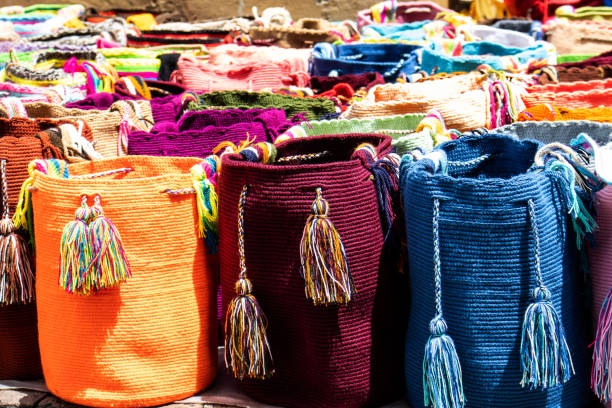
- Large mochilas: The standard 9 to 13-inch everyday carry option.
- Mini mochilas: Compact 4 to 6-inch crossbody styles for festival or youth markets.
- Drawstring and clutches: Functional travel utility or evening wear variants.
Position these products strictly within a mid- to high-tier pricing ladder. Authentic pieces demand 14 to 21 days of intensive artisan labor. Your retail price must reflect this time investment and avoid competing with mass-produced synthetic totes.
Quality Tiers and Authenticity Standards
The defining metric of a Wayuu bag is the thread count. Premium single-thread bags feature tight loops, high pattern precision, and exceptional durability. Fast-produced two-thread bags flood mass export channels, sacrificing cultural integrity for three-day production turnarounds.
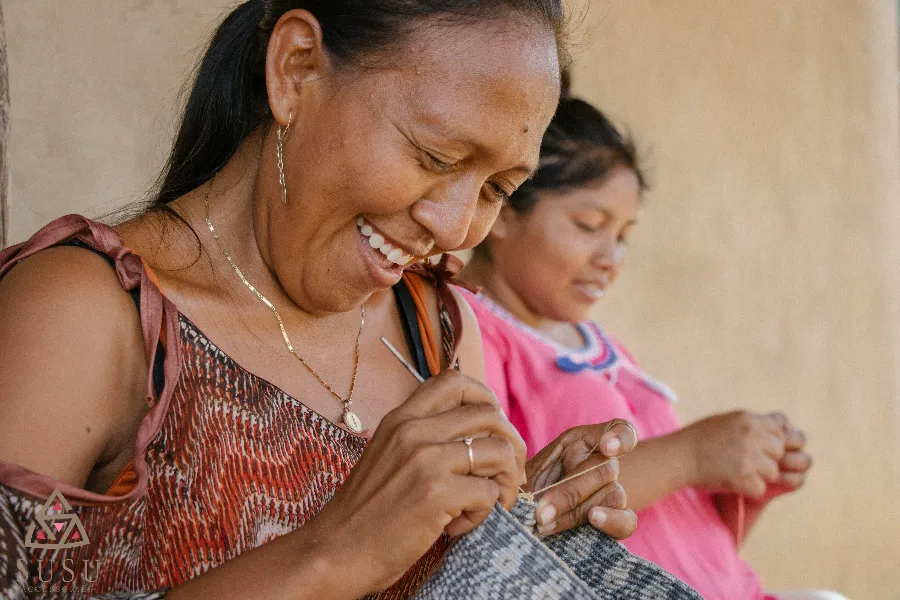
Establish strict authenticity requirements across your supply chain. You must guarantee the products are handmade by Wayuu women in their native regions. Require traceable origin documentation for every batch. Buying from anonymous bulk markets carries a massive risk of wage suppression, exploitation, and brand damage.
Aesthetic Alignment and Visual Merchandising
Match the vibrant, nature-inspired Wayuu patterns with bohemian, resort, or art-driven brand aesthetics. If your brand leans minimal or monochromatic, pivot your strategy. Curate highly colorful bags as limited-edition statement or contrast pieces rather than trying to blend them into a muted core collection.
Organize your merchandising by size or pattern intensity so the visual display remains coherent. Attach story tags to every item to communicate the cultural meaning behind specific weaves and colors. Buyers need context to understand the value.
Sourcing Realities and Operational Fit
Artisan production requires you to adjust internal operations. Anticipate much longer artisan lead times and build your calendar around smaller, curated production drops instead of rapid inventory replenishment. You must also budget for paid samples. The non-scalable, labor-intensive nature of hand-crocheting makes free sampling economically impossible for the makers.
Partner strictly with transparent NGOs or certified fair-trade social enterprises. These partnerships secure fair wages for the artisans and mitigate the severe reputational risks associated with cultural appropriation in the fashion industry.
Step 2: Choosing Styles That Match Your Target Customers
Aligning Wayuu bag styles with your target audience means matching patterns, sizes, and colors to specific buying habits while maintaining strict cultural authenticity.
Ethical and Premium Customer Segments
Buyers in the ethical and luxury spaces look for deep cultural meaning and verifiable craftsmanship. They treat pieces as wearable art rather than disposable accessories. To capture this segment, build collections around traditional single-thread weaving methods that showcase the highest level of skill.
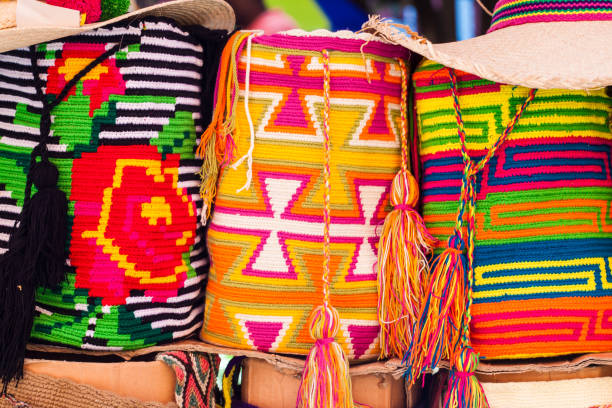
- Pattern symbolism: Prioritize authentic traditional mochilas with visible, culturally significant motifs and clear artisan attribution.
- Product storytelling: Curate one-of-a-kind collections paired with detailed narratives regarding the bag’s origin, the weaver’s community, and the meaning behind the geometry.
- Master-artisan capsules: Develop high-end drops featuring top-quality yarn, intricate dense weaves, and premium finishes tailored for luxury buyers.
Trend-Driven and Social Media Shoppers
Social media algorithms reward striking visuals and clear seasonal aesthetics. Trend-focused buyers often discover Wayuu bags through visual platforms and prioritize styling potential over deep cultural education. This demographic responds best to bold, recognizable commercial designs.
- Commercial alignment: Select commercial Wayuu bags featuring familiar silhouettes and color palettes that match current seasonal fashion trends.
- Seasonal drops: Offer cohesive color stories, such as pastel or earth-tone collections, while keeping the classic bucket shape consistent.
- Visual impact: Focus on high-contrast designs, vibrant color blocking, and statement straps that photograph beautifully for Instagram feeds.
Utility, Travel, and Gift Markets
Shoppers buying for specific use cases evaluate bags based on function and accessibility. Commuters prioritize durability, vacationers want lightweight capacity, and gift buyers seek low-risk, universally appealing designs.
- Everyday utility: Choose durable, tightly woven mid-size bags with dark or mid-tone palettes that disguise daily wear and scuffs.
- Resort and travel: Prioritize oversized, vibrant bucket styles equipped with decorative tassels to attract beach and vacation customers.
- Gift curation: Stock safe, mid-size styles featuring versatile colors and easy-to-explain positive symbolism, like the Wayuu eye motif for protection.
Maintaining Cultural Integrity Across Styles
Regardless of the target customer, you must protect the underlying cultural value of the product. Stripping away the Wayuu identity to fit a generic bohemian trend damages the brand’s ethical standing and undermines the artisans’ heritage.
- Artisan co-creation: Collaborate with weavers to adapt motifs naturally rather than dictating external fashion patterns that erase cultural significance.
- Fair replication: Avoid mass-replicating a specific master artisan’s unique design without securing their explicit agreement and increasing their compensation.
- Structural respect: Keep the original woven bag body intact and fully visible if you decide to incorporate modern additions like leather trims, аппаратное обеспечение, or interior linings.
Elevate Margins With Luxury Remake Wayuu Bags
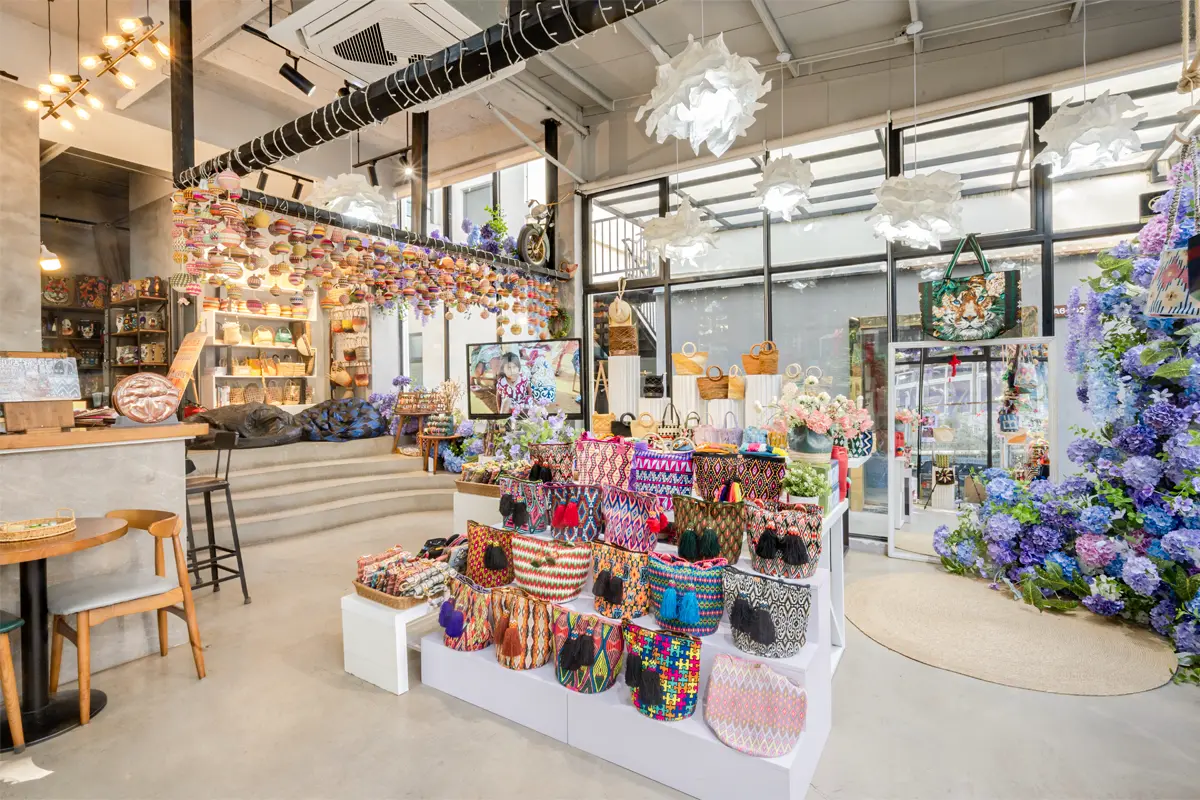
Step 3: Building a Collection Around Handmade Craftsmanship
Anchor your Wayuu collection in authentic handcraft, precise technical standards, and ethical sourcing to separate your inventory from mass-produced imitations and drive premium pricing.
Positioning Craftsmanship as the Core Brand Pillar
Visual trends shift quickly. Relying solely on colors or patterns turns Wayuu bags into easily replaceable commodities. You need to position handwoven, culturally rooted production as your primary value proposition.
- Cultural Production: Emphasize the time-intensive manual work and traditional tools to immediately differentiate from factory-made accessories.
- Focused Techniques: Narrow the collection to one or two core weaving methods, like single-thread crochet or tapestry weave, to maintain quality control.
- Authentic Value: Pitch the human element and cultural heritage over fast fashion aesthetics.
Segmenting the Collection by Craft Variables
Typical fashion brands segment by season or colorway. For artisanal goods, you must structure the product line around the variables that actually dictate the manufacturing process and unit cost.
- Weaving Complexity: Build a ladder ranging from entry-level simple patterns to premium, highly intricate collector pieces.
- Artisan Typology: Separate your inventory into master artisan capsule collections and emerging artisan lines.
- Cultural Motifs: Distinguish between unchanged, traditional heritage symbols and respectful contemporary design interpretations.
- Process Themes: Group items based on their production process, launching specific drops around natural-dye editions or experimental weave structures.
Defining Technical Standards and Authenticity
Handcrafted does not mean inconsistent. You must set rigid specifications for your suppliers to establish baseline quality across different artisan groups. Treating slight pattern variances as a hallmark of handmade work only works if the structural foundation remains solid.
- Weave Density Requirements: Establish strict minimums for thread count and tension to ensure bags hold their shape over time.
- Material Rules: Set clear benchmarks for yarn thickness, colorfastness, and strap joining methods.
- Authenticity Protocols: Assign unique serial codes tied to specific production batches and individual artisans.
- Transparent Documentation: Use clear material and origin tracking to separate genuine Wayuu bags from machine-loomed reproductions.
Ethical Sourcing and Cultural Safeguarding
Exploitative supply chains carry massive reputational risks. Your collection must operate on formal agreements that protect the Wayuu communities and ensure fair compensation for their labor.
- Intellectual Property Control: Structure collaborations so Wayuu artisans retain ownership over their heritage designs and motifs.
- Transparent Pricing: Show buyers exactly how retail prices reflect actual labor hours, technical difficulty, and fair trade wages.
- Skill Reinvestment: Dedicate a specific portion of proceeds back into the community to train new weavers and sustain the craft.
Visual Merchandising and Craft Storytelling
Customers will not pay a premium if they cannot see the difference between a fast double-thread knockoff and a multi-week single-thread masterpiece. Your merchandising strategy has to make the unseen labor highly visible.
- Macro Photography: Use ultra-close-up shots in digital catalogs to highlight weave tightness, interlocking patterns, and hand-finished joins.
- Physical Craft Cards: Ship every product with printed profiles detailing the artisan, the specific cultural motif, and the required production time.
- Collector Pathways: Design the buyer journey to encourage repeat purchases, guiding them from accessible everyday items toward specialized, narrative-driven pieces.
Step 4: Creating Product Stories That Increase Perceived Value
A strong product story shifts a Wayuu bag from a commodity to a premium cultural artifact, justifying higher price points through verifiable heritage and artisan identity.
Core Elements of a Premium Wayuu Story
Buyers need context to understand why a handcrafted item commands a premium. The foundation of that context lies in authentic origin and transparent production metrics.
- Indigenous heritage: Anchor the product to its specific origin in the La Guajira region to validate authenticity.
- Time investment: Highlight the exact labor hours. Standard bags take about 25 days, while premium single-thread pieces require up to 75 days to weave.
- Artisan authorship: Name the specific maker or community to build immediate trust and separate the bag from mass-produced accessories.
- Pattern language: Frame the weaving motifs as a distinct visual language carrying cultural depth, rather than mere geometric decoration.
Effective Story Angles
How you frame the product determines who buys it and what they are willing to spend. Different customer segments respond to specific value triggers.
- Heritage piece: Emphasize ancestral knowledge and the active preservation of Wayuu weaving traditions.
- Handcrafted luxury: Focus on the intense labor, specialized skill, and natural scarcity of the product.
- Wearable art: Position the bag as a highly expressive, one-of-a-kind collectible.
- Maker-led narrative: Detail the artisan’s exact name, village, and weaving technique to maximize transparency.
Practical Structure for Product Listings
A high-converting product page follows a specific narrative arc. You must guide the buyer from initial visual interest to a deep appreciation of the craft.
- Strong hook: Open with a single line establishing the bag as a handcrafted cultural artwork.
- Origin breakdown: Dedicate a paragraph to identifying the specific community and region behind the craft.
- Production timeline: Explain the specific crochet methods, exact materials used, and the total days required to finish the piece.
- Value proposition: Connect the artisan labor and cultural meaning directly to the product’s durability, scarcity, and overall worth.
Best Practices and Risks to Avoid
Storytelling requires strict boundaries. Overstepping them damages brand credibility and exploits the artisan community.
- Provide factual biographies: Use verified artisan bios and behind-the-scenes process visuals to anchor the premium perception in reality.
- Balance story with utility: Pair the cultural narrative with hard facts like dimensions, material composition, and care instructions to drive buying confidence.
- Avoid generic branding: Never reduce the Wayuu culture to a vague ethnic or aesthetic trend.
- Skip unverified claims: Steer completely clear of inventing symbolic meanings for patterns or omitting artisan credit, as these practices undermine trust and authenticity.
Step 5: Testing Customer Demand With Small Product Launches
Small product launches validate market demand without inventory risk. Test specific variables, measure real conversions, and scale only the designs that prove profitable.
Selecting a Small-Launch Format
Before scaling up production, you need to validate which bags actually sell. Running a small-launch format limits your financial exposure while providing real market feedback.
- Limited-drop releases: Use limited-drop releases to create scarcity and observe immediate conversion rates.
- Pre-order or landing-page tests: Set up pre-order or landing-page tests to collect payments and email signups before committing to inventory.
- Micro-collections: Release micro-collections of 3 to 8 SKUs to cleanly compare performance across new variants.
- Pop-ups or artisan markets: Leverage pop-ups or artisan markets to gauge in-person physical engagement and purchase rates.
Defining Variables to Test
A test is only useful if you know exactly what you are measuring. Wayuu bags carry multiple attributes that influence a buyer’s decision. Isolate specific variables to understand what drives the purchase.
- Design appeal: Evaluate weave complexity, patterns, fringe styles, and color combinations.
- Functionality factors: Test bag size, strap weight, closure types, and everyday usability.
- Pricing tolerance: Gauge willingness to pay for premium handcrafted finishes versus entry-level artisan designs.
- Brand positioning: Determine which angle resonates most, comparing cultural storytelling against fashion or gifting.
Structuring the Test and Measuring Demand
You need a structured approach to measure success. Establish baseline targets before the launch so you know exactly what a winning product looks like.
- Baseline success metrics: Establish target sell-through percentages or minimum preorder volume before launch.
- Core metrics: Track conversion rates, revenue per SKU, time to sell out, and average order value.
- Secondary demand signals: Monitor waitlist signups, follow-up inquiries, and restock requests.
- Common failure signals: Watch for strong social media engagement combined with weak actual purchases.
Interpreting Data for Scaling Decisions
The final step is turning your launch data into an expansion strategy. The numbers will tell you exactly which designs deserve a permanent spot in your catalog.
- Variant identification: Identify bags that attract consistent interest and rapid sell-through without relying on heavy discounting.
- Friction points: Refine pricing, imagery, or product descriptions if a specific bag sees high traffic but low conversion.
- Channel analysis: Analyze channel-specific data to tailor future large-scale launches to the most profitable sales platforms.
- Scaling action: Scale only the top-performing designs, using them as the foundation for the next full production cycle.
Step 6: Expanding Your Product Line With Authentic Wayuu Bags
Scaling a Wayuu bag line requires treating each piece as a unique artisan SKU, prioritizing single-thread construction, and enforcing strict ethical sourcing to protect margins and cultural integrity.
Expanding your product line with authentic Wayuu bags forces a shift from standard retail replenishment to artisan-led inventory management. You cannot treat these like factory-made beach totes. Buyers want cultural authenticity, while your operations team needs structure to map unique patterns into a scalable catalog.
| Size Category | Typical Dimensions | SKU Role & Positioning |
|---|---|---|
| Mini | Under 8 inches | Entry-point impulse purchase or festival accessory |
| Medium | Approx. 8×8 inches | Core everyday urban accessory |
| Large | 9-13 inches | Traditional hero product and primary volume driver |
| Drawstring | 12-14 inches | Utility piece for travel and resort markets |
Structuring Your Wayuu SKU Architecture
Building a coherent catalog starts with size-based segmentation. Break your inventory into specific tiers—Mini, Medium, Large, and Drawstring—to create a predictable shopping experience out of one-of-a-kind items.
Quality dictates your position in the market. Focus your sourcing strictly on single-thread (one-loop) construction for your premium heritage SKUs. This traditional method delivers tighter weaves and much sharper patterns than the mass-market double-thread bags.
Because every artisan weaves unique designs, you cannot assign a static SKU to a specific pattern. Instead, organize your inventory by categorizing pattern families.
- Geometric motifs: Traditional angular patterns carrying distinct cultural meaning.
- Monochrome blocking: Solid or two-tone designs suited for minimalist and urban markets.
- Multicolor brights: High-contrast palettes ideal for summer and resort collections.
Defining Authenticity and Ethical Quality Benchmarks
Customers paying premium prices expect documented provenance. Require origin traceability from your suppliers. Obtain certificates of origin that explicitly document the artisan, their specific community, and verified fair compensation rates.
To enforce consistency across unique handwoven items, establish strict physical quality benchmarks for every incoming batch.
- Density: High-tension, single-crochet construction that creates a sturdy, self-supporting body.
- Durability: Reinforced strap seams designed to handle heavy everyday carry without stretching or tearing.
- Materials: Standardized, high-quality, colorfast acrylic yarns that ensure extreme longevity, offsetting the environmental impact of synthetic fibers.
Source your inventory primarily through NGOs and non-profit cooperatives. Avoid the anonymous bulk markets in Riohacha, which often rely on exploitative labor practices and flood the market with rushed imitations.
Developing Core, Capsule, and Complementary Collections
Your catalog needs a stable foundation. Build a reliable core collection using medium and large single-thread mochilas in classic color palettes. This baseline provides your retailers with predictable revenue drivers.
Inject seasonal freshness through limited artisanal signature runs and curated capsules. Curate these capsules by color family, but never dictate the specific traditional patterns to the weavers. Allow the artisans to interpret your color guidelines using their own ancestral motifs.
Expand the product line horizontally to increase your average order value. Introduce complementary accessories that pair naturally with the primary bags.
- Small accessories: Woven coin pouches and compact cosmetic bags.
- Customization options: Replacement straps featuring distinct Wayuu motifs.
- Bundles: Parent-child matching sets combining large and mini mochilas.
Pricing, Positioning, and Channel Strategy
Build your pricing architecture around the labor reality. A true single-thread bag requires three to four weeks of intensive hand-crafting. Position your catalog as an ethical luxury investment, separating it completely from the cheap commodity beach bag market.
Educate your buyers to defend your margins. Show them the true cost of fair trade and contrast it with low-wage, exploitative alternatives. This transparency justifies your premium price points and builds brand loyalty.
Focus your distribution on direct channels and selective wholesale partners. Partner only with retailers willing to properly merchandise the product by displaying cultural information, artisan profiles, and social impact metrics on the sales floor.
Attribute all designs directly to the Wayuu community in your product copy. Respecting the cultural authorship avoids misappropriation and anchors your brand securely in authenticity.
Часто задаваемые вопросы
Are Wayuu bags profitable for retail boutiques?
Yes, Wayuu bags offer strong profit margins when you position them as premium artisan pieces. Wholesale costs for ethically sourced, single-thread bags generally range from $30 to $60, while retail prices often sit between $120 и $150. This creates a typical gross margin of 60% to 80%.
How do I manage inventory for unique handmade items?
Managing one-of-a-kind inventory requires strict SKU discipline and real-time tracking. Assign a specific SKU to every unique combination of pattern, size, and color. When a bag sells on any channel, your system must immediately deduct the stock across all platforms to prevent overselling.
What is the retail price range for authentic Wayuu bags?
Standard authentic Wayuu mochila bags typically retail between $90 и $200. Smaller or simpler designs usually sell for $60 to $90, while highly complex, premium, or branded pieces often reach $250 to $350 or more. Unusually low prices act as a clear warning sign for machine-made imitations.
Can Wayuu bags fit a luxury brand catalog?
Wayuu bags integrate well into luxury catalogs as artisanal resort accessories or limited-edition capsules. Their entirely handwoven construction, cultural depth, and one-of-a-kind nature align directly with luxury market demands for exclusivity and authentic heritage.
What seasons are best for selling Mochila bags?
Peak sales occur during spring and summer, as the colorful designs pair naturally with beachwear, resort collections, and festival fashion. The fourth-quarter holiday season is also highly active, with customers purchasing these unique bags as premium handcrafted gifts.
How does Pactus handle SKU cataloging for diverse patterns?
Pactus treats each design as a specific variant dimension. The system assigns a unique Pattern ID to every motif, which rolls up to a parent product. This method generates a distinct SKU for each pattern-size-color combination, keeping your inventory perfectly accurate without cluttering the catalog structure.
Final Thoughts
While mass-produced double-thread imports offer lower upfront costs, sourcing authentic single-thread Wayuu bags is the only viable way to safeguard your brand against fast-fashion fatigue. Treating these handcrafted pieces as premium cultural artifacts protects your gross margins and builds deep customer loyalty. The strict quality and ethical standards outlined in this strategy defend your retail operations against reputational damage and inventory chaos.
Relying on unverified inventory carries unnecessary financial risk. We recommend starting with a targeted micro-collection to evaluate our premium single-thread construction and test real market demand within your existing customer base. Reach out to our team to review your SKU architecture and map a profitable, ethically sourced catalog tailored to your retail floor.