What makes a handmade bag hold up through years of regular use? It is not simply the material itself. The weaving or stitching, handle construction, reinforcement, hardware, and finishing all affect how well a bag performs over time.
For buyers exploring handmade bags, these details are worth looking at before placing an order. A well-made piece should balance durability with the character of traditional craftsmanship, giving customers a bag that works well in everyday use while maintaining its distinctive handmade appeal.
Why Durability Matters in Handmade Bags
Durability in handmade bags drives long-term economic value, structural reliability under daily wear, and sustainable consumption, turning a simple accessory into a multi-decade asset.
Evaluating durability in handmade bags reveals that physical resilience is not a luxury feature, but the core driver of a product’s real-world economic and functional utility.
Long-Term Cost Efficiency and Economic Value
Purchasing a poorly constructed bag creates a recurring replacement cycle that drains capital over time. High-quality materials change this equation completely, shifting the buying focus from short-term cost to lifetime value.
- Full-Grain Leather Lifespan: High-quality hides regularly last 15 to 30 years, easily outliving dozens of cheaply made mass-market alternatives.
- Ballistic Nylon Lifespan: Engineered synthetics offer 5 to 10 years of reliable resistance against water, heavy handling, and abrasive contact.
- Cost-Per-Wear Efficiency: A higher upfront purchase price translates to a significantly lower cost per wear over years of daily service.
This long-term return on investment alters buyer behavior, positioning durable hand-woven and handcrafted pieces as economical investments rather than seasonal, throwaway expenses.
Functional Reliability and Performance Under Daily Wear
A bag must maintain its form and secure its contents during a busy morning commute, a work trip, or a weekend travel schedule. When a seam splits or a zipper jams, the utility of the item drops to zero immediately.
- Stress-Point Reinforcement: Thoughtful structural strengthening at handles, strap attachments, and corners prevents sagging and permanent deformation under weight.
- Hardware Integrity: Solid metal fittings and dense stitch patterns keep daily essentials secure in demanding real-world conditions.
- Failure-Resistant Build: Eliminating the weak links in bag design prevents sudden, frustrating inconveniences like broken zippers, frayed seams, or snapped shoulder straps.
Aesthetic Longevity and Emotional Connection
Unlike mass-produced synthetic options that peel, crack, and look tattered within months, premium natural materials manage wear gracefully. They change visually without losing their physical integrity.
- Patina Development: Premium full-grain leather ages beautifully, developing a rich surface sheen that tells the unique history of the bag’s usage.
- Form Retention: A durable bag retains its clean lines and original structural design instead of looking worn-out after a single season of exposure to the elements.
- Personal Attachment: High-performance items foster deep personal connection, transforming a functional accessory into a cherished companion.
Environmental Sustainability and Repairability
True ecological sustainability relies directly on product longevity. Keeping an item in active service for decades reduces the demand for raw materials and lowers the volume of manufacturing waste sent to landfills.
- Consumption Cycle Slowdown: Extending the lifespan of a bag slows down the fast-fashion replacement loop, directly conserving natural resources.
- Eco-Footprint Optimization: Responsibly sourced leather and high-denier canvas carry a much smaller environmental footprint per year of use than short-lived synthetic PU alternatives.
- Traditional Construction Serviceability: Accessible, traditional builds allow local artisans to repair or replace individual components like buckles, clasps, or stitching, keeping the bag out of the trash.
Consumer Trust and Brand Reputation
For small workshops and independent brands, durability serves as the primary marketing engine. Word-of-mouth recommendations occur naturally when a product delivers on its structural promises year after year.
- Quality Cues: Visible markers like solid brass fittings and consistent double-stitching communicate high functional value to prospective buyers immediately.
- Brand Loyalty: Consistently durable products build buyer confidence, prompting repeat purchases and organic advocacy.
- Everyday Use: A well-made handmade bag that holds its shape, stitching, and details through regular use gives customers a clear impression of its quality and craftsmanship.
Material Selection and Fiber Strength
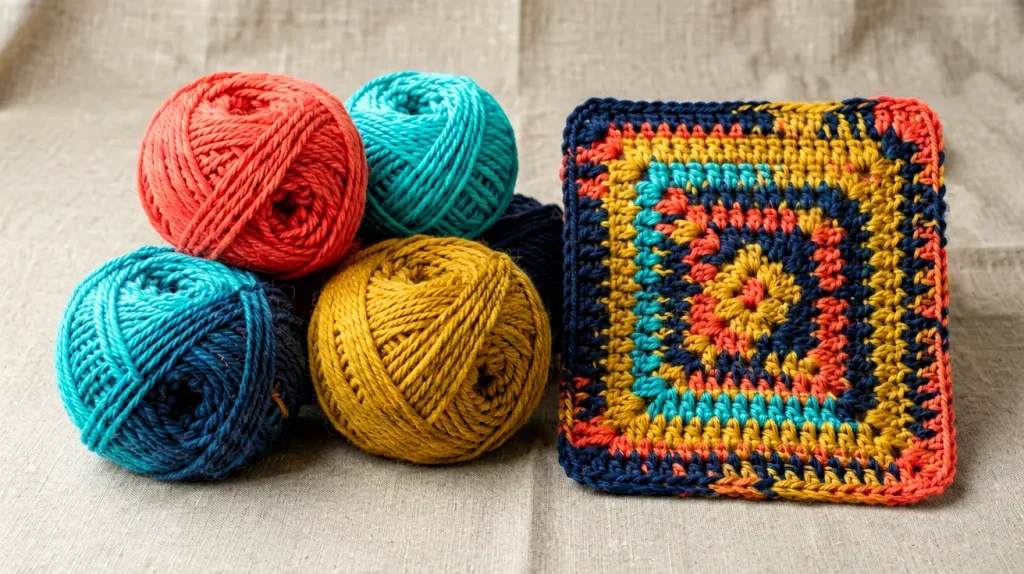
Selecting high-performance fibers and verifying their tensile limits ensures a handmade bag survives years of heavy use without seam failure or structural deformation.
Natural Fiber Dynamics: Cotton Canvas, Hemp, and Jute
Natural fibers bring unique structural dynamics to artisanal production. Selecting unbleached, minimally processed hemp or jute retains natural fiber integrity, delivering up to five times the tensile strength of cotton.
Weight and fabric density dictate how these materials perform under load. We structure our specifications based on the end-use requirements of each bag:
- Crossbody and Shoulder Bags: These styles rely heavily on the strength and consistency of the woven body and strap, making secure strap attachment and even weaving important for everyday durability.
- Tote and Larger Bags: Larger Wayuu bags need a stable woven structure and well-finished handles to maintain their shape when carrying more items.
- Handbags and Smaller Styles: Smaller bags place less load on the woven body, but the stitching, strap connection, closures, and finishing still affect how well they hold up through regular use.
Synthetic Fibers, Denier Ratings, and Protective Coatings
Synthetics offer unrivaled performance when weight-to-strength ratios are critical. Choosing nylon over polyester for critical stress points provides superior tensile strength and two-to-three times greater abrasion resistance.
To maximize durability, we target specific denier ratings and combine them with protective coatings:
- Protective Coatings: PU or PVC coatings can add a protective layer to synthetic fabrics, helping improve resistance to moisture, scuffing, and everyday wear.
- High-Friction Panels: More tightly woven or heavier synthetic fabrics can provide added abrasion resistance in areas that experience frequent contact or rubbing.
Weave Patterns and Fiber Strength Utilization
How yarn interlaces determines how well a fabric utilizes its raw fiber strength. We select stable plain weaves for structured bags requiring precise shape retention. For applications needing high tear resistance and fluid drape, we use twill weaves.
Tight weave structures optimize yarn behavior under load, which directly translates to long-term performance:
- Tensile Strength: A stable weave can help the fabric hold together under tension and reduce the risk of yarns shifting or separating during use.
- Load Distribution: Consistent yarn spacing helps distribute tension across the woven surface, supporting better shape retention and reducing stress on individual areas.
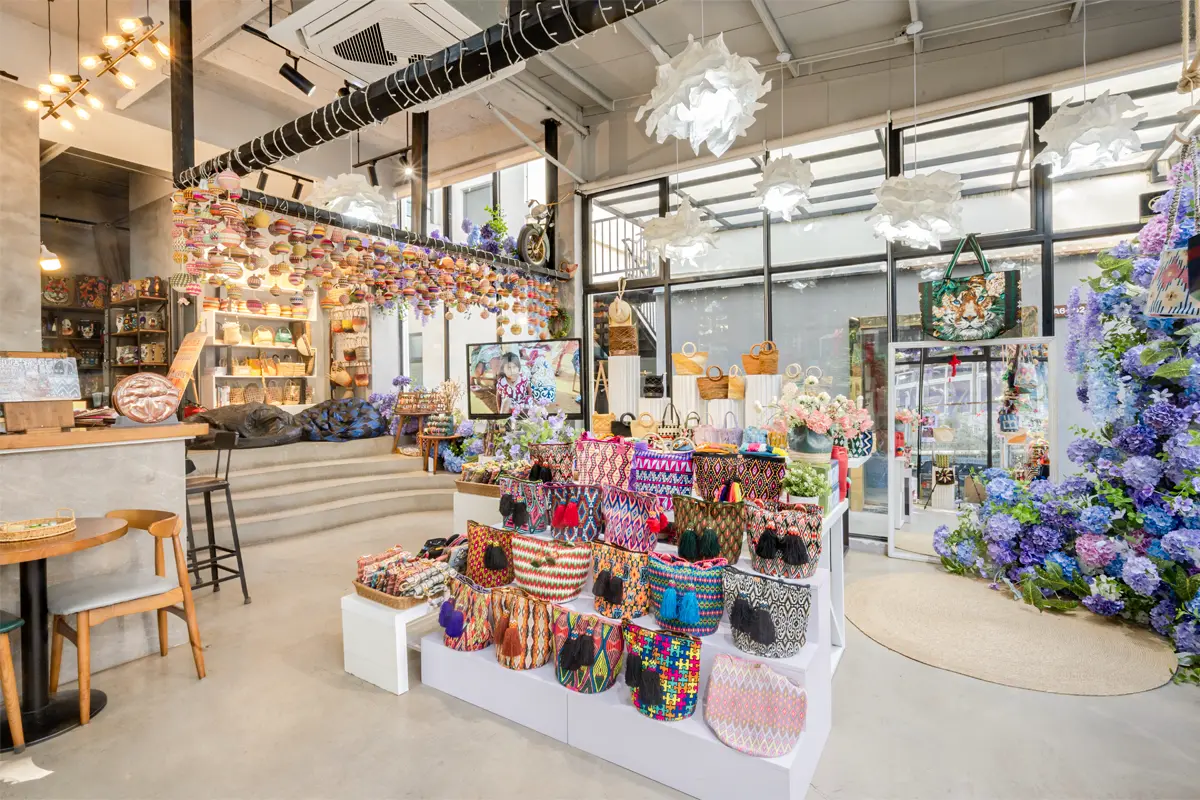
Elevate Your Brand With Luxury Wayuu Bags
Weaving Density and Construction Quality
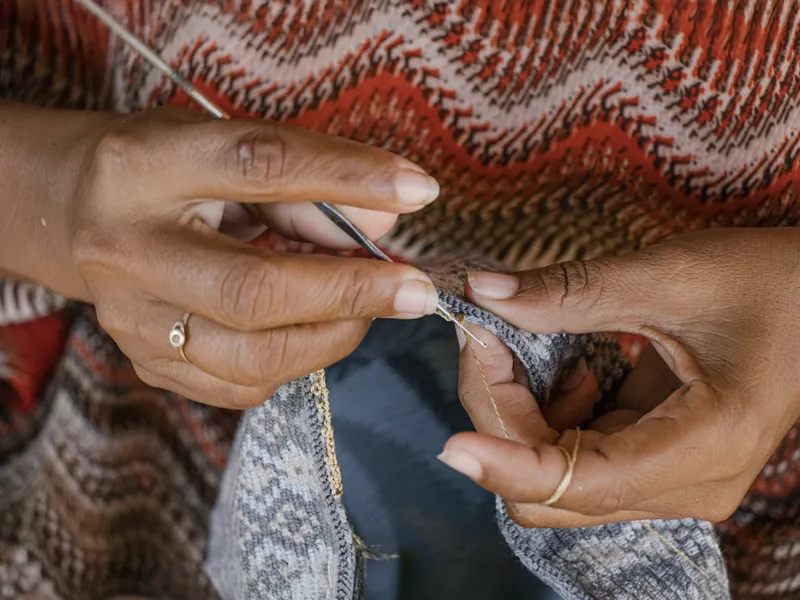
Weaving density and structural quality determine whether a handmade bag withstands years of heavy loading or fails prematurely at key stress points.
How well a woven bag handles everyday use depends partly on how consistently the yarns are arranged across the fabric. Weaving density refers to how closely the warp and weft yarns are positioned, and a more consistent structure can help the bag maintain its shape and resist excessive stretching.
Weaving density can be assessed by looking at the number and spacing of yarns within a defined area. For handmade bags, however, density is only one part of the picture. Yarn thickness, weaving technique, tension, and the way different sections of the bag are constructed can all affect durability.
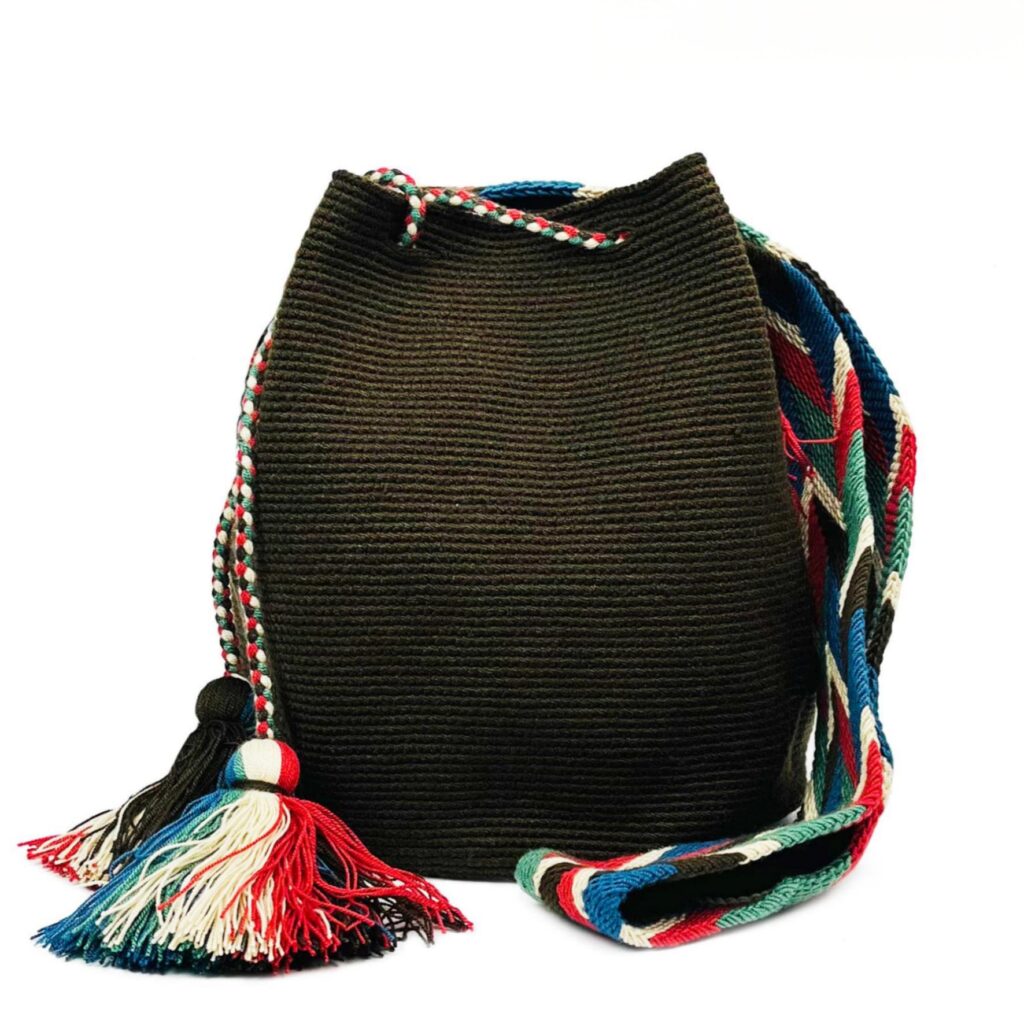
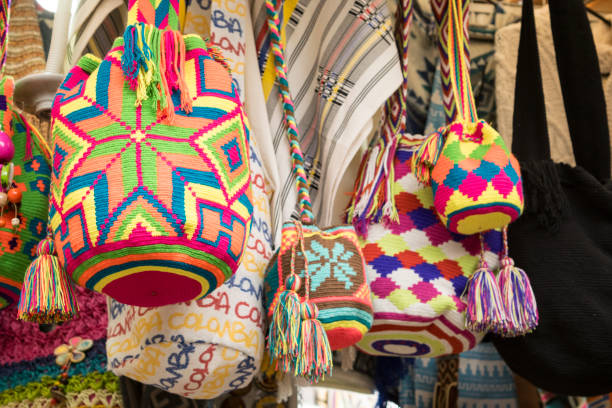
For handwoven Wayuu bags, consistent weaving is particularly important in areas that experience regular tension, such as the body, base, handles, and strap connections. A dense and even weave can provide better structural support while preserving the flexibility and distinctive character of the handmade construction.
How Thread Density Controls Durability and Performance Trade-offs
Denser thread structures change how fabrics behave under stress. Raising the warp and weft counts directly increases breaking force and total load capacity, allowing bag panels to carry heavy items without bowing, sagging, or permanently deforming.
Tight packing also changes the physical characteristics of the surface. This increased density stiffens the fabric, which greatly improves surface abrasion resistance. Because the threads cannot shift easily, the material resists pilling, snagging, and fuzzing when rubbed against rough surfaces.
Seam performance also relies heavily on this layout. Dense weaves anchor sewing threads tightly to prevent seam slippage, a common structural failure where warp or weft yarns pull away from the stitch line under tension.
But packing threads too tightly introduces a physical trade-off. Pushing density to the extreme can actually reduce tear strength. When yarns are locked completely in place, they cannot shift to distribute localized stress, which concentrates tearing forces along a single path. It also makes the bag stiffer and reduces air permeability.
Structural Integration and Weave Selection in Handmade Bags
The pattern of interlacing dictates how effectively fibers hold their shape over time. Plain weaves offer the highest structural stability and abrasion resistance because they feature the maximum number of yarn intersections per unit area. This pattern holds fibers tightly, preventing the yarn displacement and snagging common in looser twill or satin weaves.
True craftsmanship leverages integrated construction rather than relying on weak joinery. Experienced weavers construct straps and load-bearing attachment zones as continuous extensions of the main bag body. Running continuous fibers throughout the structure eliminates the need for separate stitching, rivets, or glue, removing common points of physical failure.
To maintain structural integrity, the weaver must control tension and density tolerances across the entire panel. Even minor tension variations create localized thin areas. These weak zones stretch under load and wear through quickly under regular friction.
When makers combine highly dense, handwoven structures with integrated components—such as tightly crocheted raffia or high-twist natural cords—the bag can easily achieve a functional lifespan of 5 to 10+ years of regular daily use.
Stitching and Finishing Details
Uncompromising stitching and finishing details prevent structural failures at critical load points, directly transforming a handmade bag into a multi-decade tool.
How do you distinguish a cheap souvenir from an heirloom-grade investment? The answer lies in the stitching and finishing details of a handmade bag, which dictate whether a design survives daily stress or unravels within a season. Let’s look at the exact construction benchmarks that guarantee structural longevity.
Stitching Quality and Thread Benchmarks
Standard sewing practices often fail when applied to heavy-use carryall bags. To guarantee structural integrity, makers must adhere to specific mechanical tolerances during assembly.
- Stitch Density: Maintain a consistent count of 8 to 10 stitches per inch (SPI) to achieve optimal material strength without perforating the substrate.
- Thread Selection: Use heavy-duty bonded nylon or polyester thread to resist constant abrasion and repeated flexing.
- Seam Tension: Balance the tension evenly on both sides of the seam to prevent looping, puckering, or premature thread failure.
- Thread Termination: Finish all seam ends securely with backstitching, manual knotting, or careful heat sealing to block unraveling.
Stress-Point Reinforcement and Load Distribution
Bags rarely fail in the middle of a panel; structural breakdown occurs where the user applies force. Directing that energy safely across the body requires deliberate reinforcement at every junction.
- High-Strain Locations: Apply extra support to handle bases, strap anchors, D-ring loops, and bottom corners.
- Load-Spreading Patterns: Stitch Box-X rectangles or compact bar-tacks to disperse weight across a larger surface area.
- Saddle Stitching: Use hand-sewn saddle stitches on critical joints, ensuring the seam holds even if an individual stitch breaks.
Edge Protection and Interior Seam Finishing
Raw edges act as open doors for moisture and friction. Leaving leather or fabric ends exposed guarantees that humidity will slowly rot the fibers from the inside out.
- Raw Edge Sealing: Burnish, wax, or coat exposed leather and fabric borders to block environmental wear.
- Flexible Coatings: Apply thin, highly flexible edge paints in multiple layers to prevent cracking under repeated bending.
- Internal Seam Finishing: Enclose inner edges with bias binding or clean folds to eliminate raw, fraying material.
A clean interior finish shows that a maker values structural longevity just as much as exterior style. This attention to detail keeps the lining intact through years of shifting daily cargo.
Quality Control Before Export
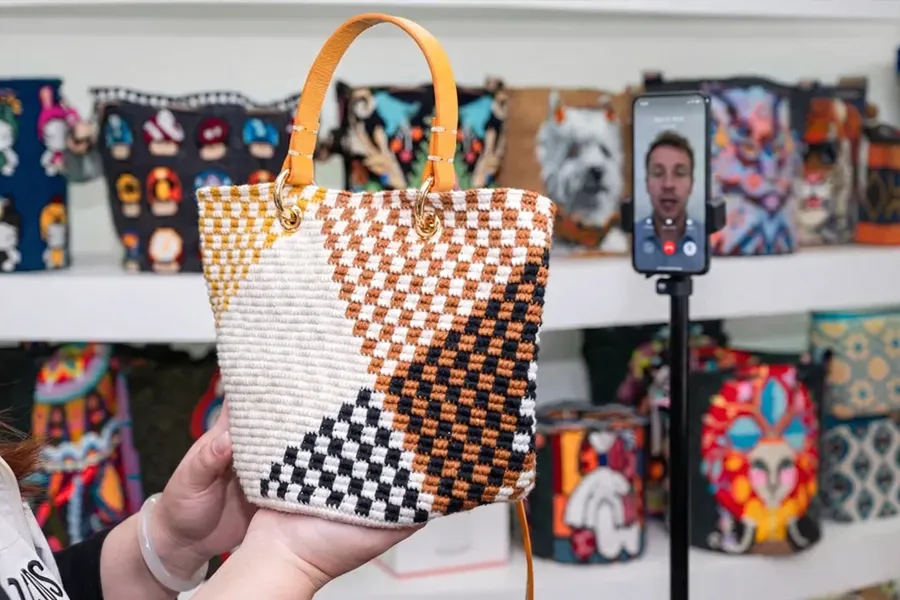
A final quality check helps identify problems that could affect a handmade bag’s appearance, function, or durability before it is packed and shipped. Unlike mass-produced goods, handmade bags naturally contain small variations in weaving, stitching, color, and shape. Quality control should distinguish these characteristics from defects that may affect the finished product.
Physical Inspection and Craftsmanship
The first inspection focuses on the overall construction and finish of the bag. The exact checkpoints vary by material and construction method, but several areas deserve attention across different handmade styles.
- Material and Surface: Check for damaged fabric, loose fibers, stains, scratches, or other visible issues that could affect the finished appearance.
- Stitching and Connections: Inspect seams, handles, straps, and attachment points for loose stitching or weak-looking connections.
- Shape and Structure: Compare the finished bag with the approved sample or design, checking its proportions, shape, and overall construction.
- Handmade Variations: Allow reasonable differences in color, texture, weaving, or pattern placement while identifying variations that go beyond the expected character of handmade production.
Functional and Durability Checks
The most important checks depend on how the bag is constructed and used. Areas that carry weight or experience repeated movement deserve particular attention.
- Handles and Straps: Check that handles and shoulder straps are securely attached and that their connection points are properly finished.
- Seams and Stress Points: Examine the base, corners, seams, and other areas likely to experience repeated tension during everyday use.
- Hardware and Closures: Test zippers, snaps, buckles, magnetic closures, and other components to make sure they function properly.
- Interior and Finishing: Check linings, edges, pockets, and other finished details for loose threads, excess adhesive, or visible construction issues.
For handwoven styles such as Wayuu bags, the inspection can also focus on weaving consistency, strap connections, pattern placement, and the overall condition of the woven surface. These checks help preserve the character of the handmade work while identifying issues that could affect everyday use.
Batch and Order Checks
For wholesale orders, quality control also involves checking the finished products against the buyer’s approved specifications.
- Design Consistency: Confirm that colors, patterns, sizes, materials, and accessories match the approved sample or order details.
- Quantity: Check finished quantities by style and compare them with the purchase order and packing list.
- Product Selection: Separate bags that require repair, adjustment, or further inspection before packing.
- Final Review: Confirm that the approved products are correctly prepared for packaging and shipment.
Packaging and Shipping Readiness
Proper packaging helps protect handmade bags from compression, moisture, and unnecessary handling during transportation.
- Shape Protection: Use suitable paper stuffing or inner protection where needed to help bags retain their shape.
- Clean and Dry Condition: Make sure finished products are clean and sufficiently dry before packing.
- Packing Accuracy: Check carton quantities, product labels, shipping marks, and other required information against the order.
- Final Shipment Check: Verify the styles and quantities before the shipment is released.
Proper Care and Maintenance
Systematic care and maintenance prevent structural breakdown, directly protecting your material investment and doubling the functional lifespan of premium handmade bags.
How does a premium accessory survive years of daily use without degrading? The answer lies in proper care and maintenance, which protects the physical structure of your bag against friction, moisture, and load stress.
Material-Specific Cleaning Protocols
Every material reacts differently to moisture and friction. Applying the wrong cleaning solution can strip dyes, shrink fibers, or crack leather surfaces.
We recommend these material-specific protocols to maintain surface integrity:
- Leather: Wipe surfaces every few days with a dry microfiber cloth to remove abrasive dust. Use specialized leather cleaners instead of water-soaked cloths to avoid warping and stiffness.
- Canvas and Textiles: Spot clean local stains with mild soap and cool water. Always dab instead of scrubbing to prevent fiber fuzzing, and air-dry away from direct heat.
- Handwoven Fibers: Remove dust from delicate weaves using a soft-bristled brush or lint roller. Keep these materials entirely dry to prevent mold.
Always spot-test any cleaning agent in an inconspicuous area before full application to prevent staining.
Strategic Storage and Shape Preservation
Bags left empty in closets eventually sag, crease, and lose their original form. Environmental factors like humidity and UV rays accelerate this structural decay during periods of non-use.
Protect your collection using these structural preservation rules:
- Climate Control: Choose cool, dry, and dark storage spaces to block UV fading and prevent mold growth.
- Breathable Covers: Wrap bag exteriors in cotton dust bags or pillowcases. Avoid plastic bags, which trap ambient moisture and rot organic fibers.
- Internal Support: Fill the interior with acid-free tissue paper or clean, soft fabrics. This supports the structural silhouette without risking ink transfer.
- Positioning: Place bags upright or flat on shelves. Do not hang bags by their straps, as this stretches the handles and places unnecessary tension on critical seams.
Conditioning and Protective Treatments
Raw materials need periodic barrier protection to resist environmental wear. Leather requires active hydration to keep its collagen fibers supple. Apply a high-quality leather balm or cream twice a year, working it in with a soft cloth in circular motions. Avoid silicone-based products, which coat the surface, block breathability, and attract dust.
For fabric and canvas, specialized protective sprays shield the weave against rain and sudden stains. If your bag gets wet, blot the moisture immediately and let it air-dry naturally at room temperature. Keep wet materials far away from radiators, hair dryers, or direct sunlight, as artificial heat causes rapid cracking and shrinkage.
Mindful Usage and Load Management
Daily carrying habits dictate how well a bag retains its physical alignment. Overloading strains structural joints, pulling seams apart and warping the base panel permanently.
Maintain mechanical balance by managing your daily load:
- Weight Limits: Limit internal weight to avoid overstretching handles, warping the base, or ripping critical seam joints.
- Load Distribution: Place heavier items near the center-bottom of the bag to distribute physical tension evenly across structural panels.
- Internal Organization: Pack pens, keys, and cosmetics inside secondary pouches. This simple habit prevents interior lining punctures and permanent oil or ink stains.
Routine Inspection and Minor Repairs
Small structural issues can quickly turn into unfixable tears if ignored. Inspect your bags every few weeks, looking closely at handle joints, corners, zipper teeth, and metal hardware.
Address early signs of wear immediately. Carefully snip loose sewing threads with scissors, and use a flame to briefly melt the frayed ends of synthetic straps to stop further unraveling. For structural repairs, deep leather conditioning, or broken hardware replacement, consult a professional leather restorer annually to preserve your investment.
Frequently Asked Questions
What makes a handmade bag durable?
A durable handmade bag relies on a strong base material, reinforced stress points, robust seams, and high-quality hardware. Artisans strengthen high-wear areas like handle attachments, strap anchors, and corners using double-stitching, bar tacks, or rivet backing washers. Using saddle stitching in leather goods ensures that even if one stitch breaks, the entire seam does not unzip. Solid metal hardware and internal stabilizers like interfacing or bottom boards prevent structural collapse and distribute loads evenly.
How long do handmade bags last?
A well-constructed handmade bag can often last 3 to 5 years or longer, depending on its materials, construction, use, and care. Wayuu bags are a good example: their handwoven construction and carefully finished handles can help them maintain their structure through regular use.
Which material is most durable for handmade bags?
Durability depends on the material as well as the weaving or sewing structure, reinforcement, hardware, and intended use. For Wayuu bags, the quality and consistency of the handwoven construction are important factors alongside the materials used for handles, lining, and other components.
Why do some handmade bags lose shape?
Bags lose their shape when they lack proper internal reinforcements, such as sturdy base boards, stable interlinings, or corner stabilizers. Over time, natural fibers and leathers stretch under daily loads—a process known as fabric creep. Carrying heavy items unevenly or storing bags empty without support accelerates this sagging. Heat and humidity can also soften internal adhesives, causing linings to delaminate from the outer shell and collapsing the bag’s structural skeleton.
How can I check bag quality before buying?
Look closely at the weaving or stitching, handle attachments, edges, lining, and hardware. For handwoven bags, check that the pattern and tension are reasonably consistent and that the handles and high-stress areas are securely finished. Also inspect closures and hardware for smooth operation and visible defects.
Can handmade bags be washed?
Washability depends on the specific material, weave, lining, hardware, and construction. Handwoven bags should generally be cleaned according to their material-specific care instructions rather than placed directly in a washing machine. When in doubt, gentle spot cleaning and natural air-drying are safer options.
What affects strap strength?
Strap strength depends on the base material, internal reinforcement, and the attachment design. While nylon webbing offers high tensile strength, fabric straps require multiple folded layers combined with heavy-duty fusible interfacing or an internal webbing core. Secure attachments utilize a sewn box-with-an-X pattern, triple-pass seams, or backing washers behind metal rivets. This spreads the load across a larger surface area of the bag body rather than putting strain on a single seam line.
How should handmade bags be maintained?
Regular, gentle maintenance preserves bag lifespan far better than deep restorative cleaning. Dust your bag weekly with a soft cloth and spot-clean stains immediately using a pH-neutral cleaner. Air-dry wet bags naturally, away from radiators or direct heat sources that crack leather and shrink fibers. Store bags upright in a cool, dry place inside a breathable dust bag, and stuff them lightly with acid-free tissue paper to preserve their original shape.
Final Thoughts
Durability comes from more than a single material or construction detail. Consistent craftsmanship, secure handles, reinforced stress points, quality hardware, and careful finishing all contribute to how a handmade bag performs over time. For Wayuu bags, the quality of the handwoven construction is equally important in preserving both function and traditional character.
If you are looking for a reliable Wayuu bag supplier for your brand or retail collection, you can start by reviewing our catalog and available designs. We offer ready-stock options as well as remake services for buyers who need specific colors, patterns, or product details. Contact our team to discuss wholesale orders, custom requirements, or sourcing options for your next collection.