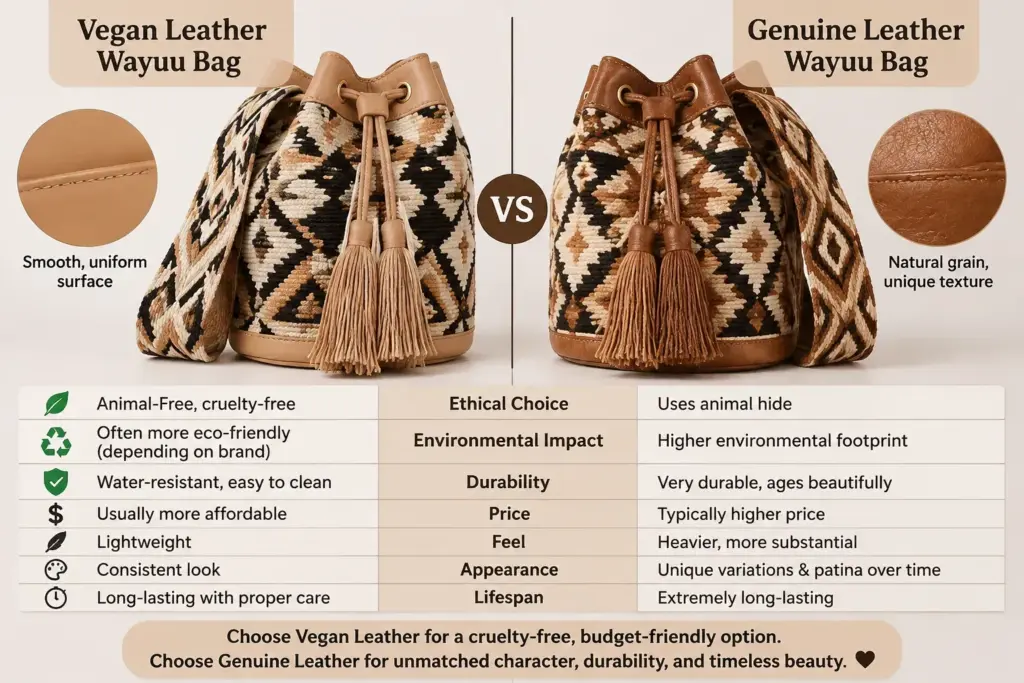
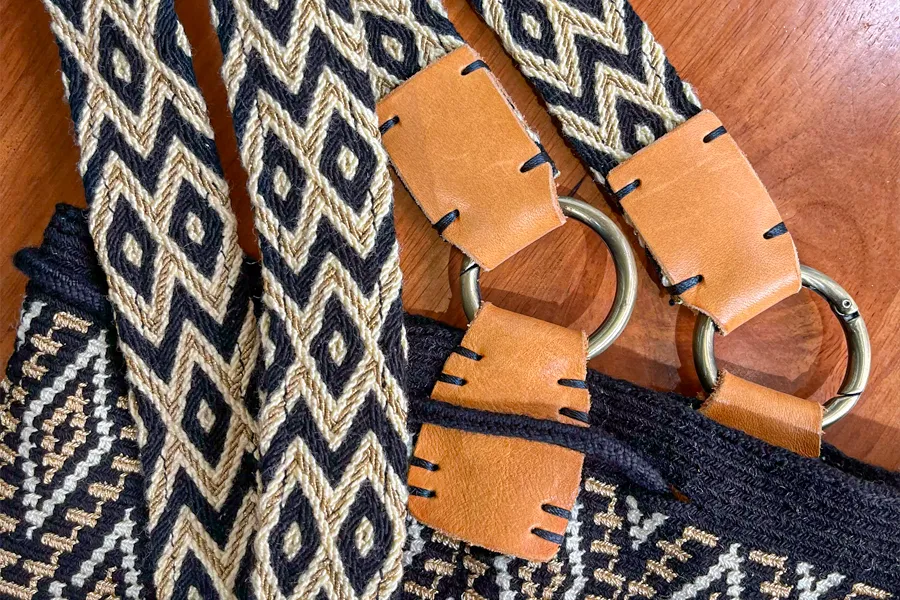
Not every leather bag complaint points to a product defect. Unsuitable cleaning products, excessive heat, and improper storage can all damage leather after purchase. When this happens, customers may blame the product — and the retailer who sold it.
For boutique owners and bag resellers, leather care knowledge helps prevent avoidable complaints and build customer trust. This guide covers Italian leather types, care routines, product compatibility, and storage practices, along with practical ways to educate customers, reduce returns, and encourage repeat purchases.
The Science Behind Italian Leather: Why It Needs Care
Leather is not a static material. It is an organic, porous network of collagen fibers that behaves more like skin than like fabric. Those fibers are held together and kept flexible by natural oils and moisture — and once those oils are depleted, the damage accelerates rapidly.
Think of leather fibers as a sponge. When the sponge is hydrated, it is supple, resilient, and flexible. When it dries out, it becomes stiff, brittle, and prone to cracking. The same principle applies to every leather bag on your shelf. Without regular replenishment of oils through conditioning, Italian leather will slowly lose its suppleness, develop surface cracks, and become vulnerable to staining and structural damage.
The rate at which this happens depends heavily on two factors: the tanning method and the leather grade.
Vegetable-Tanned vs Chrome-Tanned: Different Care Requirements
Italian leather is predominantly produced using one of two tanning methods, and each responds to care differently.
Vegetable-tanned leather uses natural tannins from tree bark and plant materials. This method produces leather that is highly absorbent, develops a rich patina over time, and is prized for its natural character. The trade-off is that veg-tan leather is more susceptible to water stains, color transfer, and UV damage. It requires more frequent conditioning — typically every 2-3 months for bags in regular use — and demands greater attention to storage conditions.
Chrome-tanned leather uses chromium salts and produces a more water-resistant, color-stable material. Chrome-tanned bags can go longer between conditioning sessions and tolerate more environmental variation. However, they will not develop the same depth of patina, and the chemical tanning process means the leather may feel less “alive” to the touch.
How Leather Grade Determines Care Frequency
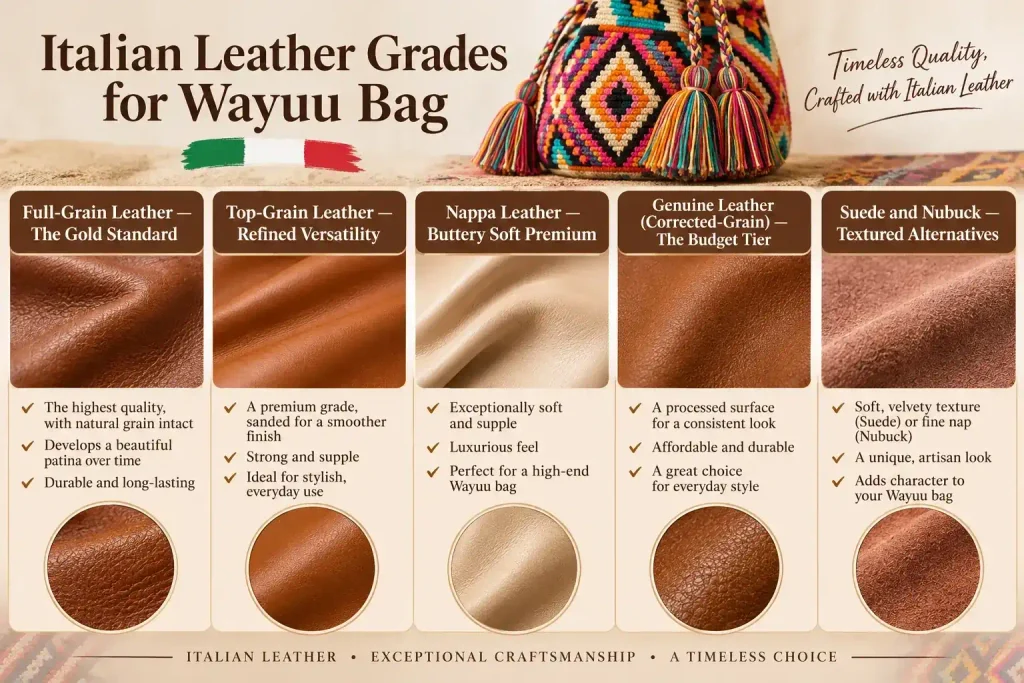
Care requirements vary significantly across Italian leather grades. Full-grain leather, with its intact surface and natural pores, absorbs conditioning products most effectively and rewards proper care with decades of service and a beautiful patina. Top-grain leather has a protective surface coating that reduces absorption but also reduces vulnerability — it needs less frequent care but will not develop the same character. Nappa leather, prized for its softness, is more vulnerable to water and oils and requires gentler, more frequent attention. Suede and nubuck, with their exposed fiber surfaces, cannot be conditioned at all and must be cared for through dry methods only.
The Complete Care Routine: Daily, Monthly, Seasonal
Effective leather care is not complicated, but it does need to be consistent. The following framework breaks care into three frequencies: actions to perform after every use, monthly maintenance, and seasonal deep care. Sharing this framework with customers — whether printed on a care card or included in a post-purchase email — is one of the simplest ways to reduce returns and build retail authority.
| Frequency | Action | أدوات | Time |
|---|---|---|---|
| After each use | Wipe surface with dry cloth in one direction | Clean white cotton cloth | 30 seconds |
| Weekly (heavy use) | Light wipe with barely damp cloth | Well-wrung cotton cloth | 2 minutes |
| Monthly | Deep clean with leather cleaner, inspect hardware | Leather cleaner + soft brush | 10 minutes |
| Every 2-3 months | Condition and buff to restore oils | Leather cream + soft cloth | 15 minutes |
| Seasonal storage | Clean, condition, stuff, dust bag, climate control | Acid-free paper + cotton bag + silica gel | 20 minutes |
Step-by-Step Conditioning Guide
Conditioning is the single most important care action for Italian leather. Here is the correct process:
- Clean the surface first. Dust and dirt particles will block the leather’s pores and prevent the conditioner from absorbing. Use a soft brush or barely damp cloth to remove surface debris.
- Spot-test the product. Apply a tiny amount of conditioner to an inconspicuous area — the bottom corner of the bag is ideal. انتظر 15 minutes and check for any color change or adverse reaction. If the test area darkens significantly or develops a blotch, the product is not compatible with this specific leather.
- Apply to the cloth, not the leather. Never pour conditioner directly onto leather. Place a pea-sized amount on a clean, soft cloth and spread it in small circular motions across the surface. Thin, even layers absorb better than thick applications.
- Let it rest for 15 minutes. The leather needs time to absorb the oils. Leave the bag in a well-ventilated area away from direct sunlight or heat sources.
- Buff off the excess. Use a fresh, dry cloth to gently buff the surface in one direction. This removes unabsorbed product and brings up a subtle, natural sheen.
Care Products Decoded: Conditioner vs Cream vs Wax vs Spray
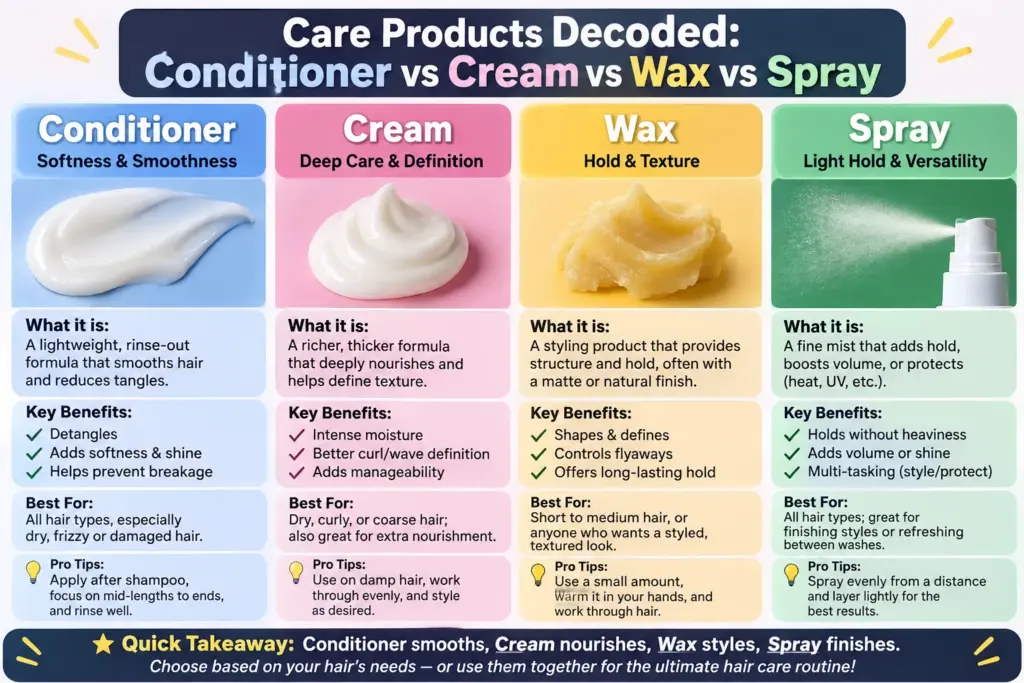
Walk into any leather supply store and the range of products can be overwhelming. For retailers advising customers, understanding the four main categories of care products — and which leather types they suit — eliminates guesswork and prevents the kind of product mismatch that causes damage.
| Product Type | Primary Ingredients | Function | Best For | Risk if Misused |
|---|---|---|---|---|
| Conditioner (liquid) | Oils + penetrating agents | Deep nourishment, restores flexibility | Full-grain, Nappa | Over-application clogs pores |
| Cream | Oils + wax + emulsifiers | Nourish + minor color refresh | All smooth leathers | Silicone-based creams seal pores |
| Wax (paste) | Beeswax / carnauba wax | Surface protection, adds sheen | Full-grain, top-grain | Not suitable for suede or Nappa |
| Protector spray | Fluorocarbon / nano-coating | Water and stain barrier | All types (apply first on new bags) | Reapply every 3 months or protection fades |
Products to Avoid at All Costs
The following products cause the most common — and most expensive — leather care mistakes. Make sure your customers know about them:
- Alcohol and alcohol-based wipes. Alcohol strips leather of its natural oils, accelerating drying and cracking. A single application of hand sanitizer to a leather surface can cause permanent damage.
- Household cleaners. Their pH levels are designed for hard surfaces, not organic fibers. They break down leather’s protein structure and leave residues that attract dirt.
- Shoe polish. Shoe polish is formulated for a different weight and texture of leather. Color mismatch is nearly impossible to reverse, and the wax content can clog the finer pores of bag leather.
- Heat drying (hair dryer, radiator, direct sun). Heat causes leather fibers to lose moisture rapidly and become brittle. The resulting cracks are irreversible. If a bag gets wet, it must be allowed to dry naturally at room temperature.
- Plastic storage bags or sealed boxes. Leather needs to breathe. Sealed plastic environments trap moisture against the surface and promote mold growth, particularly in humid climates.
Leather Type × Care: Nappa, Full Grain, Suede, Patent
Not all Italian leather is cared for the same way. The finish and surface treatment of each leather type determines which products are safe, how often conditioning is needed, and what environmental exposures to avoid. This compatibility matrix is worth printing on a care card and including with every bag sale.
| Leather Type | Cleaning Method | Conditioning Frequency | Water Protection | Biggest Risk Factor |
|---|---|---|---|---|
| Full-Grain | Damp cloth + leather cleaner | Every 2-3 months | Protector spray recommended | Prolonged sun exposure |
| Nappa | Dry cloth or Nappa-specific cleaner only | Monthly (unfinished) / quarterly (finished) | Spray after spot-test | Water, oils, fingerprints |
| Suede / Nubuck | Suede brush + suede eraser (dry only) | Never (oil products prohibited) | Mandatory protector spray before first use | Water (any exposure is damaging) |
| Patent | Damp cloth + dilute white vinegar for marks | Not needed | Not needed | Contact with dark fabrics (color transfer) |
The Patina Factor: Why Full Grain Gets Better with Age
One of the most powerful selling points for full-grain, vegetable-tanned Italian leather is patina — the gradual darkening and deepening of color that occurs as the leather absorbs oils from handling, exposure to light, and environmental interaction. A well-developed patina is widely considered a mark of quality and character. It is the reason vintage leather goods command premium prices.
For retailers, patina is a double-edged sword that requires careful customer education. A well-maintained patina — supported by regular conditioning and proper storage — looks rich, warm, and intentional. A neglected patina — uneven darkening from water exposure, dark spots from oils, faded patches from sun — looks damaged and cheap. The difference is entirely determined by care habits.
Consider framing patina as a feature when selling full-grain bags: “This bag will develop a unique character over time. With proper care, it will look better in five years than it does today.” That single sentence manages expectations, motivates care, and positions you as a knowledgeable seller.
Storage and Handling: The Hidden Return Killers
Storage mistakes are responsible for a disproportionate share of leather bag returns. Customers store bags incorrectly between seasons, then pull them out months later to discover deformation, mold, or surface damage — and return them as “defective.” Educating customers on proper storage is one of the highest-ROI things a retailer can do.
Five Storage Mistakes That Destroy Leather Bags
- Storing in sealed plastic. Leather requires air circulation. Plastic bags and sealed acrylic boxes trap humidity against the surface, creating ideal conditions for mold. Always use breathable cotton dust bags.
- Storing upright without support. Gravity acts on unsupported leather over time, causing handles to stretch and the bag’s silhouette to collapse. Store structured bags in a position that supports their shape. Use acid-free tissue paper or clean, soft material to fill the interior and reduce creasing during storage.
- Skipping the filling step. An empty bag will develop permanent creases at its fold points. Stuff the interior with acid-free tissue paper or clean, white cotton cloth — never newspaper, as ink transfers.
- Using the same bag every single day. Leather needs rest periods to allow absorbed moisture to evaporate and fibers to recover their shape. Rotating between two or three bags extends the life of each one significantly.
- Exposing light-colored bags to dark fabrics. Color transfer from dark denim, dyed scarves, or dark clothing onto light leather is one of the most difficult stains to address. It penetrates the surface and often requires professional intervention. Warn customers proactively.
The Ideal Storage Protocol
For seasonal storage or long-term care, the optimal environment is 60-70°F (15-21°C) with 40-55% relative humidity. In humid climates, silica gel packets placed near (but not touching) the bag help regulate moisture. The bag should be cleaned, conditioned, stuffed with acid-free paper, placed in a cotton dust bag, and stored flat in a ventilated closet — away from direct sunlight, heating vents, and dampness.
Turning Care Knowledge into a Retail Advantage
Most bag retailers treat care as an afterthought — something to address when a customer complains. The more effective approach is to build care education into the selling process itself, transforming it from a cost center (handling returns) into a revenue and loyalty driver.
There are several proven ways to do this:
Care cards included with every purchase. A well-designed, double-sided card with a care timeline on one side and a do’s-and-don’ts list on the other costs less than $0.20 per unit to print at scale. It signals professionalism, reduces “I didn’t know” complaints, and gives customers a reason to keep your brand name visible in their home.
Bundled care product kits. A leather conditioner, a protector spray, and a microfiber cloth bundled as a “care kit” and offered at checkout for $15-30 adds meaningful margin and demonstrates that you stand behind the longevity of what you sell. Customers who buy the kit are statistically more likely to return — they have invested in maintaining the product.
Post-purchase email sequences. A three-email series — “Week 1: Your Bag’s First Conditioning,” “Month 3: Seasonal Care Reminder,” “Month 6: How to Spot Early Signs of Neglect” — keeps your brand in the customer’s inbox for six months and positions every follow-up as valuable content rather than a sales pitch.
Staff training on care conversations. When a sales associate can explain the difference between conditioning Nappa and cleaning suede during a fitting, the customer’s perception of the store shifts from “shop” to “specialist.” This is particularly powerful in markets where customers compare you against online-only competitors who cannot offer this kind of guidance.
Care Card Template Ideas for Boutique Owners
An effective care card includes: the bag’s leather type (printed or hand-stamped at point of sale), the recommended conditioning frequency for that type, three things to never do, the store’s contact information for care questions, and a QR code linking to a full care guide on your website. That last element turns a physical card into a digital traffic driver and an opportunity to capture the customer’s email.
How Pactus Builds Durability into Every Bag
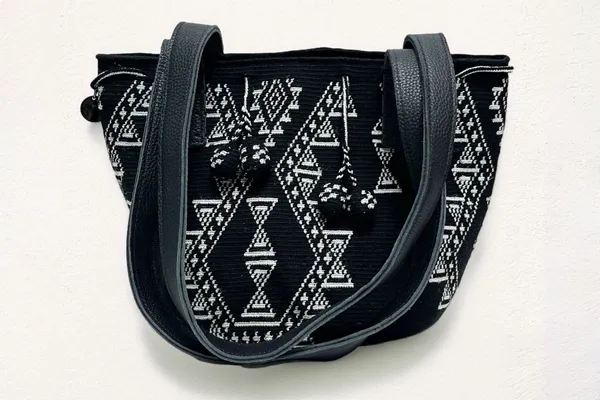
Care starts at the design stage, not at the point of sale. ال مجموعة طبعة جديدة مدمجة addresses several of the most common leather care pain points through material and hardware choices that reduce the maintenance burden on the end user.
The collection uses Italian full-grain, vegetable-tanned leather that develops a warm, natural patina over time. This is leather that rewards care rather than demanding it — regular conditioning produces a deep, rich surface character that improves the bag’s appearance year after year. For retailers, this is a straightforward story to tell: “The more you care for this bag, the more beautiful it becomes.”
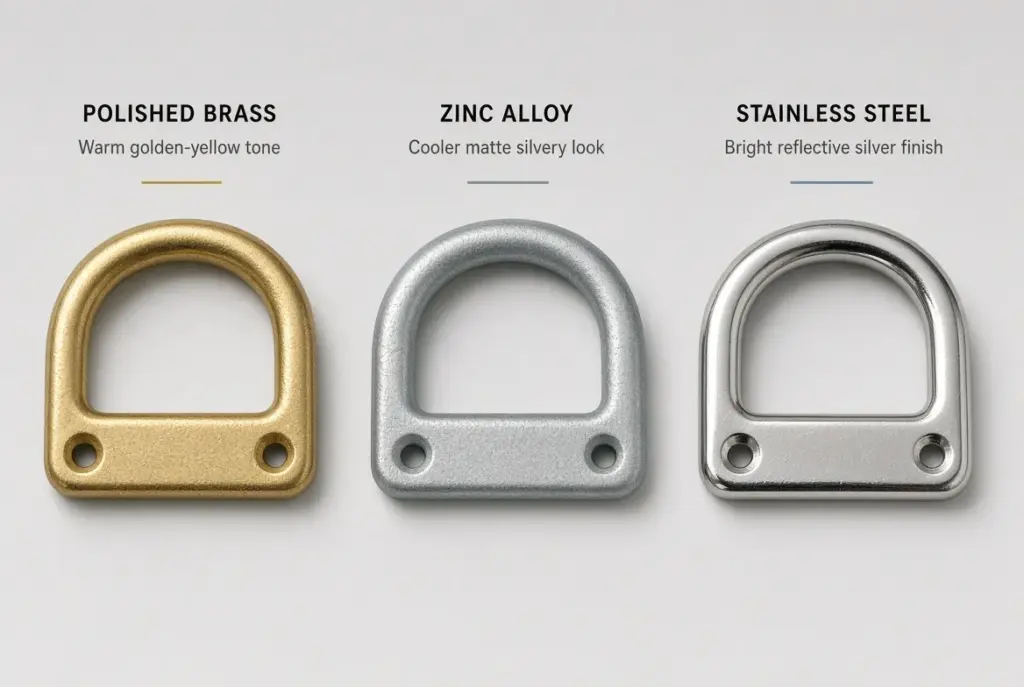
Hardware is where most leather bags fail first. The Remake Collection specifies سحابات YKK throughout, backed by the manufacturer’s 10,000-cycle durability rating, alongside solid copper fittings that will not oxidize or tarnish the way plated zinc alloy does. Copper develops a warm, living finish over time that complements the leather’s patina rather than contrasting with it.
For retailers evaluating the collection for wholesale, the care story is simple to communicate and easy to support. The leather type, hardware quality, and hand-stitched construction together produce a product where proper care genuinely extends the bag’s lifespan into decades — and where that lifespan becomes a selling point, not a liability.
Whether your customers are comparing vegan leather versus genuine leather options or evaluating Italian leather grades for the first time, a bag that ages well with basic care is the strongest argument for quality you can make.
FAQ: Italian Leather Bag Care
Can I use water to clean my Italian leather bag?
A barely damp cloth is safe for most smooth Italian leathers — full-grain, top-grain, and finished Nappa. The cloth should be well-wrung, not wet. Water should never be poured or sprayed directly onto leather, and suede and nubuck must never be exposed to water at all. If a bag becomes soaked, blot the surface with a dry absorbent cloth and allow it to dry naturally at room temperature — never use heat.
How often should I condition Italian leather?
For bags in regular use, every 2-3 months is a reliable baseline. Bags stored or used infrequently can be conditioned every 4-6 months. Unfinished Nappa leather, which dries out faster, benefits from monthly conditioning. The best indicator is touch: if the leather feels dry, stiff, or less supple than when you bought it, it needs conditioning.
What should I do if my Italian leather bag gets wet?
Blot the moisture immediately with a clean, dry, absorbent cloth. Do not rub — blotting lifts water without pushing it deeper into the fibers. Let the bag dry naturally in a ventilated area away from direct heat or sunlight. Once fully dry, apply a light layer of conditioner to restore any oils lost during the wetting process. For suede and nubuck, allow to dry completely, then restore the nap with a suede brush.
Is patina on Italian leather a sign of damage or quality?
Patina is a sign of quality — but only when it develops evenly and is supported by proper care. An evenly developed patina on vegetable-tanned full-grain leather is one of the most valued characteristics in premium leather goods. Uneven darkening, dark spots, or faded patches typically indicate inconsistent care, water exposure, or UV damage. Regular conditioning and proper storage produce the desirable, uniform patina that increases a bag’s character and value over time.
How should I store Italian leather bags between seasons?
Clean and condition the bag before storage. Stuff it with acid-free tissue paper or clean white cotton to maintain its shape. Place it in a breathable cotton dust bag — never plastic. Store flat in a ventilated space at 60-70°F (15-21°C) with 40-55% humidity. In humid climates, place silica gel packets nearby but not in direct contact with the leather. Check on stored bags every 2-3 months to ventilate them and reapply conditioner if the leather feels dry.
This article is part of our Complete Bag Material Guide for Retailers — the central resource for choosing the right materials, الأجهزة, and certifications for your product line.