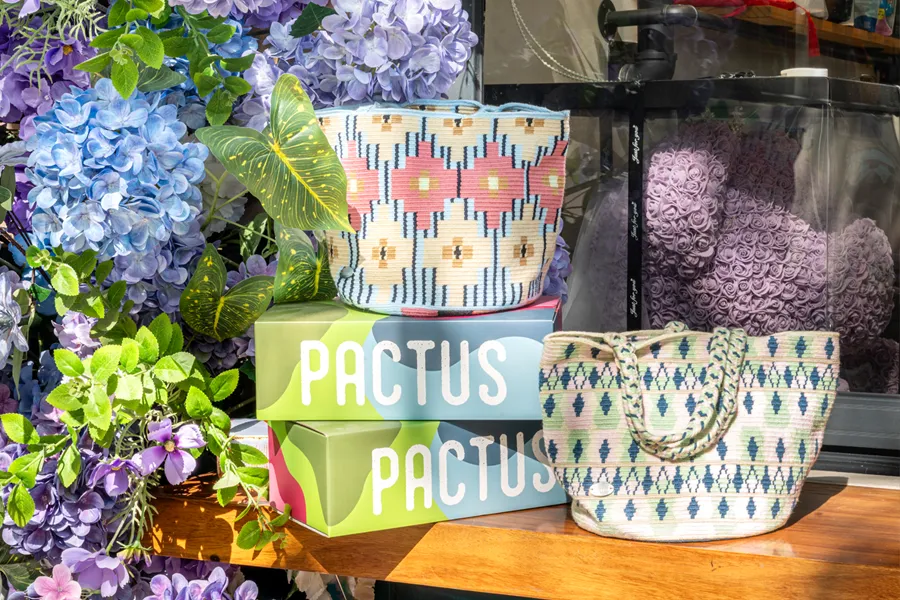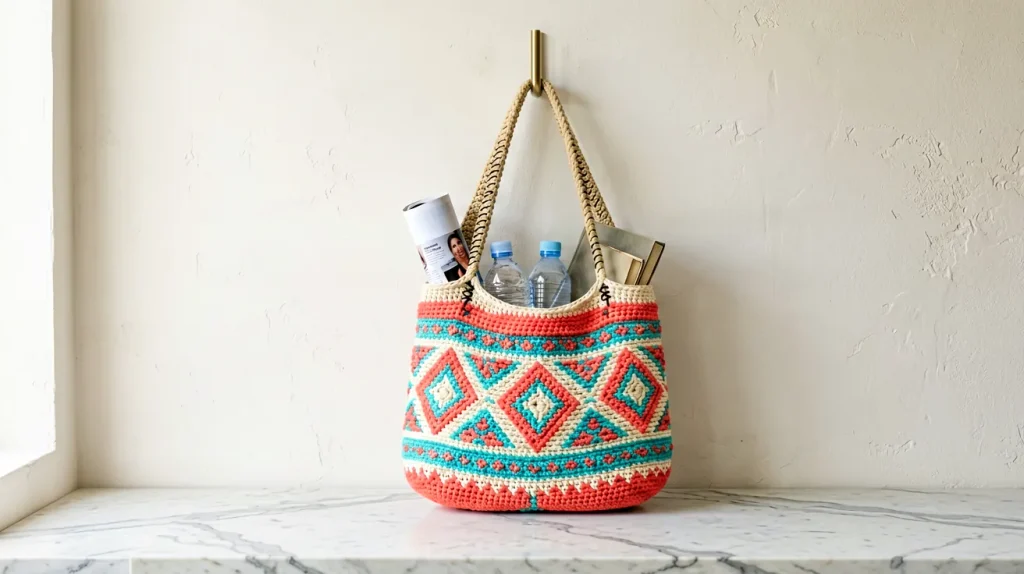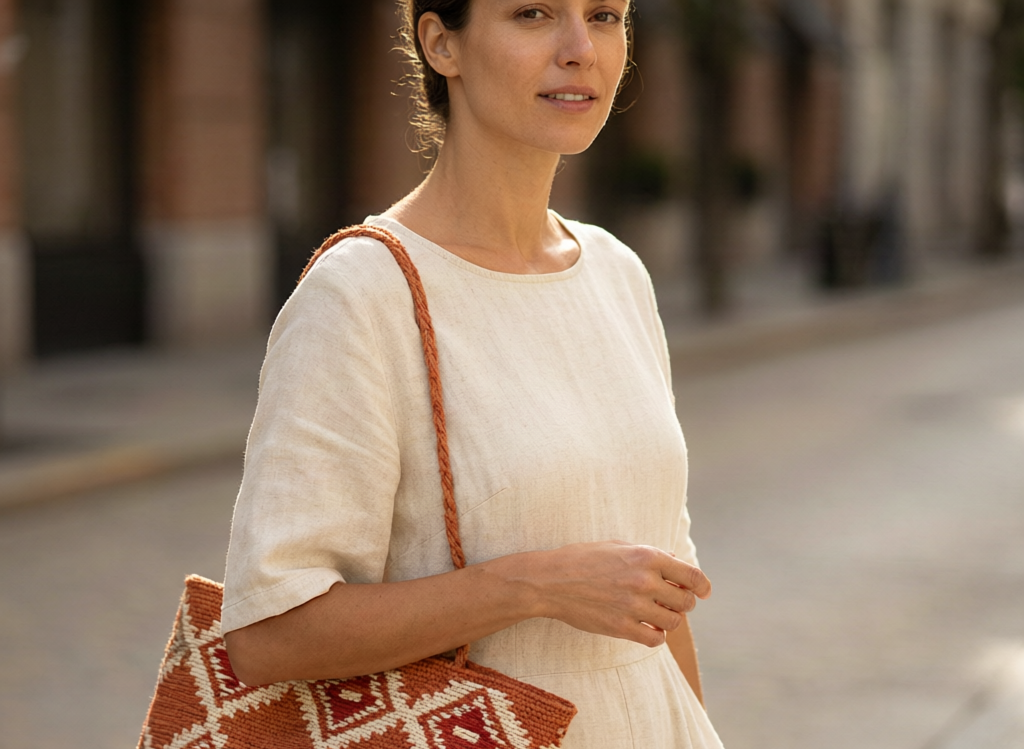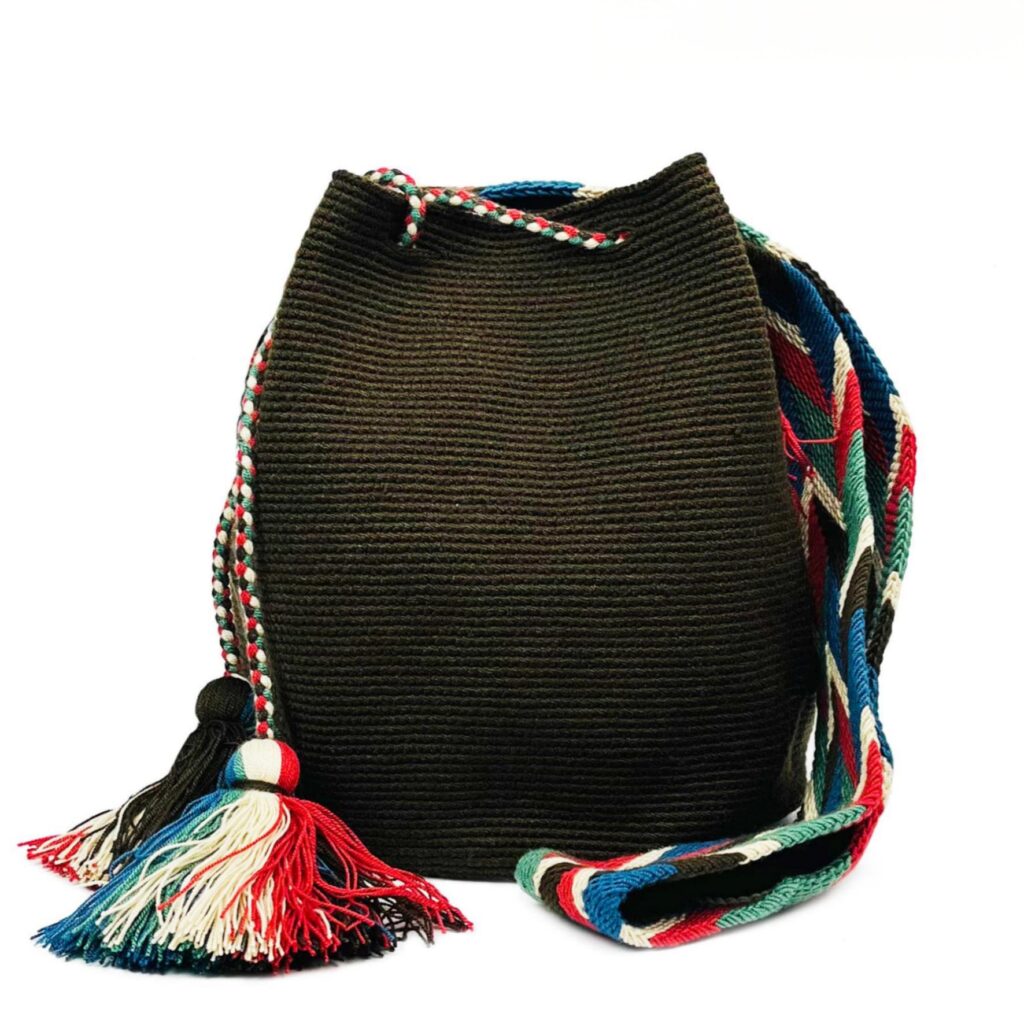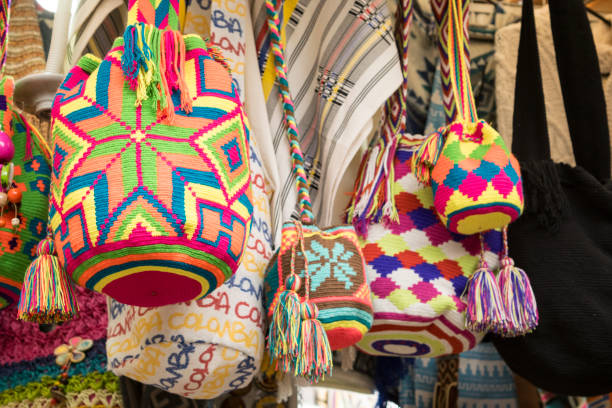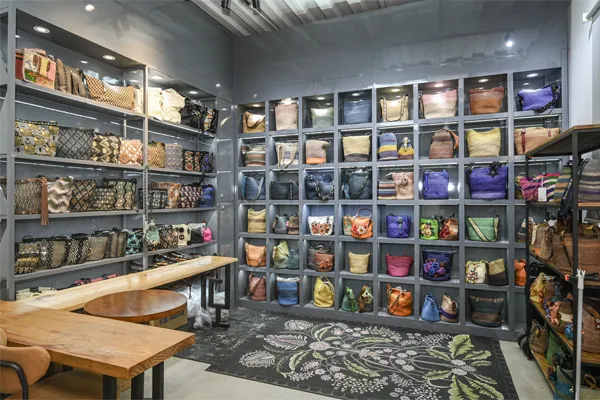
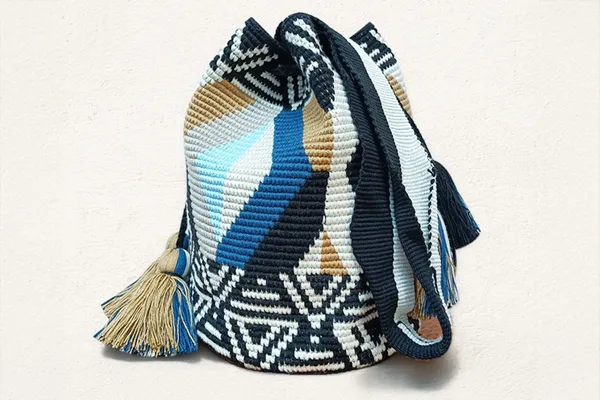
Something has shifted in the way people shop for accessories. The shopper who once reached for a low-cost tote may now pause over a handwoven bag and ask who made it. For some consumers, that shift makes craftsmanship, origin, and individuality part of the buying decision.
This guide explains what is driving the shift and what it means for the brands and boutiques who sell to these customers. The pattern matters commercially, because a customer who understands handmade value buys differently, pays differently, and stays longer.
Key Takeaways
- Fast fashion accessories compete on price and lose on meaning.
- Uniqueness, story, and sustainability now drive accessory purchases.
- Handmade buyers pay more for visible craft and traceable origin.
- Brands that explain invisible craft value convert browsers into repeat customers.
- Artisan fashion is a structural shift, not a passing trend.
The Problem With Fast Fashion Accessories
Fast fashion accessories are often built around speed, accessible pricing, and frequent style changes.
Fast fashion built its business on speed and volume. New styles arrive weekly, prices stay low, and quality is calibrated to survive a season rather than a decade. Accessories follow the same logic, with synthetic materials, glued seams, and hardware that dulls after a few months.
The Exhaustion Cycle of Trend Rotation
Trend rotation trains shoppers to treat accessories as disposable. A bag bought for one micro-trend exits the wardrobe when the next trend lands. The result is a closet full of identical-feeling pieces and a quiet sense that none of them mean anything. Many shoppers describe that fatigue long before they change their habits.
The Trust Cost of Disposable Quality
Low durability has a compounding commercial cost. A customer burned by a broken strap or peeling lining learns to distrust the category, not just the brand. That distrust pushes some shoppers downward on price and pushes others upward toward goods built to last. Read about what makes handmade bags durable to see what the upward path expects.
Demand for Unique Products
Mass production sells sameness. Social media made sameness visible.
Instagram and TikTok exposed how many people own the same mass-produced bag. Once shoppers could see a thousand identical totes in one scrolling session, uniqueness became a status signal. Handmade bags answer that demand directly, since no two pieces ever leave the loom exactly alike.
Why No Two Handmade Bags Match
Each handwoven bag carries the fingerprint of its maker. Yarn tension shifts slightly between weavers, and color lots drift between dye batches. What factories call variance, handmade customers call character. A buyer who wants a bag nobody else owns is buying exactly that variance.
Individuality as a Purchase Driver
Surveys of consumer behavior consistently rank uniqueness among the top reasons for choosing artisan goods. The motivation cuts across age groups. Younger shoppers frame it as self-expression, while older shoppers frame it as taste. Both frames end at the same shelf, choosing the piece that looks like nothing mass production offers.
The Value of Craftsmanship and Storytelling
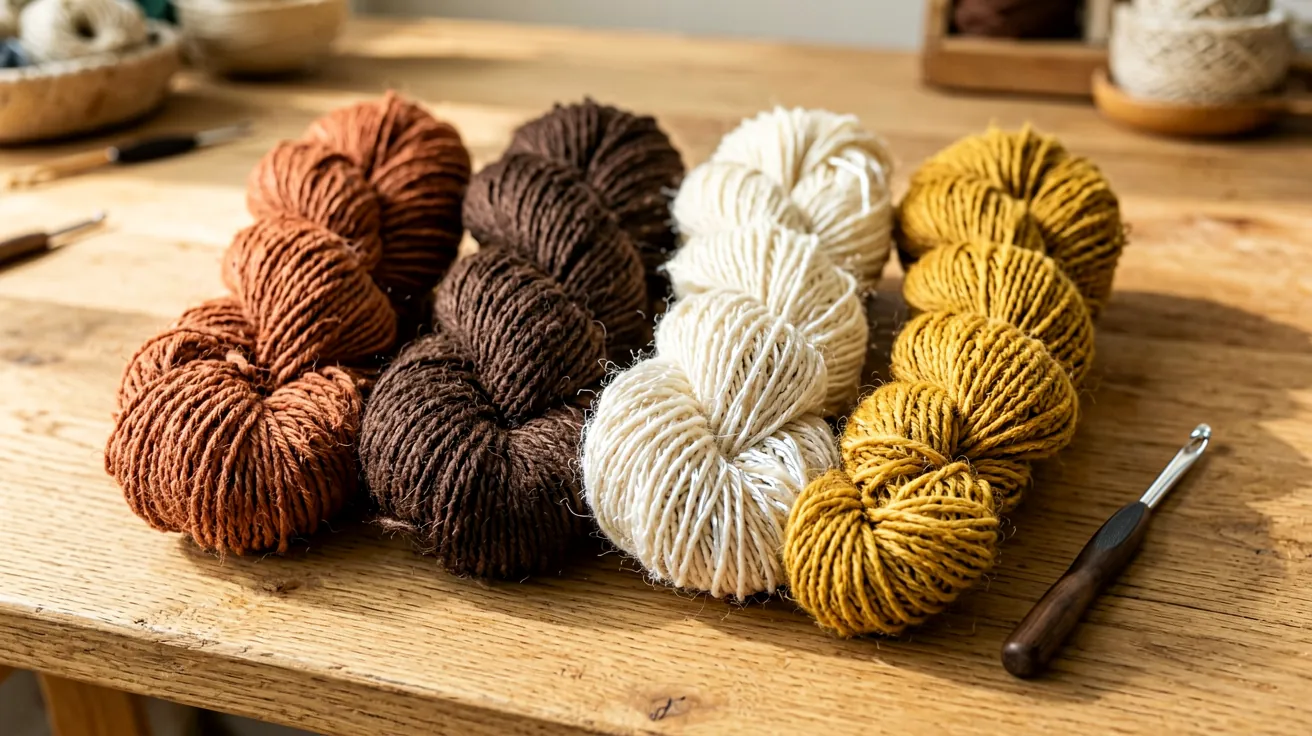
The hours are invisible until someone tells the story. Then they are priceless.
A Wayuu mochila can take a weaver up to a month of full-time work. That labor is completely invisible in the finished object unless someone explains it. Storytelling is how invisible value becomes visible, and it is the highest-leverage tool a handmade brand owns.
Hours, Heritage and Human Hands
The story that converts browsers has three components, which are hours of work, herencia cultural, and a named human maker. Hours justify price. Heritage justifies emotional attachment. A named maker transforms a product into a relationship. Together they answer the silent question every shopper asks about why a bag costs what it costs.
Teaching the Craft Before Selling the Product
The most effective handmade brands explain the technique before they pitch the product. A shopper who understands single-thread weaving buys the skill, not just the object. The explainer needs no technical depth, only honest specifics about hours and materials. Education converts price resistance into appreciation.
Sustainability and Conscious Consumption
Sustainability claims need traceability behind them. Handmade supply chains can offer it.
Conscious consumption moved from niche to mainstream as shoppers connected purchases to environmental outcomes. Accessories shoppers now ask about materials, dye processes, and labor conditions. Handmade production answers honestly, because the supply chain is short enough to actually trace.
| Dimension. | Fast fashion accessory. | Handmade bag. |
|---|---|---|
| Production model. | High-volume factory runs. | Small-batch artisan weaving. |
| Materials. | Mostly synthetic blends. | Natural fibers, traceable yarn. |
| Product lifespan. | One season of typical use. | Years of repair-friendly use. |
| End of life. | Landfill-bound, hard to recycle. | Kept, resold, or passed down. |
| Supply chain. | Multi-tier and opaque. | Short, community-level traceability. |
Materials Shoppers Can Ask About
Handmade bags typically use cotton or acrylic yarn, leather, and metal hardware, and each input can be specified and verified. Buyers who ask fiber questions get real answers from artisan suppliers. Compare cotton vs acrylic yarn for handmade bags to see how the choice affects footprint, feel, and price.
Slower Cycles, Smaller Footprints
Handmade production runs on artisan schedules rather than trend calendars. That slower cycle produces less overstock, fewer markdowns, and less waste by design. Made-to-order production can help reduce unnecessary overstock for some handmade suppliers. The environmental argument follows directly from the production model itself.
Supporting Artisan Communities
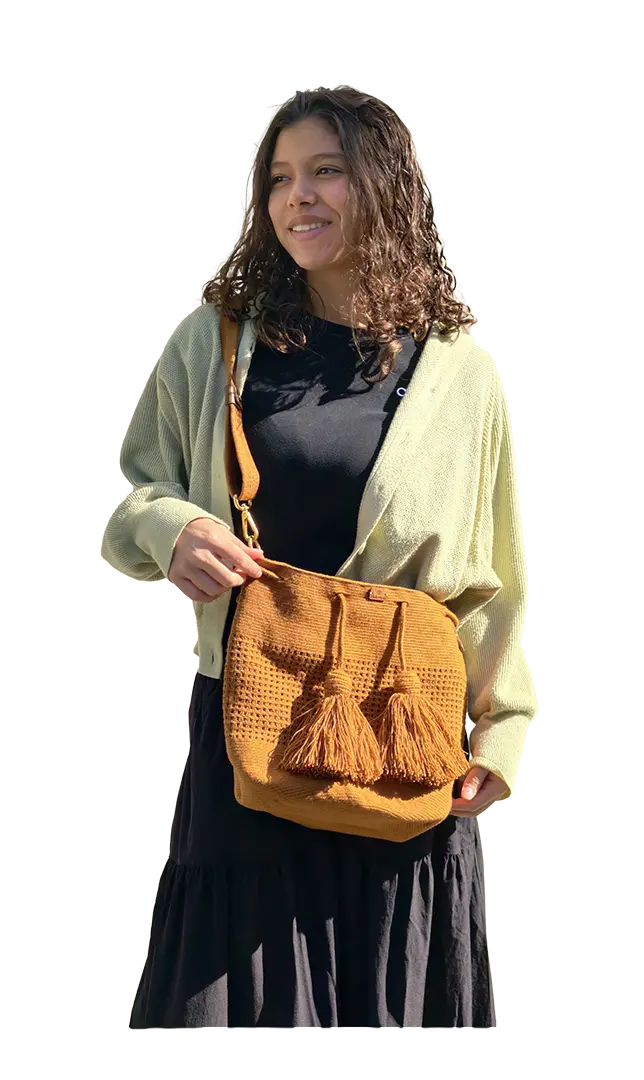
Every handmade purchase is a payroll decision for a weaving family.
Purchasing power is the quiet engine behind ethical fashion. When a boutique stocks Wayuu bags, the money path runs from that shelf back to weaving households in La Guajira. Community-level sourcing keeps traditional skills economically alive instead of museum-bound.
Where the Money Actually Goes
Direct-source suppliers partner with thousands of Wayuu families and pay per finished piece. That structure means income lands in the household that did the work, not in a distant factory account. Shoppers respond strongly when that path is made visible, which is why ethical sellers publish their sourcing model.
Culture Kept Alive by Demand
Traditional weaving survives when it pays. El Wayuu people have woven mochilas for generations, and steady international demand gives young weavers a reason to master the technique. Buying authentic pieces is what keeps that living heritage moving forward. Read more about what Wayuu bags are and the culture behind them.
Why Handmade Feels More Personal
Customers do not bond with warehouse stock. They bond with made things.
Ownership feels different when a product has a maker. Handmade customers describe their bags in personal terms, referencing the weaver, the pattern meaning, or the trip where they found it. That attachment changes how the product is used, stored, and eventually replaced.
Gifting and Emotional Marking
Handmade bags can also work well as gifts because their patterns, bandera, and handwoven character give the product a more personal feel. Para minoristas, this makes handmade collections relevant not only for everyday use but also for customers looking for distinctive gifts.
The Repair Relationship
Personal products get repaired rather than discarded. A customer who loves a handmade bag will re-line it, replace a strap, or ask the supplier for restoration. That repair loop extends product life and deepens loyalty at the same time. It also creates a second conversation between brand and customer.
Quality Perception and Product Longevity
Perceived quality sets price expectations. Delivered quality sets repeat rates.
Shoppers increasingly read handmade as shorthand for durability. Tight weaves, natural fibers, and repairable construction support that belief. The perception holds up in practice, with well-made woven bags serving daily use for years and aging visually rather than failing structurally.
Cost per Use Beats Sticker Price
Price per use can give shoppers another way to compare handmade and mass-produced bags. A higher-priced bag may offer better value over time if it is used frequently, maintained well, and remains in good condition for longer. Our guide on why handmade bags cost more breaks down the honest numbers.
Aging as Character, Not Failure
Mass-produced accessories fail at predictable points, usually seams and hardware. Handmade bags age the way leather and woven fiber age, which is gradually and visibly. Patina reads as character rather than damage. That difference changes the emotional end of ownership from disposal to attachment.
How Brands Communicate Handmade Value
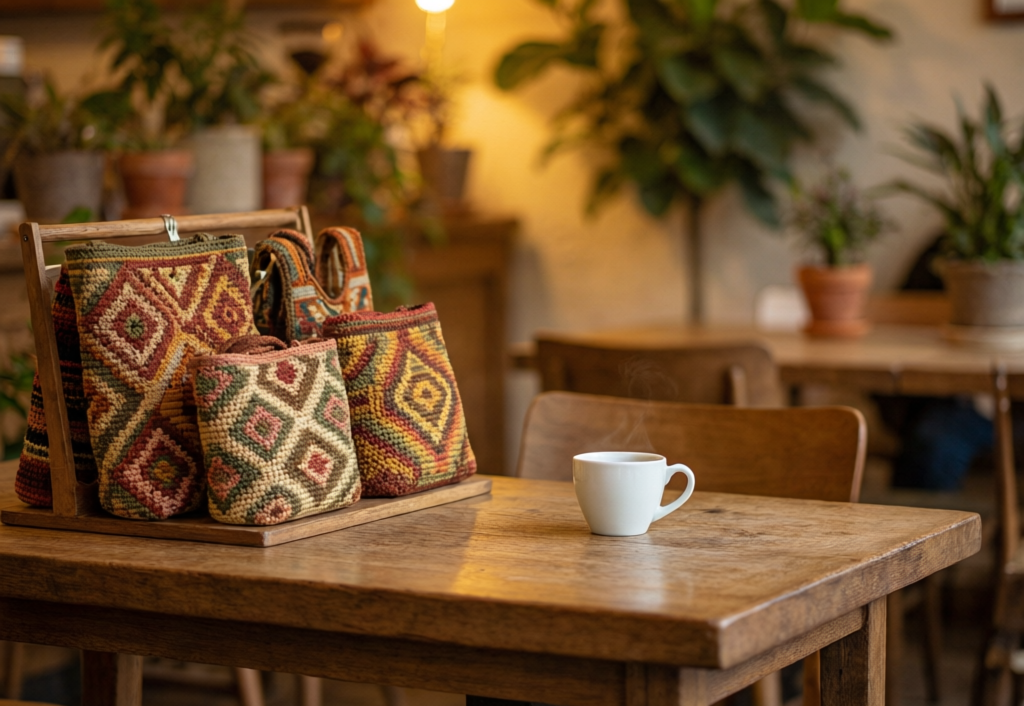
Without storytelling, shoppers compare price. With it, they compare meaning.
The insight every handmade retailer eventually learns is that value stays invisible until it is explained. A handwoven bag sitting unlabeled on a shelf competes on price against everything around it. The same bag paired with its story competes on an entirely different axis.
Practical Storytelling Touchpoints
Effective touchpoints include maker cards attached to each bag, weaving-time labels, in-store photography of the artisans, and short videos of the loom work. Online stores carry the same material through product pages and collection stories. None of this requires a large budget, only direct access to the source.
Training Staff to Sell the Craft
Staff who can briefly explain the weaving technique, materiales, and story behind a handmade bag can give customers more context when comparing prices. A simple explanation of how the bag is made can make craftsmanship easier to understand at the point of sale.
The Future of Artisan Fashion
Artisan fashion is not a trend cycle. It is a channel correction.
Every structural signal points the same direction. Consumers reward traceability, punish opacity, and increasingly treat origin as part of product quality. Handmade bag trends for 2027 already show search interest moving toward technique-led and story-led product rather than logo-led product.
What Retailers Should Watch
Watch three indicators over the coming seasons. First, resale platforms are giving handmade pieces measurable secondary value. Second, younger consumers are asking provenance questions that mass brands cannot answer. Third, customization demand keeps rising, and custom work is where artisan supply chains naturally win.
Building a Position Before It Crowds
For brands and boutiques, the opportunity is to make handmade value easier to understand. Product selection, clear sourcing information, honest pricing, and an explanation of natural variation can all help customers see why handmade bags differ from mass-produced alternatives. Our guide on how to build a handmade bag collection for your store maps the full sequence.
Frequently asked questions
Why do people buy handmade bags?
People buy handmade bags for uniqueness, artesanía, story, and sustainability. Each piece is one of a kind, supports a named artisan community, and offers durability that mass production rarely matches. Buyers increasingly treat these factors as part of product quality rather than extras.
Are handmade bags better than fast fashion bags?
Handmade bags generally last longer, use more traceable materials, and carry verifiable cultural value. Fast fashion bags win on price and trend speed. The better choice depends on what the customer is optimizing for, whether that is cost per wear, uniqueness, or ethical alignment.
Why are handmade products more expensive?
Handmade products price in real labor hours, small-batch production, and quality inspection. A single-thread Wayuu mochila can take weeks of weaving time. The sticker price reflects that work, and cost per use often ends up lower than cheap alternatives replaced every season.
Are handmade bags more durable?
Well-made handmade bags are highly durable when weave density and materials are right. Tight single-thread weaving, quality yarn, and repairable construction allow daily use for years. Natural variation between pieces does not affect structural strength.
How can boutiques explain handmade value?
Use maker cards, weaving-time labels, artisan photos, and short craft videos at the point of sale. Train staff to explain the technique in one sentence. Publish the sourcing story online. Value that stays invisible gets compared on price alone.
The shift is real and it rewards the prepared
Consumer interest in handmade bags is shaped by more than fashion trends. Uniqueness, artesanía, cultural background, and the story behind each piece can all influence how shoppers see its value.
For brands and boutiques, the playbook is straightforward. Source direct, explain everything, price honestly, and let the makers be visible. Explore the Wayuu mochila bags wholesale collection at Acuerdo to see how a direct-source partner supports every part of that story.