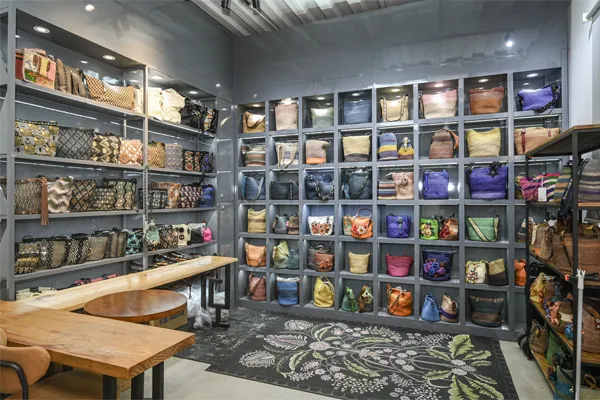

Buying handmade bags wholesale comes with a different set of challenges from sourcing factory-made products. Variations in materials, craftsmanship, production time, and quality can all affect your costs and inventory planning.
Knowing where these problems usually occur makes it easier to evaluate suppliers, samples, quantities, lead times, and after-sales terms before placing an order. Here are the common mistakes wholesale buyers should watch for when sourcing handmade bags.
Why Handmade Bag Wholesale Is Different
Handmade bag wholesale requires managing natural material deviations, manual labor constraints, and sample drift rather than expecting automated, factory-line uniformity.
Variable Production Standards and Material Deviation
Buying handmade bags at wholesale requires a fundamental shift in quality expectations. Artisanal production lacks the identical replication of automated mass-manufacturing lines, making slight variations an inherent characteristic of the product rather than a defect.
- Natural Materials: Handmade bags can show differences in color, texture, and material feel from one piece to another.
- Handcrafted Details: Hand weaving, stitching, and finishing may create small differences in pattern placement, shape, and hardware position.
- Agreed Variations: Buyers should define which handmade variations are acceptable and which issues should be treated as quality defects before placing a wholesale order.
Accepting controlled variation instead of expecting perfect uniformity is necessary when dealing with natural materials. This protects your supply chain from unreasonable reject rates and secures stronger relationships with artisan workshops.
Capacity-Driven MOQs and Variable Production Timelines
Traditional manufacturing scales effortlessly by running machinery longer, but artisan production is strictly limited by human hours. Capacity constraints directly dictate both ordering minimums and delivery schedules.
- Minimum Order Quantities: MOQs vary by supplier and order type. Ready-to-ship handmade bags may have no minimum, while customized orders can follow different requirements.
- Production Lead Times: Catalog orders typically take 60–90 days, while sampling and remake timelines may vary.
- Sourcing Dependencies: Material sourcing timelines and custom hardware fabrication frequently delay initial delivery schedules when components are made to order.
Smart buyers plan backwards from their target retail launch date. Factoring in shipping, customs, and artisan holidays prevents late inventory arrivals and missed seasonal sales windows.
The Risk of Sample-to-Bulk Drift
A flawless prototype does not guarantee a perfect production run. Bulk production can easily drift from the initial sample due to changes in makers, workshops, or material lots during the manufacturing cycle.
- Approved Sample: Keep an approved physical sample as the reference for shape, colors, patterns, materials, and finishing details.
- Written Specifications: Record important product details clearly so both sides understand what should remain consistent during the order.
- Material Confirmation: Confirm the selected threads, leather, हार्डवेयर, lining, and other components before production begins.
Never place a bulk order based on digital renderings or catalog images. Securing a physically signed pre-production sample provides the benchmark required for final quality disputes.
Unique Cost Structures and Inventory Logistics
The cost structure of handmade bags differs from mass-produced accessories because skilled handwork, materials, and smaller production runs all affect the final wholesale price.
- Landed Cost Calculations: Unit pricing depends heavily on manual labor, requiring buyers to calculate total landed cost, including shipping, duties, and packaging, rather than just factory quotes.
- Logistics Sensitivity: Slow replenishment cycles make inventory planning less forgiving, heightening the risk of stockouts or over-ordering.
- Pricing Red Flags: Unrealistically low initial quotes often signal material substitutions, underpaid labor, or substandard workmanship.
Successful inventory planning relies on small-scale, test-focused buys. Start with 3 to 5 units per style to validate demand, and reserve a portion of your budget for quick reorders of proven sellers.
Mistake 1: Buying Only on Price
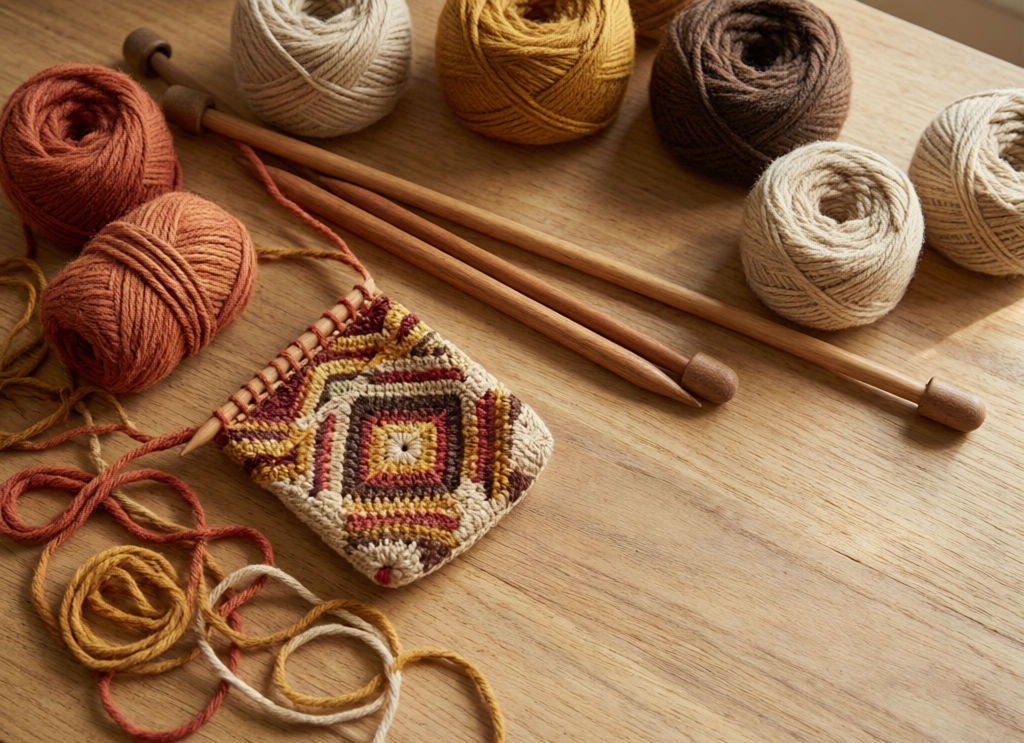
Sourcing handmade bags based on the lowest unit price compromises craftsmanship, invites high defect rates, and triggers hidden landed costs that destroy your actual profit margins.
When navigating the handmade bag wholesale market, selecting suppliers based strictly on the lowest unit cost is a direct route to brand damage and inventory failure. Treat bags as unique, craft-based assets rather than interchangeable commodities.
The Cost Realities of Artisan Production
We must understand the underlying economics of craft-based manufacturing before negotiating rates. True artisanal production cannot match mass-market factory pricing because of how these workshops operate.
- Handwork: Weaving, stitching, and finishing can account for a significant part of the cost because each piece requires skilled manual work.
- Materials: Thread, leather components, हार्डवेयर, lining, and other materials affect the final price depending on the design.
- Order and Logistics Costs: Packaging, shipping, duties, and customization requirements should also be included when comparing wholesale prices.
When a quote is significantly lower than comparable offers, buyers should check what is included in the price. Differences may come from materials, finishing, packaging, order quantities, अनुकूलन, or logistics rather than price alone.
Quality, Financial, and Operational Risks of Underpriced Bags
Cheap bags fail quickly in the real world. Substandard materials lead to peeling split leather, color bleeding, and failed stress points under normal weight.
- Material failures: Thin canvas, weak sewing thread, and cheap zippers that catch or break under slight tension.
- Hidden landed costs: Unforeseen expenses for local quality control, packaging upgrades, custom packaging, and import duties.
- Brand erosion: Spikes in customer returns, negative reviews, and warranty claims that dismantle your market positioning.
These post-production issues quickly erase any nominal gross margin savings you calculated on your initial spreadsheet. The true cost of an underpriced bag includes the time and money spent managing defects.
Sourcing Traps: Bare-Bones Quotes and Vague Specifications
Asking “what is your best price” before presenting a detailed technical pack is a classic buyer mistake. Suppliers will assume the cheapest possible components simply to win your business.
- Excluded finishing touches: Branded dust bags, custom woven labels, and retail-ready packaging.
- Omitted quality steps: In-line inspections and final pre-shipment audits.
- Material fraud: Synthetic PU passed off as genuine leather, or lightweight textiles substituted for heavy-duty canvas.
Unscrupulous operators also use rock-bottom pricing as bait for prepayment scams. They demand 100% upfront wire transfers with zero trade protection, then disappear or deliver unsellable goods.
Balanced Sourcing: Evaluating Suppliers Beyond the Unit Price
To build a sustainable supply chain, we must evaluate partners on actual value. Price should be one variable among many in a structured scoring system.
- Multi-factor scoring: Weigh design alignment, stitching durability, and material authenticity equally with unit cost.
- Artisan Sourcing Charter: Create a one-page document listing non-negotiables for fair wages, material weight, and acceptable lead times.
- Collaborative negotiation: Discuss adjustments to order volumes, material alternatives, or packaging options to find savings without cutting wages or quality.
By shifting the conversation from raw price cuts to collaborative adjustments, you protect both the artisans’ livelihoods and your brand’s quality standards. Reliable suppliers appreciate this professional approach and prioritize your production runs.
Boost Retail Margins with Luxury Wayuu Bags
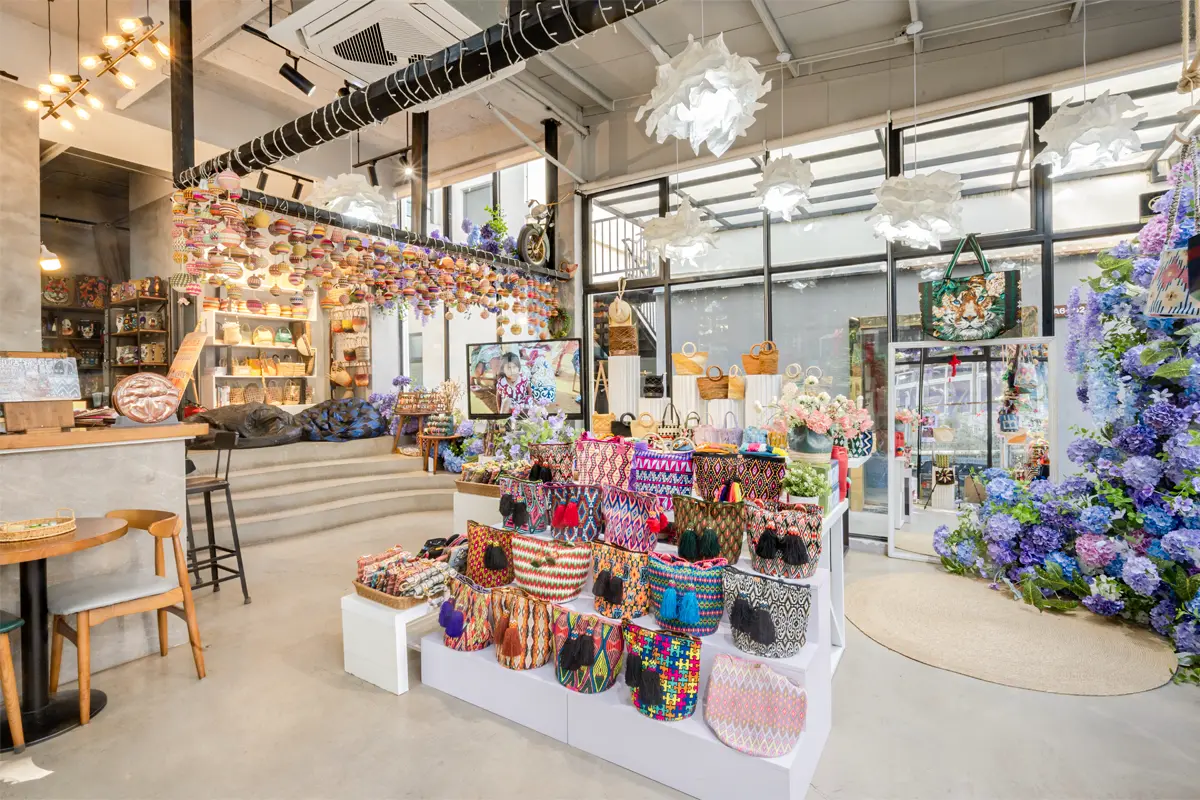
Mistake 2: Ignoring Handmade Variations
Holding wholesale handmade bags to rigid industrial standards causes high reject rates and strains artisan partnerships. Accept controlled dimensional and material variations to protect your margins.
Why do so many retail buyers face high defect disputes when sourcing wholesale handmade bags? They make the mistake of applying rigid, automated factory standards to products shaped entirely by human hands.
The Nature and Tolerances of Handmade Bag Construction
Handcrafted production relies on manual labor and organic materials, which naturally prevents factory-level cloning. Expecting identical dimensions or perfectly uniform colors from artisan workshops ignores the reality of the craft.
To manage quality without halting production, buyers must establish realistic tolerance thresholds based on the specific material and construction method:
- Dimensional Tolerances: Structured sewn goods permit a narrow tolerance of ±3 mm, whereas hand-woven raffia, straw, and braided jute require a wider window of ±1–2 cm due to changes in humidity and artisan weaving tension.
- Material-Driven Variations: Natural leather displays unique grain patterns, scars, and varying dye absorption rates across different hides, while hand-dyed fabrics show organic color shifts between batches.
- AQL Classifications: Quality control protocols must separate critical functional failures (like broken zippers) from major defects (obvious color mismatches) and minor handmade anomalies (such as slight stitch angles or loose thread ends).
Operational and Financial Risks of Expecting Factory Uniformity
Treating organic variations as production defects triggers a cascade of supply chain problems. When buyers reject batches over minor aesthetic shifts, the financial toll accumulates rapidly on both sides of the partnership.
Ignoring these realities exposes your business to several critical operational risks:
- Higher Costs: Excessive rejection can increase rework, inspection, and logistics costs for both the buyer and the supplier.
- Production Pressure: Unrealistic requirements can make it harder for artisan partners to maintain the agreed production schedule.
- Loss of Handmade Character: Requiring every piece to look completely identical can overlook the handcrafted details that make handmade bags distinctive.
Documenting Acceptable Variances in Tech Packs and Contracts
Vague purchase agreements are the primary source of quality disputes. You must codify exactly what makes a bag handmade versus what makes it defective before signing the purchase order.
Protect your investment by embedding these protective measures into your sourcing contracts:
- Explicit PO Disclaimers: Write “handmade character” disclaimers directly into wholesale contracts, explicitly defining allowed margins for natural leather scars and fiber variations.
- The Golden Sample Rule: Freeze a physical golden sample signed by both parties, establishing the definitive baseline for material codes, construction patterns, and branding positions.
- Targeted QC Training: Provide third-party inspectors with inspection checklists customized for handmade goods, ensuring they do not reject units for minor cosmetic irregularities.
Mistake 3: Ordering Too Much Inventory

Over-ordering handmade bags ties up expensive capital, degrades delicate natural materials, and strips your business of the agility needed to pivot to new trends.
How do you tank a retail business’s cash flow when buying handmade bags wholesale? You order deep on an untested collection because a single initial launch went well. It is a common pitfall that ignores the realities of artisan supply chains.
Why Wholesale Buyers Over-Order Handmade Bags
Buyers frequently fall into the trap of over-ordering because they mistake initial hype for sustained demand, or they try to force mass-market purchasing habits onto a small-batch production model.
- Demand overestimation: Projecting massive long-term volume for untested new bag designs based solely on a single successful launch.
- SKU proliferation: Expanding into too many styles, colors, and bag categories all at once instead of building a foundation with core designs.
- Chasing unit-price incentives: Agreeing to high supplier minimum order quantities (MOQs) just to secure lower unit prices or free shipping thresholds.
- Intuitive forecasting: Relying on subjective gut feelings rather than historical sales data filtered by style, material, and seasonality.
Chasing a lower unit cost by doubling your order volume is a false economy. The small savings on paper quickly disappear when the stock sits on shelves for months.
The Unique Risks of Excess Artisan Inventory
Artisan products carry holding liabilities that mass-produced synthetic accessories do not face. These risks can permanently damage your bottom line and your brand equity.
- Capital lock-up: Tying up significant working capital due to the high per-unit cost of handmade craftsmanship.
- Material degradation: Facing physical stock damage as natural leathers and organic textiles degrade under long-term storage conditions.
- Brand devaluation: Eroding profit margins through aggressive discounting, which cheapens the reputation of a premium brand.
- Lost agility: Stripping your operating budget of the cash needed to quickly pivot to emerging fashion trends.
A Proven Buying Framework to Avoid Overbuying
To keep your operations lean, you need a structured framework that coordinates purchasing with actual demand signals.
- Small-Batch Testing: Start with a manageable quantity for new styles when possible, then increase the order after you have clearer sales feedback.
- Reorder Budgeting: Keep part of your purchasing budget available for proven styles instead of committing the full budget to untested designs.
- Horizontal diversification: Spreading risk by buying fewer units across several shapes rather than heavy stock in one look.
- Precise reorder points: Implementing strict thresholds that trigger production only when inventory hits a minimum safety level.
Mistake 4: Not Verifying Supplier Capability
Skipping physical audits and capacity checks on a handmade bag supplier exposes your brand to late shipments, volatile craftsmanship, and unannounced outsourcing.
Can your workshop actually deliver what they promise? Failing to verify your handmade bag supplier capability is a fast track to missed retail launch windows and customer returns.
Many buyers look at beautiful catalog photos and assume the factory is built for scale. In the craft-driven world of handmade bags, capacity is constrained by skilled labor rather than machine speeds.
Key Dimensions of Handmade Bag Supplier Capability
You must evaluate a workshop across four distinct operational vectors to determine if they match your business model:
- Production Capacity: Confirm the supplier can handle your expected order volume within the agreed production window, especially when products are handmade.
- Supply Network: Ask how the supplier works with artisan communities and how production is coordinated across different makers.
- Quality Consistency: Check whether the supplier has a clear process for reviewing finished bags and addressing quality issues before shipment.
- Repeatability: Confirm which product details can be kept consistent across repeat orders and which handmade variations should be expected.
Primary Risks of Skipping Capability Verification
Taking a supplier’s word at face value introduces structural vulnerabilities into your B2B supply chain:
- Unreliable Delivery Schedules: Overstated capacity or unmanaged order backlogs cause missed seasonal windows, leaving you with useless inventory.
- Inconsistent Craftsmanship: A lack of standardized quality control leads to uneven stitching tension, poor hardware fitting, and raw edges.
- Uncontrolled Subcontracting: Suppliers facing bottlenecked lines often pass your orders to third-party workshops, fragmenting quality standards.
- Compliance Failures: Unverified materials risk failing export market requirements, especially regarding REACH standards or missing GRS transaction certificates for recycled fabrics.
Mistake 5: Skipping Sample Evaluation
Skipping sample evaluation when sourcing handmade bags guarantees bulk defects; without a physical benchmark, you lose all control over material substitutions and structural failures.
In the handmade bag sector, where production relies on manual craftsmanship rather than automated machinery, the physical sample acts as your ultimate quality gate. Moving directly from digital drawings to bulk production exposes your brand to unquantifiable risk.
Specific Vulnerabilities of Handmade Bags Without Physical Samples
A digital mockup or tech pack cannot show how natural materials behave under tension or how an artisan finishes raw edges. Physical evaluation exposes the realities of manual production that screens hide.
- Artisanal variation: Manual variations in hand-stitching, edge painting, and panel alignment require a physical benchmark to establish acceptable quality ranges before bulk assembly.
- Unpredictable materials: Natural textiles like canvas, jute, and genuine leather exhibit unpredictable variations in hand feel, grain, and color fastness that digital renderings cannot replicate.
- Visual deception: Retouched catalog photography frequently conceals structural flaws, uneven seam tension, and strong chemical odors from low-grade adhesives.
Hidden Defects and Structural Gaps Prevented by Rigorous Evaluation
We often see buyers lose entire margins to returns because they skipped early product testing. A physical review prevents systemic defects before bulk materials are cut.
- Material substitution issues: Workshops may quietly use cheaper lining fabrics, thinner leather grades, or low-strength reinforcement boards to cut costs if you do not lock in a physical standard.
- Construction failures under stress: Hands-on stress tests catch weak strap connections, unreinforced corners, and mismatched zipper alignments before the inventory ships.
- Hardware functional faults: Physical checking prevents issues with flaking metal plating, sticking zipper teeth, and weak magnetic closures that ruin the customer experience.
The Staged Sampling Framework for Bulk Sourcing
Professional buyers do not rely on a single prototype. We recommend a structured, multi-stage sampling framework to protect your investment throughout the development cycle.
- Design Samples: Early samples help buyers confirm the overall shape, proportions, colors, and key details.
- Pre-Production Samples: Before a larger order begins, confirm the final materials, colors, हार्डवेयर, and finishing details.
- Approved Samples: Keep the final approved sample as the main physical reference for production and quality checks.
Step-by-Step Craftsmanship Evaluation Checklist
When you receive a physical sample, run it through a systematic evaluation. Do not rely on visual inspection alone; test the bag’s functional limits.
- Stitching and edge analysis: Inspect stitch density, look closely for skipped stitches, and check hand-painted edges for cracking, peeling, or uneven coating.
- Hardware durability checks: Operate closures, snaps, and zippers repeatedly to ensure smooth movement, and rub metal pieces with a white cloth to check plating stability.
- Functional load testing: Fill the sample bag with its expected weight capacity (typically 3 kg for everyday bags) to observe handle strain, strap stretching, and shape retention over several hours.
Mistake 6: Overlooking Lead Time and Seasonality

Overlooking lead time and seasonality in handmade bag production causes late deliveries, stockouts, and margin-eroding markdowns when goods miss critical retail sales windows.
Many wholesale buyers commit Mistake 6: Overlooking Lead Time and Seasonality, treating manual artisan workshops like automated fast-fashion factories. This error ignores the multi-layered process required to take a handcrafted bag from a sketch to a retail shelf.
The Real Lead Time Timeline for Handmade Bag Production
Artisanal manufacturing timelines fall into three distinct phases, each vulnerable to delays:
- Sampling Phase: Sample timing depends on the design, materials, and whether a new remake is required.
- Production Phase: For catalog-based orders, production can take around 60 to 90 days, while ready-to-ship styles can be available without the same production wait.
- Logistics Phase: Shipping time depends on the destination, shipping method, customs process, and whether door-to-door service is selected.
Sourcing plans must use these realistic timelines rather than optimistic estimates from mass-market production guides.
Operational Constraints That Amplify Delay Risks
Several localized operational bottlenecks contribute to supply chain friction:
- Artisan Labor Dependencies: Workshops rely on human labor rather than automated machinery, making their total capacity highly sensitive to order volume spikes.
- Intricate Finishing Details: Complex accents such as hand-weaving, edge painting, and manual saddle-stitching drastically increase the required labor hours per unit.
- Custom Sourcing Cycles: Premium leathers, custom hides, and custom metal hardware are rarely stocked, adding 15 to 25 days of hidden sourcing lead times before production begins.
When ordering custom designs, raw material lead times represent the single largest variable in production timelines.
Seasonal Retail Windows vs. Production Calendars
Wholesale buyers must secure seasonal product inventory weeks before consumer purchasing windows open. For instance, delivering a Spring/Summer collection to retailers requires having goods physically on hand by late February.
To hit these windows with complex styles or custom-material bags, the purchasing team must place purchase orders 3 to 6 months before the targeted retail launch.
Failing to align order cycles with the fashion calendar results in late-arriving goods. Retailers then execute steep markdowns, destroying margins and eroding stockist confidence.
Mistake 7: Ignoring Reorder and Exchange Policies
Unclear return and exchange terms in handmade bag wholesale lock up your capital in unsellable stock when artisanal variations are mistaken for defects.
What happens when a bulk shipment of leather totes arrives with natural grain shifts, and your retail stockists reject them? Retailers routinely secure handmade bag wholesale inventory without reading the fine print on reorder and exchange policies, only to realize that they bear the entire financial risk.
Custom and Made-to-Order Exclusion Risks
Sourcing bespoke collections or custom-dyed colors feels like a brilliant brand play until retail demand shifts. Handmade bag suppliers operate on tight operational realities and almost universally exclude custom, bespoke, or dyed-to-order items from standard return eligibility.
Purchasing made-to-order inventory locks your cash flow into highly specific styles. If these custom designs do not turn over as quickly as expected, you cannot return or exchange them to recover capital. You must clarify and confirm these specific policy exclusions in writing before signing off on any opening wholesale order.
Defect-Only Policies vs. Natural Artisanal Variations
Artisanal workshops are not automated factories, which means standard consumer-grade return rules do not apply. Most handmade suppliers restrict exchanges strictly to functional manufacturing defects or verified transit damage.
These policies explicitly exclude organic variations in leather grain, minor shade differences, or hand-woven textile textures from being categorized as defects. To avoid subjective disputes with your supplier, you need to review physical samples first to set a realistic, agreed-upon baseline for acceptable design variations.
Tight Reporting Windows and Return Shipping Costs
Time is your worst enemy once a wholesale shipment hits your loading dock. Many artisan vendors enforce strict claim windows, requiring you to report defects or shipping damage within 24 to 48 hours of delivery.
If your warehouse team delays the incoming inspection and misses this narrow window, you forfeit your right to any claim, leaving you stuck with damaged, unsellable inventory. Even when a return is approved, expect to pay for return shipping, original freight charges, and restocking fees, which can quickly wipe out your product margins.
Reorder Minimums and Inventory Replenishment Barriers
Replenishing your bestsellers requires understanding how your supplier structures repeat purchases. Some vendors offer lower reorder minimums for established accounts to keep your cash flow fluid, but others maintain the same high MOQs across all transactions.
You also have to calculate replenishment lead times, as artisanal production is slow and a delayed reorder can trigger devastating seasonal stockouts. To mitigate this risk, map your initial order volumes tightly to verified consumer demand rather than speculative projections.
Wholesale Buying Checklist
This checklist guides buyers through vetting artisanal suppliers, verifying material quality, and establishing strict defect tolerances to safeguard retail margins.
Implementing a rigorous wholesale buying checklist is critical to protecting retail margins when navigating the complexities of handmade bag wholesale. Natural material variations and manual crafting steps require precise quality control protocols that mass-manufactured goods simply bypass.
| Checklist Category | Core Sourcing Focus | What to Confirm |
|---|---|---|
| Pre-Buying & Budgeting | Landed cost, pricing, and order planning | Target margin and total order cost |
| Supplier Vetting | Legitimacy, production capability, and workshop network | Business credentials and production arrangements |
| Quality Standards | Stitching, materials, हार्डवेयर, and construction | Agreed quality requirements and acceptable variations |
| Sampling & Testing | Physical quality and product performance | Sample quality and intended-use requirements |
| Defect & Return Policies | Defects, claims, and returns | Reporting period, return terms, and repair or exchange options |
Pre-Buying Strategy and Budgeting
Retailers can tie up capital in attractive designs that do not match local demand. Before contacting a workshop or supplier, define your target customers, use cases, and preferred styles. Review past sales data to see whether a new line is better suited to premium sales or regular volume.
Protect your margins by calculating the maximum wholesale cost from your target retail price. Account for duties, freight, packaging, labels, and other landed costs before agreeing on a unit price. Leave enough room for promotions and seasonal discounts without putting unnecessary pressure on your margin.
Spread your budget across different inventory risk levels rather than committing heavily to untested designs. Put more capital into proven styles and test new patterns in smaller quantities. It is also useful to keep some budget available for reorders when a product performs well.
Supplier Vetting and Production Authenticity
Working with an unverified supplier can create problems with product quality, delivery, and order handling. Check the supplier’s business information and confirm how production is organized before placing an order. For handmade bags, it is also important to understand whether products are made in-house, through an artisan network, or through other production partners.
Handmade authenticity should be supported by clear production information rather than product claims alone. Ask for photos or videos of the actual production process and confirm that the craftsmanship matches the products being offered.
- Wage Transparency: Ask how artisans are paid and how production is organized.
- Sourcing Provenance: Confirm where the bags are made and what sourcing or origin documentation is available.
Material and Construction Quality Standards
Handmade bags can vary in appearance and construction, so sample evaluation should go beyond overall aesthetics. Check the stitching on load-bearing seams and look for loose or uneven threads that could affect durability. Also review the materials and construction methods against the bag’s intended use.
Check whether the thread, handles, straps, and attachment points are suitable for the product’s intended use. For dyed materials, test for possible color transfer and review how the surface responds to normal handling or moisture.
Hardware should also be checked before bulk production. Test zippers, clasps, rings, and buckles for smooth movement, secure attachment, and visible defects. These details can affect both product durability and the customer’s experience.
Pricing, MOQs, and Margin Calculations
A lower unit price is not always the better deal if it requires a large order of an untested design. Ask about MOQ requirements and consider smaller trial quantities or mixed styles when the supplier allows them. This can reduce the risk of holding excess inventory.
Do not calculate your margin from the factory or supplier quote alone. Confirm packaging, shipping, customs duties, and other costs that may affect the final landed cost. For structured bags, also consider whether additional packaging is needed to protect the products during transit.
Agree on clear payment terms before production begins. Confirm the deposit, balance payment, production timeline, and any inspection arrangements in advance. Avoid making full payment before key product and order details have been confirmed.
Sampling, Testing, and Compliance
Skipping physical samples makes it harder to identify quality or construction problems before a bulk order. Once a sample arrives, check its materials, stitching, हार्डवेयर, dimensions, and overall construction. A practical load or wear test can also help reveal loose threads, stretching, or handle deformation.
Compliance requirements depend on the product and destination market. Check whether the materials, dyes, adhesives, and hardware are subject to specific requirements in the market where the bags will be sold. Where required, request relevant test reports or compliance documents before production.
Product labels should also meet the requirements of the destination market. Depending on the market and product, this may include information such as country of origin, material composition, and care instructions. Confirm the applicable labeling requirements before finalizing production.
Operational Timelines and Defect Policies
Handmade production can take longer and may be affected by artisan capacity or seasonal demand. Discuss production capacity and potential delays with your supplier before confirming the delivery date. Build enough time into your schedule to handle unexpected changes without affecting your sales plans.
Define acceptable handmade variations and structural defects clearly before production begins. Natural differences in materials, weaving, or finishing may be part of the product, while issues that affect function or durability should be treated separately.
Also clarify the reporting period, return shipping responsibilities, and repair or exchange terms in advance. Clear policies give both wholesale buyers and suppliers a better basis for handling quality issues after delivery.
Providing clear care instructions for the materials used in each bag can also help reduce avoidable returns. Make sure customers understand how to handle and maintain the finished product, especially when natural or handmade materials require specific care.
अक्सर पूछे जाने वाले प्रश्नों
What are the most common mistakes when buying handmade bags wholesale?
Sourcing buyers often select inventory based on personal taste rather than customer data, which leads to slow-moving stock. Other major errors include skipping physical sample testing, relying on unverified suppliers without legal credentials, and ignoring the total landed cost by focusing only on the basic unit price.
How much inventory should I order for my store?
Anchor your order to a realistic sales window. Plan to cover four to eight weeks of sales for fast-moving designs, and eight to twelve weeks for steady sellers. For new or experimental styles, use small test runs of six to twelve units per style to validate customer interest before committing to larger quantities.
Is it safe to buy handmade bags based on the lowest price?
नहीं. Low prices usually indicate cheap materials, poor structural stitching, weak strap reinforcements, or a lack of chemical safety compliance. A lower unit cost often leads to high defect rates and customer returns. Always evaluate the total landed cost alongside sample performance to protect your margins.
How do I verify a handmade bag manufacturer before paying?
Request their business license, physical factory address, and export registration details. Match the company name on invoices and bank details with official registries. You should also request a live video walkthrough of the workshop and check references from past wholesale clients to confirm their manufacturing capability.
Why is it necessary to request samples before placing a bulk order?
Physical samples let you run stress tests on zippers, check stitching density, evaluate handle strength, and verify material quality. The approved sample serves as your official reference standard (the golden sample) to hold the manufacturer accountable during final quality control inspections.
How can I prevent dead stock in my boutique?
Use small test buys of five to ten units per style to observe real sell-through rates before restocking. Run monthly aged inventory reports to flag items that have not moved in 60 to 90 days. If an item stalls, move it to high-traffic displays, feature its artisan story in your marketing, or bundle it with a bestseller.
Why are handmade bags not identical to each other?
Handmade bags feature natural variations because artisans cut, stitch, and finish each piece individually without automated machinery. Natural materials like full-grain leather and plant fibers also possess unique textures, grain patterns, and color absorption properties. These differences indicate authentic craftsmanship and add unique value for retail customers.
What critical terms should I clarify before finalizing a purchase order?
Confirm the exact MOQ per style and color, production lead times, and shipping terms. Secure a written agreement specifying that the final 70% balance is only released after a successful quality inspection. You should also establish clear, written guidelines on how the supplier handles manufacturing defects and damaged transit items.
अंतिम विचार
For brands and wholesale buyers, small oversights in handmade bag sourcing can quickly lead to higher costs, delayed orders, or excess inventory. Checking samples, understanding natural variations, confirming production capacity, and reviewing reorder and exchange terms can help reduce these risks before an order is placed.
When comparing a wholesale handmade bags supplier, look beyond the product itself. Ask how orders are handled, what may vary between pieces, and what to expect from production and delivery. Clear communication at the sourcing stage gives your business a stronger basis for managing inventory, protecting margins, and building a smoother wholesale relationship.