When a customer picks up a bag in a boutique, their first tactile impression often comes not from the leather but from the hardware — the zipper pull, the buckle, the clasp. Hardware is where cheap bags expose themselves, and it is also where a small investment in quality buys the most perceived value.
This guide compares the four main hardware materials used in bag manufacturing — brass, zinc alloy, stainless steel, and aluminum — across cost, durability, and finish, and shows wholesale buyers how to specify and test hardware for better long-term product performance.
Hardware Is Where Cheap Bags Expose Themselves
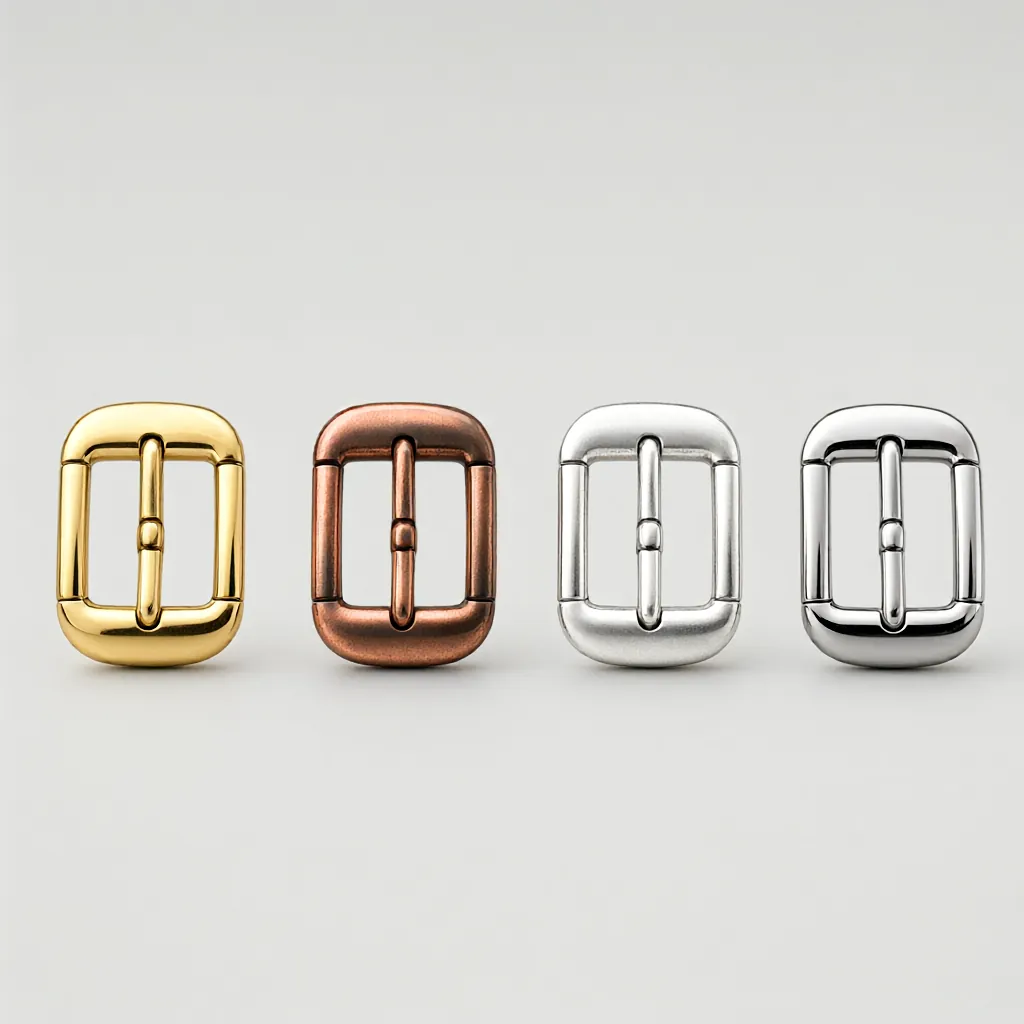
Bag hardware serves both functional and decorative purposes. From D-rings and magnetic clasps to buckles and bag feet, each component affects the bag’s appearance, usability, and durability. The choice of metal, surface finish, and manufacturing quality also influences the final product cost and overall design.
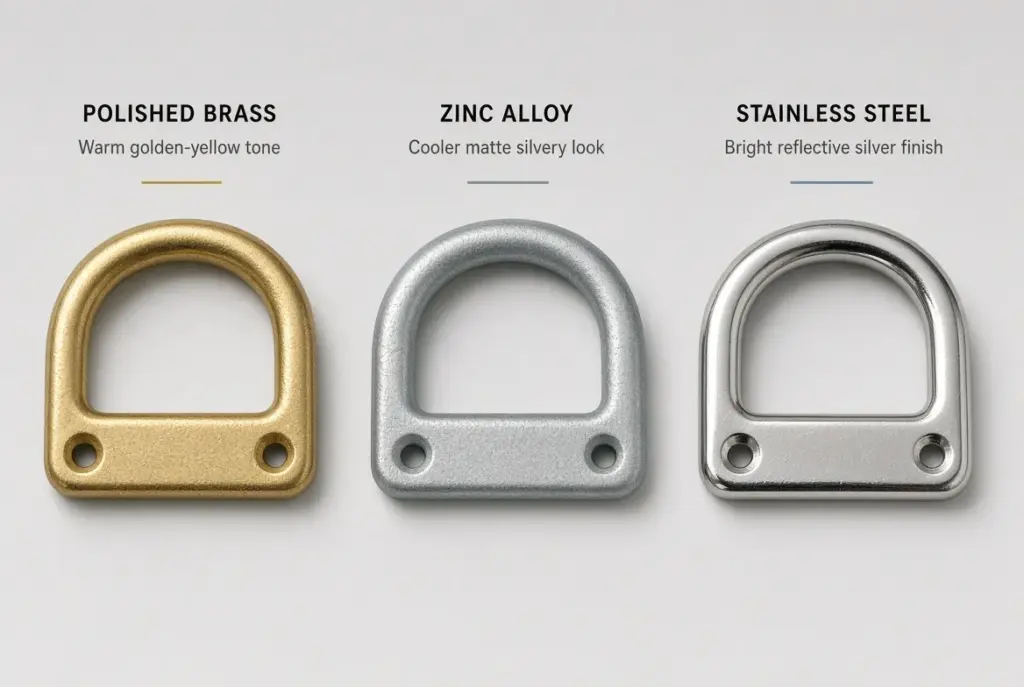
Hardware problems are not always obvious during sample inspection. A freshly plated zinc alloy D-ring may look similar to a solid brass one under showroom lighting, but differences in material strength and surface durability can become apparent after months of use.
A broken D-ring, a loose magnetic clasp, or peeling plating can lead to customer complaints and product returns. These issues often point to unsuitable materials, poor plating quality, or insufficient manufacturing checks.
The Four Main Hardware Materials: A Buyer’s Comparison
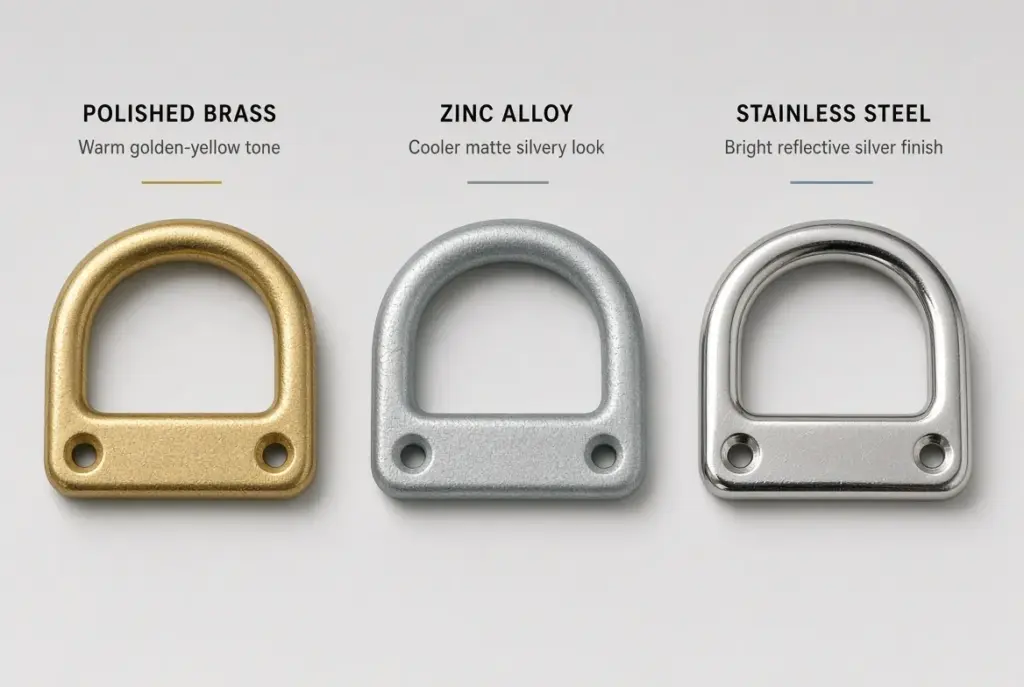
Every metal hardware component on a bag is made from one of four materials: solid brass, zinc alloy, stainless steel, or aluminum. Each has distinct mechanical properties, cost profiles, and failure modes. Understanding these differences is the foundation of hardware quality assessment.
| Property | Solid Brass | Zinc Alloy (Zamak) | Stainless Steel | Aluminum |
|---|---|---|---|---|
| Weight | Medium-Heavy | Medium | Heavy | Light |
| Corrosion Resistance | Excellent (natural patina layer) | Moderate (depends on plating) | Exceptional | Good |
| Plating Adhesion | Excellent | Good | Requires special pretreatment | Moderate |
| Load-Bearing Strength | High | Medium (lower with recycled stock) | Very High | Medium |
| Tarnish Behavior | Slow, develops warm patina | Fast once plating wears through | Nearly none | Slow |
| Cost Level | Premium | Mid-range | Higher | Mid-High |
| Typical Applications | Premium handbags, heritage leather goods | Fashion bags, mid-market women’s bags | Luxury goods, outdoor and travel bags | Luggage, lightweight travel gear |
Why Zinc Alloy Dominates the Market (and When It Shouldn’t)
Zinc alloy, including Zamak grades, is widely used in bag hardware manufacturing. The reasons are straightforward: it has a low melting point that makes it easy to cast into complex shapes, it accepts plating well, and its raw material cost is substantially lower than brass or stainless steel.
For fashion bags with a short expected lifespan — one to two seasons of active use — zinc alloy is a perfectly rational choice. The problem arises when zinc alloy hardware is used on products positioned as mid-market or premium quality, where customers expect three to five years of service. In those cases, the hardware becomes the first component to show age, and the product’s reputation suffers accordingly.
There is also a significant quality gap within zinc alloy itself. Virgin zinc alloy stock produces dense, strong castings with consistent mechanical properties. Recycled zinc alloy — which is widely used in low-cost supply chains — contains impurities and internal porosity that reduce load-bearing strength. A D-ring cast from recycled stock may look identical to one made from virgin material after plating, but it will fracture under significantly less force. This distinction is invisible without testing, which makes supplier verification critical.
Plating Quality: The Difference Between 3 Months and 3 Years
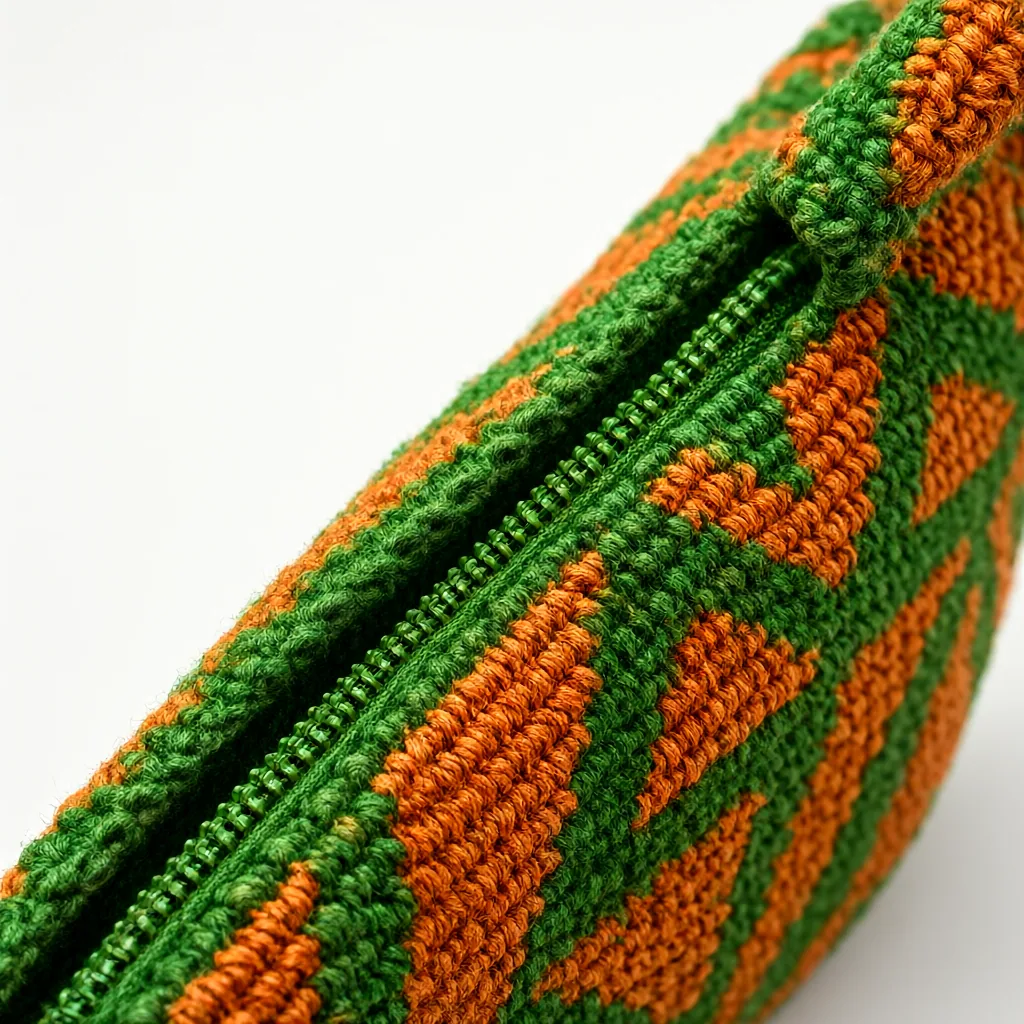
The base material determines a hardware component’s structural integrity, but the plating determines how long it looks good. A solid brass buckle with poor plating will tarnish within months. A zinc alloy clasp with high-quality vacuum plating can maintain its finish for years. For buyers, understanding plating processes is as important as understanding materials.
Water Plating vs Vacuum Plating (PVD)
Water plating (electroplating) is the traditional and more common method. It deposits a metal coating of 0.5-2 microns through an electrochemical bath. It is cost-effective and produces a wide range of finishes, but the coating adhesion is moderate. Water-plated hardware typically begins to show wear within 6-12 months of regular use, with the finish degrading faster in humid or coastal environments.
PVD vacuum plating (Physical Vapor Deposition) applies a much thinner coating — 0.1-0.5 microns — but with dramatically stronger molecular adhesion to the base material. PVD-plated finishes maintain their color and luster for 2-3 years or longer under normal use. The process costs approximately 2-3 times more than water plating, but the longevity difference makes it essential for any product positioned above the fast-fashion tier.
Common Plating Finishes and Their Markets
| Finish | Visual Style | Target Market | Durability |
|---|---|---|---|
| Antique Brass | Warm, vintage, heritage | Heritage brands, outdoor bags, leather goods | High |
| Polished Chrome/Nickel | Bright, современный, clean | Business bags, mid-market travel gear | Medium |
| Gold / Rose Gold | Luxury, fashion-forward | Designer handbags, fashion accessories | Low (requires PVD for longevity) |
| Matte Black | Minimalist, urban | Tech backpacks, commuter bags | Medium |
| Gunmetal Grey | Industrial, neutral | Unisex bags, utility and workwear | High |
Gold and rose gold finishes are the most prone to premature wear. If your product line includes gold-toned hardware and is positioned at a mid-market or premium price point, specifying PVD plating is not optional — it is the difference between hardware that looks fresh for two years and hardware that looks tired within six months.
The Hardware Inventory: What Every Bag Needs and What to Specify
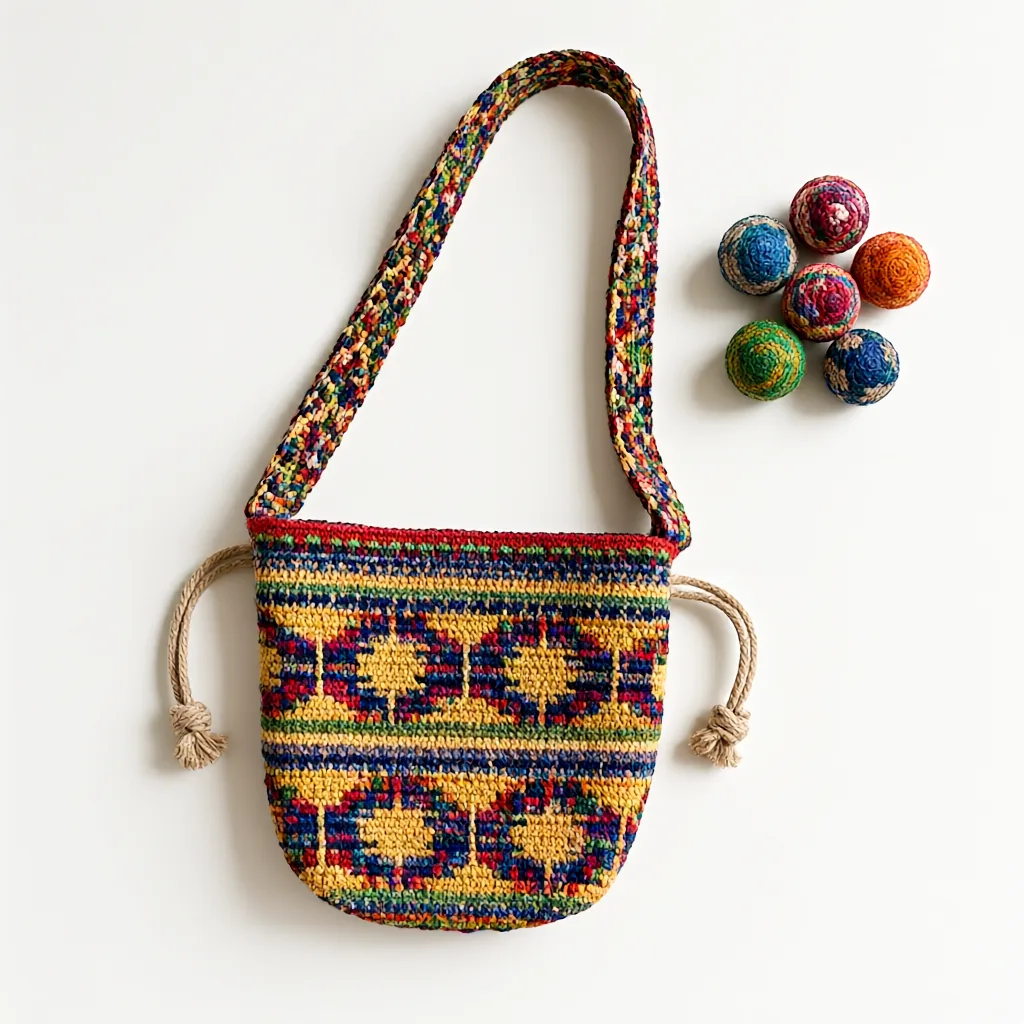
A typical medium-sized handbag uses between 10 и 15 individual hardware components. Each has a specific functional role and a specific set of quality requirements. Understanding this inventory allows you to write precise specifications for your supplier and to inspect incoming production against clear standards.
| Component | Function | Recommended Material | Common Sizes | Key Quality Check |
|---|---|---|---|---|
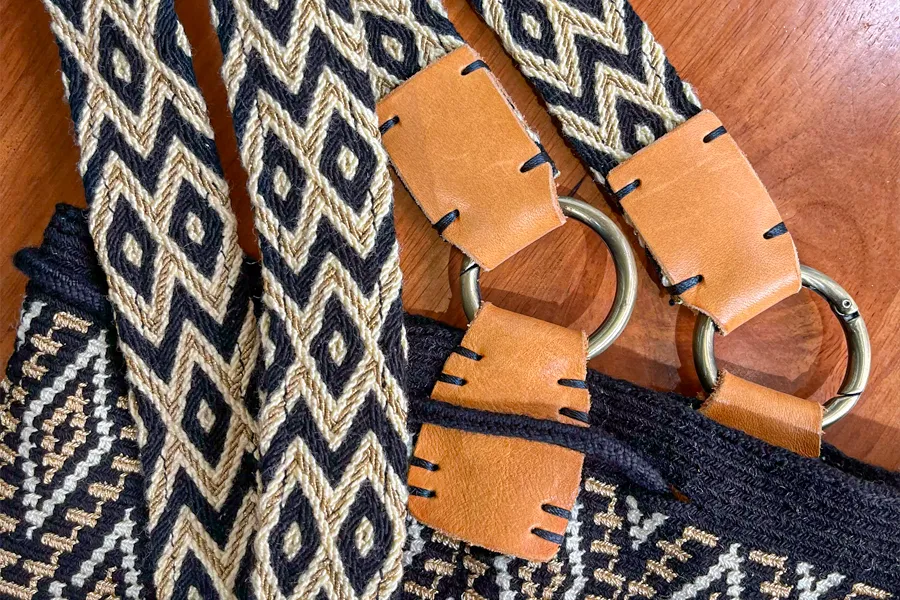
| D-Ring | Strap attachment point | Brass / Stainless Steel | 15-32mm inner width | Weld point strength, inner diameter tolerance |
| Snap Hook (Spring Hook) | Detachable strap connection | Zinc Alloy / Brass | 20-38mm length | Spring return force, swivel smoothness |
| Pin Buckle | Strap length adjustment | Brass | 15-50mm width | Pin rigidity, hole alignment |
| Magnetic Lock | Flap closure | Nickel-plated steel / Zinc Alloy | 14-18mm diameter | Magnet strength, corrosion resistance |
| Rivet | Structural reinforcement / decoration | Brass / Steel | 6-10mm head diameter | Crimp tightness, surface flatness |
| Bag Feet | Base protection | Aluminum / Brass | 10-15mm height | Installation firmness, abrasion resistance |
| Turn Lock | Flap securing mechanism | Zinc Alloy | Standard | Rotation feel, long-term looseness |
| Chain | Decorative / strap element | Iron-plated / Brass | Various | Link weld quality, weight consistency |
How to Write a Hardware Spec Sheet for Your Supplier
A professional hardware specification sheet should include six fields for every component: material (with grade if applicable, such as 304 stainless steel or H65 brass), dimensions with tolerances, plating type (water or PVD), plating thickness in microns, salt spray test requirement in hours, and pull/tensile strength requirement in kilograms. Providing this sheet to your supplier before sampling begins eliminates ambiguity and gives you a clear benchmark for acceptance testing.
Looking for reliable handmade bags at wholesale?
Browse the PACTUS collection and request catalog & pricing for your boutique.
Get Wholesale Catalog & Pricing →How to Test Hardware Quality: A Buyer’s Field Checklist
Factory visits and sample inspections are where hardware quality is confirmed or rejected. The following six tests can be performed with minimal equipment and provide reliable indicators of manufacturing quality.
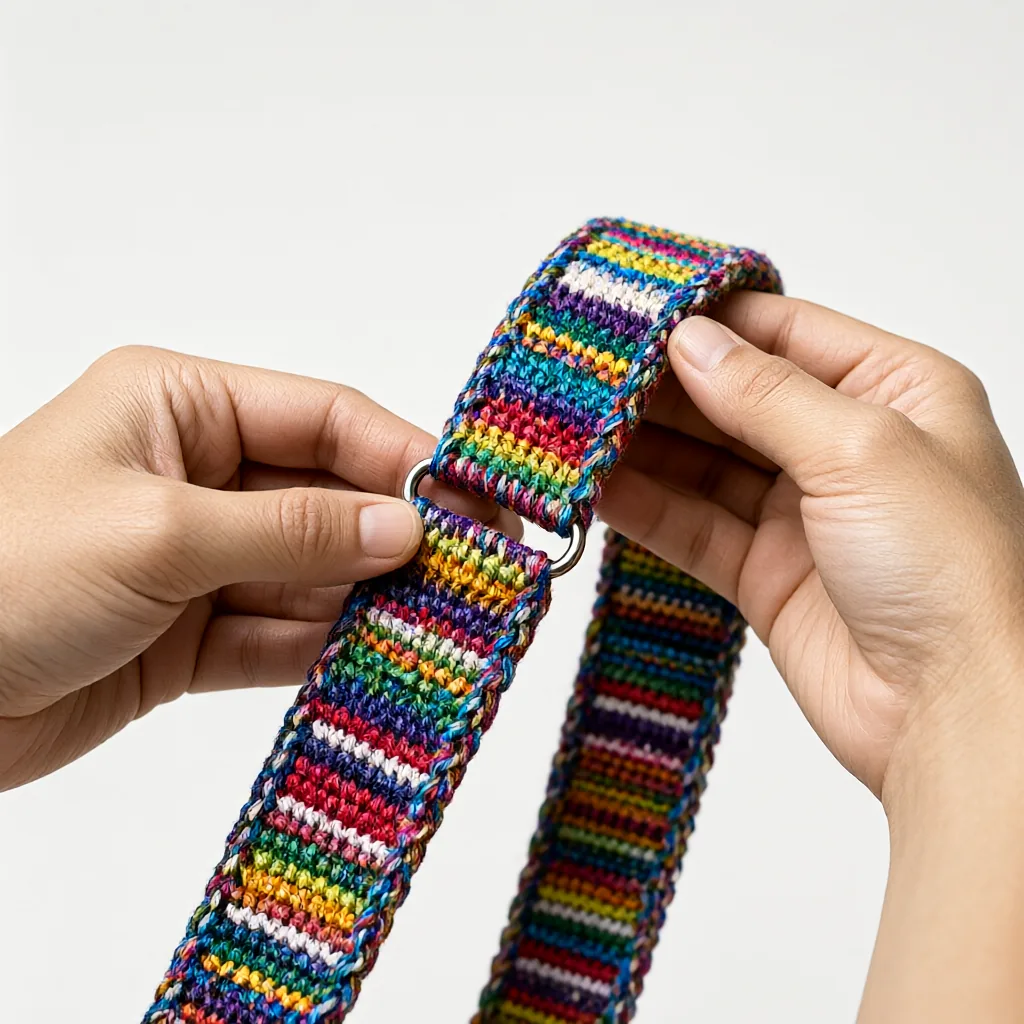
The 6-Step Field Test Protocol
- Weight test. For components of the same dimensions, solid brass is generally heavier than zinc alloy, while stainless steel also tends to weigh more than zinc alloy. Hardware that feels suspiciously light for its size is likely cast from recycled zinc alloy with internal porosity.
- Magnet test. 304 stainless steel is non-magnetic or very weakly magnetic. Iron-based plated hardware is strongly magnetic. Brass is non-magnetic. A strong magnet quickly distinguishes stainless steel and brass from iron or mild steel with a decorative coating.
- Salt spray test (request report). Ask the supplier for a salt spray test certificate. 48 hours without corrosion is the standard for acceptable hardware. Components that show rust within 12 hours are unsuitable for any product expected to last more than one season.
- Plating scratch test. Drag the edge of a coin firmly across the plated surface. Quality plating should not flake or reveal the base material underneath. If the coating lifts, the plating adhesion is insufficient.
- Tensile / pull test. Apply a static load of 15-25 kg to D-rings and snap hooks. The component should show no visible deformation. This test is particularly important for strap attachment points, which bear the full weight of a loaded bag.
- Fatigue test. Open and close magnetic locks, turn locks, and snap hooks 2,000 times. The mechanism should remain firm and functional throughout. Any loosening, sticking, or failure before 2,000 cycles indicates inadequate spring quality or casting precision.
Cost Reality: What Quality Hardware Actually Costs
The per-unit cost difference between basic and premium hardware is small in absolute terms but significant in its effect on perceived product quality. Understanding the real numbers puts hardware investment in the right perspective.
| Component | Zinc Alloy | Solid Brass | Stainless Steel | Price Ratio (vs Zinc) |
|---|---|---|---|---|
| D-Ring (25mm) | $0.05-$0.10 | $0.20-$0.50 | $0.30-$0.60 | 3-6x |
| Snap Hook (32mm) | $0.15-$0.30 | $0.50-$1.00 | $0.60-$1.20 | 3-4x |
| Magnetic Lock | $0.10-$0.25 | $0.30-$0.60 | $0.50-$0.80 | 3-4x |
| Rivet (8mm, per 100) | $0.50-$1.00 | $2.00-$4.00 | $3.00-$5.00 | 3-5x |
The Per-Bag Hardware Cost Calculation
A typical medium-sized handbag uses approximately 12 hardware components. With zinc alloy throughout, the total hardware cost is $1.50-$3.00 per bag. With solid brass throughout, the cost rises to $5.00-$10.00 per bag — a difference of $3.50-$7.00.
That difference represents roughly 5% of a typical bag’s production cost. But hardware quality has an outsized influence on perceived value. A bag with solid brass hardware and quality plating looks and feels more expensive than an identical bag with zinc alloy hardware — even when the leather, construction, and design are the same. Industry buyers consistently report that hardware upgrades can support a $20-$50 increase in perceived retail value on a mid-market bag. The investment is almost always worth making for products positioned above the promotional or fast-fashion tier.
The one rule of thumb that holds across all categories: hardware cost is approximately 5% of production cost but 50% of perceived quality. Treat it accordingly.
How Pactus Combines Solid Copper and YKK for Long-Lasting Hardware
The Компактная коллекция римейков addresses hardware quality at every contact point through deliberate material choices that eliminate the most common failure modes.
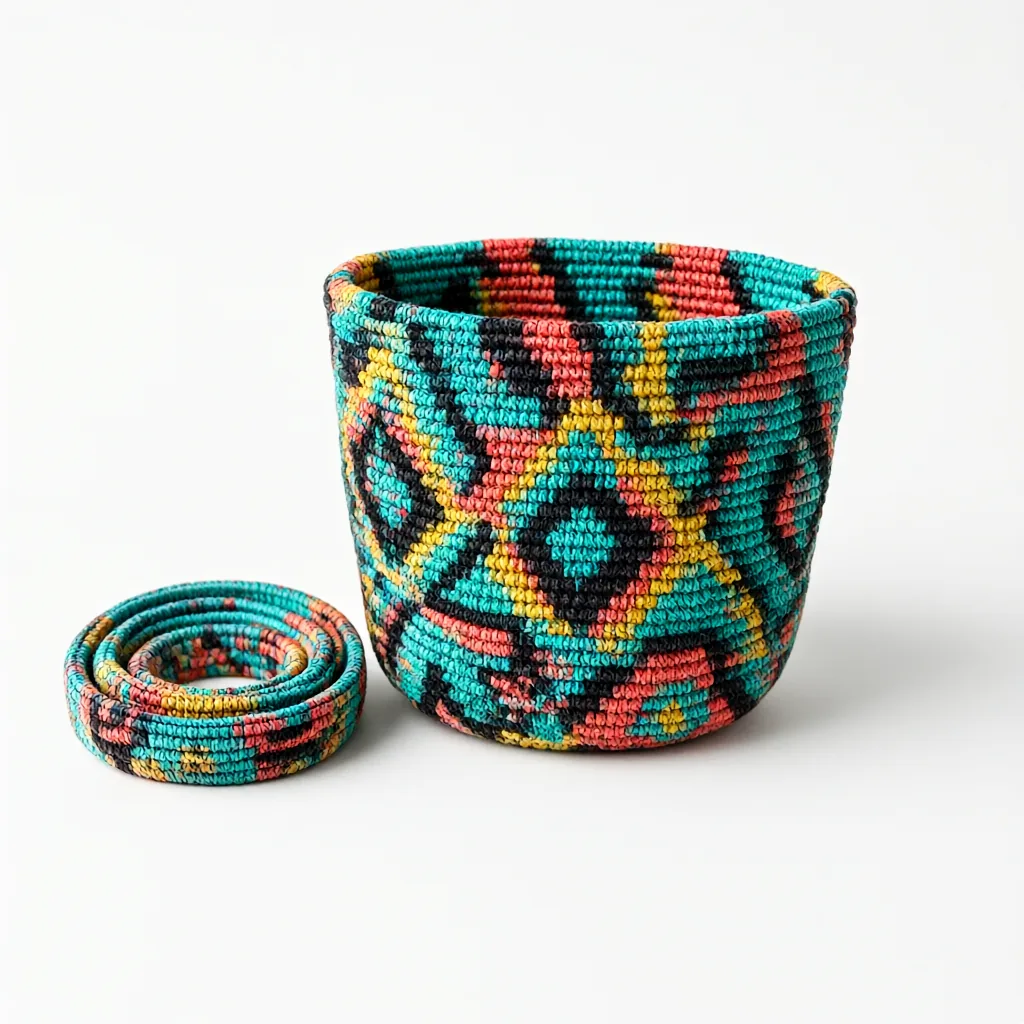
The collection specifies solid copper for decorative and structural fittings — buckles, D-rings, and accent elements. Solid copper is distinct from copper-plated zinc alloy in a critical way: there is no plating layer to wear through.
The material is copper all the way through, which means it will never expose a different metal underneath. Over time, solid copper develops a warm, living patina that complements the natural aging of the Italian full-grain leather it is paired with. Both materials age together rather than one degrading while the other improves.
For the closure system, the collection uses Молнии YKK throughout — eliminating the single most common bag failure point entirely. YKK’s 10,000-cycle durability rating and precision-machined sliders mean the zipper will outlast the bag’s other components by a wide margin.
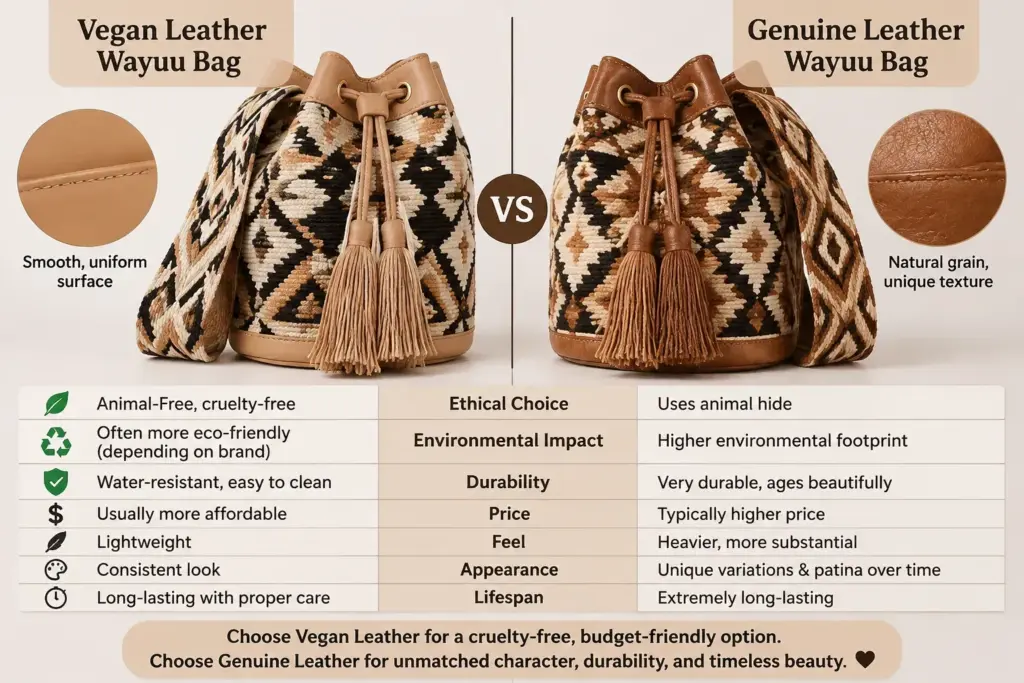
For wholesale buyers evaluating the Remake Collection, the hardware specification signals a product where every visible and functional element has been selected for longevity. Whether your customers are evaluating vegan versus genuine leather options, reading up on how to care for Italian leather bags, or comparing zipper brands, the Remake Collection’s hardware story reinforces the same message: this is a bag built to last, and its quality is visible at every point of contact.
FAQ: Bag Hardware Quality for Buyers
How do I tell if bag hardware is solid brass or brass-plated?
Three quick tests: weight (solid brass is noticeably heavier than brass-plated zinc alloy), magnetism (brass is non-magnetic, so a magnetic response means the base is iron or steel), and a discreet scratch in an inconspicuous area (brass-plated zinc alloy will show grey metal underneath, while solid brass shows brass all the way through). For production orders, require the supplier to provide a material composition certificate.
What hardware material is best for luxury handbags?
Solid brass with PVD vacuum plating is the standard for most luxury handbag hardware. It provides excellent weight, a warm tactile feel, strong plating adhesion, and long-term durability. Stainless steel with PVD is also used, particularly for brands that want a cooler, more modern aesthetic. Both materials significantly outperform zinc alloy in longevity and perceived quality.
How long does zinc alloy hardware last compared to brass?
With water plating, zinc alloy hardware typically maintains its finish for 6-12 months of regular use before visible wear appears. Solid brass with the same plating process can maintain its finish for 2-3 годы. With PVD vacuum plating, both materials last significantly longer, but solid brass retains the advantage of a warm base metal color if the plating eventually wears through, whereas zinc alloy reveals an unattractive grey substrate.
Should I specify PVD vacuum plating for my bag hardware?
Да, for any product positioned above the fast-fashion or promotional tier. PVD plating costs 2-3 times more than water plating but extends finish longevity from months to years. It is particularly critical for gold and rose gold finishes, which are the most prone to premature wear under water plating. For matte black and gunmetal finishes, PVD also provides superior scratch resistance.
What tests should I require from my hardware supplier?
At minimum, require a salt spray test report (48 hours without corrosion as the acceptance standard), a material composition certificate confirming the base metal and grade, and a plating thickness report. For load-bearing components like D-rings and snap hooks, specify a pull test at 15-25 kg with no deformation. For mechanical components like turn locks and magnetic clasps, specify a 2,000-cycle fatigue test with no functional degradation.
This article is part of our Complete Bag Material Guide for Retailers — the central resource for choosing the right materials, аппаратное обеспечение, and certifications for your product line.
Explore Further: Hardware is only one piece of the bag construction puzzle. Our types of leather bags guide covers the complete style taxonomy, leather matching matrix, and manufacturing cost breakdown for every major bag type.