If you source leather bags at wholesale scale, “Italian leather” is one of the most profitable—and most faked—labels in the market. Italy exports over €10 billion in leather goods annually, and the prestige of pelle italiana commands a 30–60% price premium over equivalent grades from other origins. That premium creates an incentive for mislabeling at every stage of the supply chain.
This guide gives wholesale buyers a field-tested, six-step verification protocol for confirming Italian leather origin and grade—backed by Italian law, industry certification systems, and lab testing standards. Whether you’re evaluating samples at a Canton Fair booth or inspecting a shipment at your warehouse, this checklist turns subjective “feel” into repeatable, documented decisions.
Why “Italian Leather” Gets Faked — and Why Buyers Need a Verification System
Italy is home to some of the world’s most respected tanneries—names like Conceria Walpier, Conceria Tempesti, and Badalassi Carlo have built reputations over generations. Their vegetable-tanned and chrome-tanned hides supply luxury houses from Gucci to Hermès, and the “Made in Italy” stamp carries genuine quality assurance when applied honestly.
But the economics of mislabeling are straightforward. A corrected-grain cowhide from Southeast Asia costs $2.50–$4.00 per square foot at wholesale. The same hide, processed through an Italian finishing facility—or simply relabeled—can sell for $8.00–$15.00 per square foot as “Italian leather.” For a buyer purchasing 500+ hides per order, that’s a potential overpayment of $15,000–$50,000 per shipment.
The risk isn’t limited to price. Misidentified leather can fail REACH compliance tests for restricted chemicals, carry incorrect care instructions that lead to customer returns, and expose your brand to regulatory action in EU and North American markets.
What “Made in Italy” Legally Requires
Under EU non-preferential rules of origin, a product’s origin is generally determined by its last substantial processing. Imported hides may qualify as Italian-origin if the processing carried out in Italy meets the applicable requirements. However, tanning, dyeing, or finishing in Italy does not automatically qualify a product for the “Made in Italy” label.
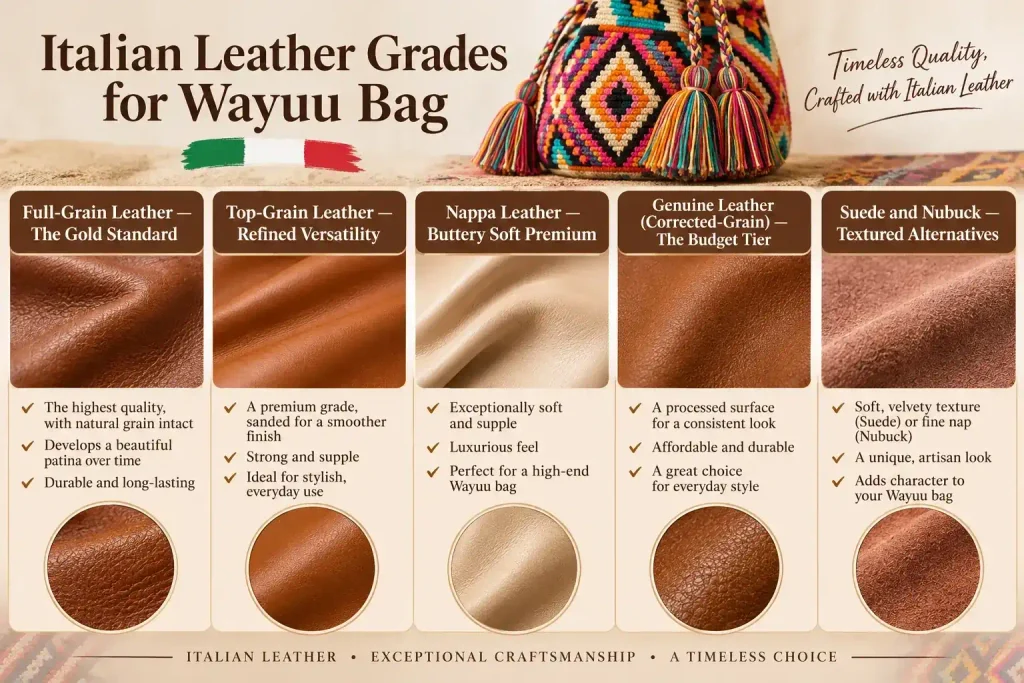
For a more detailed breakdown of Italian leather grades and their characteristics, see our complete Italian leather grades guide.
The 6-Point Field Verification Protocol
Before sending samples to a lab, every wholesale buyer should run this six-step field test. It takes approximately 10 minutes per sample and catches 80%+ of common mislabeling scenarios. Keep a printed copy of this table in your inspection kit.
| Step | Test | What You’re Checking | Pass Signal | Fail / Suspect Signal |
|---|---|---|---|---|
| 1 | Visual Grain Inspection | Natural pore irregularity | Random pore pattern, minor scars | Perfectly uniform repeating pattern |
| 2 | Touch & Press Test | Elasticity and wrinkle recovery | Wrinkles form under pressure, smooth out within 30 seconds | No wrinkle formation or slow recovery (>2 min) |
| 3 | Smell Test | Tanning method indicator | Earthy, woody (veg-tan) or mild chemical (chrome-tan) | Strong plastic, solvent, or glue odor |
| 4 | Water Drop Test | Surface finish and porosity | Absorbs slowly within 60 seconds (aniline/semi) | Water beads indefinitely (heavy pigment coat) or absorbs instantly (unfinished) |
| 5 | Edge & Cross-Section | Consistent dye penetration | Color uniform through full thickness | White or lighter core = surface-only dye (re-dyed or corrected) |
| 6 | Burn Test (sample only) | Material composition | Hair-like smell, crumbles to powder ash | Plastic smell, melts into hard bead = synthetic or bonded |
Each test individually is not conclusive. The power is in the pattern: a sample that passes all six is very likely genuine full-grain or top-grain leather. Two or more failures warrant lab verification before accepting the shipment.
Visual Inspection: Reading the Grain
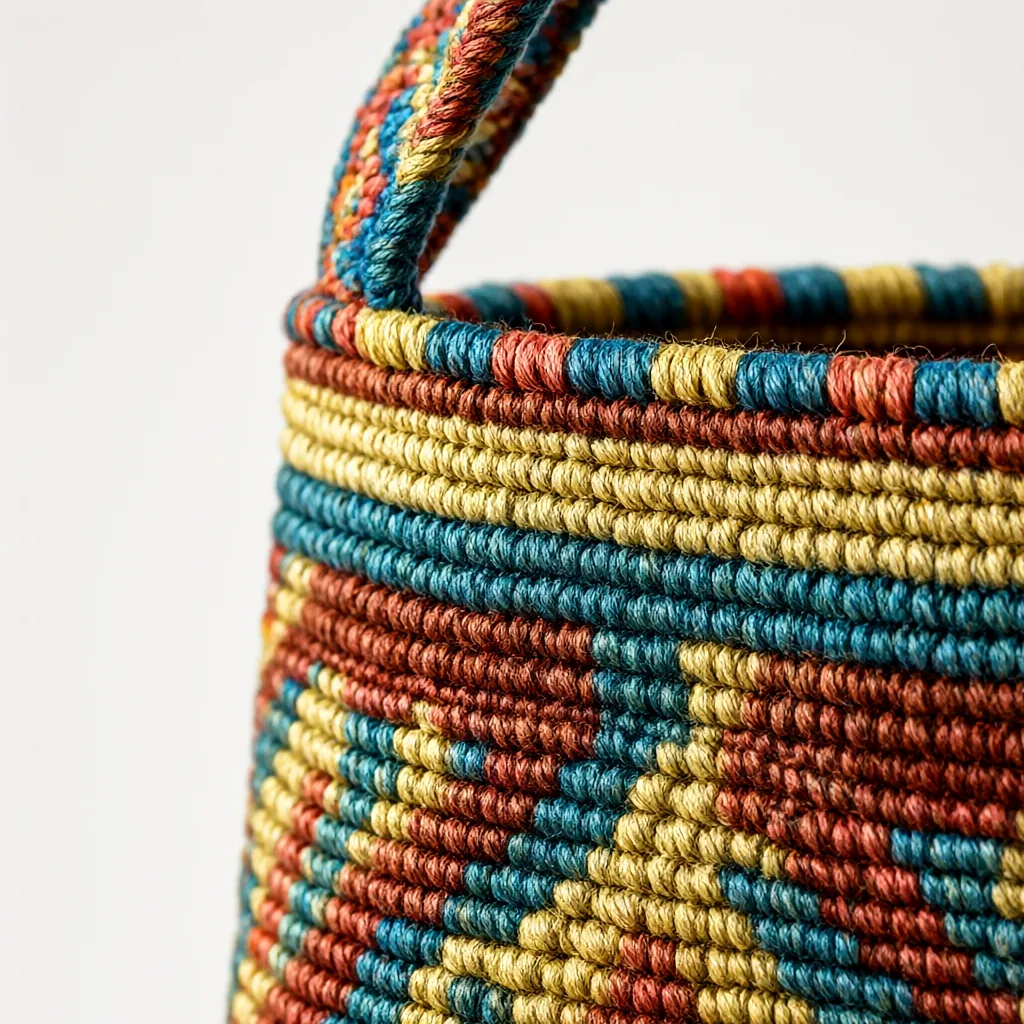
Full-Grain vs Top-Grain vs Corrected — What the Surface Tells You
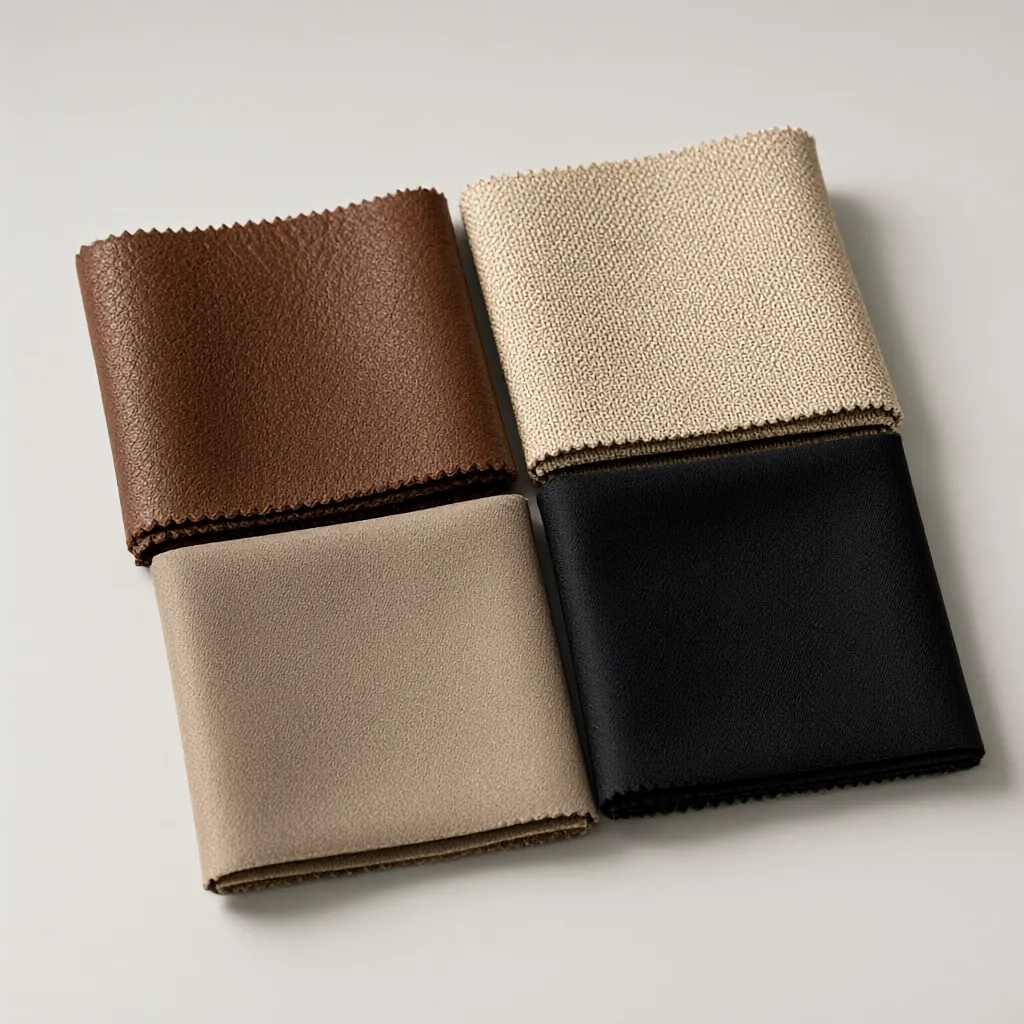
Full-grain leather retains the complete natural grain layer, including pores, minor scars, and insect bite marks. Under magnification, you’ll see a random, non-repeating pore pattern—like a fingerprint. Top-grain leather has been lightly sanded to remove surface imperfections but retains most of the natural grain structure.
Corrected-grain leather has a surface that has been altered to reduce natural imperfections. It may be embossed with an artificial grain pattern, while full-grain leather retains its original grain surface. Top-grain leather may also undergo surface correction, depending on the manufacturing process.
The tell: hold the leather at a 45° angle under direct light. Full-grain and top-grain will show subtle, random light reflections across the surface. Corrected-grain produces a uniform, almost mechanical reflection pattern.
Magnification Check — Using a 10× Loupe
A standard jeweler’s loupe (10× magnification, approximately $15) is the single most useful field tool for leather identification. At 10×, genuine full-grain leather reveals:
- Natural pores with irregular spacing and variation in size and depth.
- Natural grain ridges that branch and merge organically
- Minor imperfections: healed scars, neck wrinkles, fat deposits visible as lighter patches
Corrected-grain or PU-coated leather at the same magnification shows a perfectly stamped, repeating hexagonal or diamond pattern with uniform depth. Bonded leather reveals individual fiber particles compressed together—visible as a speckled, particleboard-like texture.
Natural Imperfections as Authenticity Markers
Counterintuitively, the “flaws” in leather are the strongest proof of authenticity. Barbed-wire scars, tick bite marks, and neck wrinkles (the thick fold lines from the animal’s neck area) are impossible to fake convincingly at scale. A hide with zero visible imperfections across a large surface area is either corrected-grain or synthetic.
The “Made in Italy” Label: What It Really Means
Italian Law on Origin Labeling
Italian Law 350/2003 (implementing EU customs origin rules) establishes that “Made in Italy” requires two substantial transformations on Italian territory. For leather goods, the critical question is: where did tanning and finishing occur? A hide can be sourced from Argentine cattle, shipped raw to Tuscany, tanned using vegetable tannins, dyed, and finished—and legitimately bear “Made in Italy.” The raw material origin is not required to be disclosed on the label.
“Made in Italy” vs “Designed in Italy” vs “Italian Leather”
These three phrases carry different legal weights and mean very different things:
- “Made in Italy” — Two or more substantial production stages completed in Italy (legally regulated)
- “Designed in Italy” — The design was created in Italy; production may have occurred anywhere (no origin guarantee)
- “Italian Leather” — A marketing phrase with no specific legal definition; often used loosely for leather that merely passed through Italy
As a buyer, treat “Italian Leather” without “Made in Italy” as a red flag requiring documentation verification.
The Vera Cuoio Stamp and Consortium Labels
The Vera Cuoio (Genuine Leather) stamp, managed by UNIC (Italian Tanners’ Union), certifies that a product is made from genuine animal hide—not bonded, coated fabric, or synthetic material. It does not certify Italian origin.
The more valuable mark is the “Pelle Conciata al Vegetale in Toscana” (Vegetable-Tanned Leather in Tuscany) consortium label. This consortium comprises approximately 20 member tanneries in the Tuscan leather district. Each piece bearing their label includes:
- A unique traceability number linked to the specific tannery and production batch
- Verification via the consortium’s online database
- Certification that only natural vegetable tannins (chestnut, quebracho, mimosa) were used
| Certification Mark | Issuing Body | What It Verifies | What It Does NOT Verify |
|---|---|---|---|
| Vera Cuoio | UNIC (Italian Tanners’ Union) | Genuine animal hide (not synthetic) | Italian origin, tanning method |
| Pelle Conciata al Vegetale in Toscana | Consorzio Vera Pelle | Vegetable-tanned in Tuscany, traceable batch | Specific tannery (need batch lookup) |
| Made in Italy | Italian Customs / EU Regulation | Two+ production stages in Italy | Raw material origin, environmental standards |
| REACH Compliant | Independent testing labs | EU chemical safety standards met | Origin or leather grade |
| Leather Working Group (LWG) | LWG audit protocol | Environmental and traceability standards | Italian origin specifically |
Documentation Verification: What to Request from Suppliers
Field tests catch obvious fakes, but documentation verification catches sophisticated ones. Every supplier claiming “Italian leather” should be able to produce the following documents within 48 hours of a request. Inability to provide any single item is a serious red flag.
Tannery Certificate of Origin
This document, issued by the tannery itself (not the trading company or exporter), states the tannery’s name, address, production location, and confirms the specific batch was processed at their facility. Italian tanneries are accustomed to providing these—Conceria Walpier, Badalassi Carlo, and Conceria Tempesti all issue them as standard practice.
REACH Compliance Report
EU Regulation 1907/2006 (REACH) restricts over 200 substances in leather products sold in the European Union. A valid REACH compliance report from an accredited lab (SGS, TÜV, Bureau Veritas) confirms the leather is free of restricted azo dyes, hexavalent chromium, and other prohibited substances. This is non-negotiable for any buyer selling into EU markets.
ISO and Environmental Certifications
ISO 9001 (quality management) and ISO 14001 (environmental management) certifications indicate a professionally managed tannery. While not specific to Italian origin, their absence from a supplier claiming premium Italian leather is a yellow flag. Additionally, Leather Working Group (LWG) Gold or Silver ratings provide independent verification of environmental and traceability standards.
Looking for reliable handmade bags at wholesale?
Browse the PACTUS collection and request catalog & pricing for your boutique.
Get Wholesale Catalog & Pricing →Batch Traceability Documents
The most important—and most frequently withheld—document. Batch traceability links a specific shipment of leather back to the raw hide source, the tanning date, the chemical formulations used, and the finishing processes applied. Legitimate Italian tanneries maintain this data and share it with direct customers. If a supplier cannot or will not provide batch traceability, assume the leather’s origin story cannot be independently verified.
| Document | Issuer | Purpose | Red Flag If Missing |
|---|---|---|---|
| Certificate of Origin | Tannery (not trader) | Confirms production location | Critical — cannot verify “Made in Italy” |
| REACH Compliance Report | SGS / TÜV / BV | Chemical safety for EU market | Critical — regulatory liability |
| ISO 9001 / 14001 | Accredited registrar | Quality & environmental management | Moderate — professionalism indicator |
| LWG Audit Rating | Leather Working Group | Environmental & traceability standards | Moderate — increasingly expected |
| Batch Traceability | Tannery | Links shipment to specific production run | Critical — origin unverifiable without it |
| Chrome-Free Test Report | Accredited lab | Confirms veg-tan claim if applicable | High — if selling as vegetable-tanned |
Lab Testing: When Field Tests Aren’t Enough
When to Send Samples to a Lab
Lab testing costs $150–$600 per sample with a 5–15 business day turnaround. It’s justified in three situations:
- New supplier, first order — Always lab-test before committing to a production run
- Order value above $20,000 — The cost of testing is trivial compared to the risk
- Field test failures — Two or more failed field tests demand lab confirmation before accepting or rejecting the shipment
Key Lab Tests and What They Reveal
Four tests cover the most common verification needs:
- FTIR Spectroscopy — Identifies material composition by infrared absorption. Confirms genuine leather vs. synthetic (PU/PVC) vs. bonded leather. Cost: $150–$250, turnaround: 5–7 days.
- Chromium Content Analysis — Measures Cr(III) and Cr(VI) levels. Distinguishes chrome-tanned from vegetable-tanned leather and flags hexavalent chromium violations. Cost: $100–$200.
- Tensile Strength & Tear Resistance — Verifies that the leather meets grade specifications. Full-grain should show 20–30 MPa tensile strength; corrected-grain typically tests at 12–18 MPa. Cost: $100–$150.
- Colorfastness Testing — Measures dye stability under light exposure, rubbing, and moisture. Essential for bags in light colorways. Cost: $80–$120.
| Lab | Headquarters | Typical Cost Range | Turnaround | Accreditation |
|---|---|---|---|---|
| SGS | Geneva, Switzerland | $200–$500 | 7–10 business days | ISO 17025 |
| TÜV SÜD | Munich, Germany | $250–$600 | 10–15 business days | ISO 17025 |
| Intertek | London, UK | $180–$450 | 5–10 business days | ISO 17025 |
| Bureau Veritas | Paris, France | $200–$500 | 7–12 business days | ISO 17025 |
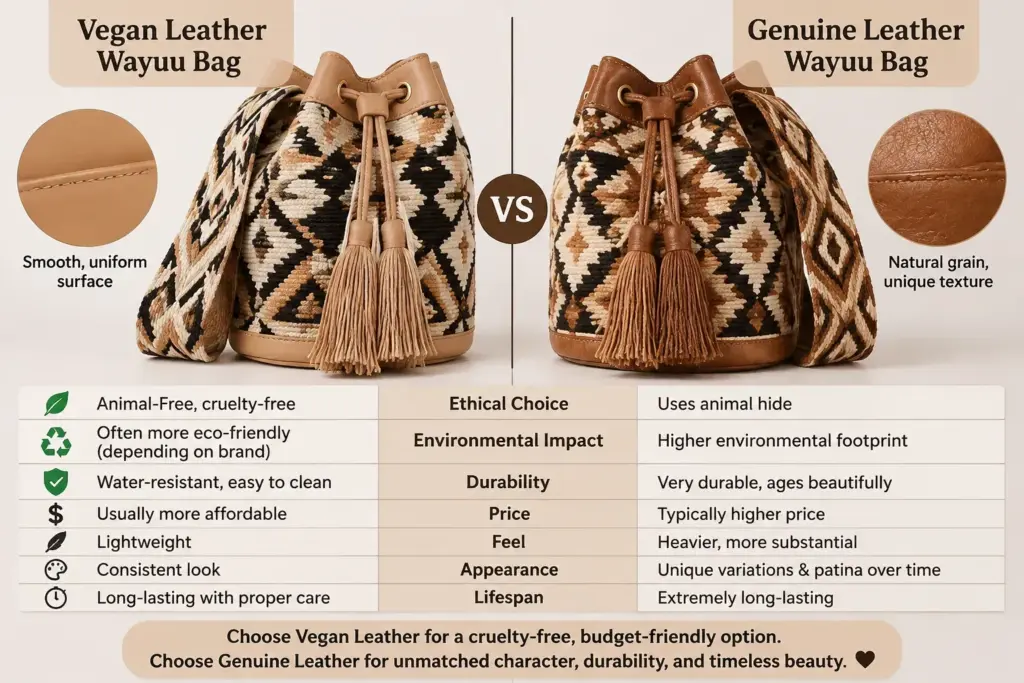
For a comparison of how different leather types perform over time, our vegan leather vs genuine leather comparison includes long-term durability data.
Red Flags: 7 Signs Your “Italian Leather” Isn’t What You Paid For
Based on documented cases and buyer reports across the industry, these seven signals should trigger immediate additional verification—or outright rejection of a supplier:
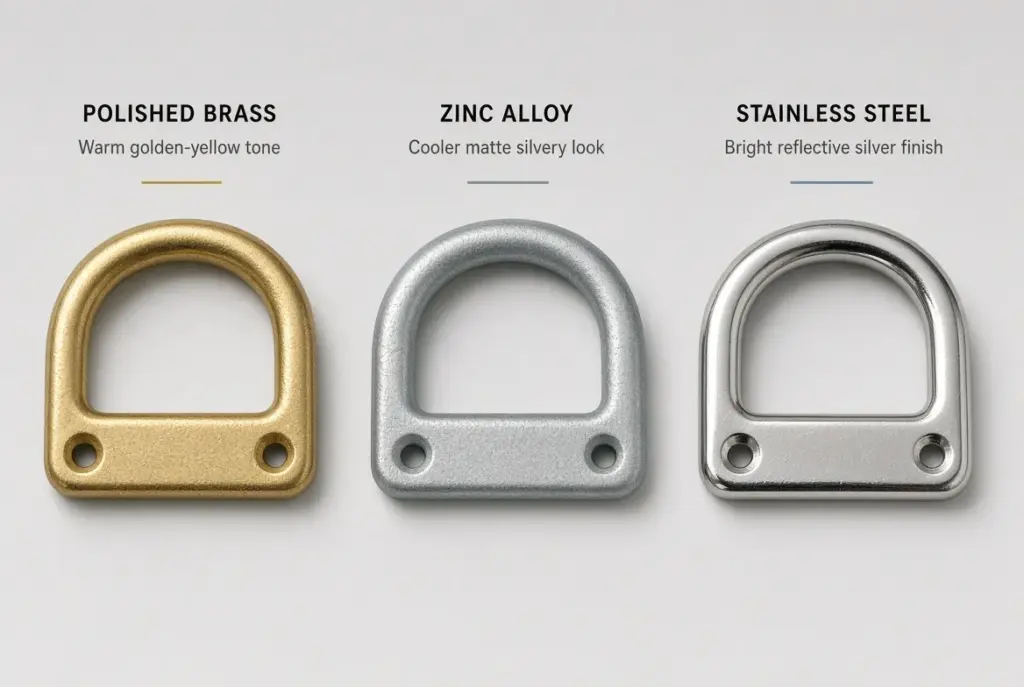
- Price 30%+ below market benchmark — Full-grain Italian vegetable-tanned leather currently trades at $8.00–$15.00/sq ft wholesale. Quotes below $5.50/sq ft for claimed “Italian full-grain” are almost certainly mislabeled. For current hardware and material cost benchmarks, see our bag hardware and materials quality guide.
- Surface grain too uniform or “perfect” — No natural leather is blemish-free across a full hide (typically 45–55 sq ft). Zero visible scars, pores, or texture variation indicates corrected-grain re-embossing or synthetic material.
- Нет “Made in Italy” label—or label easily removable — Genuine Italian leather products have permanently attached or embossed origin markings. Stick-on labels that peel off without residue suggest the label was added post-production.
- Supplier cannot provide tannery name and address — If your supplier says “our tannery partner prefers to remain anonymous” or cannot name the specific tannery within 48 часы, the leather almost certainly did not pass through a reputable Italian facility.
- Cross-section color mismatch — Cut a small sample and examine the edge. If the surface color differs from the interior (lighter core, white streaks), the leather was surface-dyed after tanning—a common technique to make lower-grade leather look like premium stock.
- Chemical or plastic odor — Genuine Italian leather—whether veg-tan or chrome-tan—has a distinctive natural smell. Veg-tan smells earthy and woody; chrome-tan has a mild, clean chemical scent. A strong plastic, solvent, or “new car” smell indicates heavy PU coating or synthetic material.
- No batch traceability or mismatched document numbers — If the batch number on the Certificate of Origin doesn’t match the number on the shipping documents, or if the supplier provides generic (non-batch-specific) certificates, the documentation is decorative, not functional.
Building Your Supplier Verification SOP
Phase 1 — Sample Request Protocol
Before placing any order, request the following from every new supplier:
- Minimum 3 sample swatches (10×10 cm) from different hides in the batch
- Complete documentation package (Certificate of Origin, REACH report, batch traceability)
- Tannery name, address, and LWG rating (if applicable)
- Written confirmation of tanning method (vegetable, chrome, or combination)
Document each sample with a photo (front, back, and cross-section), a weight measurement, and a thickness reading using digital calipers. This becomes your reference baseline.
Phase 2 — Field Testing Workflow
When the production shipment arrives, pull 5% of hides (minimum 3) for field testing using the 6-Point Protocol documented above. Record results on a standardized form with:
- Date, inspector name, and shipment batch number
- Pass/fail for each of the 6 tests
- Photographs of any failures
- Inspector’s overall assessment and recommended action
Phase 3 — Ongoing Quality Monitoring
For established supplier relationships, implement a rolling verification schedule:
- Every shipment — 5% sample field test (Phase 2 protocol)
- Quarterly — Send one random sample to a third-party lab for FTIR and chromium analysis
- Annually — Request updated Certificates of Origin and REACH compliance reports; verify LWG audit status hasn’t expired
Supplier Scorecard Template
Track each supplier across four dimensions, scored 1–5 quarterly:
| Dimension | Score 5 (Excellent) | Score 3 (Acceptable) | Score 1 (Unacceptable) |
|---|---|---|---|
| Documentation Completeness | All docs provided within 24h, batch-specific | Most docs provided, some generic | Cannot provide key documents |
| Field Test Results | 100% pass rate across all shipments | 1–2 minor failures, resolved quickly | Repeated failures, disputed claims |
| Delivery Consistency | On-time, correct quantities, consistent grade | Occasional delays (<1 week), minor grade variance | Frequent delays, wrong quantities, grade disputes |
| Price Stability | Predictable pricing, advance notice of increases | Moderate fluctuation, reasonable communication | Unexplained price jumps, hidden fees |
Suppliers scoring below 3 in any dimension for two consecutive quarters should be placed on probation with mandatory lab testing for every shipment until scores recover. For a comprehensive overview of all bag material categories and their sourcing considerations, see our complete bag material guide for retailers.
Once you’ve verified your leather, proper care instructions become essential for your retail customers. Our Italian leather care guide provides the maintenance protocols you should include with every product. Browse our Remake Collection to see examples of bags crafted from verified Italian leather.
FAQ — How to Identify Italian Leather for Wholesale Buyers
Can I identify Italian leather just by looking at it?
Visual inspection alone is not sufficient. While you can distinguish full-grain from corrected-grain by examining pore patterns under magnification, confirming Italian origin requires documentation verification (Certificate of Origin, batch traceability) и, for high-value orders, third-party lab testing. The 6-Point Field Protocol in this guide combines visual, tactile, and chemical indicators for a more reliable assessment.
What does “Made in Italy” legally mean for leather products?
Under EU non-preferential rules of origin, a product’s origin is generally determined by its last substantial processing. For leather products, tanning or finishing in Italy alone does not automatically qualify them as Made in Italy.
Leather made from imported hides may qualify as Italian-origin if the processing in Italy meets the applicable requirements. The origin of raw hides and finished leather are separate considerations.
Is the burn test safe for verifying leather on finished bags?
The burn test should only be performed on sample swatches or offcuts—never on a finished product intended for sale. The test requires a small piece (2×2 cm) and produces smoke and odor. It’s most useful during sample evaluation, not on received inventory. For finished goods, rely on the water drop test, cross-section examination, and documentation verification instead.
How much does lab testing cost for leather verification?
A basic verification package (FTIR spectroscopy + chromium analysis) costs $250–$450 at major testing labs (SGS, TÜV, Intertek, Bureau Veritas) with a 5–15 business day turnaround. Full compliance testing including REACH, colorfastness, and tensile strength runs $500–$800. For wholesale orders above $20,000, the testing cost is negligible relative to the risk of accepting mislabeled leather.
What’s the difference between “Italian leather” и “leather made in Italy”?
“Made in Italy” is a legally regulated origin claim requiring two substantial production stages in Italy. “Italian leather” is a marketing phrase with no specific legal definition—it may refer to leather processed in Italy, leather from Italian-brand tanneries operating abroad, or simply leather marketed with an Italian association. Always verify “Italian leather” claims with documentation; trust “Made in Italy” only when backed by a Certificate of Origin from the tannery.