Integrating genuine Wayuu tribe cultural heritage into your corporate ESG framework demands more than superficial fair-trade labels. Unchecked industrial counterfeits and opaque intermediary networks actively erode the Guajira regional economy, transforming a matrilineal economic engine into a severe supply chain liability.
This analysis benchmarks ethical sourcing models against industry standard compliance protocols. We evaluate the structural mechanics of single-thread authenticity, the role of traditional Pütchipü’üi governance, and transparent compensation frameworks to help you build an auditable partnership that funds localized survival strategies.
What Defines Wayuu Cultural Heritage
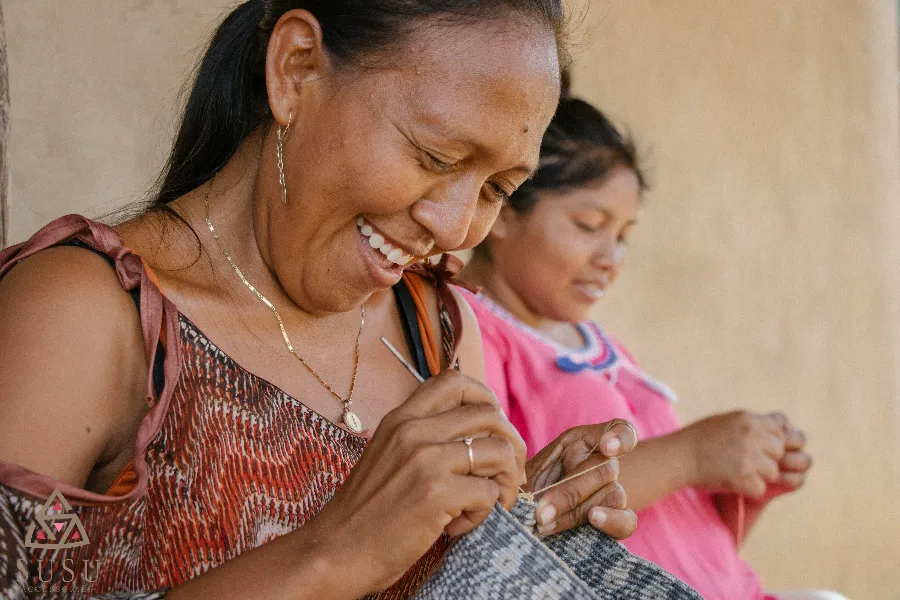
A matrilineal society rooted in the Guajira desert, the Wayuu define their heritage through restorative justice, oral traditions, and intricate textile arts that sustain their economy.
Connection to the Guajira Territory
The Wayuu people maintain a deep historical bond with the arid La Guajira Peninsula, a region straddling the border of Colombia and Venezuela. Their survival in this harsh environment relies entirely on generations of applied ecological knowledge.
Rather than fighting the desert, the Wayuu adapt to it through specific environmental strategies:
- Seasonal Migration: Moving herds based on drought cycles and wind patterns to secure water and pasture.
- Water Management: Utilizing earthen rainwater reservoirs known as jagueyes to capture scarce rainfall.
- Territorial Defense: Sustaining a centuries-old legacy of historical continuity and autonomy against colonial and modern expansion.
Matrilineal Society and Clan Structure
Wayuu society operates strictly through the maternal line. Descent, cultural identity, and inheritance pass directly from mothers to their children. This structure organizes the entire population into clans, each linked to specific geographic territories and represented by totemic animal symbols.
This system clearly defines gender roles within the community:
- Women’s Authority: Women hold the central decision-making power in social, political, and economic matters, acting as the primary custodians of household assets and traditions.
- Men’s Roles: Men traditionally focus on physical labor, including herding livestock, farming, and crafting utilitarian tools like sandals and hats.
Restorative Justice and the Pütchipü’üi
The Wayuu resolve conflicts through a UNESCO-recognized normative system that prioritizes compensation over punishment. Instead of seeking retribution, the community focuses on repairing relationships and restoring social harmony.
The process relies on specific mediators and compensation structures:
- The Pütchipü’üi: Also known as the palabrero, this chosen orator mediates disputes using rhetorical skill and a deep understanding of ethical norms.
- Collective Responsibility: When a wrongdoing occurs, the offender’s entire clan shares the burden of providing reparation.
- Compensation Methods: Payments typically involve practical or symbolic assets, including livestock, traditional necklaces, or modern currency.
Weaving and Textile Arts
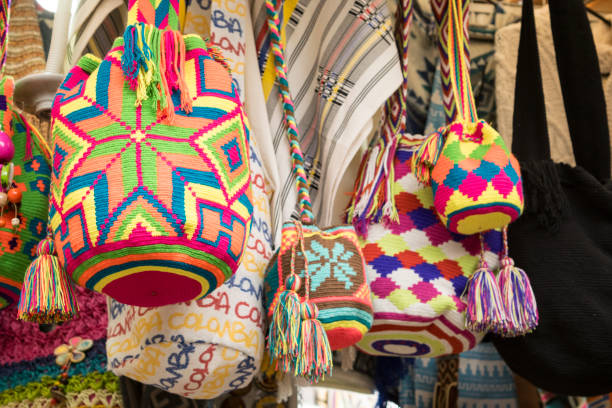
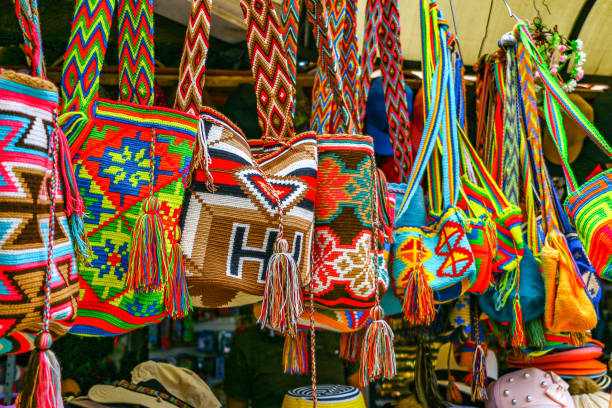
Textile production functions as a living archive for the Wayuu. Women learn complex weaving techniques from childhood, eventually encoding clan stories, mythologies, and cosmological motifs into physical objects.
These creations are essential to both daily life and the community’s economic survival:
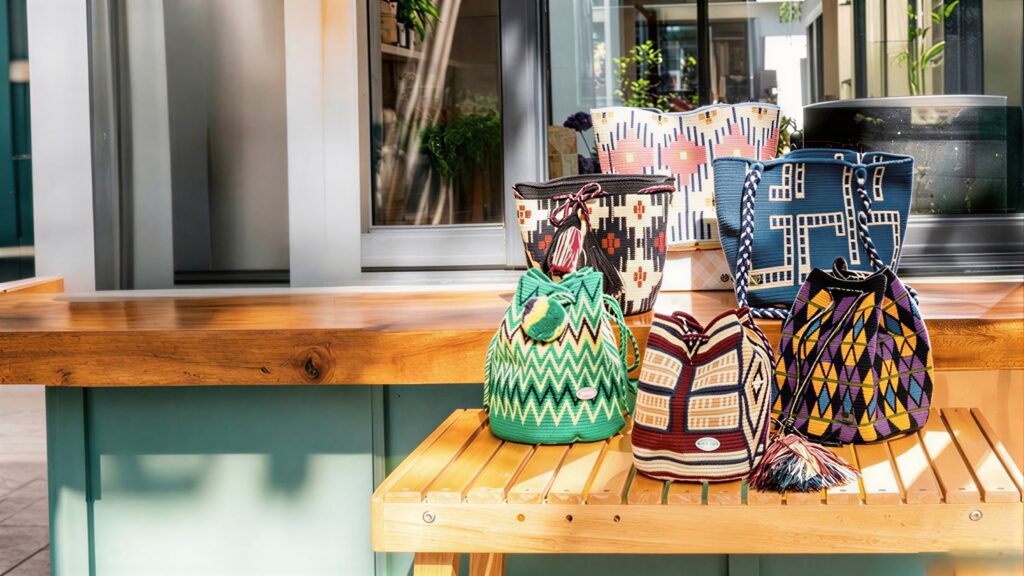
- Core Creations: Artisans produce iconic Mochila bags and hammocks that serve both everyday functional needs and specific ritual purposes.
- Economic Resource: Weaving drives contemporary global visibility and serves as a primary source of cash income for many families.
Oral Tradition and Cosmology
The Wayuu transmit their laws, ecological indicators, and cultural knowledge entirely through oral tradition using the Wayuunaiki language. They venerate the harsh natural environment, building a spiritual worldview directly tied to the sun, sand, and wind.
This cosmology manifests in daily life through specific practices:
- Didactic Stories: Elders use myths and narratives to encode moral norms and guide how people interact with nature.
- Life-Cycle Rituals: Ceremonies marking birth, puberty, marriage, and death maintain an active connection between the living and their ancestors.
Cultural Resilience and Adaptation
Wayuu heritage is not static; it survives through continuous adaptation. Communities face intense modern pressures, including prolonged droughts, water scarcity, and industrial impacts from regional coal mining and infrastructure expansion.
To navigate these challenges, the Wayuu blend ancestral knowledge with contemporary survival strategies:
- Food Security: Communities combine traditional agricultural practices with modern solutions like community gardens.
- International Advocacy: Leaders actively defend their land rights, cultural autonomy, and intellectual property on a global scale.
Preserving Traditional Crafts and Handwoven Techniques
Preserving Wayuu handwoven crafts means balancing intricate single-thread authenticity with market demand, empowering women artisans, and documenting the deep cultural storytelling woven into every kanaas pattern.
Core Handwoven Techniques Defining Authenticity
The true measure of a Wayuu mochila lies in the technique. Artisans utilize distinct methods depending on the design complexity and market requirements:
- Single-thread crochet (una hebra): Represents the most traditional method, producing tighter stitches and finer details entirely without machines.
- Double-thread crochet: Serves as a faster artisanal variation optimized for commercial market production.
- Tapestry crochet and finger weaving: Allow weavers to craft complex patterns and strong, loom-free straps.
Maintaining single-thread techniques helps protect the most intricate forms of the craft as faster commercial methods continue to rise in popularity.
The Cultural Symbolism of Kanaas Patterns
UN woven bag carries much more than physical items. The geometric designs, called kanaas, function as a visual language representing nature, daily life, memory, and ancestral beliefs.
For the Wayuu, each woven piece acts as an active form of cultural storytelling rather than just a decorative or functional object.
Documenting these patterns and their meanings supports cultural continuity. This process directly encodes the Wayuu worldview for future generations.
Empowering Women Artisans as Knowledge Keepers
Wayuu weaving remains a predominantly female discipline. Mothers pass these skills directly to their daughters through strict oral teaching and hands-on, intergenerational training.
The survival of the craft depends on the women who hold this knowledge. Highlighting female artisans as cultural authorities directly sustains the social structures required to keep the tradition alive.
These weavers do not just create display pieces. Producing functional items for daily use helps integrate the craft into community life as a living tradition.
Balancing Market Demand with Traditional Pacing
Authentic handwoven bags require massive time investments. Larger single-thread mochilas often take up to a full month to complete.
Mass manufacturing fails to mimic this aesthetic at the structural level. Factories simply cannot replicate the careful stitch tension, precise color selection, and deliberate pattern control of a human hand.
The industry must establish strict authenticity standards around construction, time investment, and thread count. These benchmarks are necessary to distinguish authentic intangible heritage from machine-made imitations.
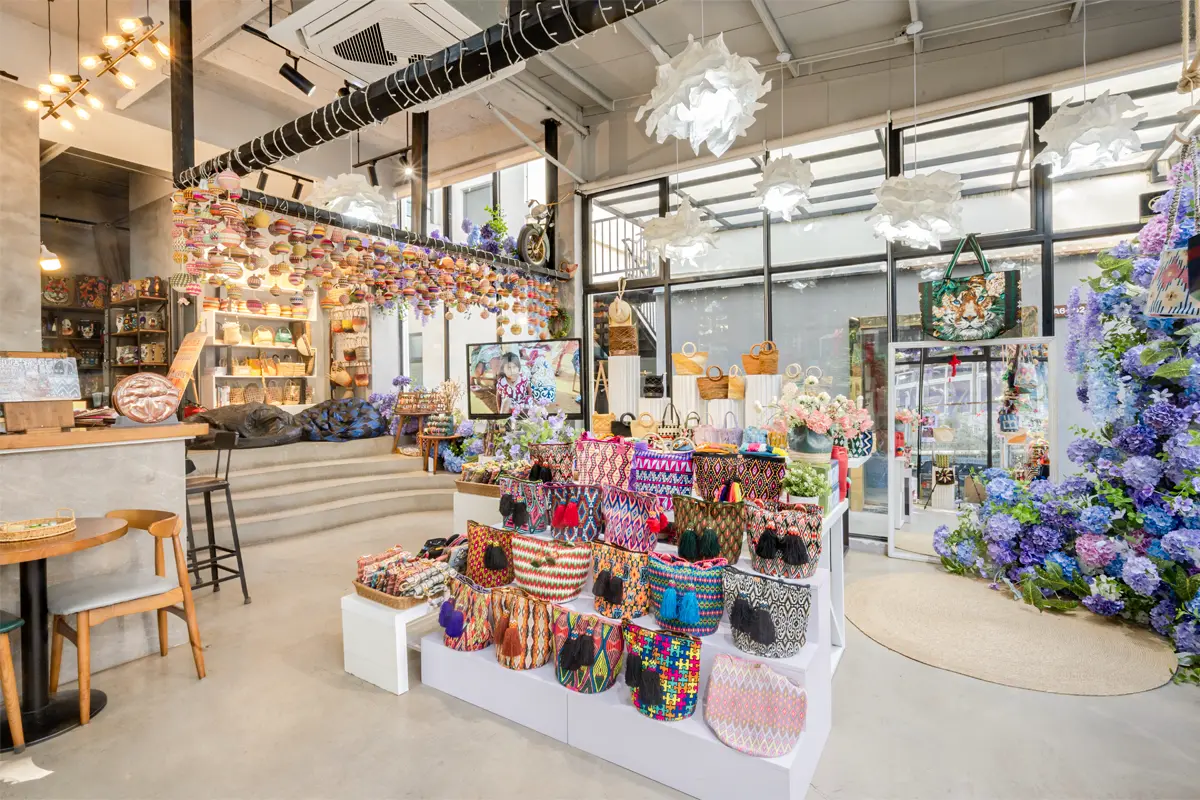
Maximize ROI With Luxury Remake Wayuu Bags
Protecting Wayuu Language and Oral Traditions
Protecting Wayuunaiki requires blending elder-led oral traditions with modern bilingual education, digital tools, and institutional archiving to secure the tribe’s cultural identity.
Implementing Bilingual and Intercultural Education
Schools across La Guajira are moving away from Spanish-only instruction to actively protect their native language.
- Bilingual Curricula: Schools are adopting specific frameworks to ensure children develop literacy in both Spanish and Wayuunaiki.
- Traditional Pedagogy: Educators prioritize local teaching methods by mirroring the ways elders have historically transmitted knowledge to youth.
- Elder Authority: Classroom activities require students to consult grandparents, reinforcing active oral transmission networks.
Grounding daily lessons in local authority structures keeps the language functional and relevant for the next generation.
Sustaining Oral History Through Community Workshops and Rituals
Oral history acts as the living memory of the Wayuu people, requiring dedicated spaces for intergenerational exchange.
- Storytelling Gatherings: Organized events create spaces for elders to narrate myths, clan histories, and cosmological beliefs to adolescents.
- Weaving Practices: Handwoven crafts serve as non-written texts where women transmit ethical codes and clan symbols associated with specific patterns.
- Life-Cycle Ceremonies: Rites of passage and dream interpretation expose younger generations to specialized, high-register ritual discourse.
These physical and social practices ensure cultural memory survives outside of traditional classroom settings.
Leveraging Digital Tools for Language Preservation
Technology provides new distribution channels to keep ancestral knowledge accessible.
- Digital Standardization: The Wikipeetia provides a standardized written format while making culturally grounded knowledge accessible online.
- Mobile Applications: Dictionaries and language-learning apps support vocabulary expansion for urban youth living outside traditional rancherías.
- Social Media Campaigns: Digital storytelling increases the prestige of Wayuunaiki, proving its functionality in contemporary, globalized environments.
Bringing the language onto modern screens proves its utility and keeps youth engaged in their native tongue.
Strengthening Institutional Support and Memory Archives
Grassroots language protection requires structural and legal backing to scale effectively.
- Official Status: Wayuunaiki maintains official language status in relevant regions of Colombia and Venezuela, securing legal backing for cultural funding and public services.
- Memory Archives: Communities are developing controlled documentation centers to ethically archive audio-visual records, linguistic materials, and oral histories.
- NGO Alliances: Partnerships with groups like the Wayuu Taya Foundation help secure infrastructure and resources that protect indigenous data sovereignty.
This organized framework ensures the community retains absolute control over their historical records and cultural narratives.
Supporting Cultural Continuity Through Community Knowledge
Preserving Wayuu heritage requires actionable community knowledge. This means centering native languages, traditional governance, ecological practices, and digital safety to ensure sustainable cultural continuity.
Centering Orality and Bilingual Education
Education shapes the future of the Wayuu people. Relying on generic Spanish content creates a massive information gap that weakens cultural identity. To build culturally safe educational environments, programs must use Wayuunaiki as the primary medium for knowledge transmission. This direct approach anchors the curriculum in authentic community realities.
- Wayuunaiki instruction: Use the native language to prevent the informational gaps created by standardized Spanish materials.
- Locally authored materials: Co-develop educational resources rooted in clan histories, storytelling, and oral narratives.
- Community-based resources: Equip educators to utilize local ecological case studies and community interviews as fundamental teaching tools.
Integrating Traditional Governance and Normative Systems
Outside interventions often fail because they bypass existing leadership. Successful initiatives bring traditional authorities and mediators (pütchipü’üi) directly into project design, resource allocation, and conflict management. You must align external support with internal structures to maintain community cohesion and respect established laws.
- Traditional leadership: Involve customary authorities directly in planning, resource sharing, and internal conflict resolution.
- Wayuu Normative System: Respect customary laws, negotiation protocols, and community compensation rules.
- Community life plans: Base long-term development on Planes de vida that prioritize territorial defense and cultural autonomy.
Strengthening Ecological and Water Governance
Environmental survival in La Guajira demands highly specialized ecological insight. The Wayuu understand the harsh desert landscape, interpreting climatic signs and managing scarce water resources. External support should amplify this community expertise rather than replace it.
- Water infrastructure: Invest in the community-led restoration of traditional rainwater reservoirs (jagueyes) and customary pastoral migration routes.
- Hybrid agriculture: Blend ancestral techniques with modern strategies to sustain drought-adapted crops within community gardens (Apain).
- Knowledge transfer: Document and pass down customary water-sharing norms, ecological cues, and rituals through intergenerational youth programs.
Sustaining Cultural Economies and Gendered Knowledge
Economic practices must reinforce cultural knowledge. Weaving stands out as a primary economic engine, encoding cosmological symbols and clan histories. Women drive this textile economy, while men traditionally steward territorial boundaries and pastoral routes. Recognizing these complementary roles ensures balanced community development.
- Fair trade weaving: Promote initiatives that enable Wayuu women to retain design control and preserve clan symbolism.
- Gendered knowledge systems: Recognize the complementary roles of men and women, linking territorial boundary defense with domestic and linguistic continuity.
- Food sovereignty: Align productivity initiatives with traditional practices so economic activities protect rather than erode ecological knowledge.
Adapting Community Knowledge to Digital Frontiers
Digital expansion exposes Wayuu youth to online harassment and identity theft. A massive informational vacuum exists because standard digital safety guidelines rarely account for Indigenous contexts. Addressing this requires translating digital literacy into an active domain of community knowledge.
- Culturally specific safety: Establish digital frameworks using Wayuunaiki audio stories, local examples, and community gatherings.
- Digital mediators: Train digitally active Wayuu youth and local leaders to bridge traditional authority with online spaces.
- Targeted guidance: Provide culturally safe digital literacy education to protect youth from the current informational vacuum.
Strengthening Wayuu Communities Through Ethical Support
Ethical support protects Wayuu heritage by prioritizing fair compensation, community-led decision-making, and direct partnerships over extractive commercial models.
| Focus Area | Key Characteristics | Community Benefit |
|---|---|---|
| Cultural Heritage | UNESCO-recognized authorities (Pütchipü’üi) | Preserves autonomy and oral tradition |
| Ethical Engagement | Fair trade, community-led collaboration | Compensates labor, builds local capacity |
| Social & Environmental | Community gardens, water management | Addresses drought, health, and education |
| Brand Guidelines | Transparent sourcing, direct partnerships | Ensures consent and fair compensation |
Recognizing Wayuu Cultural Heritage
The Wayuu people act as the primary custodians of the La Guajira region, maintaining a population of nearly 370,000 across Colombia and Venezuela. Their heritage relies heavily on autonomy, oral tradition, and deep ecological knowledge. This resilience stems from a long history of defending their sovereignty during Spanish colonization.
Core Practices for Ethical Engagement
Effective partnerships require a shift from extraction to equitable compensation. Culturally respectful business models prioritize local agency and sustainable development.
- Fair trade purchasing: Brands must pay transparent, equitable prices that respect and compensate cultural labor.
- Community-led collaboration: Projects must align with local priorities and honor customary decision-making structures.
- Living heritage promotion: Traditional weaving must remain a meaningful cultural practice, not just a decorative commodity.
- Local capacity building: Ethical engagement supports organized communities in managing their resources and long-term goals.
Addressing Environmental and Social Vulnerabilities
The La Guajira region faces severe environmental threats. Prolonged droughts and extreme water shortages continue to cripple agricultural productivity, pushing communities into deeper vulnerability. Culturally respectful support cannot stop at the craft economy. It must tackle broader social challenges, specifically in education and healthcare.
Actionable Guidelines for Brands and Partners
Companies looking to source Wayuu textiles must rethink intermediary-heavy business models. Direct partnerships with community organizations guarantee that resources actually reach the artisans doing the work.
- Cultural highlighting: Focus on the meaning behind Wayuu weaving, not just visual design or market appeal.
- Transparent sourcing: Explicitly identify artisan groups, document production methods, and clarify benefit-sharing terms.
- Direct partnerships: Bypass middlemen to work directly with traditional authorities and community organizations.
- Strict compliance: Demand explicit consent, respect self-determination, and enforce fair compensation for all cultural designs and stories.
Promoting Global Awareness of Authentic Wayuu Traditions
Raising global awareness demands centering Indigenous voices, ensuring fair compensation, and connecting cultural promotion directly to Wayuu territorial and environmental survival.
Centering Wayuu Voices and Obtaining Consent
Authentic promotion starts at the source. When building narratives or marketing campaigns, Wayuu leaders, women’s weaving collectives, and youth must lead the conversation. You cannot use specific designs, rituals, or sacred stories without securing free, prior, and informed consent.
Co-create educational and promotional content directly with Wayuu organizations. Ensure fair compensation for the cultural bearers who provide interviews, consultancy, and traditional knowledge to your project.
Protecting Cultural Patrimony from Appropriation
Wayuu textile traditions are intangible cultural heritage, not just aesthetic trends. Marketers and retailers must drop generic labels like “boho” O “ethnic” that erase explicit Wayuu authorship. True cultural protection requires clear documentation for every product to verify:
- The specific artisan: Recognizing the individual creator.
- The community: Identifying the local ranchería or cooperative.
- The region: Documenting the exact geographic origin.
To combat the influx of industrial counterfeits, your communication should include educational content clarifying the stark differences between authentic, handwoven Wayuu craftsmanship and factory-made imitations.
Implementing Ethical and Fair-Trade Economic Models
Visibility means nothing without economic equity. Pricing structures must reflect the heavy time investment, technical skill, and deep cultural value behind traditional crafts. Retailers should commit to fair-trade frameworks that offer stable, above-average income to Wayuu women artisans.
Avoid isolated, extractive outsourcing. Prioritize long-term business relationships that provide financial predictability. Incorporate revenue-sharing mechanisms into your business model to directly fund community development initiatives in La Guajira.
Effective Storytelling and Communication Strategies
How you frame the narrative matters. Present individual traditions as part of a coherent cultural system, linking craft production directly to matrilineal lineage and ecological balance. Use multimedia formats to enhance linguistic visibility, such as embedding audio clips spoken in Wayuunaiki with accurate subtitles.
Linking Awareness to Environmental and Structural Support
Cultural awareness must translate into structural support. Connect visibility campaigns to actionable funding for traditional water reservoirs and drought-resistant food security gardens. Use your platform to amplify the severe environmental threats facing La Guajira, compreso:
- Prolonged droughts: Intensified by climate change and regional water mismanagement.
- Mining expansion: Large-scale coal operations disrupting ancestral lands.
- Coastal erosion: Threatening coastal territories and spiritual balance.
Educate global audiences on how international norms regarding Indigenous rights actively apply to the Wayuu people’s defense of their ancestral territory.
Considerazioni finali
Sourcing authentic Wayuu textiles demands an auditable ESG framework rather than simple aesthetic appreciation. Extractive middlemen and industrial knockoffs might offer lower upfront costs, but they severely damage local economies and expose your supply chain to reputational risk. Establishing direct, fair-trade partnerships remains the only viable strategy to safeguard your brand while ensuring the long-term survival of this matrilineal heritage.
Transitioning to an ethical sourcing model requires precise execution and verifiable traceability. We recommend a strategic review to integrate these transparent supply chain standards directly into your existing operations. Reach out to our Pactus advisory team to map out a customized blueprint that protects indigenous knowledge and strengthens your market position.
Domande frequenti
Why is the Wayuu tribe’s cultural heritage endangered?
The Wayuu heritage faces severe threats from environmental stress, specifically prolonged droughts and water scarcity in the La Guajira region. Chronic state neglect, territorial encroachment by extractive industries, and the Colombia-Venezuela border crisis force younger generations to migrate. This physical displacement disrupts the transmission of their native language (Wayuunaiki), traditional weaving techniques, and desert-based cosmology.
How do industrial counterfeits impact Wayuu artisans?
Counterfeits undercut the market for genuine Wayuu crafts, diverting essential income away from an economically vulnerable community. Beyond direct financial loss, mass-produced fakes strip traditional geometric patterns (kanaas) of their cultural meaning. This reduces indigenous heritage to a generic commercial style and damages consumer trust in authentic craftsmanship.
What does fair trade compliance mean when sourcing Wayuu crafts?
Fair trade compliance requires buying directly from Wayuu artisans or community cooperatives so the creators set their own prices based on skill and labor time. It ensures transparent contracts and prompt payments that align with a dignified local cost of living. It also demands strict respect for the cultural ownership of traditional designs, keeping exploitative middlemen out of the supply chain.
How can retailers verify that Wayuu products are authentic?
Retailers ensure authenticity by establishing direct relationships with traditional authorities or recognized weaving cooperatives. They use traceability systems that link individual products to specific artisans through lot codes. Buyers then verify production times against realistic hand-weaving capabilities to easily identify outsourced or machine-made fakes.
What percentage of the profit actually goes to Wayuu weavers?
Ethical sourcing models rarely use a strict profit-sharing percentage. Responsible brands and NGOs focus on paying a high, fixed upfront rate per bag—often several times the local market average—to guarantee a stable livelihood. The remaining margins typically cover export logistics or fund community reinvestment programs focusing on food security and clean water access.
How does Pactus support Wayuu heritage preservation?
Pactus protects Wayuu traditions by building community-controlled digital archives that document oral histories, rituals, and ecological knowledge in Wayuunaiki. By prioritizing narrative sovereignty, Pactus ensures traditional authorities control how outsiders interact with their culture. This approach connects fair-trade economic opportunities directly with the preservation of ancestral lands and practices.