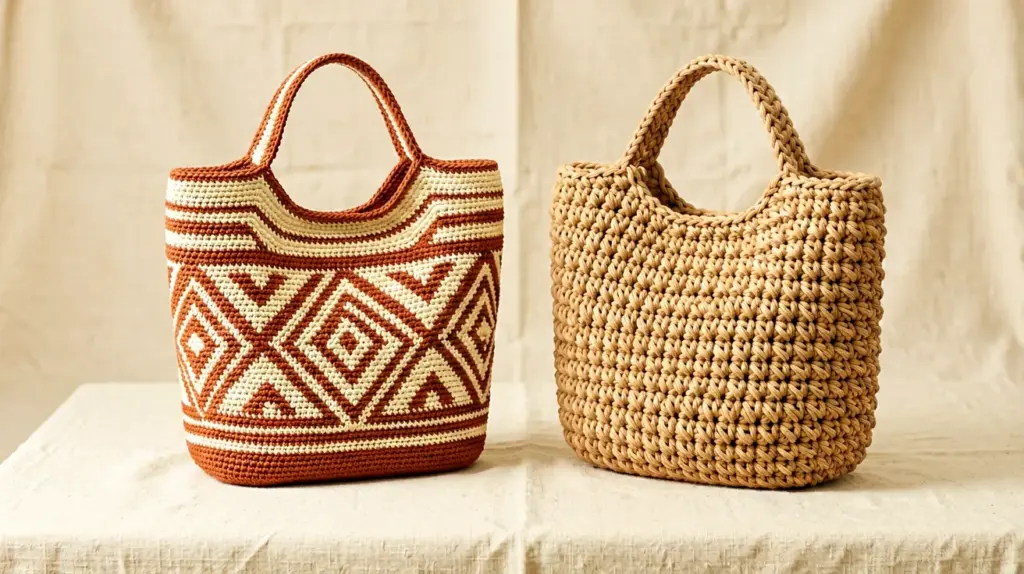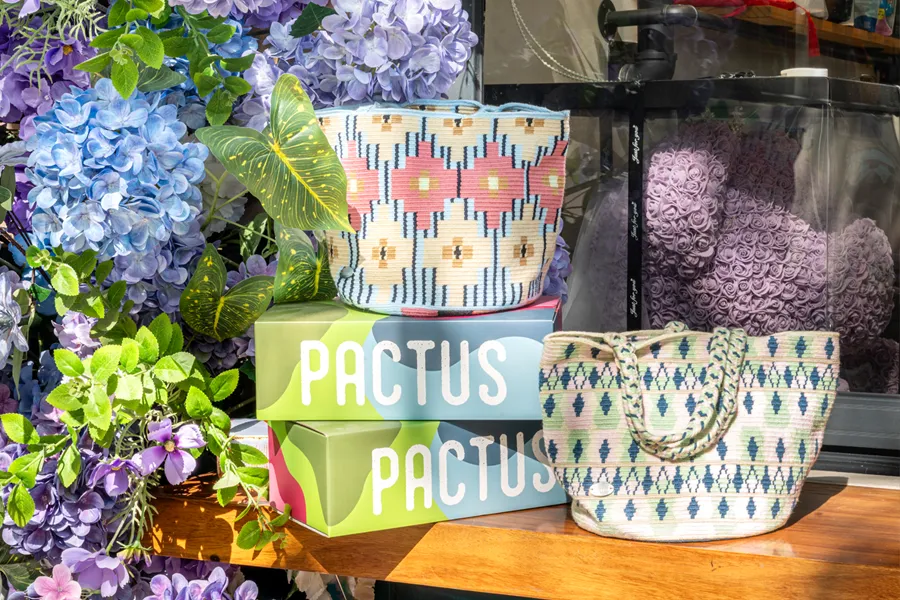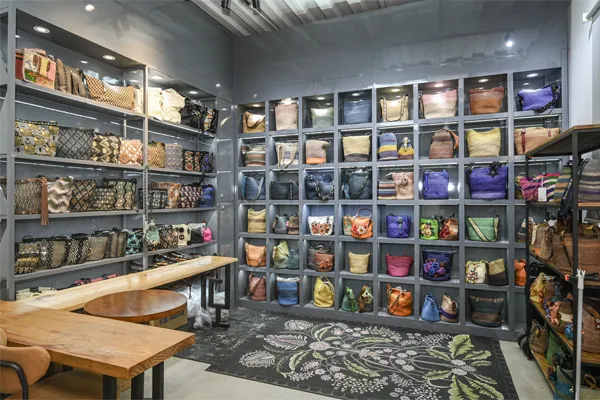
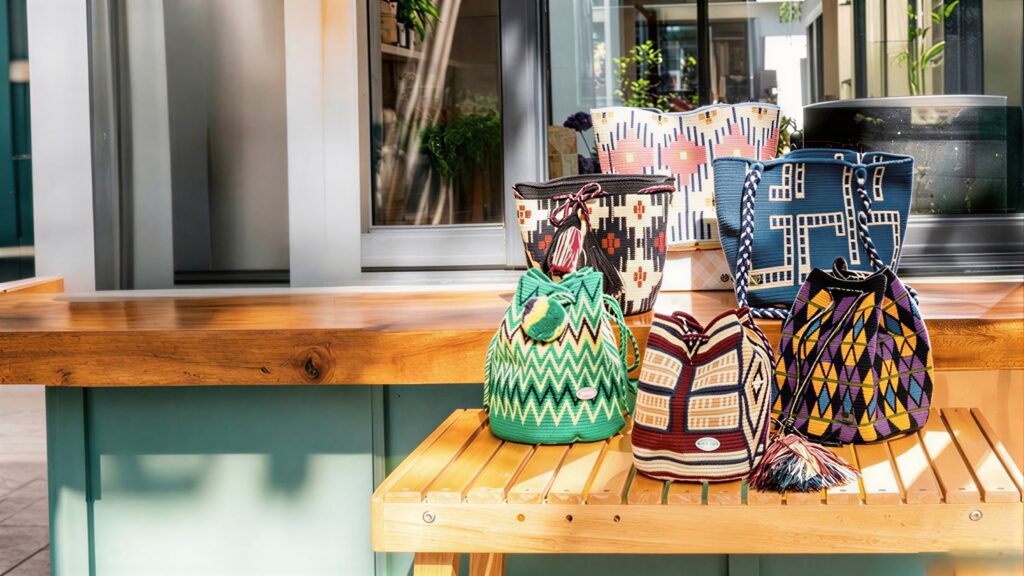
Sourcing natural fibers vs synthetic fibers in borse fatte a mano affects not only production costs, but also the final look, durability, and customer experience. Choosing the right material helps brands create bags that balance craftsmanship, functionality, and long-term value.
This guide compares plant-based natural fibers and synthetic materials by looking at durability, texture, moisture resistance, and practical applications. These factors help designers, brands, and buyers choose materials that match their product goals.
Understanding Fiber Types
Matching the correct natural or synthetic material to your specific bag design dictates both manufacturing costs and real-world durability.
Choosing the wrong textile for a commercial production run leads to structural failures, returns, and lost margins. Understanding fiber types is the critical first step to aligning your bag designs with real-world wear patterns, washability needs, and environmental regulations.
Plant-Based Natural Fibers for Handmade Bags
Plant-based fibers form the foundation of premium artisan lines. These materials offer distinct tactile qualities that synthetic alternatives struggle to replicate:
- Cotton: Offers a soft hand-feel and high washability, making it a reliable staple for everyday canvas totes and shoulder bags.
- Hemp: Stands out for its exceptional tensile strength and durability, keeping its shape and lasting for decades with proper care.
- Jute and Sisal: Provide excellent stiffness and a distinct rustic texture, making them ideal for structured, self-standing baskets and beach bags.
- Linen and Bamboo: Deliver lightweight breathability and a unique aesthetic drape, though they offer less durability than heavy-duty options like hemp.
Synthetic and Man-Made Polymers in Bag Manufacturing
Synthetic polymers are engineered for consistent performance under mechanical stress and harsh weather. They dominate functional and budget-sensitive categories:
- Polyester: Provides high colorfastness, chemical resistance, and hydrophobic qualities, keeping packable grocery bags dry and wrinkle-free.
- Nylon: Delivers extreme mechanical strength and abrasion resistance, making it the preferred choice for heavy-duty straps and outdoor travel gear.
- Polypropylene: Offers lightweight, water-resistant structure for low-cost utility sacks, though it lacks the natural appeal of woven textiles.
- Acrylic: Mimics the soft hand and color retention of wool, bringing decorative warmth to custom knitted or crocheted fashion accessories.
Performance Differences in Strength, Struttura, and Washability
Synthetic fibers generally outperform natural fibers in absolute mechanical lifespan, moisture resistance, and drying speeds under harsh conditions. For active travel gear or outdoor utility, synthetics provide predictable performance.
Natural fibers prioritize tactile comfort and high breathability. This makes them ideal for market produce bags, where air circulation prevents condensation, and for handbags that rest directly against bare skin without causing friction.
Washability requirements also split these materials. Cotton, hemp, and polyester tolerate frequent washing well. In contrast, structured natural fibers like jute and sisal distort or weaken if fully soaked in water.
Common Natural Fibers Used in Handmade Bags
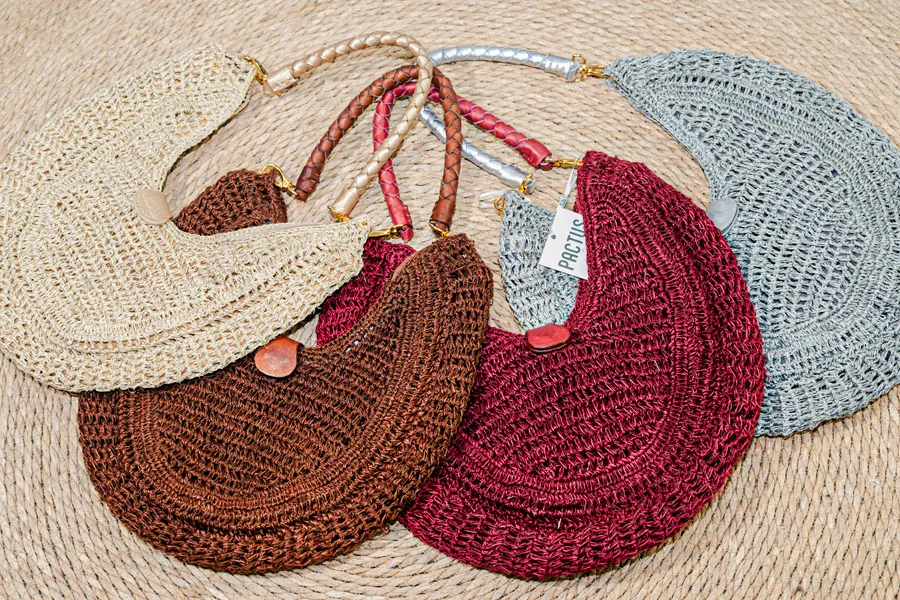
Matching the correct natural fiber to your bag’s load requirements ensures physical durability, distinct artisanal texture, and a highly viable end-of-life composting profile.
Are you struggling to choose the right natural fibers used in handmade bags to balance durability and structural integrity? Selecting the wrong plant or animal-based material can result in structural failure, excessive stretching under load, or rapid degradation when exposed to moisture.
Seed and Soft Bast Fibers for Soft-Structured Designs
Soft-structured bags require pliable raw materials that offer comfortable tactile feedback when worn against the body. Seed and soft bast fibers provide the necessary elasticity and tensile strength for everyday accessories without relying on petroleum-based synthetics.
- Cotton: Offers a lightweight, soft, and highly versatile base for canvas totes, grocery bags, and crochet fashion handbags.
- Organic Cotton: Uses organic farming methods that avoid synthetic pesticides and may reduce water consumption compared with conventional cotton.
- Hemp: Delivers exceptional durability, natural mold resistance, and high tensile strength, allowing premium handmade bags to last for decades under proper care.
- Flax-Derived Linen: Provides high dimensional stability and a naturally crisp texture, serving as a premium alternative to synthetic linings or minimalist fashion fabrics.
Using these soft fibers allows creators to design daily-use accessories that are easy to dye or print. Hemp stands out as the premium option when you need to maximize structural lifetime while retaining a highly favorable climate profile.
Heavy-Duty Bast Fibers for Utility and Structural Strength
When load capacity and rigid form take precedence over next-to-skin softness, heavy-duty bast fibers provide the necessary mechanical stability. These materials maintain their shape under load, making them ideal for utilitarian applications.
- Jute (Burlap): Offers high tensile strength and a rigid structure, setting the industry standard for heavy-duty shopping totes and promotional eco-bags.
- Renewability: Requires minimal water or chemical inputs during growth and biodegrades completely in soil within a matter of months.
- Rustic Aesthetic: Delivers a coarse, highly textured artisanal appearance that premium eco-conscious retail lines value for brand differentiation.
Jute serves as a direct, biodegradable alternative to woven polypropylene. But makers must protect jute from prolonged moisture exposure, as water weakens the raw fibers and distorts the weave.
Leaf and Grass Fibers for Rigid Woven Straw-Style Bags
Rigido, woven architectures like beach totes and summer clutches rely on structural leaf and grass fibers. These plant parts contain high levels of lignin, giving the bag shell a naturally sculpted form.
- Raffia Palm: Provides firm yet flexible strips that are ideal for hand-woven beach bags, summer clutches, and resort fashion items.
- Sisal: Derived from agave plants to yield coarse, abrasion-resistant yarns that prevent bags from deforming and allow them to stand upright.
- Seagrass and Straw: Offer lightweight, naturally rigid structures that serve as direct, biodegradable alternatives to synthetic plastic weaves.
These structural fibers hold up well against dry heat and physical abrasion. Pairing them with a soft inner lining like cotton ensures comfort while protecting the structural integrity of the outer woven shell.
Specialty Plant and Animal-Derived Fibers
Specialty fibers allow designers to introduce unique textures and regional stories to premium handmade collections. These materials are often blended to combine functional properties.
- Bamboo Stalks: Processed into soft, draped fabrics that work well for interior linings or as soft fabric blends with hemp and cotton.
- Agricultural By-Products: Include coir, abaca, and pineapple leaf fibers to provide strong, textured materials for highly specialized regional handicrafts.
- Animal-Derived Fibers: Integrate wool and silk into felted designs, evening clutches, or luxury linings to deliver specialized textures and high luster.
Integrating these niche plant and animal fibers elevates a product from basic utility to high-end fashion. The distinct textural variance signals authenticity, which justifies premium pricing in retail markets.
Scale Your Brand With Luxury Wayuu Bags
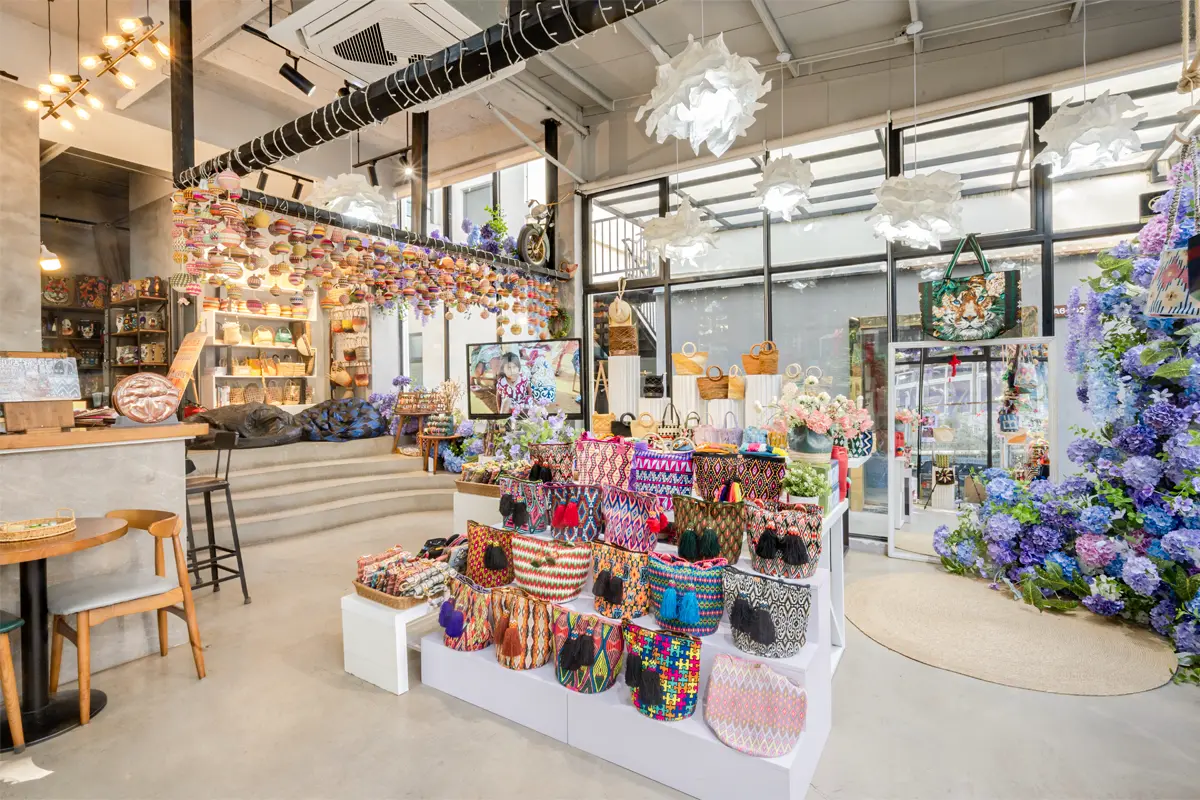
Common Synthetic Fibers Used in Handmade Bags
Makers often face a critical choice when selecting synthetic fibers used in handmade bags, balancing upfront material costs against real-world product durability. Choosing the wrong polymer can lead to sagging silhouettes, frayed seams, or rapid color fading under daily use.
Synthetic fibers provide the structural durability, water resistance, and tensile strength that natural plant fibers often fail to maintain under heavy daily loads.
Polyester: The All-Purpose Balance of Cost and Durability
Polyester functions as the most versatile option for school bags, daily totes, and travel gear. This polymer resists stretching, shrinking, and wrinkling while holding dye colors exceptionally well over long-term exposure to sunlight.
It offers an affordable, widely available fabric choice across various weights and finishes. Because polyester remains highly hydrophobic, it absorbs very little water and dries quickly after rain exposure, keeping the bag lightweight and protecting internal contents.
Nylon: High-Strength Resistance for Active and Outdoor Bags
Nylon delivers a superior strength-to-weight ratio for rucksacks, technical packs, and high-stress linings. Handcrafted gear built with nylon provides high abrasion resistance and excellent elastic recovery under heavy tension.
This resilient synthetic protects bag contents with natural water-resistant properties. While it typically carries a higher price point than polyester, the extreme mechanical performance under physical stress justifies the premium cost for active outdoor designs.
Polypropylene: Lightweight and Low-Cost Utility Solutions
Polypropylene serves as the primary material for reusable shopping bags and budget-friendly promotional totes. It resists moisture absorption and chemical degradation while maintaining a very low weight, making it highly efficient for mass production.
But polypropylene lacks the heavy-duty structural strength required for premium load-bearing handmade designs. Independent bag makers typically use it as an internal reinforcement component rather than a main aesthetic fiber.
Acrylic and Rayon: Decorative Elements and Linings
Acrylic mimics the soft, warm texture of wool, adding fashion accents or knit-style details to specialty bags. Rayon delivers excellent drape and softness, making it suitable for bag interiors and non-structural linings.
Both materials lack structural stability and are reserved for styling rather than structural shells. When building heavy-load bags, these decorative fibers must be paired with stronger backing fabrics to ensure physical longevity.
Durability and Performance Comparison
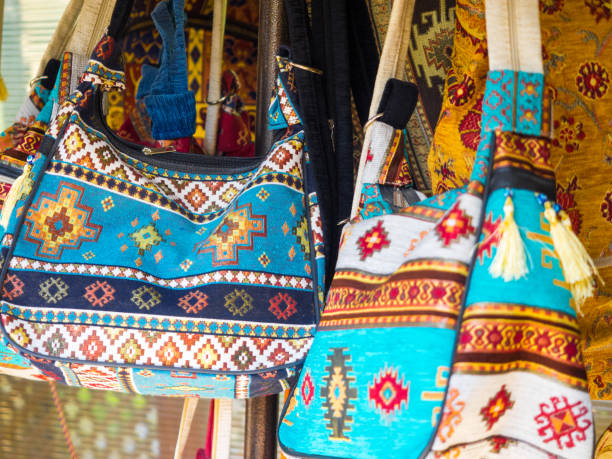
Synthetic fibers dominate extreme wear and wet conditions, while dense bast fibers like hemp offer the most durable, sustainable, and tactile alternatives for structural bag designs.
When designing a load-bearing utility pack, how do you prevent structural sagging without relying purely on synthetic materials? A real-world durability and performance comparison shows that while synthetic polymers excel under heavy friction, natural bast fibers present a tough, renewable alternative if engineered correctly.
| Fiber Type | Tensile Strength (MPa) | Abrasion Resistance | Wet Strength Behavior |
|---|---|---|---|
| Hemp | 250–950 MPa | High (Best among natural) | Loses temporary strength when wet |
| Jute | 320–820 MPa | Moderate (Sheds under friction) | Significantly weaker when wet |
| Cotton (Canvas) | 300–800 MPa | Moderate–High | Loses strength when wet; shrinks |
| Nylon | Consistent heavy load | Exceptional | Maintains low moisture regain |
| Polyester | Consistent heavy load | Excellent | Hydrophobic; retains shape/strength |
Tensile Strength and Load-Bearing Performance
Raw fiber numbers reveal a surprising truth: natural plant fibers display remarkably high stiffness and excellent tensile strength ranges. But synthetics like nylon provide a level of consistency under repeated, heavy loading that raw plant stalks struggle to mimic.
To understand the exact load thresholds of these materials, look at the representative tensile strength metrics:
- Hemp: 250–950 MPa, offering the highest potential strength among natural fibers.
- Jute: 320–820 MPa, yielding high stiffness but lower elasticity.
- Cotton: 300–800 MPa, providing moderate, versatile strength.
Real-world bag capacity does not depend on fiber origin alone. Construction variables like fabric weave density, yarn thickness, and seam reinforcement ultimately dictate whether a bag handles a 10 kg load or splits at the base.
Abrasion Resistance and Surface Wear
Friction is the silent killer of everyday utility bags. Synthetics like nylon and polyester deliver unmatched surface resilience, making them the standard choice for travel gear and rugged packs.
If you want a natural aesthetic, choose cotton canvas or hemp. These are the most durable organic options, whereas loosely woven cotton and jute shed fibers easily and degrade rapidly under constant rubbing.
To predict fabric lifespan under friction, the textile industry relies on two primary standardized benchmarks:
- The Martindale Method: Measures wear using circular rub patterns to simulate daily fabric abrasion.
- Oscillatory-Cylinder Testing: Rubs the fabric back and forth along a curved surface to determine structural breakdown.
Moisture Response and Environmental Aging
Rain and humidity alter the structural integrity of bag fibers. Natural plant fibers are hydrophilic, absorbing high amounts of water, which triggers temporary strength loss when wet. This vulnerability is especially severe in jute and untreated cotton canvas.
In contrast, synthetic materials maintain exceptionally low moisture regain. This hydrophobic nature allows them to retain their original shape, hold their strength, and resist mildew in damp climates.
The environment degrades both material groups over time, but in different ways:
- Natural Fibers: Prolonged exposure to sunlight and damp weather causes untreated fibers to fade, fray, and rot.
- Synthetic Fibers: While synthetics resist rot and mold, they require UV-stabilizing coatings to prevent structural breakdown and sunlight degradation.
Practical Durability Tier List and Selection Rules
Selecting the right material requires matching your design requirements against the true performance tiers of bag fabrics. Below is the industry durability breakdown:
- Tier 1 (Maximum Durability): Coated nylon, heavy polyester, and ripstop fabrics. These offer top weather protection, wear resistance, and shape retention.
- Tier 2 (Highly Durable Organic): Dense hemp canvas and heavy cotton canvas. They provide excellent natural strength and age gracefully with proper care.
- Tier 3 (Light-Duty/Rustic): Jute and loosely woven cotton. These are sensitive to moisture and abrasion, making them unsuitable for heavy loading.
A simple decision rule guides the design process. Choose synthetic fibers when the bag must handle wet environments, high abrasion, or extreme weights. Select natural fibers for lifestyle totes, market bags, or premium fashion lines where tactile aesthetics, breathability, and eco-friendly narratives are the primary goals.
Sustainability Considerations
True sustainability in bag manufacturing requires balancing raw material footprints, extended product lifespans, and deliberate end-of-life circularity, rather than relying on basic organic labels.
Sourcing bag materials forces production managers to navigate complex sustainability considerations. We must weigh the immediate carbon costs of raw fibers against their long-term environmental persistence to make truly ecological design choices.
Material Profiles: Natural vs. Synthetic Fibers in Bag Making
Selecting the right base fabric determines the entire ecological trajectory of a bag line. While synthetic polymers offer unmatched performance, plant-derived alternatives present a totally different lifecycle profile.
- Natural Fibers: Crops like hemp, linen, and organic cotton renew annually and biodegrade safely, preventing the accumulation of persistent microplastics in local ecosystems.
- Synthetic Fibers: Petrochemical yarns like polyester and nylon provide high tensile strength but rely on fossil fuels and shed persistent microfibers during use.
- Agricultural Inputs: Ecological performance varies wildly. Conventional cotton and silk demand heavy chemical treatments, making low-input bast fibers like hemp and jute far cleaner options.
Life Cycle Analysis: Upstream Carbon and Water Footprints
Looking strictly at the raw material stage reveals where the real environmental damage occurs. Upstream processing and agriculture footprint calculations define the ultimate carbon budget of the finished product.
- Upstream Dominance: Raw material extraction and yarn preparation generate the vast majority of a bag’s global warming potential, accounting for up to 99% of its total climate impact.
- Agricultural Resource Demands: Growing conventional cotton requires intense chemical pesticide applications and massive irrigation, while bast crops like jute and hemp thrive on rainwater and minimal inputs.
- Petrochemical Processing: Synthesizing synthetic polymers requires far less agricultural water than crop irrigation but demands heavy fossil-fuel energy during polymerization.
Durability and Use Phase: Maximizing Lifespan to Offset Production Impacts
A bag’s environmental impact drops with every single use. Designing for a long use phase is the most effective way to amortize high upfront manufacturing emissions.
- Amortizing Emissions: High-footprint bags, particularly heavy cotton canvas, require hundreds of repeated uses to offset their initial upstream manufacturing footprint.
- Stitching and Strength: Leveraging the physical durability of synthetics or reinforcing natural fibers with dense, high-quality artisan stitching directly extends practical wear life.
- Design Longevity: Specifying timeless visual styles and choosing modular, repairable hardware keeps bags functional and actively used instead of prematurely discarded.
Maintenance and Care Requirements
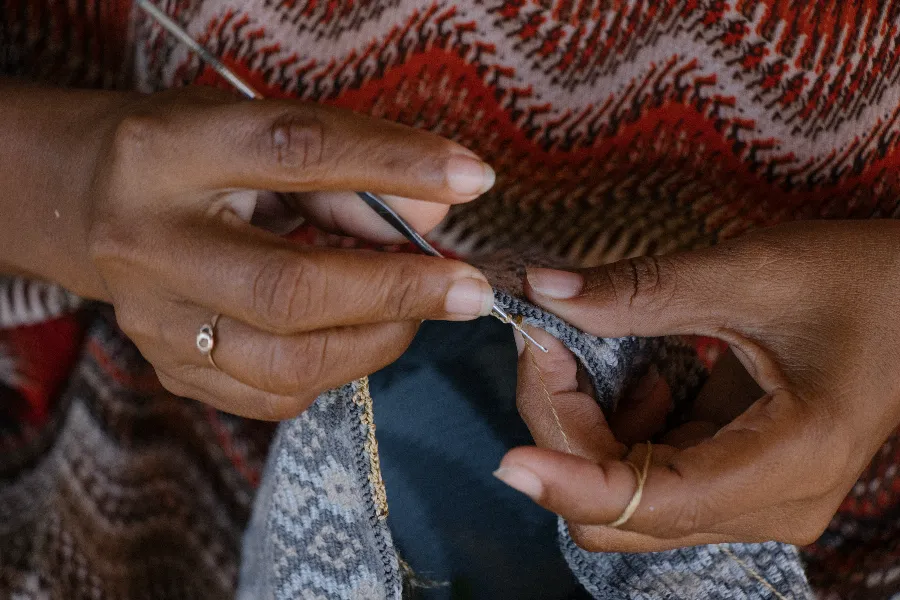
Preserving handmade bags requires distinct protocols: delicate, moisture-conscious steps for natural fibers versus fast-drying, heat-sensitive care for synthetics.
How do you protect a handcrafted bag from structural ruin without stripping its material character? Balancing the specific maintenance and care requirements of natural and synthetic fibers dictates whether an item lasts decades or degrades in months.
Cleaning and Washing Protocols for Natural vs. Synthetic Fibers
Washing handmade bags demands a strict split between plant-based and petroleum-based polymers. Throwing a delicate natural canvas or rustic jute bag into a standard washing machine cycle will quickly destroy its shape.
- Natural Fibers (Cotton, Jute, Hemp, Linen): Seek delicate spot cleaning or gentle hand washing in cold water (≤30°C) to prevent shrinkage, fiber weakening, and shape distortion.
- Synthetic Fibers (Nylon, Polyester, Acrylic): Tolerate machine washing on gentle, cold cycles, but they require washing bags to prevent microplastic shedding and protect seams.
- Drying Protocols: Air dry in a shaded, well-ventilated area; tumble dryers cause severe shrinkage in natural fibers and melt or warp synthetic components.
- Ironing Constraints: Limit ironing to cotton or linen settings on slightly damp natural fabrics, while avoiding direct heat on synthetic panels to prevent glossy spots or structural melting.
Environmental Controls: Managing Moisture, Mold, and Sun Exposure
Humidity and sunlight act as slow-moving destructive forces on both natural and synthetic weaves. While the decay mechanisms differ, the result remains identical: ruined aesthetic value and weakened structural integrity.
- Natural Fiber Vulnerabilities: Plant fibers absorb moisture quickly and dry slowly, making them highly susceptible to musty odors, mold, and rot if not thoroughly aired.
- Synthetic Fiber Vulnerabilities: Synthetic fabrics resist biological rot, but internal linings, foam paddings, and adhesive glues can deteriorate and develop mildew if stored wet.
- Sunlight Exposure Risks: Prolonged exposure to intense sunlight causes fiber oxidation and brittleness in jute and linen, while UV rays and extreme heat degrade performance coatings and fade colors on synthetic bags.
Protecting Structural Integrity and Wear Points
Structural failure usually starts at high-stress wear points. Protecting these zones requires mechanical preservation rather than heavy washing.
- Rigid or Structured Outers: Highly structured or rigid natural-fiber bags should never be submerged in water; dry-cleaning methods like soft-brushing or vacuuming preserve their molded shapes.
- Stress Point Audits: Regular monthly inspections of handles, seams, and stress points allow for early repairs of loose threads, preventing minor fraying from turning into major structural failures.
- Coating and Crease Management: Synthetic bags feature high surface abrasion resistance, but performance coatings or laminated layers can crack and peel if repeatedly folded along the same crease lines.
Long-Term Storage and Preservation Guidelines
Storing finished bags requires careful environmental management. Stacking bags or sealing them in airtight environments often induces permanent damage.
- Breathable Storage: Store natural-fiber bags completely clean and dry in breathable cotton dust covers, avoiding sealed plastic bins that trap ambient humidity and foster mold.
- Shape Retention: Use hanger storage for unstructured linen or cotton totes to avoid permanent creasing, and avoid stacking heavy items on structured bags to prevent permanent compression.
- Thermal Protection: Keep synthetic bags away from direct heat sources like radiators and sunny closets to preserve the flexibility of plastic components and water-repellent coatings.
How Brands Select Fiber Materials
Selecting the right fiber materials determines whether a handmade bag survives real-world abrasion or degrades prematurely under stress. Procurement managers must balance mechanical realities with evolving consumer expectations.
Brands choose fiber materials by balancing raw tensile performance against strict sustainability metrics and end-of-life environmental compliance.
Core Performance and Brand Alignment Metrics
Material selection serves as a direct reflection of brand identity. Choosing between organic aesthetics and heavy-duty utility requires an evaluation of four core operational metrics:
- Brand Positioning: Artisanal lines leverage renewable, biodegradable plant fibers to support a premium heritage narrative, while performance-focused lines rely on synthetics for uniform tensile strength.
- Load Requirements: Natural fibers reliably carry moderate everyday fashion loads, whereas heavy-duty industrial or travel applications demand water-resistant synthetics.
- Cost and Scalability: Standardized polyesters reduce unit costs for high-volume promotional runs, while specialty plant fibers justify premium pricing in retail markets.
Natural Fiber Selection and Structural Limitations
Natural plant fibers provide immediate tactile warmth and visual texture, instantly communicating handcrafted quality. Yet their organic structure presents unique structural limits that designers must manage.
- Raw Material Profiles: Cotton canvas delivers a soft handfeel, jute provides a coarse rustic texture, and hemp offers high-durability, low-impact longevity.
- Seasonal Applications: Lightweight materials like raffia, sisal, and seagrass target specific resort, boho, and beach fashion categories.
- Environmental Vulnerabilities: Plant fibers are naturally hydrophilic, making them sensitive to moisture, mold, and warping if stored in humid environments.
Hybrid and Next-Generation Fiber Integration
Modern bag design rarely relies on a single material family. Instead, forward-looking brands utilize hybrid strategies that bridge the gap between high-performance synthetics and raw natural aesthetics.
- Blended Architectures: Designers reinforce natural fiber outer shells with synthetic linings and high-strength polyester stitching at key stress points to maximize durability.
- Recycled Synthetics: Using recycled polyester (rPET) reduces virgin fossil-fuel demand while retaining the water and tear resistance of standard polymers.
- Next-Gen Plant Fibers: Wood-pulp, banana, and pineapple fibers create distinct visual narratives while offering enhanced mechanical strength.
Future Trends in Handmade Bag Materials
Handmade bag designers are increasingly exploring a combination of natural fibers, recycled materials, and hybrid constructions to meet changing consumer expectations for sustainability, durability, and unique craftsmanship. Instead of replacing traditional materials entirely, future bag designs are likely to focus on balancing artisan techniques with improved material performance.
How will future trends in handmade bag materials reshape the artisan fashion landscape over the next decade? Brands are expected to place greater emphasis on responsible sourcing, material transparency, and designs that combine cultural authenticity with everyday functionality.
Emerging Sustainable Materials in Handmade Bag Design
Sustainable materials are becoming an important consideration for handmade bag brands looking to create products with stronger environmental stories and distinctive visual identities.
- Plant-Based Fibers: Materials such as hemp, linen, bamboo, and agricultural by-products offer designers new options for creating natural textures and unique handcrafted aesthetics.
- Recycled Materials: Recycled polyester and other recovered materials are gaining attention as brands seek alternatives that reduce reliance on virgin resources while maintaining practical performance.
- Natural Material Innovation: New approaches to processing plant-based materials are creating more possibilities for lightweight, durable, and visually distinctive handmade bags.
These material developments allow brands to combine sustainability goals with the craftsmanship and individuality that define handmade products.
Hybrid Construction as a Future Direction
Future handmade bags are likely to use more hybrid construction methods that combine traditional craftsmanship with modern performance requirements.
- Material Combination: Natural fiber exteriors can be paired with reinforced linings, stronger stitching, or functional components to improve durability while maintaining an artisanal appearance.
- Performance Enhancement: Carefully selected supporting materials can help handmade bags better withstand daily use, moisture exposure, and repeated handling.
- Craftsmanship Preservation: Hybrid approaches allow artisans to maintain traditional weaving and decorative techniques while adapting products for modern fashion markets.
By combining heritage craftsmanship with thoughtful material innovation, handmade bag brands can create products that appeal to consumers seeking authenticity, durability, and responsible sourcing.
Domande frequenti: Natural Fibers vs Synthetic Fibers in Bag Manufacturing
Are natural fibers better than synthetic fibers?
Natural fibers are not universally better than synthetic fibers. The right choice depends on your priorities. Natural fibers like cotton, jute, and hemp excel in environmental sustainability, biodegradability, and authentic artisanal aesthetics. Synthetic fibers like nylon and polyester offer superior tensile strength, abrasion resistance, and water protection. Many makers use hybrid constructions, deploying natural fibers for the visible body and synthetics sparingly for high-stress straps and reinforcements.
Which fiber lasts longer in handbags?
Synthetic fibers generally last longer in handbags because they resist physical wear, tearing, and moisture. Heavy-use items like daily commuter backpacks benefit from nylon and polyester, which handle friction and heavy loads without degrading. Natural-fiber bags can still offer long lifespans, but they remain sensitive to humidity, rain, sunlight, and repeated surface abrasion.
Are Wayuu bags made from natural fibers?
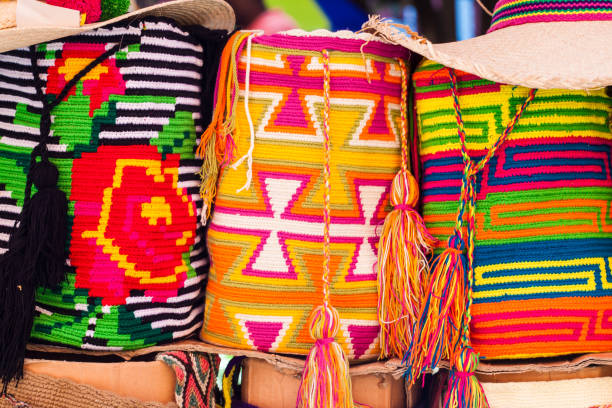
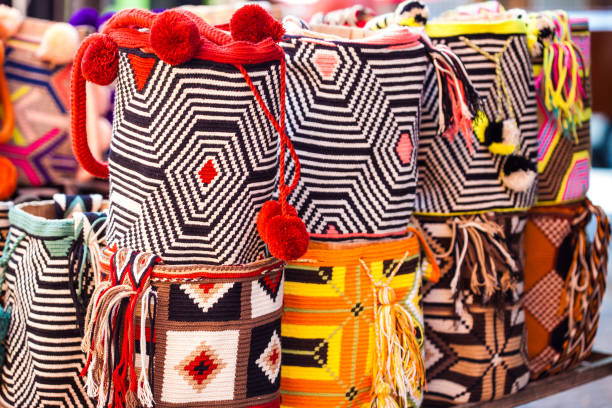
Traditional Wayuu bags were originally woven using natural fibers such as cotton and other locally available materials from the Wayuu region. Today, many contemporary Wayuu bags use specially developed yarns to meet modern fashion requirements. Our Wayuu bags are handmade in Colombia using genuine Wayuu thread, a unique blend of cotton and polyester fibers selected for durability, vibrant colors, and daily wear resistance. This material helps maintain the bag’s shape and color quality while preserving traditional Wayuu weaving techniques.
Why do artisans use acrylic instead of cotton for handmade bags?
Artisans frequently choose acrylic because it is highly cost-effective, widely accessible, and offers excellent colorfastness without fading. Acrylic bags are also easy to machine wash and dry quickly without shrinking. Cotton provides superior load-bearing structure and resists pilling better over time, but artisans select acrylic to reduce material costs and cater to casual, budget-friendly markets.
Which material is more sustainable for bag manufacturing?
Natural fibers like jute, hemp, linen, and organic cotton are significantly more sustainable. They are renewable, biodegradable, and do not contribute to the global microplastic crisis. Synthetic fibers derive from fossil fuels, require high energy to produce, and release hundreds of thousands of non-biodegradable microfibers into water systems during laundering and daily use.
Which fiber is easier to maintain in everyday use?
Synthetic fibers like nylon and polyester simplify maintenance because they resist stains, dry rapidly, and tolerate routine spot cleaning. Among natural fibers, cotton requires relatively easy care if washed in cold water and air-dried. Plant fibers like jute and hemp complicate maintenance; they do not tolerate machine-washing or soaking, requiring careful spot-cleaning to avoid weakening the weave.
What is the strongest fiber for handmade bags?
The strongest fiber depends on the bag’s purpose and construction method. Hemp and flax are known for their strong natural fiber performance, while synthetic fibers such as nylon provide excellent abrasion resistance for high-use applications. For handmade fashion bags, weave density, craftsmanship, and reinforcement methods are equally important.
Are acrylic bags eco-friendly?
Acrylic bags fail eco-friendly standards. Acrylic is a synthetic polymer made entirely from petroleum. Its production demands high energy, releases greenhouse gases, and yields a non-biodegradable product that persists in landfills for hundreds of years. Acrylic also ranks as one of the worst offenders for shedding microplastics and lacks scalable recycling options.
Considerazioni finali
Choosing the right materials and working with an experienced wholesale Wayuu bags supplier can help brands achieve a better balance between quality, design, and long-term product value. Instead of focusing only on material costs, we help partners evaluate yarn quality, weaving techniques, and craftsmanship details to create handmade bags that meet their market needs.
Whether you are developing a new collection or sourcing custom handmade bags, our team can support you with style selection, material recommendations, and product customization. Request our latest catalog to explore authentic Wayuu bags from Colombia and discuss potential OEM partnership opportunities for your brand.