Leveraging Wayuu tribe history is the only way fashion brands can verify cultural provenance and avoid the severe reputational risk of aesthetic appropriation. Treating these ancestral textiles as simple seasonal trends strips them of their narrative power and alienates buyers demanding transparent, ethical supply chains.
This analysis traces the origin of the process back to 1800 BC, covering the La Guazila Peninsula, in order to establish strict standards and ensure the authentic sources of raw materials. We evaluated the traditional Cunas pattern integration and the 2011 origin naming protection system, helping you establish scalable and culturally compliant cooperative relationships.
The Cultural Origins of Traditional Wayuu Craftsmanship
Wayuu craftsmanship merges the arid ecology of the La Guajira Peninsula with a sacred matrilineal tradition, transforming raw materials into powerful expressions of Indigenous identity and memory.
| Element | Historical Context |
|---|---|
| Origin Figure | Wale’ Kerü (the mythical spider) |
| Geographic Base | La Guajira Peninsula (Colombia & Venezuela) |
| Historical Timeline | Tracing back to approximately 1800 B.C. |
| Protection Status | Colombian Denomination of Origin (Since 2011) |
The Legend of Wale’ Kerü and Sacred Roots
Wayuu oral tradition places the origin of their textiles far beyond simple utility. They credit Wale’ Kerü, a mythical spider, with teaching women the precise art of weaving. This origin story anchors the craft strictly within a sacred framework.
Weaving serves as the primary medium for the Wayuu to conceive and express life, identity, and cultural desire. Every woven thread functions as a direct extension of their spiritual beliefs and social structure.
Geographic History in the La Guajira Peninsula
The La Guajira Peninsula presents a harsh, arid environment stretching across northern Colombia and northwestern Venezuela. This challenging desert directly dictated the ancestral textile techniques of the Wayuu people. Historical references trace the origins of this fabric tradition back to roughly 1800 B.C.
Limited access to natural resources forced early artisans to maximize the utility and durability of their materials. The environmental constraints shaped a tight, robust weaving style engineered to withstand fierce sun and wind.
Ancestral Materials and Modern Adaptation
Early weavers sourced their threads strictly from the surrounding desert ecosystem. As trade networks expanded, the craft evolved to embrace new inputs while preserving core ancestral techniques.
- Ancestral Fibers: Artisans historically utilized wild cotton and maguey pulled directly from the local environment.
- Animal Leather: Weavers twisted goat or cow leather strips to create heavy-duty cords and structural support.
- Modern Additions: Modern production incorporates commercial cotton and industrial wool to achieve finer, more detailed textiles.
This material progression highlights the flexibility of Wayuu weavers. They adapt to available commercial resources without sacrificing the structural integrity of their traditional weave.
Symbolism in Woven Patterns
Outsiders often mistake Wayuu patterns for purely aesthetic decorations. In reality, these designs operate as a complex vocabulary of cultural symbols known as Kanaas. Weavers use these geometric shapes to map their physical and spiritual world.
- Fauna and Flora: Stylized representations of local animals and resilient desert plants.
- Celestial Bodies: Sun and star motifs tracking time, fertility, and seasonal shifts.
- Everyday Objects: Shapes mimicking functional tools and domestic life.
Finished pieces merge these shared community narratives with the artisan’s individual style. This makes every textile a distinct historical record of the weaver’s worldview.
Intergenerational Transmission and Heritage Protection
The survival of this craft relies entirely on the continuous transfer of knowledge across generations. Wayuu women lead this instruction, dedicating thousands of hours to teaching younger girls the precise tension and pattern logic. This intense labor turns the craft into a living vessel for cultural memory and Indigenous identity.
Recognizing the immense cultural and economic value of this work, the Colombian government intervened to protect it. They granted the term “Wayúu” official denomination of origin status in 2011 to safeguard the community’s intellectual property rights against unauthorized mass replication.
Traditional Wayuu Patterns and Colors in Modern Fashion
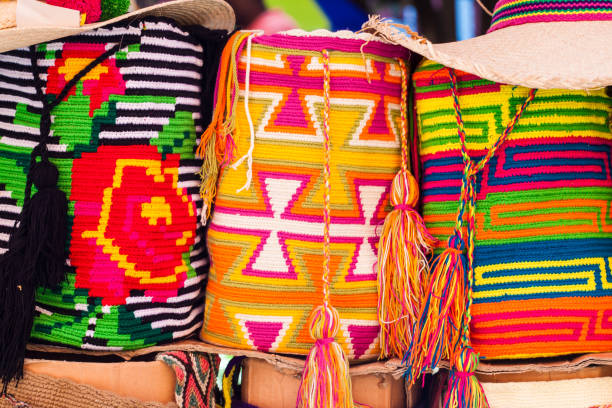
Wayuu textiles are complex narrative artifacts. Integrating them into modern fashion requires moving from aesthetic extraction to ethical, artisan-led collaboration.
The Meaning Behind Kanaas Patterns
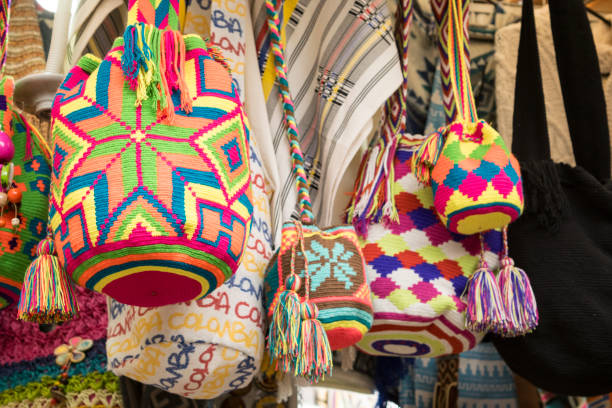
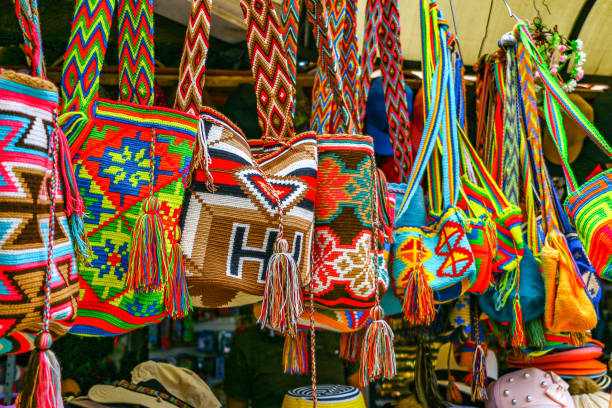
Wayuu artisans call their abstract, geometric designs Kanaas. They draw direct inspiration from the daily life, tools, and natural environment of the La Guajira Peninsula. Every specific motif carries deep cultural symbolism. Weavers use the spider pattern to represent wisdom, the sun to indicate fertility, and the stylized eye to offer protection. Authentic patterns operate as storytelling devices. They reflect the individual worldview and cosmology of the weaver, turning each textile into a unique narrative artifact.
Symbolism of Traditional Color Palettes
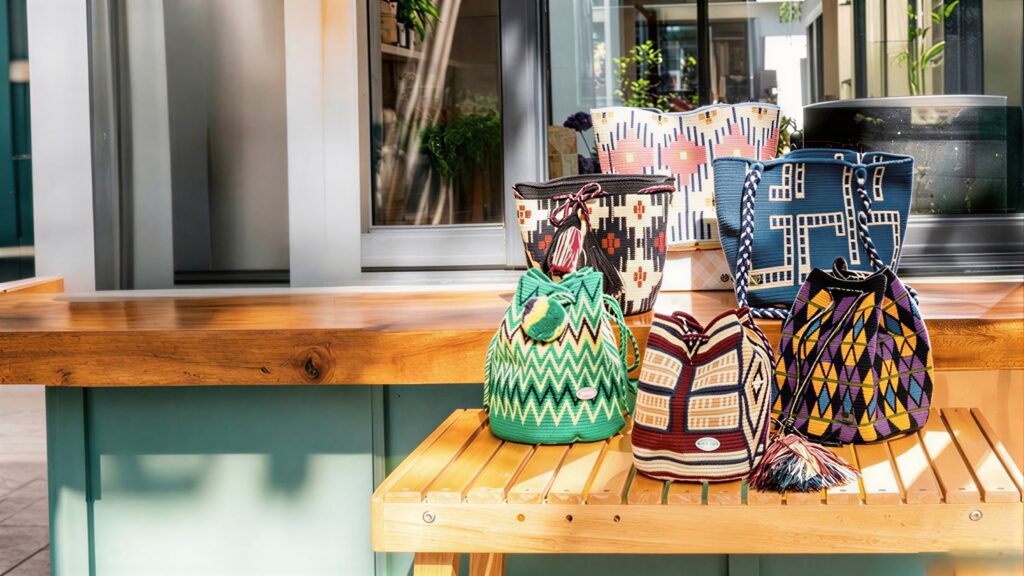
Weavers utilize intense, neon, and bright colors to express happiness and mirror the vivid hues of their desert and coastal surroundings. These high-contrast color combinations ensure the complex geometry of the patterns remains highly legible from a distance. As these aesthetics enter global markets, contemporary fashion lines sometimes introduce muted or urban palettes. Brands shift the colors to fit seasonal trends but maintain the recognizable geometric structure of the original designs to keep the visual identity intact.
Adapting Wayuu Aesthetics for Global Fashion
Wayuu elements frequently appear in boho-chic, resort, and festival styles, where brands market them globally as vibrant artisanal accessories. Fashion labels often extract and simplify specific motifs to create repeatable surface graphics for scalable, high-volume collections. Imposing these pre-designed, uniform patterns directly on local weavers strips away the unique, one-of-a-kind narrative aspect historically valued in Wayuu production.
Ethical Collaboration and Cultural Preservation
Imitating patterns without consent or treating deeply historical symbols purely as temporary trends risks severe cultural appropriation. Responsible brands actively avoid this by implementing co-design processes that allow Wayuu artisans to lead pattern choices and color decisions. Building an authentic partnership requires concrete commercial commitments.
- Transparent pricing: Guaranteeing fair per-piece payments that reflect the weeks of skilled labor involved.
- Long-term agreements: Securing stable purchasing contracts that shield artisans from market fluctuations.
- Attribution storytelling: Highlighting the individual artisan and community by name rather than using generic tribal marketing.
Elevate Margins With Luxury Remake Wayuu Bags
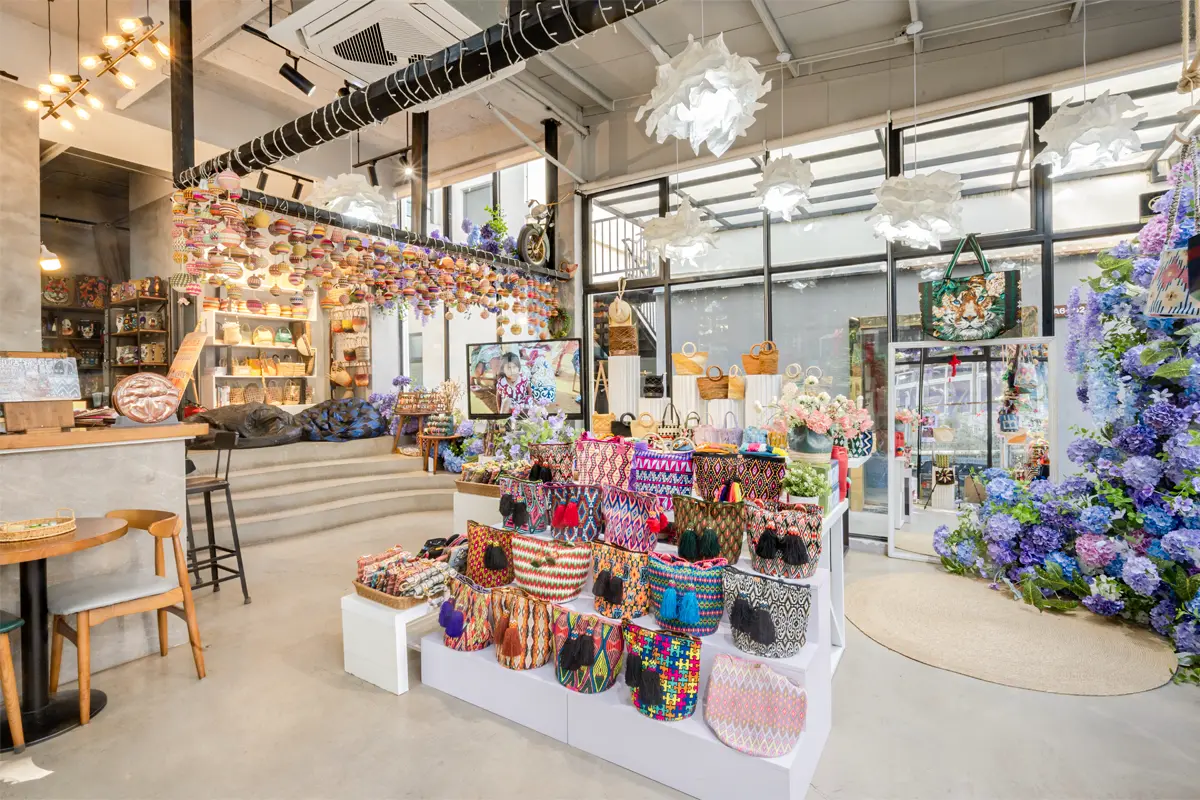
Why Handmade Craftsmanship Appeals to Fashion Brands
Handwoven Wayuu textiles offer fashion brands a verified cultural narrative, where visible labor and geometric design act as natural indicators of luxury and sustainable ethics.
Authenticity and Narrative Storytelling
Fashion collections rely on context to differentiate. Wayuu craftsmanship delivers this through verifiable cultural roots tied directly to the Guajira Peninsula.
- Verifiable Roots: Tracing origins directly to the Guajira Peninsula gives collections deep, factual context.
- Ready-Made Narratives: Kanaas patterns encode real stories about family, survival, and cosmology.
- Non-Generic Artifacts: Each handmade piece functions as a unique item rather than an anonymous accessory.
Replacing generic mass-market accessories with these artifacts transforms a simple product into a documented piece of cultural heritage.
Human Labor as a Luxury Signal
Modern luxury is increasingly defined by the visible presence of human effort. The fine single-thread crochet techniques used by Wayuu artisans offer a stark contrast to automated production.
- Visible Exclusivity: Fine single-thread crochet serves as a strong, immediate indicator of high-level handwork.
- Time Investment: The extended production cycle, with each bag taking up to a month, makes it a reasonable choice to go for the higher price.
- Tactile Contrast: Natural human variations create an aesthetic texture impossible to replicate in industrial manufacturing.
This tangible human element provides the necessary leverage for brands to command higher margins and build long-term value.
Differentiated Design Language
Global fashion markets are saturated with repetitive trends. The Wayuu design language cuts through this noise using distinct geometric visual systems.
- Geometric Visual Systems: Distinct, complex pattern layouts command attention immediately.
- High-Contrast Palettes: Vibrant colors align seamlessly with statement accessories and seasonal capsule drops.
- Meaning-Based Motifs: Authentic symbols offer cohesive design themes without forced marketing narratives.
Integrating these motifs allows designers to construct cohesive seasonal capsules grounded in actual history rather than fabricated brand stories.
Ethical and Sustainable Positioning
Sourcing practices now face intense consumer scrutiny. Partnering with Wayuu communities aligns brand operations directly with responsible, low-impact manufacturing.
- Low-Impact Alternatives: Small-scale, localized production offers a direct counter to industrial manufacturing waste.
- Economic Empowerment: Collaborative partnerships actively support women-led fair trade initiatives.
- Supply Chain Transparency: Genuine craft purchases meet rising expectations for verifiable sourcing and cultural respect.
This structural shift secures supply chain transparency while positioning the brand as a credible participant in cultural preservation.
The Rise of Artisan and Sustainable Fashion Trends
The shift toward ethical fashion has elevated Wayuu weaving from a regional craft to a global symbol of sustainability, cultural depth, and female economic empowerment.
The Shift Toward Ethical and Slow Fashion
Consumers actively reject mass-produced fast fashion and seek out unique, handmade pieces. They want transparent supply chains, traceable artisan stories, and fair production practices. The handmade Wayuu mochila has become a powerful symbol of this transition. Buyers recognize these bags globally as wearable art that carries deep cultural meaning rather than just another seasonal accessory.
Environmental and Social Sustainability in Wayuu Craft
The production of Wayuu textiles naturally aligns with the core principles of the sustainable fashion movement. The process relies on traditional methods that benefit both the environment and the local community.
- Low environmental footprint: Weavers rely entirely on manual techniques without machinery or electricity.
- Built-in slow fashion: Creating a single complex mochila often takes weeks, naturally limiting overproduction.
- Economic empowerment: The artisan industry provides financial autonomy for women in the Guajira Peninsula while preserving intergenerational knowledge.
Challenges in the Artisan Fashion Boom
Surging global interest brings serious risks to Indigenous weaving communities. The rapid expansion of the artisan market has created structural and cultural hurdles for original makers.
- Price depression: Flooded online platforms feature products of varying quality, driving down prices and harming authentic artisans.
- Intermediary exploitation: Transportation barriers and a lack of direct market access force weavers to sell to middlemen who capture a disproportionate share of the profit.
- Cultural appropriation: External fashion companies frequently impose simplified designs or mass-replicate traditional patterns without community consent.
Building Authentic Artisan Fashion Brands
True ethical fashion requires companies to build equitable partnerships with the communities that create their products. Responsible brands step away from exploitative practices by adopting transparent and supportive business models.
- Collaborative design: Brands co-create with artisans, ensuring weavers retain agency over design choices and traditional kanaasü motifs.
- Financial stability: Establishing long-term purchasing agreements at fair, above-market prices shields artisans from market volatility.
- Product traceability: Implementing tools like QR codes or origin certificates verifies authenticity and connects buyers directly to the makers’ stories.
How Designers Incorporate Wayuu-Inspired Elements Into Collections
Modern fashion brands blend traditional Wayuu weaving with contemporary silhouettes, using authentic artifacts, engineered textiles, and ethical co-branding to deliver culturally rich, high-value collections.
Direct Integration of Authentic Wayuu Artifacts
High-end collections often feature untouched pieces straight from La Guajira artisans rather than imitating the aesthetic. This direct sourcing strategy preserves original craftsmanship while framing it within a luxury context.
- Runway styling: Pairing original Wayuu mochilas with ready-to-wear runway looks anchors the collection’s narrative.
- Seasonal variations: Developing custom color or trim options preserves the core woven structure while aligning with specific seasonal palettes.
- Luxury finishes: Adding leather bindings, premium linings, and metal hardware elevates traditional pieces for the premium market.
Translating Weaving Techniques Into Garment Construction
Designers look beyond the finished bag, decoding the physical architecture of Wayuu crochet to inform modern pattern making and garment structures.
- Structural referencing: Round pocket shapes, radial pleating, and circular yokes echo the signature circular base of traditional mochilas.
- Engineered panels: Mapping geometric kanaasü motifs directly into knit panels or patchwork denim translates the visual language to apparel.
- Textural mimics: Chunky knits, 3D appliqué, and layered mesh over solid bases recreate the dense, single-thread crochet feel.
Developing Custom Prints and Textiles
The geometric strictness of Wayuu symbols makes them ideal candidates for broad textile applications, moving the aesthetic from heavy weaves to lighter fabrics.
- Digital conversion: Redrawing Wayuu motifs digitally creates all-over prints for dresses, shirts, and silk scarves.
- Woven replication: Suiting and upholstery-weight fabrics utilize repeating jacquard patterns to capture the visual complexity of the original weave.
- Scale manipulation: Designers experiment with size, deploying macro motifs as bold chest emblems or micro motifs as subtle interior linings.
Adapting Elements Across Accessories and Apparel
The vivid color palettes and distinct structural elements of Wayuu craft easily transition into specialized apparel and peripheral accessory lines.
- Strap applications: The signature wide, braided strap (güiïra) frequently appears on footwear, camera straps, E cross-body bags.
- Resort wear integration: High-saturation color blocks and heavy tassels naturally fit into resort collections, kaftans, and lightweight cover-ups.
- Heavyweight apparel: Reinterpreting thick stripes and diamond shapes builds visual weight for heavy cardigans, structured jackets, and ponchos.
Building Ethical Collaborations and Co-Branding
Sourcing cultural elements requires strict ethical boundaries. Leading brands establish direct, transparent supply chains that prioritize artisan agency and fair trade.
- Long-term sourcing: Forming multi-year relationships with Wayuu weaving cooperatives ensures fair compensation and co-develops new product categories.
- Attribution: Establishing written agreements and acknowledging Wayuu authorship directly on product tags protects the collective intellectual property.
- Narrative focus: Campaign storytelling shifts away from generic aesthetics, highlighting the intergenerational heritage and slow fashion realities of the La Guajira community.
Why Wayuu Influence Continues in Modern Fashion
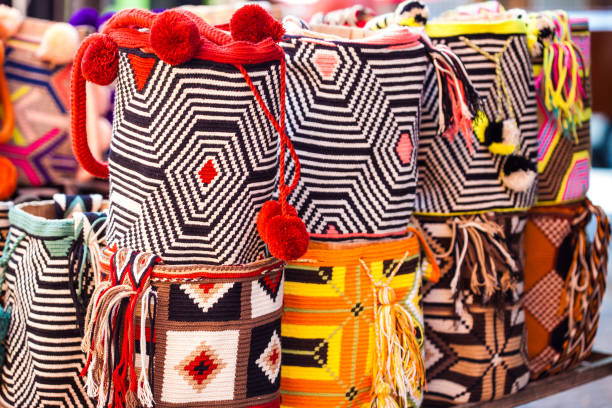
Wayuu textiles endure in modern fashion by blending unmistakable aesthetics with profound cultural storytelling, meeting the rising global demand for ethical, small-batch craftsmanship.
Distinctive Aesthetics and Recognizable Signatures
High-saturation color palettes and complex geometric patterns give Wayuu textiles an immediate visual identity. Consumers recognize these vibrant contrasts instantly across global markets.
- Handwoven Mochilas: Integrate naturally into contemporary boho-chic, festival, and resort collections.
- Mantas and Sandals: Provide authentic statement pieces for luxury vacation wear.
- Intricate Details: Single-thread crochet techniques separate authentic Wayuu items from generic, machine-made accessories.
Cultural Storytelling and Embedded Symbolism
Weaving acts as a spiritual practice and a definitive marker of female identity inside Wayuu communities. Every bag functions as a narrative object. The motifs woven into the fabric encode specific details about the harsh desert environment, clan identities, and ancestral survival.
Modern fashion brands utilize these embedded stories to build purpose-driven collections. When a brand explains the exact meaning behind a geometric pattern, they justify premium positioning. This narrative depth transforms a simple accessory into a wearable cultural artifact.
Alignment with Slow Fashion and Ethical Consumerism
The broader industry shift away from mass manufacturing directly benefits Wayuu artisans. A single traditional mochila takes up to a month for one weaver to complete. This meticulous, single-artisan production pace naturally aligns with slow fashion principles and satisfies consumer desire for authentic, small-batch goods.
Ethical fashion labels build transparent supply chains directly into the La Guajira Peninsula. Purchasing these items provides direct economic resilience to rural settlements. By paying fair wages, buyers fund vital community infrastructure and participate actively in positive social impact and cultural preservation.
Adaptability Without Losing Traditional Integrity
Wayuu weavers actively blend centuries-old ancestral knowledge with contemporary market demands. Artisans continually incorporate new yarn materials and colorways to reach different retail demographics while preserving their core weaving logic.
- Structural Adjustments: Designers modify bag dimensions and garment cuts to fit modern urban utility.
- Technique Preservation: Even with altered shapes, the foundational hand-crochet methods remain completely intact.
- Dual-Track Design System: Artisans reserve deeply sacred, complex motifs strictly for internal community rituals while supplying visually striking, adapted patterns for global export.
Considerazioni finali
Sourcing generic tribal patterns offers a cheap shortcut, but committing to historically accurate Wayuu craftsmanship builds lasting premium brand value. Modern fashion consumers actively scrutinize supply chains, making your commercial reputation dependent on verified provenance rather than fabricated marketing narratives. Securing authentic textiles backed by a rigorous quality factory standard protects your seasonal collections against the severe risks of cultural appropriation and margin erosion.
Guessing on cultural authenticity and structural quality creates unnecessary business risk. Contact our sourcing team to discuss ethical supply agreements and integrate true Wayuu artifacts into your next fashion line.
Domande frequenti
What is the history of the Wayuu tribe?
The Wayuu belong to the Arawak linguistic family and have inhabited the La Guajira Peninsula for thousands of years. They started as a nomadic, clan-based society and adapted to the semi-arid desert environment by relying on pastoralism, fishing, and a deep weaving tradition. They successfully fought off intense colonial pressure to maintain their autonomy. Today, they preserve their matrilineal culture, the Wayuunaiki language, and ancestral beliefs, even as modern communities face severe water scarcity, poverty, and resource extraction issues.
Are Wayuu people Colombian or Venezuelan?
They are both. The Wayuu represent a cross-border Indigenous nation. Their ancestral homeland, the Guajira Peninsula, stretches across northern Colombia and northwestern Venezuela. Their cultural identity ties directly to this shared physical territory, their matrilineal clan system, and their native Wayuunaiki language, rather than modern political borders drawn by nation-states.
What did the Wayuu people weave with before acrylic yarn?
Long before acrylic yarn became the standard, Wayuu artisans relied entirely on natural plant and animal fibers sourced from the harsh Guajira desert environment. They hand-spun native cotton to craft bags and hammocks. For hats and mats, they utilized Mawisa, a resilient local palm fiber. They also twisted goat and cow leather into durable cords and straps built to survive daily use.
How did colonial trade affect Wayuu weaving?
Colonial trade transformed Wayuu weaving from an internal cultural and ritual practice into a strategic economic asset. As the Wayuu engaged in cross-border barter, demand for durable woven goods spiked. This exchange introduced new materials like imported cotton and chemical dyes. The expansion cemented the economic centrality of Wayuu women within their matrilineal society. Weavers adapted aesthetically, reserving meaning-dense, sacred motifs for internal use while designing bold, visually striking patterns specifically for external markets.
When did Wayuu bags become globally popular?
Wayuu mochilas hit the global fashion mainstream in the early to mid-2010s. Before that period, they circulated mainly within local communities and the Colombian domestic tourism market. They broke onto the international stage through high-profile luxury collaborations, including the Mochila Project by Moda Operandi and Vogue. Rapid adoption of social media and e-commerce amplified this exposure, turning the localized craft into a widely recognized global accessory trend.
How does Pactus verify the historical accuracy of its product background?
Pactus employs a multi-source, evidence-based provenance process to verify historical accuracy. We cross-reference cultural claims directly against primary anthropological sources, museum archives, and peer-reviewed literature. A credible narrative also demands expert review and community validation. This rigorous approach ensures we represent Wayuu origins, language, symbolic motifs, and ancestral techniques correctly, avoiding the unsupported marketing assertions common in the industry.