When sourcing bags for your store or brand, you may wonder why handmade bags often cost significantly more than mass-produced options. The answer goes far beyond the product itself. From skilled artisan labor and premium materials to ethical production practices, every stage of the process adds value. Understanding these factors can help you evaluate pricing more accurately and choose products that deliver lasting value for your customers.
What Makes Handmade Bags More Expensive
Handcrafted Production Process
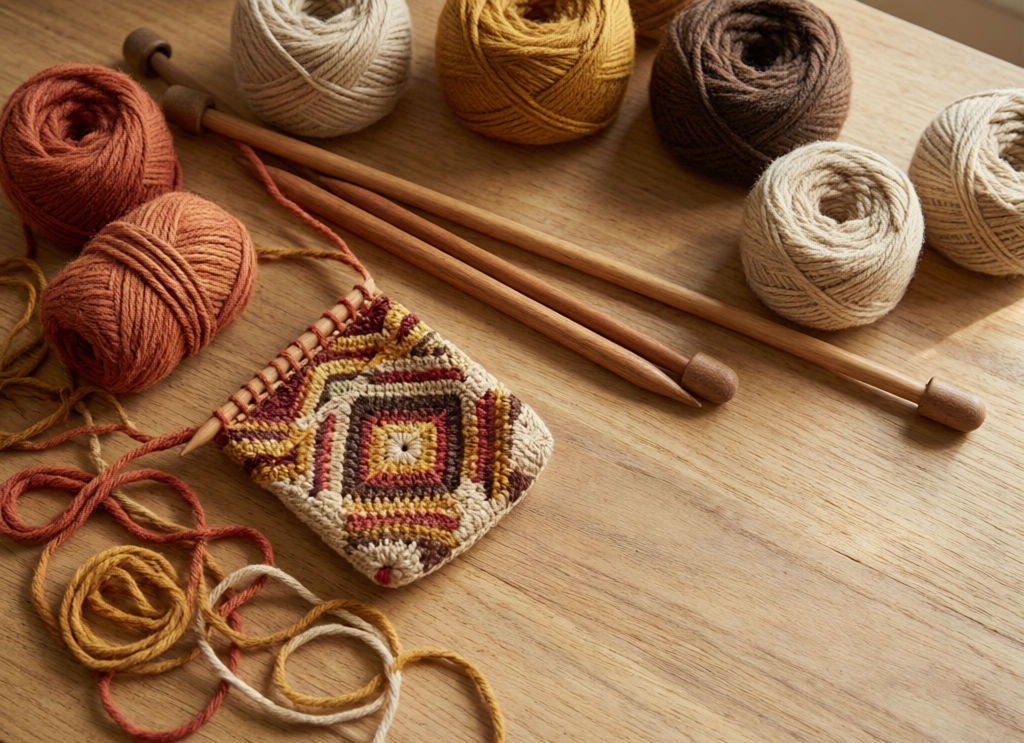
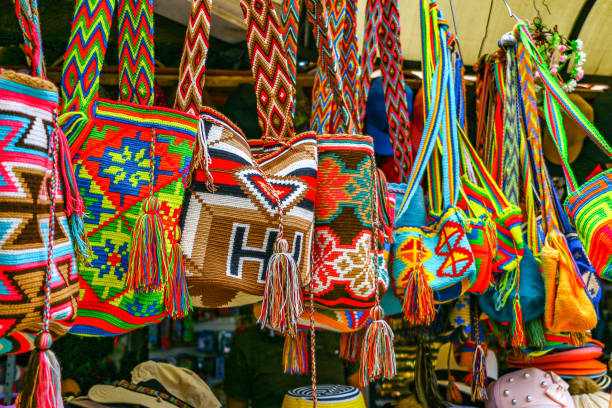
Handmade bags are created through fully manual production steps, where artisans handle weaving, shaping, and finishing individually. Each piece is made with sustained attention rather than through automated repetition, which naturally slows output. This hands-on process increases labor input but also ensures that every bag has its own unique structure and character.
Time vs Machine Efficiency
Time is one of the biggest cost differences between handmade and factory production. Machines can complete standardized bags within minutes, while handmade pieces may require days or even weeks depending on complexity. You are essentially paying for extended production time, where quality is prioritized over speed, and each detail is carefully refined.
What You Are Really Paying For
When you purchase a handmade bag, the price reflects more than just the physical product. It includes skilled labor, material selection, craftsmanship experience, and the uniqueness of each piece. Instead of paying for mass output, you are investing in individuality, durability, and the human effort behind every single bag.
Labor Is the Biggest Cost in Handmade Bags
Labor is often the largest contributor to the cost of a handmade bag. Unlike machine-made products, handcrafted pieces rely almost entirely on human expertise. From the first stitch to the final inspection, artisans invest significant time and effort into creating every bag.
Time-Intensive Craftsmanship
Many handmade bags require several days or even weeks to complete. Complex patterns, detailed weaving techniques, and intricate finishing work cannot be rushed without compromising quality. The time invested in each piece directly influences its cost, especially when compared with factory-made alternatives produced within hours.
Skilled Artisan Expertise
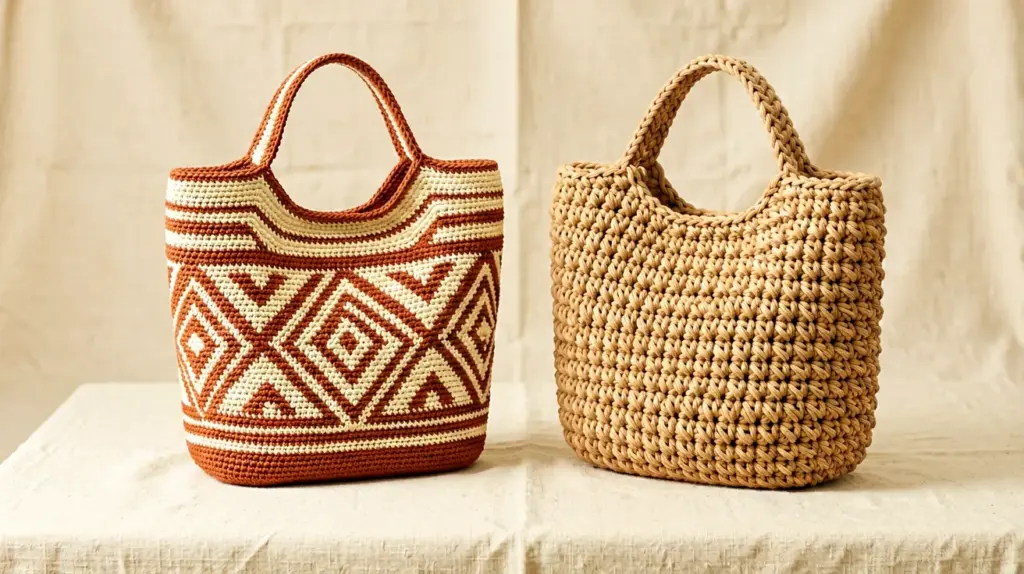
Creating a high-quality handmade bag requires specialized knowledge that takes years to develop. Experienced artisans understand weaving techniques, material behavior, color coordination, and structural design. Their expertise helps ensure consistency, durability, and visual appeal. This level of craftsmanship is a major reason why handmade products command higher prices.
Limited Production Capacity
An artisan can only complete a certain number of bags within a given period. Unlike factories that scale production through machinery, handmade production remains limited by the available workforce and the time required for each piece. Lower output naturally increases production costs while also making handmade products more exclusive.
Why Handmade Wayuu Bags Are Worth More
Material Quality Also Impacts Pricing
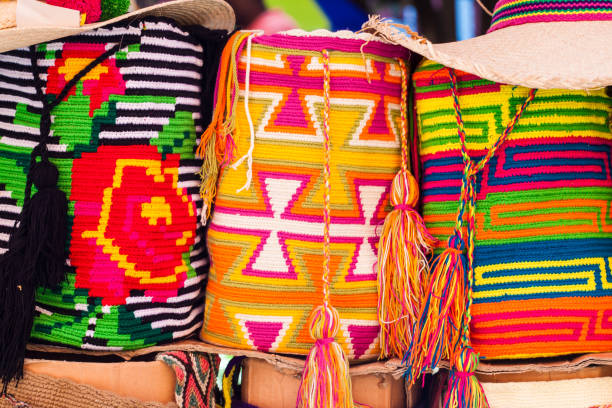
IL materials used in handmade bags play a major role in determining their final price. Many artisan producers prioritize quality and longevity over cost reduction, resulting in products that often outperform cheaper alternatives in both appearance and durability.
Natural and Premium Materials
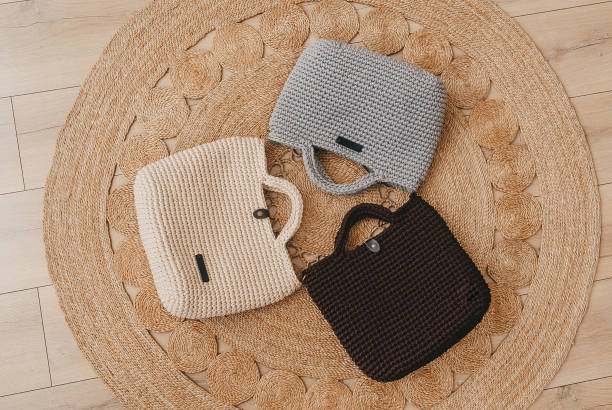
Handmade bags frequently use natural fibers, high-quality cotton, wool, raffia, or other premium materials. These materials often cost more than synthetic substitutes, but they provide better texture, durability, and aesthetic appeal. The result is a product that feels more authentic and maintains its quality over time.
Sustainable Sourcing Practices
Many handmade bag producers work with suppliers who follow responsible sourcing practices. Materials may be locally sourced, renewable, or obtained through sustainable supply chains. While these practices can increase production costs, they align with growing consumer demand for environmentally responsible products and transparent sourcing.
How Materials Affect Long-Term Value
Material quality directly influences how long a bag will last. Stronger fibers and better construction materials can withstand daily use more effectively than lower-cost alternatives. Although the initial investment may be higher, you often benefit from fewer replacements and a longer product lifespan.
Ethical Production Comes at a Cost
Many handmade bags are produced through ethical and community-based systems that prioritize people over production volume. These practices create positive social impact but also increase overall manufacturing costs compared with low-cost mass production.
Fair Wages for Artisans
Ethical handmade production ensures that artisans receive fair compensation for their skills and labor. Rather than minimizing labor costs, responsible producers invest in sustainable livelihoods for the people creating the products. This approach supports long-term economic stability within artisan communities while contributing to higher product quality.
Small-Scale Production Systems
Most handmade bags are produced in small workshops or artisan groups rather than large industrial facilities. Smaller operations often have higher costs per unit because they cannot benefit from the economies of scale available to large factories. However, they typically offer greater quality control and production flexibility.
Preserving Traditional Craftsmanship
Many handmade bags represent cultural traditions that have existed for generations. Supporting artisan-made products helps preserve these valuable skills and ensures they continue to be passed on to future generations. For many buyers, this cultural value becomes an important part of the product’s overall worth.
Why Handmade Bags Deliver Better Long-Term Value
Although handmade bags generally cost more upfront, they often provide greater value over time. Their durability, uniqueness, and storytelling potential make them attractive investments for both consumers and retailers.
Greater Durability and Lifespan
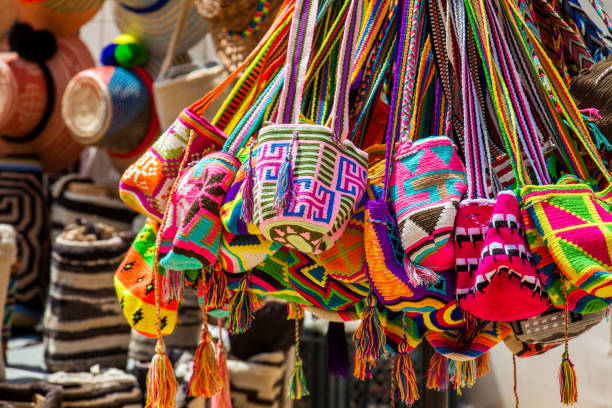
Handmade bags are often built with close attention to detail and quality control. Strong construction techniques and carefully selected materials help extend product lifespan. As a result, many handmade bags remain functional and attractive long after cheaper alternatives need to be replaced.
Lower Cost Per Use
A higher purchase price does not necessarily mean a higher long-term cost. If a handmade bag lasts several years while a lower-quality bag needs frequent replacement, the overall cost per use may actually be lower. This makes handmade products a practical choice for customers seeking lasting value.
Stronger Brand and Storytelling Value
Today’s consumers increasingly want products with meaning and authenticity. Handmade bags offer compelling stories about craftsmanship, culture, and ethical production. For retailers, these stories can strengthen brand positioning, increase perceived value, and create deeper customer connections.
FAQs
Are handmade bags worth the higher price?
SÌ. Handmade bags often offer superior craftsmanship, higher-quality materials, longer lifespans, and stronger emotional value compared with mass-produced alternatives.
How long does it take to make a handmade bag?
Depending on the design and technique used, a handmade bag can take anywhere from several days to multiple weeks to complete.
Why are Wayuu bags more expensive than machine-made bags?
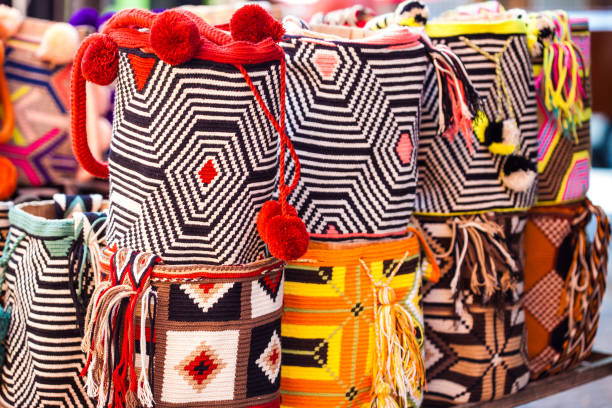
Wayuu bags are individually woven by skilled artisans using traditional techniques. The time, craftsmanship, and cultural heritage involved contribute significantly to their value.
Do customers prefer handmade bags today?
Many consumers are increasingly drawn to handmade products because they value authenticity, sustainability, and unique craftsmanship.
Are handmade bags better for sustainable fashion?
In many cases, yes. Handmade bags are often produced in smaller quantities, use natural materials, and support ethical production practices that align with sustainable fashion principles.
Considerazioni finali
Handmade bags cost more because they require far greater investment in craftsmanship, materials, and production time than mass-produced alternatives. Rather than focusing solely on the price tag, it is worth considering the quality, durability, and authenticity behind each piece. For many buyers, these qualities make handmade bags a smarter long-term investment and a more meaningful purchase.
In a market where consumers increasingly value craftsmanship, sustainability, and product authenticity, handmade bags offer a unique opportunity to stand apart from mass-produced alternatives. Accordo provides authentic Wayuu bags handcrafted by skilled artisans, helping businesses bring distinctive, story-driven products to their collections. Backed by consistent quality, flexible order support, and a diverse selection of handcrafted styles, our collections are designed to help brands create a memorable offering for their customers. Contact us today to learn more about our wholesale options.