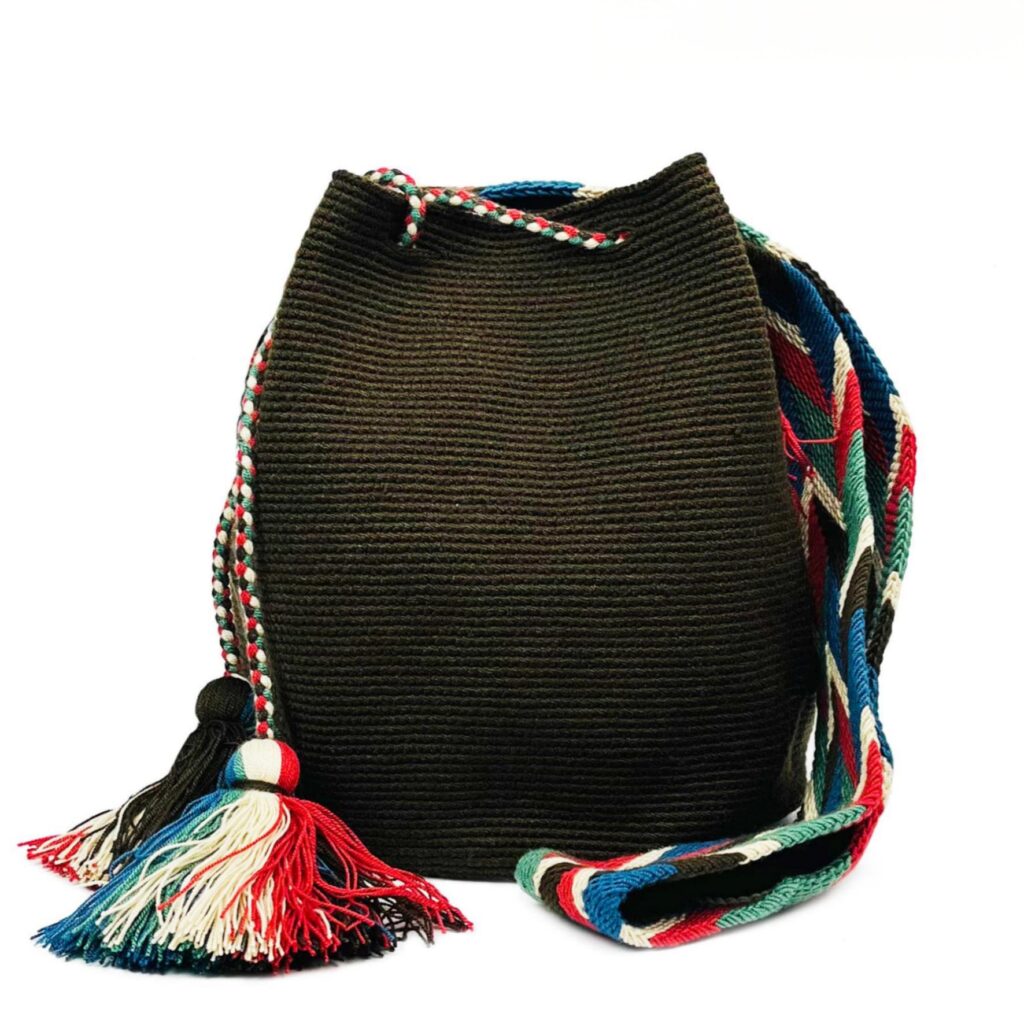
Pricing handmade bags for retail and wholesale starts with understanding the full cost of materials, labor, overhead, and selling expenses. A clear pricing framework helps brands protect their margins as production volume grows.
This article explains how to calculate handmade bag costs, compare wholesale and retail pricing, and use practical pricing formulas when planning different order volumes.
Understanding Handmade Production Costs
Profitable pricing depends on tracking every real minute of labor and allocating studio overhead accurately per unit, rather than guessing your margins.
Core Components and Percentage Breakdown of Bag Costs
Calculating handmade production costs requires looking past simple fabric expenses. You must dissect the entire build of the bag to establish a realistic baseline for pricing before approaching boutiques or direct customers.
- Raw Materials: Includes the outer fabric or leather, lining, reinforcement materials, and other components used in the bag.
- Direct Skilled Labor: Covers the time required for cutting, sewing, assembly, finishing, and other production work.
- Hardware and Accessories: Includes zippers, clasps, loops, straps, buckles, and other components required for the design.
- Overhead and Selling Costs: May include workspace expenses, equipment maintenance, packaging, payment processing, and other business costs that need to be allocated to each unit.
These ranges should be treated as reference points rather than fixed industry rules. The right labor share depends on the bag design, production method, material costs, and level of handwork involved.
Calculating Direct Costs: Materials, Hardware, and Waste
To avoid cash flow traps, you must track every physical component down to the cent. Guessing how much material a tote uses leads to immediate margin erosion.
- Material Conversion: Convert bulk purchases of fabric, leather, and linings into exact per-bag square-footage or linear-meter metrics.
- Waste Margin: Add a 5% to 10% waste buffer to account for pattern offcuts, natural leather flaws, and layout inefficiencies.
- Hardware Tracking: Record zippers, pulls, clasps, D-rings, and rivets on a strict, individual unit-cost basis.
- Packaging Costs: Bundle protective dust bags, branded cards, hangtags, and outer shipping boxes into the final per-unit material cost.
Adding a formal waste margin is critical. Leather hides contain natural scarring, and textiles yield awkward offcuts that you cannot reuse for primary panels.
Accounting for Labor and Allocating Monthly Overhead
Undervaluing labor is the most common pitfall in handmade production. Professional builders do not work for free, yet many self-made brands forget to bill for preparation and finishing stages.
- Time Tracking: Record exact minutes spent on pattern prep, cutting, skiving, stitching, and edge finishing.
- Artisan Wage: Multiply the total assembly hours by a professional hourly rate rather than a token hobbyist wage.
- Monthly Overhead: Sum your fixed expenses, including workspace rent, studio utilities, machinery maintenance, and software subscriptions.
- Per-Unit Allocation: Divide the total monthly overhead by your average monthly bag output to assign an exact indirect cost to each piece.
This per-unit overhead allocation ensures your business pays for its own sewing machine repairs and software subscriptions, rather than eating into your personal wages.
Pricing Strategies for Retail and Wholesale Channels
Wholesale and retail pricing must operate in lockstep. If you do not build your retail price with a robust multiplier, you will lack the margin needed to offer standard boutique discounts.
- Wholesale Multiplier: Price wholesale lots at 2.0x to 3.0x the production cost to cover your wages, materials, and a healthy studio profit.
- Retail Multiplier: Apply a cost-based retail markup of 2.5x to 4.0x on top of the wholesale or base production cost to ensure long-term business viability.
- Strategic Positioning: Adjust final pricing based on regional purchasing power, craftsmanship uniqueness, and direct competitive positioning.
Always keep your suggested retail price identical across all channels. Undercutting your stockists by offering cheaper direct-to-consumer options on your website will quickly destroy your boutique relationships.
Retail Pricing vs Wholesale Pricing
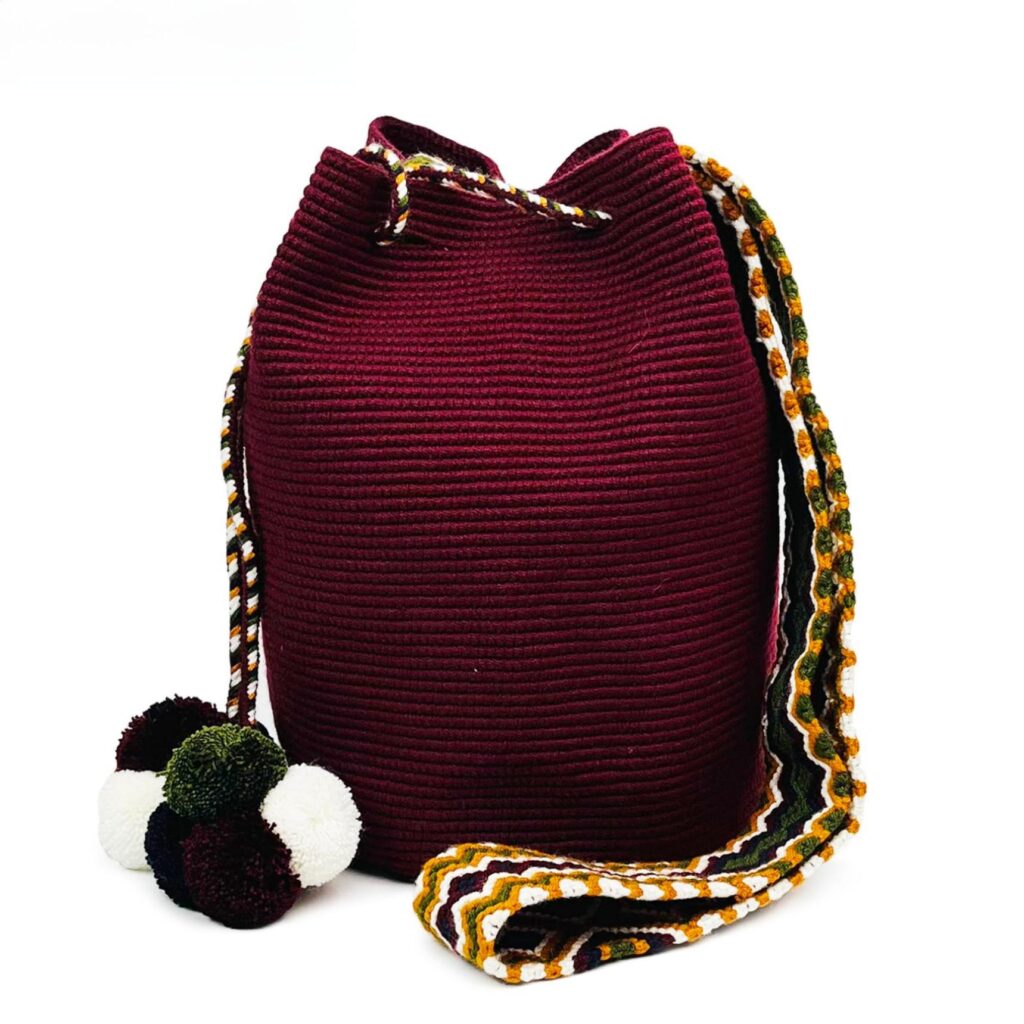
Balancing retail pricing vs wholesale pricing requires protecting a 50% wholesale margin while matching standard boutique keystone expectations to ensure sustainable brand growth.
When managing retail pricing vs wholesale pricing, you must balance two completely different financial structures under a single brand identity. Wholesale represents the discounted price retailers pay, typically set at 50% of the retail price for handmade goods.
Retail is the final price paid by end customers, which must fully absorb direct selling costs like marketing, customer service, and transaction fees. To grow sustainably, makers secure a lower per-unit margin in wholesale in exchange for higher volume and reduced direct marketing responsibility.
Standard Pricing Formulas for Handmade Bags
Calculating these pricing levels requires disciplined formulas to prevent margin erosion. Small design decisions or inaccurate production cost estimates will quickly eat your profits if your multipliers are wrong.
- Baseline Formula: Multiply the Cost of Goods Sold (COGS) by two to establish the wholesale rate, and then multiply that wholesale price by two to determine retail.
- Premium Multiplier: Premium bag lines often require a 2.5× multiplier on COGS for wholesale to reflect higher brand positioning.
- Retailer Markup: Boutique buyers expect a keystone markup of 100% to 200% over the wholesale price to cover their commercial rent and staff costs.
Real-World Pricing: Fabric Totes vs. Leather Crossbody Bags
Comparing different bag tiers shows how production costs directly scale into final pricing structures. Lower-tier items rely on volume, while premium designs rely on high perceived value.
- Fabric Tote: A COGS of $50 could result in a $100 wholesale price and a $200 retail price when using a simple keystone approach.
- Premium Handmade Crossbody: A COGS of $120 could result in a $300 wholesale price and a $600 retail price if the brand applies a higher wholesale markup.
This comparison demonstrates how material quality and construction time directly dictate whether a bag is viable for the wholesale market. High-labor designs must command premium prices to remain profitable.
Pricing Consistency and the Threat of Channel Conflict
You must maintain a uniform retail price across your own website, physical markets, and partner boutiques. Undercutting retail partners on direct channels damages wholesale relationships and causes buyers to drop your brand. If your wholesale and retail pricing calculations conflict, the retail price is usually set too low rather than wholesale being too high.
Practical Steps to Establish Your Brand Pricing
To build a sustainable brand, follow this structured process to lock in your numbers before pitching to stockists:
- Calculate True COGS: Track material waste, exact labor time, and a realistic hourly production wage to find your accurate cost foundation.
- Set Wholesale Floors: Establish a sustainable wholesale price that provides at least a 50% gross margin on your production cost.
- Validate Retail Prices: Compare your resulting retail price against comparable boutique products to ensure market alignment and brand authority.
Elevate Margins with Luxury Remake Wayuu Bags
Factors That Increase Handmade Bag Value
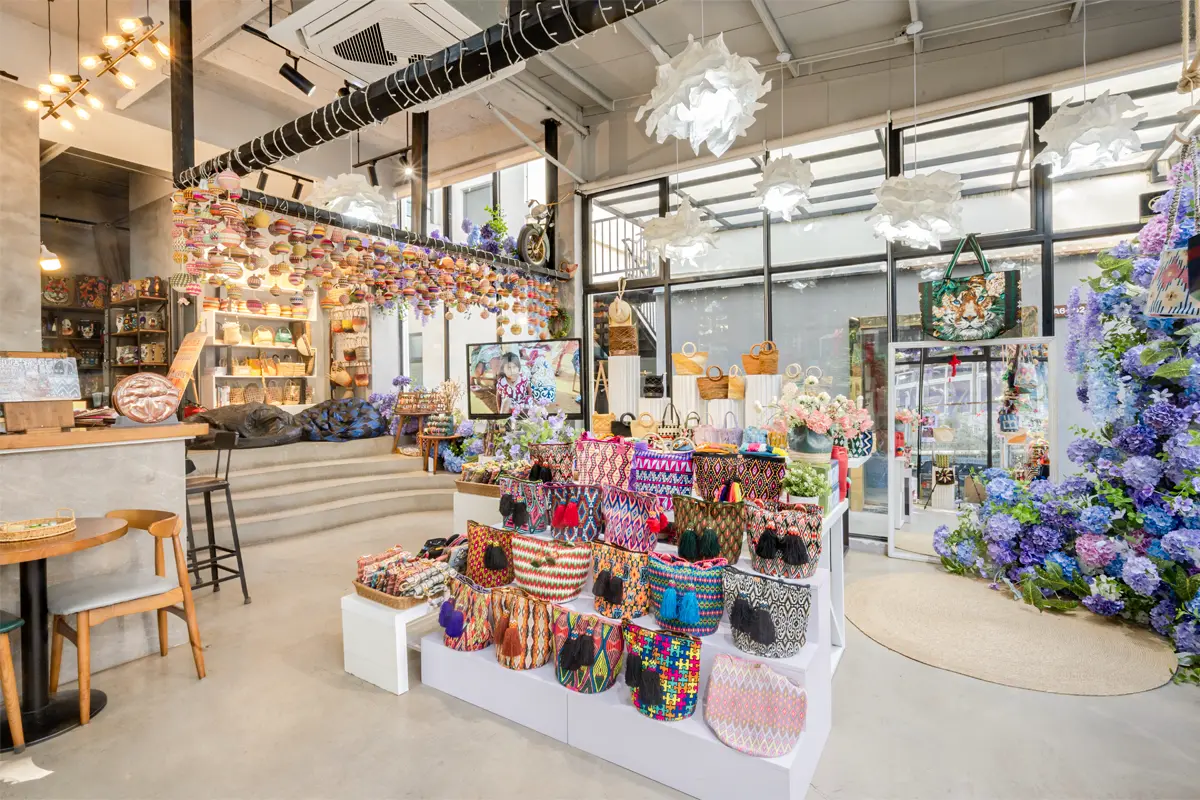
High-grade materials, labor-intensive structural design, and absolute scarcity dictate retail success, allowing makers to comfortably shift from cost-plus recovery to premium, value-based pricing structures.
Why do some leather totes command $800 while others struggle to sell for $80? Understanding the factors that increase handmade bag value is the difference between running a sustainable artisan business and burning out on hobby-level margins.
Premium Materials and High-Grade Hardware
Material selection can influence the perceived value of a handmade bag. For Wayuu bags, buyers may consider the woven material, leather details, hardware, lining, and craftsmanship when evaluating price. Customers can notice differences in weight, texture, finish, and overall feel, which can influence how they perceive the bag’s quality and value.
The choice of secondary components signals physical durability. Heavy-duty metal zippers, solid brass clasps, and thick, structured linings prevent the sag and hardware failure common in cheap imports, allowing the product to age gracefully and develop a natural patina.
Advanced Craftsmanship and Structural Complexity
Perceived value scales with visible difficulty. Clean hand-stitching, burnished and painted edges, and perfectly aligned seams elevate a bag from a simple utility sack to a work of art. These details prove that skilled human hands spent hours shaping the material.
Complex structures also demand higher price points because they require extensive planning and assembly time. Introducing these elements shifts your pricing away from simple material recovery:
- Multiple compartments: Separates internal storage and requires precise alignment during assembly.
- Adjustable straps: Incorporates additional hardware and heavy reinforcement stitching.
- Intricate patterns: Multiplies cutting waste and requires specialized layout planning.
Adding complexity naturally increases the skilled labor hours per unit, which forms the core of any sustainable pricing framework.
Uniqueness, Limited Runs, and Brand Reputation
Mass production relies on volume; artisan production thrives on scarcity. Running small batches or accepting custom, one-of-a-kind commissions creates immediate purchasing urgency. Buyers pay a premium to ensure they will not see someone else wearing the exact same design.
Your branding must match this exclusivity. Cohesive design language across your collections, backed by professional product photography, reassures buyers that they are investing in a real brand rather than supporting a casual hobbyist.
Ethical Sourcing and Authenticity Cues
Transparency around craftsmanship and sourcing can strengthen the perceived value of handmade products. For Wayuu bags, explaining the Colombian artisan network, the handmade process, and the origin of the craftsmanship gives buyers useful context when comparing products and prices.
Final details solidify trust. Shipping your product with branded dust bags, custom packaging, and serial-numbered certificates of authenticity tells the customer the purchase is legitimate and collectible, protecting your retail margins during negotiation.
Pricing Different Handmade Bag Collections
Sustainable handmade bag pricing requires a disciplined, cost-plus foundation that scales across collections, ensuring wholesale viability without eroding artisan labor margins.
Establishing the Cost Basis and Markup Baselines
Before positioning any collection, you must calculate the exact cost of goods sold (COGS) for every design. Guessing or matching competitor pricing leads to business burnout.
- Raw Materials: Includes the main woven material, leather details, lining, zippers, hardware, and other components, with material waste included in the cost calculation.
- Maker Labor: Calculate total production hours and multiply them by an appropriate labor rate for the market and skill level involved.
- Studio Overhead: Rent, utilities, and machinery maintenance allocated per unit based on realistic monthly output.
Once you establish this fully loaded base cost, apply the standard double-keystone multiplier. Double the base cost to set your wholesale price, and double that wholesale price to set the retail price (MSRP). This ensures your base cost never exceeds 25% of the final retail price.
Pricing Strategy for Core and Everyday Collections
Everyday collections anchor your brand volume. To make these entry-level pieces scalable, simplify their construction and standardize patterns to reduce assembly time.
Set the wholesale price above your base cost, then establish the retail price based on your target margins and sales channels. Markups can vary with materials, craftsmanship, order volume, and market positioning. Consistent pricing across direct and retail channels can help reduce channel conflicts and maintain brand trust.
Setting Prices for Mid-Range and Signature Lines
Signature lines introduce premium materials and complex features like internal zipper pockets or specialized hardware. These elements naturally raise production time and raw cost.
To protect your margins, increase the wholesale multiplier to 2.3x or 2.5x the base cost. The retail price should target 4.5x to 5x the base cost. This elevated retail margin offsets the intensive branding, professional photography, and marketing required to communicate the collection’s unique design narrative.
Positioning Premium and Luxury Collections
Luxury collections rely on uncompromising materials and flawless craftsmanship. Standard formulas will not suffice here; you must account for the substantial investment in full-grain leathers, custom solid brass hardware, and specialized edge painting.
For premium handmade collections, pricing should reflect the craftsmanship, material selection, design development, and limited production volume involved. For Wayuu bags, the value can also come from authentic Colombian craftsmanship, distinctive patterns, and the work required to remake each piece for a more versatile everyday style.
Common Pricing Mistakes
Uncalculated labor, ignored overhead, and arbitrary competitor-matching systematically destroy profit margins for handmade bag brands, turning skilled craft into an unsustainable hobby.
Why do highly skilled leather artisans consistently struggle to keep their workshops profitable? The answer usually lies in a handful of common pricing mistakes that turn complex, beautiful handcraft into a money-losing venture. Let’s look at the systemic errors that bleed margins.
Undervaluing Maker Labor and Crafting Time
Artisans often fall into the trap of pricing products based on what they think buyers will tolerate rather than what their time actually costs. This mental disconnect results in makers working for pocket change while underestimating the technical complexity of their own work.
- Unpaid Hobby Work: Failing to charge a professional hourly wage, effectively treating specialized crafting time as unpaid hobby work.
- Neglected Design Complexity: Neglecting to track physical production time per bag, which leads to systematic losses on complex, hardware-heavy designs.
- Broad Labor Averaging: Estimating manufacturing labor using broad averages instead of tracking actual hours spent cutting, stitching, and finishing.
Excluding Operational Overhead and Channel Fees
A business cannot survive on raw material margins alone. When you ignore the small, recurring expenses that keep your machinery running and your digital storefront open, your net profit quickly evaporates.
- Indirect Production Costs: Omitting indirect expenses such as sewing thread, sewing machine maintenance, needles, and pattern development costs from the baseline calculations.
- Platform Transaction Fees: Overlooking marketplace commissions, payment processing fees, and other platform-specific selling costs.
- Packaging Costs: Failing to include necessary packaging, labels, protective materials, and shipping cartons in the final unit cost.
Relying on Oversimplified Multiplier Formulas
While standard retail shortcuts offer quick calculations, they fail to scale alongside design diversity. Applying flat rules to a highly customized inventory guarantees that your most labor-intensive products will actively lose money.
- Rigid Shortcuts: Using rigid shortcuts like multiplying materials by two without accounting for labor hours or variable business overhead.
- Flat Pricing Disparities: Applying a flat price across highly distinct styles, which underprices labor-intensive backpacks while overpricing basic tote bags.
- Emotion-Based Margins: Basing final rates on emotion or a personal perception of value rather than calculated math and target margins.
Mismanaging the Wholesale and Retail Margin Spread
Transitioning from direct-to-consumer sales to boutique retail requires a completely different margin structure. If your direct retail pricing is too tight, standard wholesale expectations will leave you in the negative.
- Arbitrary Rate Halving: Halving an already underpriced retail rate to establish a wholesale catalog, destroying profit margins.
- Boutique Discount Deficits: Setting direct-to-consumer prices too low to accommodate standard retail boutique discounts of fifty to sixty percent.
- Ad-Hoc Volume Reductions: Treating wholesale accounts as ad-hoc volume discounts rather than maintaining a strict, separate pricing tier built from the base cost.
Copying Competitor Prices Blindly
Looking at competitor pricing can give you a baseline for market placement, but using it as a direct calculator is highly risky. You have no way of knowing their material supply chains, overhead structures, or production realities.
- Unverified Parity: Matching competitor prices without knowing their raw material sourcing advantages, labor situations, or production scale.
- Static Retail Rates: Keeping retail pricing static even when the wholesale costs of leather, specialized hardware, and shipping supplies climb.
- Fear-Driven Discounting: Lowering prices out of market fear rather than using clear brand positioning to justify the true cost of handmade craftsmanship.
Building a Sustainable Pricing Strategy
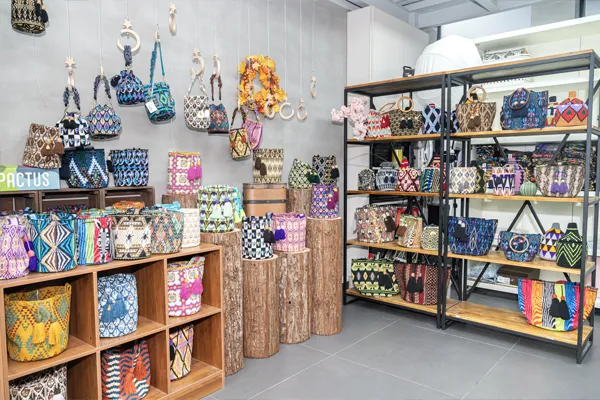
Pricing handmade bags requires structuring wholesale at double your fully loaded cost and retail at double wholesale to secure sustainable margins across all sales channels.
Calculating the Fully Loaded Cost of Goods Sold
Developing a sustainable pricing strategy for handmade bags prevents the common trap of working for free. To set prices that keep your business alive, you must calculate a fully loaded Cost of Goods Sold (COGS) for every design before selling a single unit.
Every bag must carry its exact share of production and business expenses:
- Material Costs: Calculate the cost of fabric, lining, structural interfacing, zippers, pulls, and packaging, adding 5% to 10% for cutting waste.
- Direct Labor: Track the exact time spent cutting, sewing, assembling, and finishing, multiplied by your professional hourly rate.
- Overhead Allocation: Divide monthly fixed costs, including studio rent, utilities, and sewing machine depreciation, by your realistic monthly production volume.
- Selling-Specific Costs: Include payment processing fees, marketplace listing costs, and transaction commissions directly in your unit cost.
The Keystone Feasibility Test for Wholesale Expansion
Before pitching to boutiques, run a simple feasibility check to verify if your production costs can actually support wholesale expansion. Take your target retail price and divide it by four.
If your current production cost is higher than one-quarter of your retail price, your margins are too thin to support a wholesale discount. When this test fails, you must make a strategic decision. You can raise your retail prices to match the market, simplify the bag construction to reduce labor hours, or remain strictly direct-to-consumer to protect your profits.
Balancing Retail Margins and Wholesale Partner Relationships
Direct-to-consumer selling yields higher margins per unit, but you must spend those extra dollars on website fees, marketing, packaging, and shipping. Wholesale operates on tighter per-unit margins, but it brings predictable cash flow and high-volume orders that keep your workshop running efficiently.
To keep both channels healthy, you must maintain absolute pricing consistency. Enforce your Manufacturer’s Suggested Retail Price (MSRP) strictly across all sales channels. If you sell a bag on your website for less than your stockists charge, you create channel conflict and destroy retail relationships. Avoid deep promotions on your direct store to protect the boutiques that carry your brand.
Perguntas frequentes
Figuring out how to approach pricing handmade bags can mean the difference between a thriving creative brand and an exhausting hobby. Below, we break down the exact cost structures, wholesale markups, and retail calculations you need to build a sustainable accessories business.
How should I price handmade bags?
Use a cost-plus pricing model that accounts for materials, labor, and overhead per unit. Calculate your base cost as Materials + Labor + Overhead. For retail pricing, multiply this base cost by four, which leaves room to offer a 50% discount to wholesale buyers while maintaining a sustainable profit margin.
What is a good wholesale markup for handmade bags?
A wholesale markup should provide enough room to cover your production costs and support a healthy margin, while leaving retailers sufficient room for their own markup. Some retailers use keystone pricing, but the final retail markup can vary by product, market, and sales channel.
How much profit margin should boutiques make?
Boutiques typically need sufficient gross margin to cover operating expenses and maintain profitability. Keystone pricing is one common approach, but the appropriate retail margin can vary depending on the product, market positioning, and sales channel.
Why are handmade bags more expensive?
Handmade bags require highly skilled manual labor, premium raw materials like full-grain leather or custom hardware, and small-batch production that lacks economies of scale. Individual attention to edge finishing, stitching, and custom assembly increases the labor hours per piece, making the ex-factory cost substantially higher.
How do I calculate wholesale pricing?
First, calculate the total cost of goods sold (COGS) by adding materials, hardware, hourly labor, allocated studio overhead, and packaging. To set your wholesale price, either multiply COGS by two (the classic craft standard) or divide your unit cost by your target margin (such as 0.50 for a 50% margin).
What is keystone pricing?
Keystone pricing is a retail method where you set the selling price at exactly double the wholesale cost, resulting in a 100% markup and a 50% gross margin. In the handbag industry, this ensures that both the designer (at wholesale) and the boutique (at retail) cover operational expenses and make a profit.
Should all handmade bags have the same markup?
Não. Uniform markups often lead to overpriced simple items or underpriced complex items. Use tiered markups instead: apply higher markup percentages to lower-cost accessories and entry-level items, while accepting slightly lower markup percentages on highly labor-intensive, premium leather bags to keep them competitive.
How do luxury boutiques price artisan bags?
Luxury boutiques may use higher retail markups when brand positioning, craftsmanship, scarcity, and store operating costs support a higher price. The appropriate multiplier varies considerably by product, market, and sales channel.
How do I compete with cheaper machine-made bags?
Avoid competing on price. Focus instead on non-price value drivers like superior construction durability, premium sourcing transparency, opções de personalização, and ethical production practices. Position your brand around “cost-per-wear” and distinct storytelling to attract customers who prioritize quality over the lowest price.
How does craftsmanship affect pricing?
Craftsmanship determines both the labor hours and the skill-level hourly rate required for production. Intricate techniques like hand-stitching, edge painting, and skiving double or triple the assembly time compared to basic totes, which directly shifts the bag into premium or luxury price bands.
How should I price limited-edition handmade bags?
Start with your standard cost-based pricing, then consider the design uniqueness, production time, limited availability, and customer demand of the collection. For wholesale orders, adjust the final terms according to order volume and the actual cost of production.
What pricing mistakes should boutique owners avoid?
Avoid copying competitor prices without knowing your costs, ignoring the value of your labor, or setting retail prices too low to allow for a future wholesale channel. Do not set wholesale prices so high that boutiques cannot achieve a 50% gross margin, as this prevents repeat orders.
How often should retail prices be adjusted?
Review your pricing data quarterly and formally adjust retail prices once a year to account for shifts in material, labor, and utility costs. Implement small, predictable annual increases (typically 8% to 15%) rather than sudden, large jumps to preserve buyer trust and maintain consistent retail partners.
Should wholesale buyers receive volume discounts?
Volume discounts can make sense when larger orders reduce material, production, or fulfillment costs. For smaller orders, the standard wholesale price may be maintained, while larger orders can be reviewed based on order volume, product complexity, and production requirements.
Final Thoughts
Pricing handmade bags profitably takes more than adding a fixed markup to production costs. Material quality, craftsmanship, order volume, personalização, and wholesale or retail channels all affect the final price and margin.
For brands, retailers, and private label buyers sourcing handmade bags, a clear pricing structure helps balance product value, customer expectations, and long-term profitability. If you are looking for a reliable handmade bag supplier or want to develop a customized collection, contact us to discuss your sourcing and pricing needs.