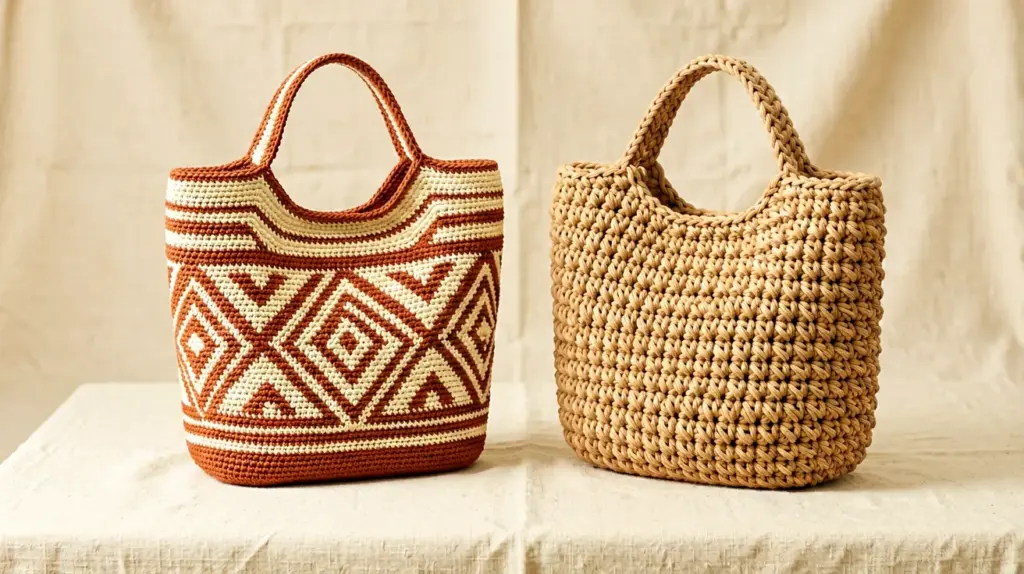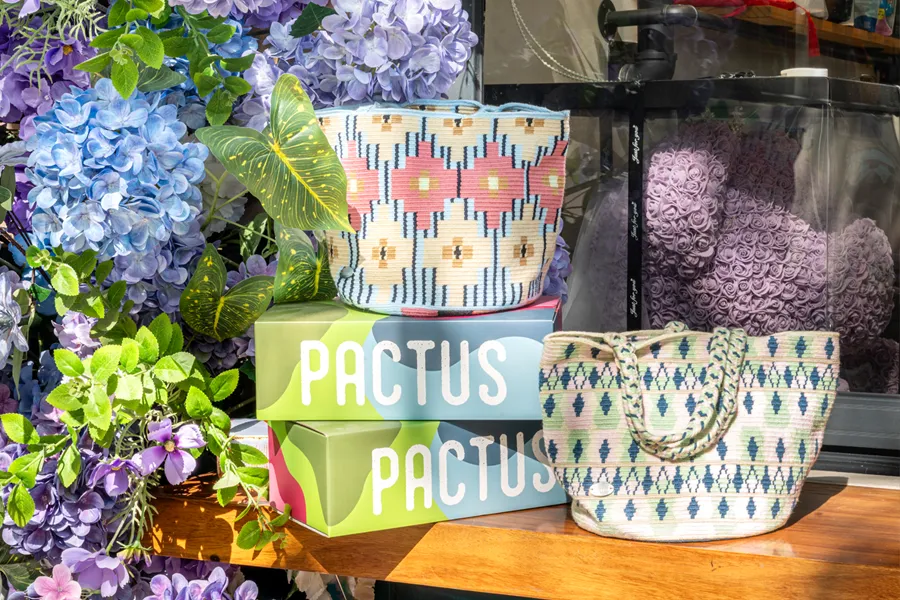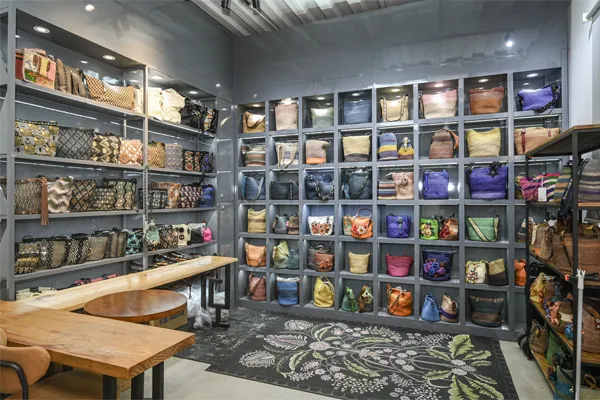
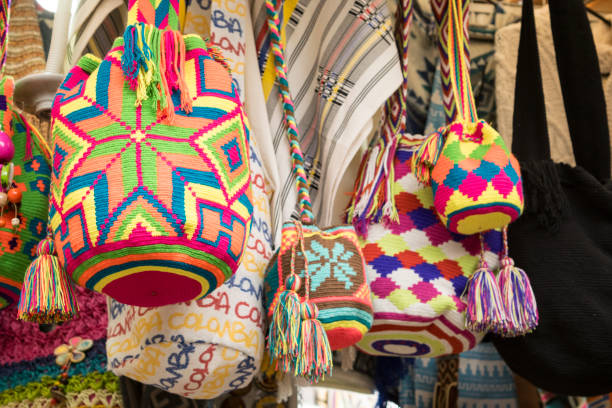
Choosing between ready stock and custom handmade bags directly affects a brand’s product strategy, cash flow planning, and ability to create a unique market position. Ready stock provides faster access to products, while custom handmade production allows brands to develop distinctive collections with stronger cultural and design value.
This comparison explores the differences between ready stock purchasing and custom handmade production, including lead times, MOQ requirements, pricing structures, and how each model fits different brand development stages.
Ready Stock vs Custom Handmade Bags Overview
Ready stock bags deliver instant retail fulfillment, while custom handmade pieces demand intense manual labor but secure premium margins through strict cultural and aesthetic differentiation.
Brands evaluating the operational trade-offs of Ready Stock vs Custom Handmade Bags face a fundamental operational split: immediate shelf availability versus slow, high-touch artisan craft.
Core Definitions and Production Models
Ready stock bags consist of pre-manufactured, standardized inventory held in stock for immediate wholesale or retail shipment. This off-the-shelf model removes all design and sampling phases, allowing companies to secure product without operational delay.
Custom handmade bags rely on artisan-led manual techniques, where designs are frequently made-to-order or tailored to bespoke specifications. The production cycle shifts entirely to manual fabrication, requiring highly skilled labor that cannot be accelerated by machinery.
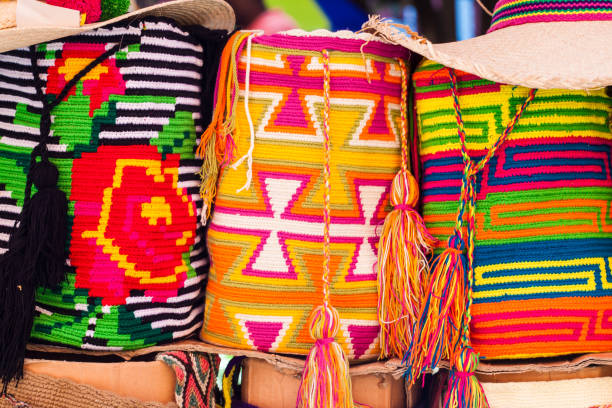
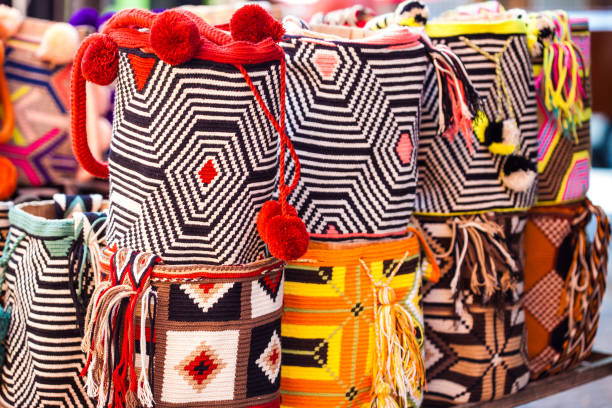
- Production time: Each Wayuu handmade bag typically requires 7 para 45 days of skilled artisan work
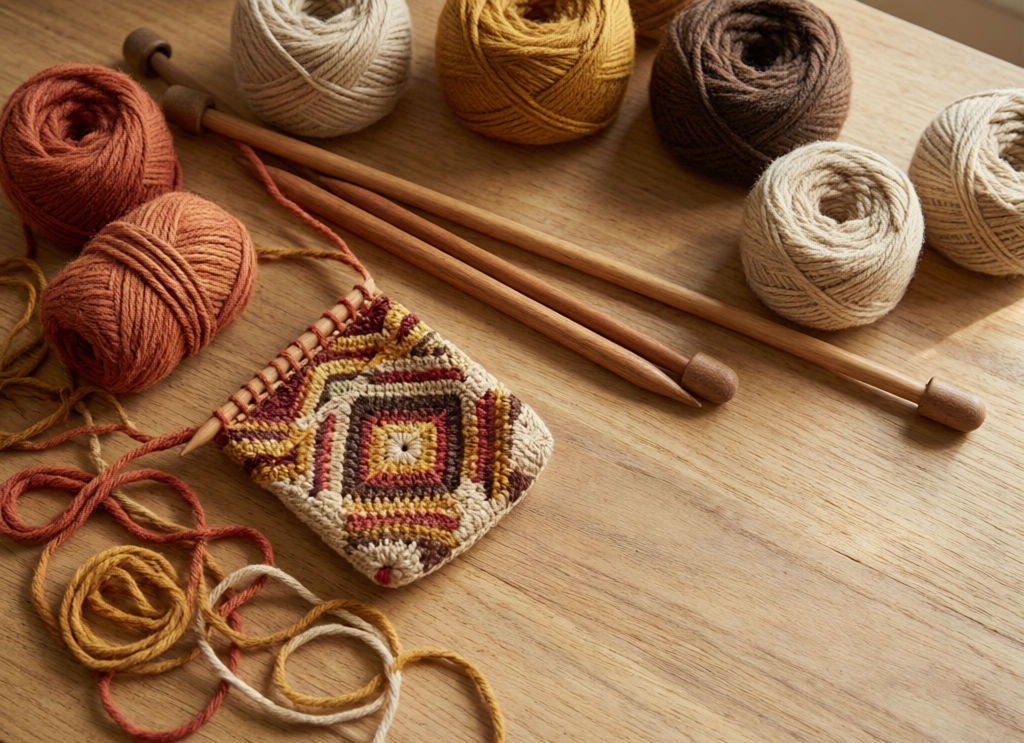
- Fabrication method: Artisan-led cutting, tecelagem, costura, and beadwork.
- Design flexibility: Bespoke changes to sizing, materiais, and internal configurations.
Lead Times, MOQs, and Operational Scaling
Operational scaling requires balancing upfront investment constraints against delivery speed. Ready-made options allow rapid fulfillment to exploit sudden seasonal surges, while bespoke lines demand extended planning buffers.
- Ready stock lead time: Orders are processed and dispatched within 3 business days.
- Custom handmade lead time: Up to 6-10 weeks for fully bespoke crafting timelines.
- Ready stock MOQs: No minimum order quantity required, suitable for brands of different sizes.
- Custom OEM MOQs: Flexible MOQ options available for custom designs, allowing brands to develop unique collections with lower entry barriers.
Cost, Pricing, and Financial Margin Dynamics
The financial dynamics of each model dictate your retail pricing architecture and long-term brand equity.
Ready stock helps brands reduce upfront investment and enter the market faster. For handmade Wayuu bags, wholesale prices typically vary depending on weaving techniques, materiais, craftsmanship, and order volume. While this approach lowers development risks, it may limit product exclusivity because similar catalog designs can be sourced by multiple sellers.
Custom handmade pricing reflects premium materials and deep personalization. This cost structure positions the products in lucrative mid-premium to luxury tiers. Uniqueness eliminates direct comparison shopping, yielding higher long-term margins through strong product differentiation.
Advantages of Ready Stock
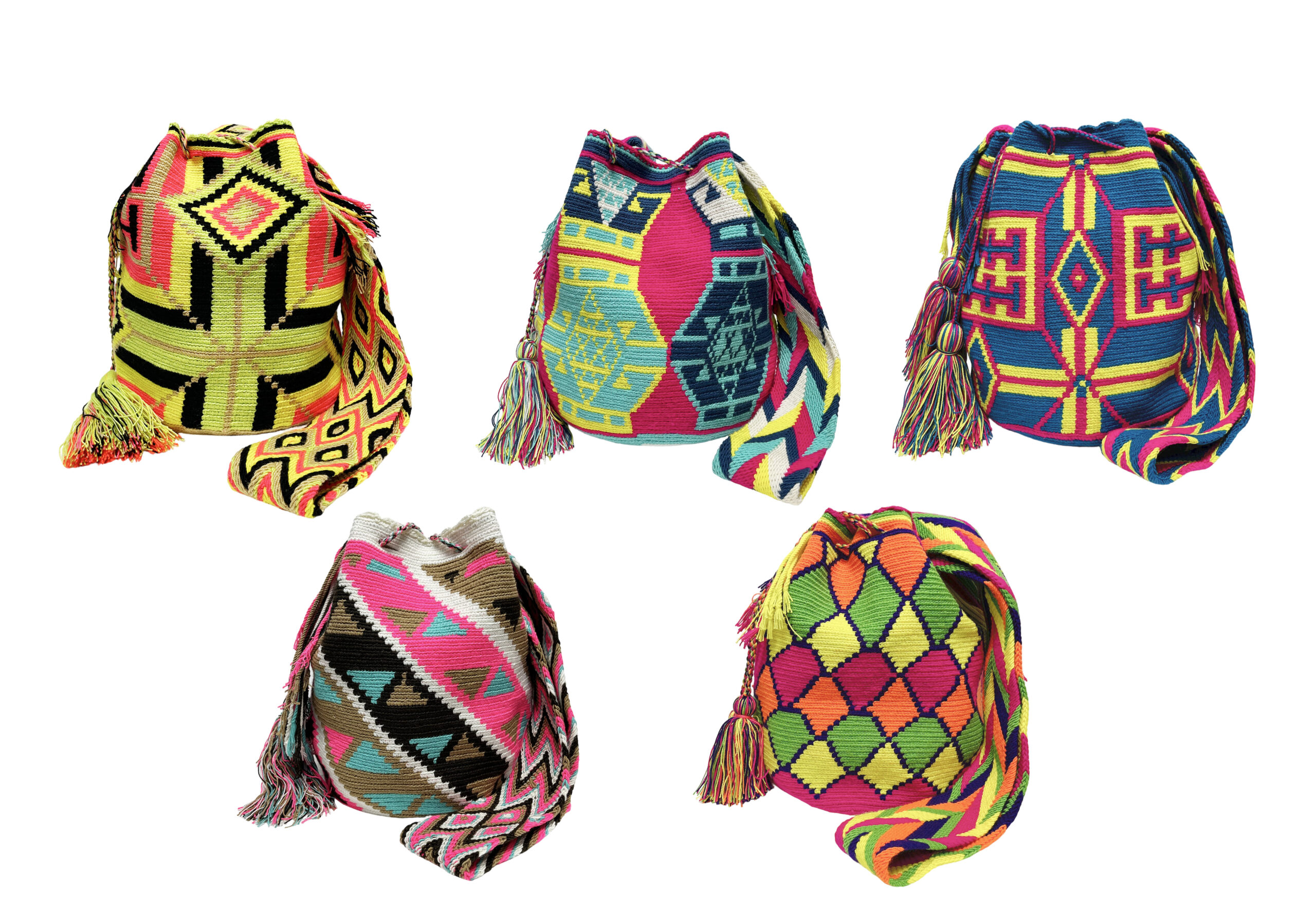
Ready stock inventory eliminates development lead times and upfront capital sinks, letting brands launch and scale collections with minimal financial risk and predictable margins.
Immediate Market Availability and Shorter Delivery Cycles
Launching a new bag collection usually means waiting out grueling manufacturing cycles before a single unit hits shelves. Ready stock bypasses this bottleneck by offering pre-manufactured inventory that is ready to ship.
- Fulfillment Timeline: Compresses delivery windows to 2 para 4 weeks, compared to the 8 para 16 weeks required for custom orders.
- Development Phase: Skips the typical 2 para 3 month design, pattern-making, and sampling cycle entirely.
- Time-Sensitive Windows: Secures product in hand quickly to hit rigid deadlines for corporate gifting, seasonal launches, or promotional events.
Getting products to market quickly keeps your brand agile and ready to capture immediate demand.
Lower Upfront Capital and Reduced Financial Risk
Sinking thousands of dollars into custom molds and fabric dye runs before validating a single sale dries up working capital quickly. Ready stock transfers this initial risk back to the supplier.
- Upfront Sunk Costs: Requires zero investment for physical prototype tooling, mold creation, or initial design development.
- Minimum Order Quantities (MOQs): Provides flexible order quantities, allowing brands to test new designs with lower inventory commitments.
- Inventory Carrying Risk: Relies on supplier-held stock, freeing cash flow to test market viability.
This capital-light entry lets early-stage brands build a diverse catalog without committing to massive inventory positions.
Cost-Effective Unit Economics for Small Batches
When buying in small quantities, custom development margins usually suffer from heavy setup fees. Ready stock leverages the factory’s existing mass production lines to secure competitive pricing from day one.
- Project Budgeting: Spreads fixed manufacturing setup fees across the supplier’s massive production runs to protect your bottom line.
- Price Predictability: Establishes stable product costs with pre-set wholesale rates, eliminating surprise raw material or assembly surcharges.
- Development Offsets: Offsets slightly higher single-unit wholesale costs by eliminating thousands of dollars in sampling iterations.
These economics make low-volume test runs highly viable, preserving your margin for marketing and customer acquisition.
Operational Simplicity and Streamlined Supply Chains
Managing a custom supply chain requires deep technical expertise, from building comprehensive tech packs to supervising raw material sourcing. Ready stock reduces complex procurement down to a standard reordering workflow.
- Technical Documentation: Bypasses the need for specialized CAD files, complex bill of materials (BOM), or pattern files.
- Procurement Workflow: Simplifies retail operations into standard SKU reordering that integrates easily into existing inventory systems.
- Supply Chain Protection: Protects supply lines from factory production bottlenecks and raw material sourcing delays.
Fewer operational moving parts mean fewer points of failure, allowing you to run a lean retail or wholesale team.
Standardized Quality Control and Predictable Manufacturing
First-run custom products often suffer from inconsistent stitching, sizing variances, and hardware issues. Because ready stock relies on mature, volume-tested production runs, quality remains highly predictable.
- Quality Consistency: Delivers repeatable product specifications across batches due to stabilized, optimized assembly line processes.
- Variance Control: Minimizes physical deviations in dimensions, finishing, and stitching compared to artisan or small-batch custom runs.
- Standard Presentation: Guarantees uniform aesthetics, which is critical for franchise retail networks, large corporate giveaways, or multi-outlet displays.
Relying on stabilized production means you can build brand trust without running an intensive, hands-on factory inspection regime.
Scale Your Brand With Premium Wayuu Bags
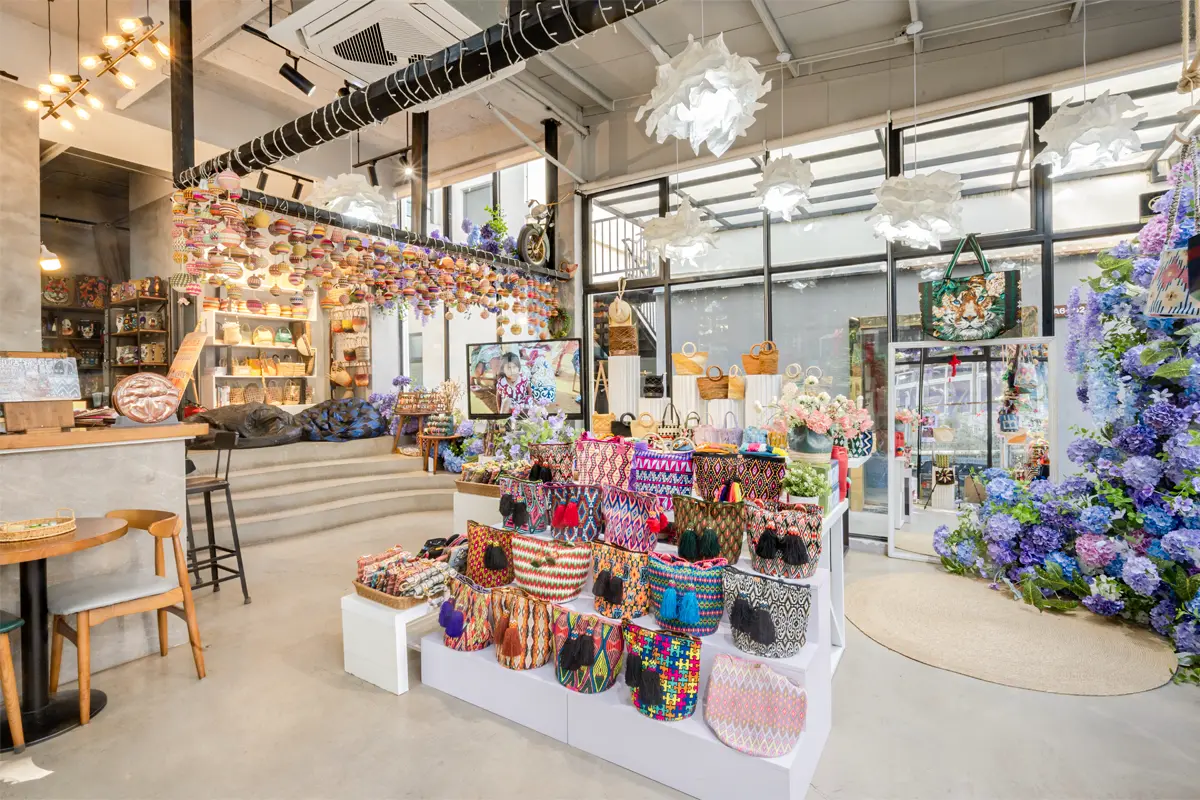
Advantages of Custom Production
Custom production helps brands reduce reliance on standard catalog products while creating more distinctive collections through tailored designs, material selection, and craftsmanship.
Brand Differentiation and Market Positioning
Standard ready stock items expose brands to immediate price wars on identical products. Moving to custom manufacturing shifts the battleground from margin-eroding discounts to brand-defining visual identity.
- Cohesive Visual Identity: Full control over materials, custom color palettes, and structural geometry creates a unified presentation that stock catalogs cannot match.
- Elevated Unboxing Experiences: Custom-branded bag designs build memorable purchase touchpoints, turning transactional deliveries into repeatable customer loyalty.
- High-Volume Mobile Advertising: Each customized bag serves as a moving billboard, generating organic impressions in public spaces every time a client reuses it.
Building visual distinctiveness directly into the product architecture forces competitors to compete on craftsmanship rather than copying a generic template.
Tailored Functionality and Product Protection
Generic bags require products to adapt to standard dimensions, frequently causing fit errors and transit wear. Custom engineering addresses these challenges by integrating protective features into the product design from the beginning.
Design Adaptation: Designing bags like custom Wayuu bags allow brands to adjust colors, patterns, sizes, and details to better match their target customers and brand identity.
- Optimized Utility Features: Integrating tailored elements like technical dividers, reinforced stitching, and ergonomic handles supports targeted, high-performance use cases.
- Lifecycle Longevity: Sourcing high-performance, wear-resistant fabrics ensures long-term utility, reducing early replacements and lowering the total cost of ownership.
Prioritizing functional specificity over cheap off-the-shelf alternatives protects the product during shipping while enhancing user satisfaction.
Financial Efficiency and Inventory Risk Mitigation
Carrying months of pre-produced ready stock ties up capital in finished goods that face steep markdown risks. On-demand custom production aligns the balance sheet directly with market pull.
- Inventory Reduction: Manufacturing against confirmed orders minimizes warehouse holding costs and frees vital working capital.
- Obsolescence Mitigation: Aligning output with real-time demand prevents dead stock write-offs and protects brand value from discount liquidation.
- Direct Margin Control: Collaborating directly with factories removes trading intermediaries, yielding healthier margins and resilient pricing power.
Eliminating speculative stock shifts your operational focus from guessing market trends to running a demand-responsive cash cycle.
Lead Time Comparison
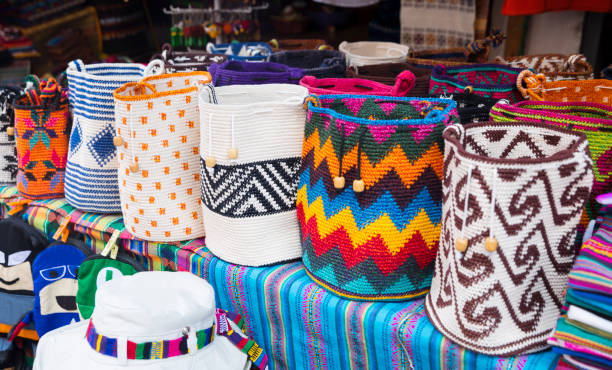
Ready stock bags ship in 1 para 7 days, whereas custom handmade cycles span 4 para 16+ weeks due to multi-stage development, making buffer planning essential for brand supply chains.
When mapping your seasonal inventory, conducting a rigorous lead time comparison prevents costly stockouts and misaligned marketing launches. Choosing between off-the-shelf readiness and custom craftsmanship dictates whether your product lands in days or months.
Ready Stock Bags: Rapid Order Processing
Ready stock inventory bypasses manufacturing queues entirely. Because the goods already exist in a supplier’s warehouse, the operational timeline shrinks down to simple physical logistics.
- Fulfillment Timeline: Typically ranges from 1 para 7 business days when stock is available.
- Operational Steps: Limited strictly to picking, packing, and dispatching finished inventory.
- Ideal Applications: Best suited for urgent inventory replenishment, immediate promotional events, or fast-turnaround product launches.
Custom Handmade Bags: Multi-Stage Production Cycles
Custom handmade production operates on a completely different temporal scale. Each order requires dedicated bench-time, material sourcing, and step-by-step hand construction.
- Standard Custom Orders: Require 4 para 12 weeks to move through design, sourcing, and manual assembly.
- Complex Custom Projects: Extend to 9 para 16+ weeks when incorporating specialized hardware, structural reinforcement, or intricate paneling.
- Sampling Phase: Takes 5 para 15 days to develop and finalize the initial physical prototype.
- Bulk Production Phase: Consumes 25 para 45 days after the buyer approves the final pre-production sample.
Variables That Accelerate or Delay Custom Handbag Production
Unlike standardized stock runs, bespoke production schedules fluctuate based on several supply chain and design dependencies.
- Design Complexity: The total count of pockets, compartments, internal organizers, and custom metal fittings directly increases manual bench hours.
- Material Sourcing: Using in-stock, factory-standard fabrics or leathers compresses the timeline, while requesting custom-dyed textiles or specialty hides adds weeks of raw material prep.
- Prototyping Rounds: Each sample iteration and revision cycle adds substantial delay, putting bulk manufacturing on hold.
- Logistics Decisions: Air shipping delivers the final goods in days, but choosing ocean freight adds significant transit time to the total project span.
Recommended Planning Buffers for Sourcing Decisions
Mitigating supply chain risks requires realistic buffer times integrated directly into your corporate launch calendar.
- Ready Stock: Serving as the fastest route, ready stock works best when prioritizing immediate launch speed over bespoke design details.
- Standard Customization: Requires a minimum planning cushion of 6 para 8 weeks to absorb typical manufacturing and shipping delays safely.
- Novel or Complex Designs: Demand an 8 para 12+ week buffer, especially when executing initial production runs or onboarding new suppliers.
Aligning your brand’s purchasing workflow with these physical realities ensures consistent stock levels, protecting your sales velocity and maintaining distributor trust.
Inventory Risk Comparison
Ready stock forces immediate exposure to unsold finished goods, while custom handmade models shift inventory risk into production lead times and raw material bottlenecks.
Demand Forecasting and Trend Obsolescence Risks
Predicting next season’s color trends and silhouettes without reliable market insights can create unnecessary business risks. Standard retail channels require massive bets on consumer taste months before launch, leading directly to financial losses when forecasts fail.
Forecasting Challenges: Incorrect demand predictions may result in excess inventory, requiring brands to adjust pricing strategies or promotional plans.
- SKU Multipliers: Adding colors, sizes, and hardware options exponentially increases forecasting errors across the collection.
- Digital Buffering: Custom brands publish digital catalogs, securing demand before committing to physical production.
Reusing core patterns across multiple seasons allows made-to-order brands to absorb shifting consumer trends. If a specific color loses favor, the unworked raw leather simply awaits the next collection.
Strategic Risk Mitigation and Hybrid Inventory Models
Smart operators do not treat supply chain design as a binary choice. Modern brands merge both systems to protect margins while keeping shipping times competitive for core items.
- Pilot Testing: Brands launch limited runs of 100 para 500 units to test real market interest before committing to major volume.
- Material Standardization: Standardizing buckles and base leathers across the entire catalog keeps raw material waste low.
A hybrid model allocates ready stock to high-volume, highly predictable core items. Highly customized, trend-sensitive, or experimental variations remain made-to-order, shielding the brand’s balance sheet from speculative risks.
Which Option Fits Different Business Models
Matching your production model to capital and sales channels prevents cash flow bottlenecks while securing the exact level of brand differentiation your market demands.
How do you scale a bag brand without letting inventory costs swallow your entire operating capital? Selecting the wrong setup in the ready stock vs custom handmade bags debate can paralyze your cash flow before your first shipment even arrives. Your choice of production model must align directly with how your business sells, ships, and handles capital.
| Business Model | Primary Sourcing Path | Inventory Risk | Fulfillment Speed | |
|---|---|---|---|---|
| Boutique Retailers & Online Sellers | Ready Stock | Medium – depends on sales demand | Faster fulfillment | |
| Designer Brands & Handmade Product Labels | Custom Handmade | Low inventory risk, longer planning | 7-45 days | |
| Growing Brands Expanding Collections | Ready Stock + Remake Customization | Balanced | Flexible | |
| Premium Lifestyle & Fashion Brands | Custom Wayuu Collections | Low stock pressure, higher planning needs |
|
Boutique Retailers & Online Sellers (Ready Stock)
Many boutique retailers and online sellers prefer ready stock when they want to test new products, respond quickly to customer demand, or expand their collections with lower upfront commitment. This approach allows brands to select existing Wayuu bag designs without waiting for a full development cycle.
- Faster Product Launch: Ready stock allows brands to introduce authentic handmade Wayuu bags more quickly compared with fully customized collections.
- Lower Development Commitment: Since designs and production are already completed, brands can reduce the time and cost involved in product development.
- Market Testing Opportunity: Retailers can test customer preferences with existing styles before investing in customized collections.
Designer Brands & Handmade Product Labels (Custom Handmade)
Brands focused on craftsmanship, storytelling, and unique product identity often choose custom handmade Wayuu bags. This model allows businesses to adjust colors, patterns, materiais, and design details while maintaining the authenticity of Colombian artisan techniques.
- Brand Differentiation: Custom designs help brands create collections that stand apart from standard catalog products.
- Cultural Storytelling: Working with Wayuu artisans allows brands to incorporate authentic handmade craftsmanship into their product positioning.
- Flexible Customization: Brands can develop remake designs based on existing styles or create new concepts according to their market needs.
Growing Brands Expanding Collections (Ready Stock + Remake Customization)
Growing brands often benefit from combining ready stock selection with customized remake services. This approach provides flexibility by allowing brands to test market response before developing more exclusive collections.
- Balanced Product Strategy: Ready stock supports faster launches, while customized versions help build long-term product uniqueness.
- Reduced Market Risk: Brands can identify popular styles before investing in more customized production.
- Collection Development: Successful designs can be further adapted through color, pattern, or material changes to create signature products.
Premium Lifestyle & Fashion Brands (Custom Wayuu Collections)
Premium brands looking for distinctive handmade products may choose fully customized Wayuu collections. This approach is suitable for businesses that value craftsmanship, exclusivity, and meaningful product stories.
- Exclusive Brand Identity: Custom collections allow brands to develop unique designs aligned with their target customers.
- Premium Craftsmanship: Each Wayuu bag reflects skilled artisan work, with production requiring careful planning and quality control.
- Long-Term Brand Value: Unique handmade collections can strengthen brand positioning and create stronger customer connections.
Sourcing decisions should align with your brand positioning, customer expectations, and product development goals. Ready stock provides a practical way to enter the market quickly, while custom handmade collections help brands build stronger differentiation through authentic Colombian craftsmanship. Many growing brands combine both approaches to balance flexibility, uniqueness, and long-term growth.
Perguntas frequentes
Should I buy ready-stock or custom handmade bags?
Choosing between ready-stock or custom handmade bags depends on your brand’s immediate operational and branding goals. Ready-stock bags suit brands prioritizing rapid speed to market, immediate availability, and low financial risk. Catalog models require no development fees and have low MOQs. Opt for custom handmade bags if your brand positioning relies on absolute design exclusivity, premium craftsmanship, and specific material configurations.
Handmade builds require 6 para 48 labor hours per unit. While this manual assembly process extends lead times, it allows you to command premium retail pricing and avoid direct price competition.
How long does custom handmade bag production take?
Ready-stock bags ship within 1 para 7 business days since the inventory already exists. Individual artisan handmade orders take 3 para 8 weeks. Industrial OEM custom projects generally require 6 para 12 weeks.
Sourcing custom designs involves a multi-stage timeline: sampling and pattern grading take 7 para 15 days, bulk manual assembly takes 25 para 45 days, and shipping logistics add the remaining time. Standard reorders of established custom designs bypass the prototyping phase, dropping bulk production times to 25 para 35 days.
Which option offers a lower minimum order quantity (Quantidade mínima)?
Ready-stock bags consistently offer the lowest MOQs, often starting at 1 para 50 units per style because the supplier has already absorbed the production risk and development amortization.
Custom handmade and OEM runs require dedicated production setup, pattern grading, and raw material minimums. Expect custom MOQs to start at 100 para 300 units per style per color for basic designs, and climb to 500 ou 1,000+ units for complex structured handbags and technical backpacks.
Is custom production more expensive?
Sim, custom production usually requires a higher unit cost than ready-stock options, especially for smaller orders. The additional cost typically comes from design development, material sourcing, sampling, and customized craftsmanship.
However, custom production gives brands greater control over product details, exclusivity, and collection development. As order volumes increase, production efficiency can help improve cost competitiveness.
Which sourcing model is better for startups?
Ready stock can be a practical starting option for new brands that want to test customer demand before investing in customized collections. Sourcing stock items minimizes capital exposure, eliminates upfront design fees, and allows you to test market response with small batches of 10 para 50 unidades por estilo.
As soon as you validate product-market fit and establish recurring demand for specific silhouettes, shift those proven designs to custom handmade production. This transition secures product exclusivity, lowers your long-term unit cost, and maximizes your margins through a distinct brand identity.
Can I combine ready stock and custom products?
Sim, running a hybrid sourcing model is highly effective for accessories brands. You can utilize ready-stock or private-label bags to populate your entry-level collections, driving steady sales volume, quick inventory turns, and consistent cash flow.
Concurrently, you can launch custom handmade lines as limited-edition capsule collections or high-end signature pieces. This architecture spreads your financial risk, satisfies speed-sensitive buyers with off-the-shelf options, and elevates your overall brand equity through exclusive, craft-led flagship products that justify premium retail pricing.
How do I reduce inventory risk?
For ready-stock operations, mitigate risk by maintaining a low SKU count (focusing on 1 para 3 hero designs), running small initial test buys, and tracking sell-through rates to trigger auto-replenishment before peak seasons.
For custom handmade production, use a demand-driven approach. Collect customer payments upfront through pre-order windows or limited drops to eliminate finished-goods inventory. You can also standardize your hardware and core leather specifications across different bag styles, keeping your capital in versatile raw materials rather than speculative finished goods.
Considerações Finais
Finding the right balance between ready stock and custom handmade designs requires a reliable handmade bags supplier with consistent quality control and production capabilities. Low-cost suppliers may reduce upfront costs, but they can also create risks such as uneven stitching, material issues, and customer complaints.
We help brands select suitable materials, review craftsmanship details, and develop sourcing plans that match their product goals. From wholesale collections to custom OEM projects, our team supports brands with flexible production solutions. Contact us to discuss your next handmade bag project.