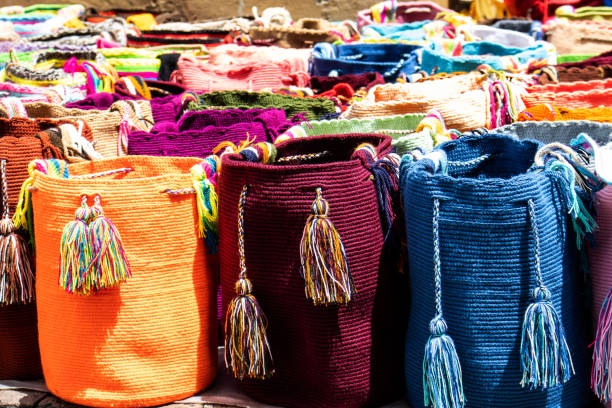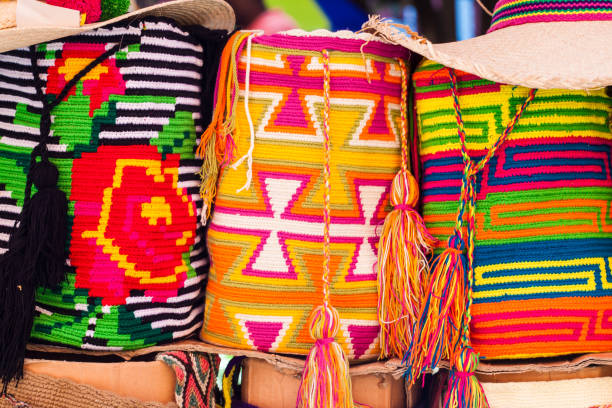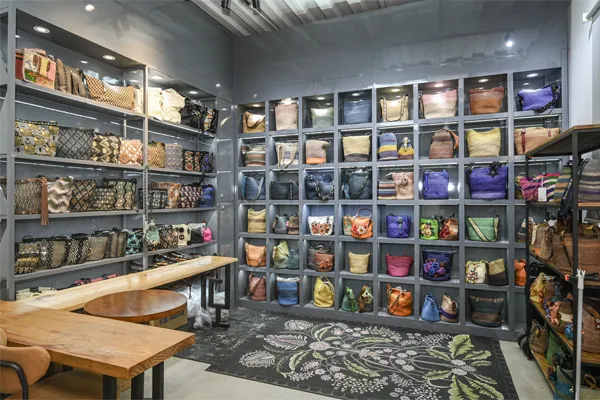
Sourcing handmade bags for your store or brand often feels different from working with standard factory products. Everything depends on human skill, so details like style choice, supplier quality, and production methods can quickly influence your final results. Small differences in craftsmanship or materials can also change how your products perform in the market. This guide breaks down the key steps so you can make clearer sourcing decisions and reduce avoidable risks.
Choosing Handmade Bag Styles for Your Market
Selecting styles for your collection sets the direction of your entire product line. Handmade bags vary widely in design, material, and cultural influence, so the choices you make here directly affect how your customers respond.
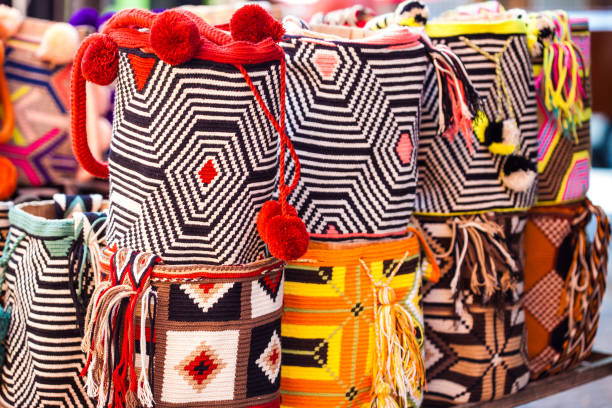
Main handmade bag categories in the market
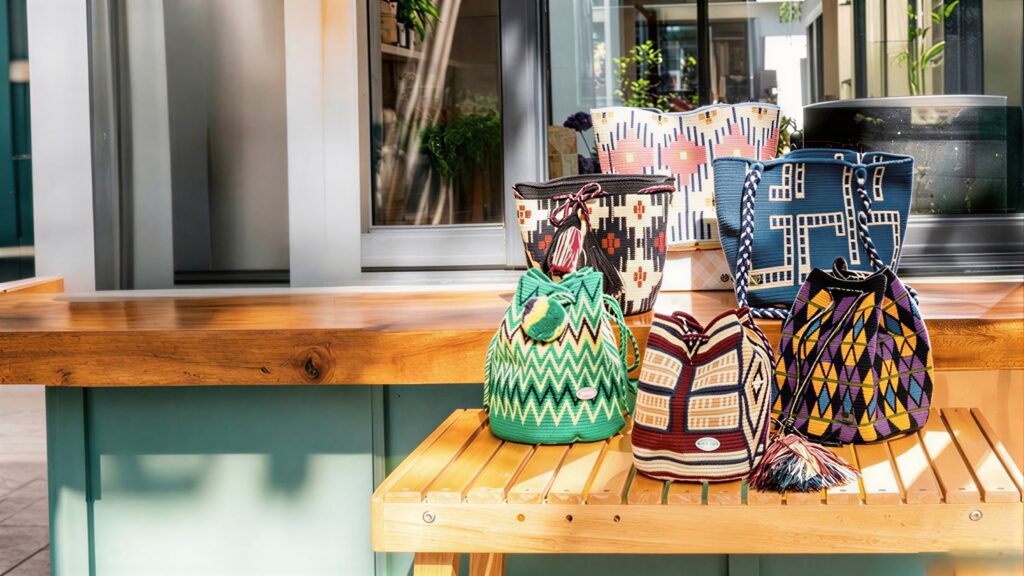
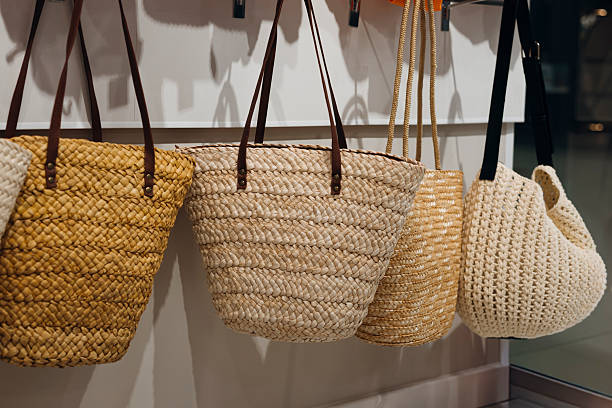
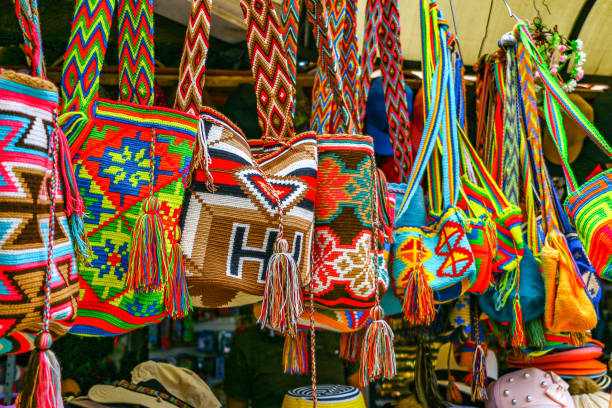
Handmade bags can be woven, crocheted, embroidered, or made from natural leather using artisan techniques. Some handmade bag styles carry strong cultural identity, such as Wayuu-inspired designs, while others focus on minimal or modern aesthetics. Each type follows a different production method and appeals to a different buyer mindset.
Matching designs with your customer base
Your customers’ lifestyle usually tells you more than trends. Beach and resort markets often respond to bright woven textures, while urban boutiques tend to prefer neutral tones and cleaner shapes. When your selection reflects how your customers actually dress and travel, products feel more relevant and sell more naturally.
Combining trendy and timeless pieces
Some designs sell quickly because they follow seasonal trends, while others remain stable year after year. A balanced collection usually includes both. Trend-driven pieces help you stay visible in competitive retail spaces, while timeless artisan bags build long-term recognition for your brand.
Finding Reliable Handmade Bag Suppliers
Supplier selection affects far more than pricing. It influences product consistency, communication speed, and how stable your supply chain will be over time.
Artisan workshops and factory differences
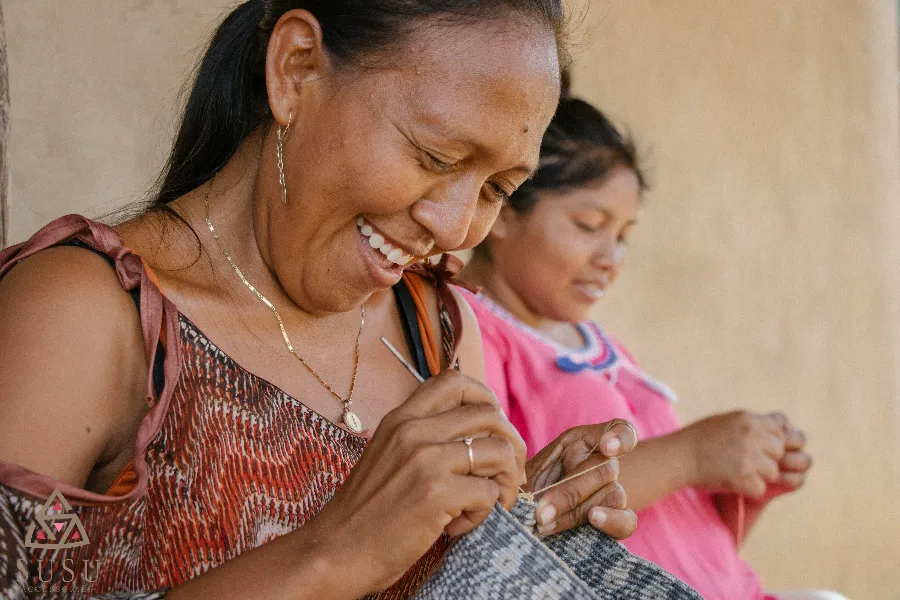
Artisan workshops usually work in small teams where each piece receives direct attention. Factories tend to rely on structured processes and partial mechanization to increase output. If your focus is uniqueness and craftsmanship, workshops often provide stronger results. If you prioritize a large and steady supply, factory systems may fit better.
Evaluating real craftsmanship and production ability
Product images rarely show the full story. Stitch density, weaving tension, edge finishing, and material handling reveal far more about actual quality. A dependable supplier can explain how each bag is made and provide samples that match real production standards rather than marketing visuals.
Common wholesale sourcing channels
You will usually find suppliers through artisan cooperatives, trade fairs, B2B platforms, or direct factory contact. Each channel works differently in terms of transparency, pricing structure, and communication. Direct relationships with artisan groups often make quality control and long-term collaboration easier.
Source Premium Wayuu Bags with Pactus
We also offer flexible wholesale solutions that help you reduce sourcing risk while improving your retail margins and product differentiation.
Handmade Bag Pricing and MOQ Explained
Pricing and MOQ decisions usually define whether a sourcing project is realistic for your business or not. Handmade production follows a different cost logic compared to machine-made goods.
Why handmade bags cost more
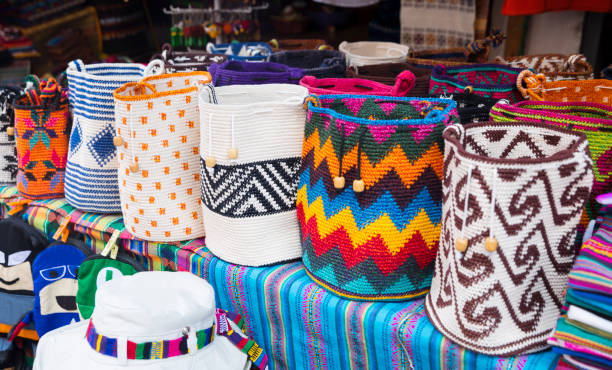
Each handmade bag goes through a slow production process involving manual weaving, stitching, and finishing. Skilled artisans may spend days completing a single piece. Natural materials and ethical sourcing also add to production costs. The price reflects labor time, craftsmanship level, and product individuality.
Typical MOQ for handmade production
MOQ depends heavily on design complexity and supplier scale. Smaller workshops may accept around 50–100 pieces per style, while larger operations often require 200–500 pieces. When personalização is involved, production setup time usually increases the minimum requirement.
What drives wholesale pricing differences
Material selection, design complexity, production time, and order volume all influence pricing. Even small changes in color customization or pattern detail can affect cost. Understanding these variables helps you evaluate supplier quotes more realistically.
How to Evaluate Handmade Bag Quality
Quality in handmade products is not about perfection. It is about consistency, durability, and whether the craftsmanship matches the positioning of your brand.
Material authenticity and sourcing background
Natural fibers like cotton, raffia, or wool usually indicate stronger handmade authenticity. What matters most is whether the material feels durable and aligned with how the product will be used. Better materials improve both lifespan and customer perception.
Stitching, weaving, and finishing details
Structural strength matters more than visual perfection. Even if slight irregularities exist, stitching should remain tight and secure. Weaving should feel balanced rather than loose. Finishing edges often reveals how carefully a product has been completed.
Maintaining consistency in handmade production
Handmade items naturally vary, but variation should stay within a controlled range. Reliable suppliers maintain consistency in size, structure, and overall quality across batches. Reviewing multiple samples is the best way to understand acceptable production variation.
Sampling Before Bulk Orders
Sampling helps you avoid assumptions based on images or descriptions. It shows how products behave in real use conditions.
Why sampling reduces sourcing risk
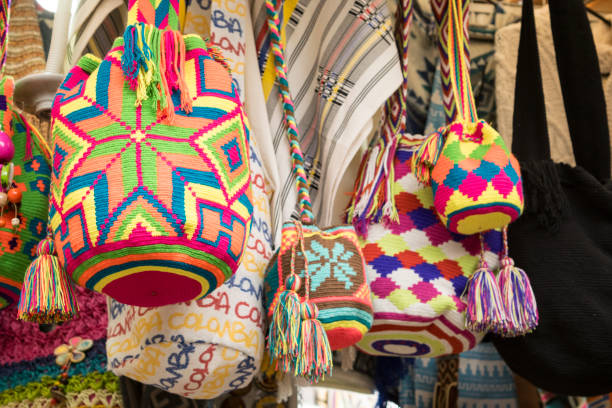
A sample gives you direct experience of material feel, weight, and durability. It also shows how the bag performs under normal handling. Without sampling, you rely entirely on visual expectations, which often leads to mismatched bulk orders.
Key points to check in product samples
Pay attention to durability, stitching strength, color stability, and usability. You should also check how the bag feels when carried. These details matter because they directly affect how your customers will perceive the product.
Comparing multiple suppliers before placing orders
Looking at only one supplier limits your perspective. Comparing samples from different sources helps you understand pricing differences and craftsmanship levels. This comparison often reveals which supplier fits your quality expectations more accurately.
Shipping Handmade Bags Internationally
International shipping plays a bigger role in handmade sourcing than many buyers expect, especially due to longer production timelines and product sensitivity.
Packaging needs for handmade products
Handmade bags need protection against deformation during transit. Proper folding methods, dust protection, and moisture-resistant packaging help preserve product shape and texture during long-distance shipping.
Production and delivery lead times
Production timelines vary depending on design complexity and order size. Handmade goods usually require several weeks before shipping is possible. Planning helps you avoid delays during peak retail seasons.
Customs duties and import considerations
Import rules vary by country, especially for textile-based handmade products. Duties, documentation, and classification can affect delivery time and cost. Experienced suppliers usually help reduce uncertainty during this stage.
Final Thoughts
Fornecimento handmade bags wholesale is rarely a straightforward task. Each stage, from selecting styles and reviewing suppliers to checking quality and planning logistics, can influence both product performance and customer response in your market. Paying attention to these details helps you reduce sourcing risks and build a collection that feels consistent and reliable.
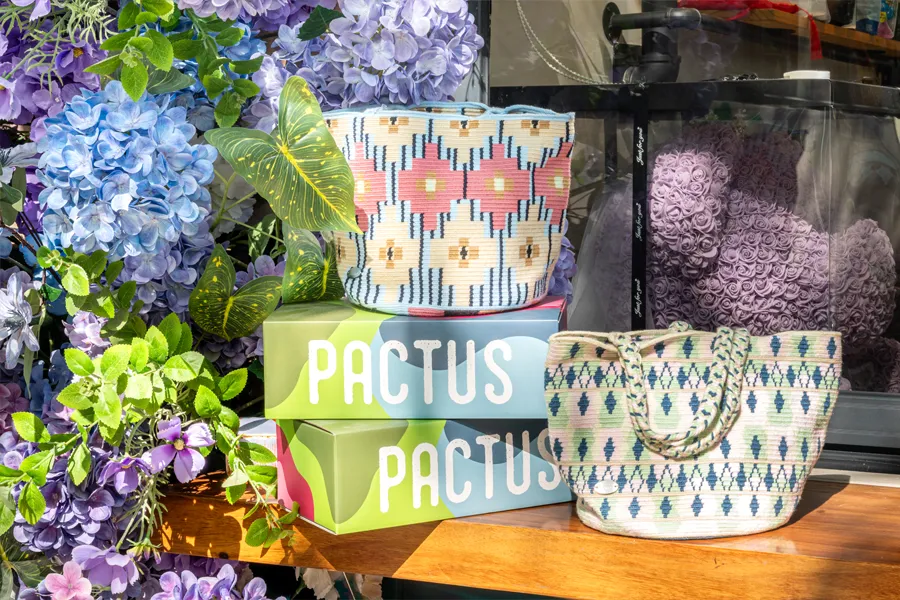
At Acordo, we work with experienced Wayuu artisans who carry forward weaving methods rooted in their regional heritage, bringing natural texture, color depth, and handcrafted character into every piece. Our Wayuu bag collections are developed to help brands and retailers offer products that stand out through authenticity and strong visual identity. Explorar our wholesale collection and contact us today to discuss your sourcing needs.