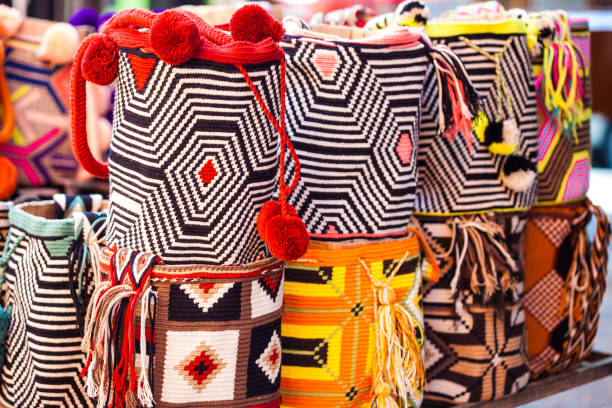
Wholesale buyers sourcing handmade bags face a structural choice before they ever look at a price list. Should they work with a factory that centralizes production under one roof, or with an artisan cooperative that distributes work across many independent weavers? The two models behave very differently across capacity, quality, Quantidade mínima, and lead time.
The comparison below lines up both models side by side, then introduces the hybrid approach most professional exporters actually use. By the end you will know which structure fits your business goals, and how to spot a supplier who combines the strengths of both.
Key Takeaways
- Cooperatives offer authenticity and flexible MOQ; factories offer scale and consistency.
- Neither model is universally better. The right choice depends on your product positioning.
- Hybrid sourcing combines direct artisan work with centralized QC and export.
- Verify ethical sourcing with documentation, not just marketing claims.
- Capacity claims need proof: ask how many weavers, not how many bags per month.
What Is an Artisan Cooperative?
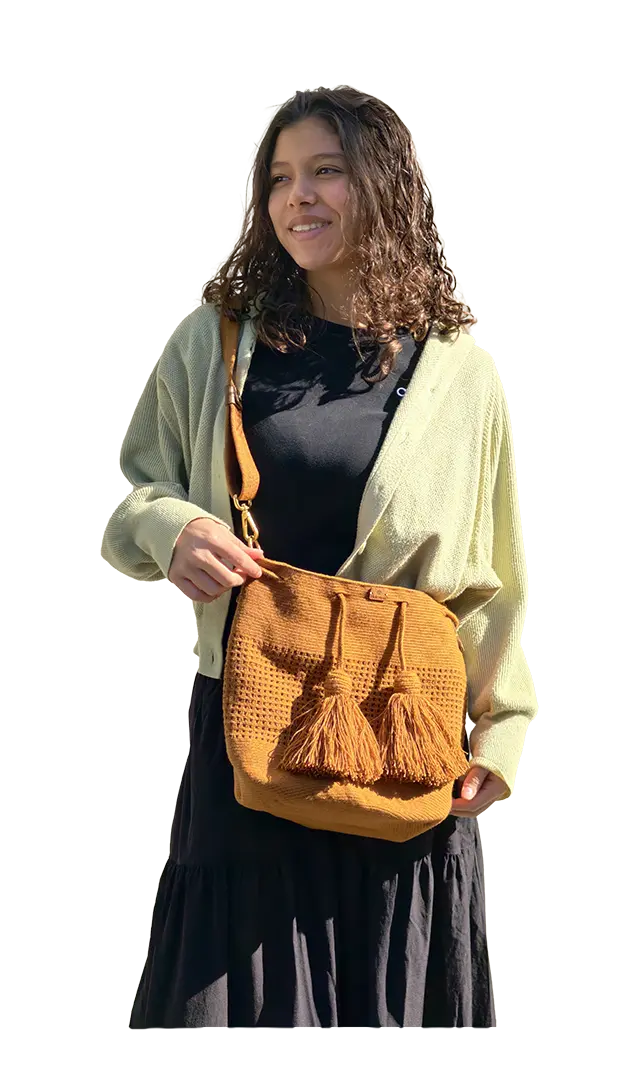
A cooperative brings independent artisans together to share resources, coordinate production, and access wider markets.
An artisan cooperative is a group of independent weavers who pool resources, coordinate production, and share access to export markets. Each artisan typically works from home, owns their tools, and gets paid per finished piece. The cooperative handles design, quality standards, materials sourcing, and sales on behalf of the group.
Cooperative Structure and Governance
Cooperatives are member-owned. Decisions on pricing, quality standards, and order acceptance usually go through a council or elected board. For the Wayuu community em La Guajira, this structure preserves cultural decision-making while opening access to international buyers. Learn more about the craft tradition in our guide to what Wayuu bags are.
How Cooperatives Source and Distribute Work
When an order lands, the cooperative distributes pieces across members based on skill, capacity, and design match. Each weaver produces bags at home, then returns finished pieces to a central collection point for inspection and consolidation. This distributed model scales by adding weavers, not by extending shifts.
Cultural and Ethical Sourcing Value
Cooperatives carry cultural authenticity that factories cannot replicate. Buyers increasingly pay for that story, and ethical sourcing certifications usually require cooperative-level traceability. The trade-off is that cooperative capacity fluctuates with community calendars, festivals, and household duties.
What Is a Handmade Bag Factory?
A factory centralizes artisans under one roof with managed shifts and standard QC.
A handmade bag factory employs or contracts artisans to work in a single facility under centralized management. Production is scheduled, supervised, and inspected in-house. The output is still handmade, but the coordination model mirrors light manufacturing rather than a distributed craft network.
Centralized Production Model
Factories run set shifts, often 8 hours a day, 5 para 6 days a week. Artisans work at assigned stations with materials delivered to them. Supervisors monitor output and quality in real time. This structure produces predictable throughput and easier scheduling for large orders.
Standardized Quality Systems
Factories typically implement written QC protocols, measurement tolerance specs, and inspection checkpoints at each production stage. Defect rates are tracked, and rework happens on-site before shipment. This level of standardization is what large retailers and private label programs usually require.
Scale and Export Readiness
Factories handle export documentation, packaging specs, and freight coordination in-house. They can commit to volumes that cooperatives struggle to absorb, and they usually hold larger ready-stock inventories. The trade-off is less flexibility on small custom orders and weaker cultural storytelling.
Key Differences Between the Two Models

The models differ on ownership, capacity behavior, and cultural depth.
The table below lines up the structural differences buyers care about most. Each row reflects how the model behaves under real wholesale conditions, not just how it is described in marketing material.
| Dimension | Artisan cooperative | Handmade bag factory |
|---|---|---|
| Ownership | Member-owned, distributed | Company-owned, centralized |
| Capacity scaling | Add weavers, slower ramp | Add shifts, faster ramp |
| MOQ flexibility | High, mixed styles welcomed | Lower, prefers single-style runs |
| Cultural story | Strong, traceable to community | Weaker, brand-led narrative |
| Export infrastructure | Often via partner exporter | In-house, ready for retail chains |
Ownership and Labor Structure
Cooperative artisans are members, not employees. They set their own hours and are paid per piece. Factory workers are typically contracted or employed with set shifts and hourly or piece rates. The difference shows up in how each model handles rush orders and seasonal peaks.
Capacity at Peak Order Volume
Cooperatives scale horizontally by activating more members. That takes coordination time but avoids burnout. Factories scale vertically by extending shifts or adding lines, which is faster but caps out at the facility limit. Browse our Wayuu mochila bags wholesale line to see how a hybrid supplier presents both capacities side by side.
Production Capacity Comparison
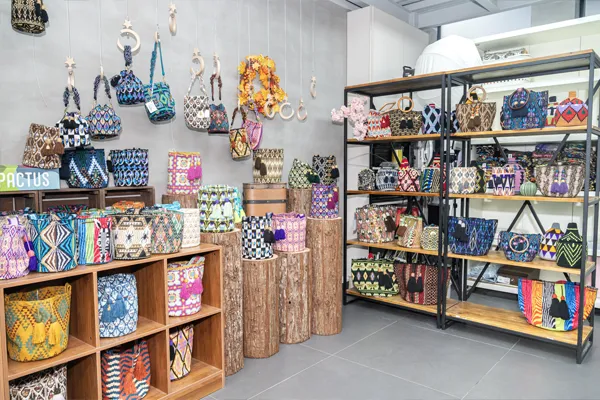
Verify capacity by asking how many artisans are involved, not just how many bags they produce each month.
Every supplier claims capacity. Very few can back it up with structure. The right questions expose whether a supplier can actually deliver 500 pieces in 45 days or is just quoting an optimistic number.
Cooperative Network Depth and Reach
A serious cooperative exporter coordinates hundreds to thousands of artisan families across multiple villages. The largest Wayuu artisan networks coordinate several thousand families across La Guajira. Network depth is what lets a cooperative absorb a 1,000-piece order without slipping dates.
Factory Throughput and Shift Economics
A mid-size handmade bag factory with 50 para 100 artisans on two shifts can output 1,500 para 3,000 pieces per month for standard designs. That number drops sharply for complex single-thread work. Ask suppliers to break their capacity claim down by thread type and pattern complexity, not just a monthly total.
Verifying Capacity Claims Before Committing
Ask three questions: How many active weavers do you coordinate right now? What was your largest single order last quarter, and what was the delivery outcome? What happens to my order if a key artisan drops out mid-run? Read our guide on wholesale handmade bag mistakes for how capacity claims usually fall apart.
Quality Consistency and Standardization
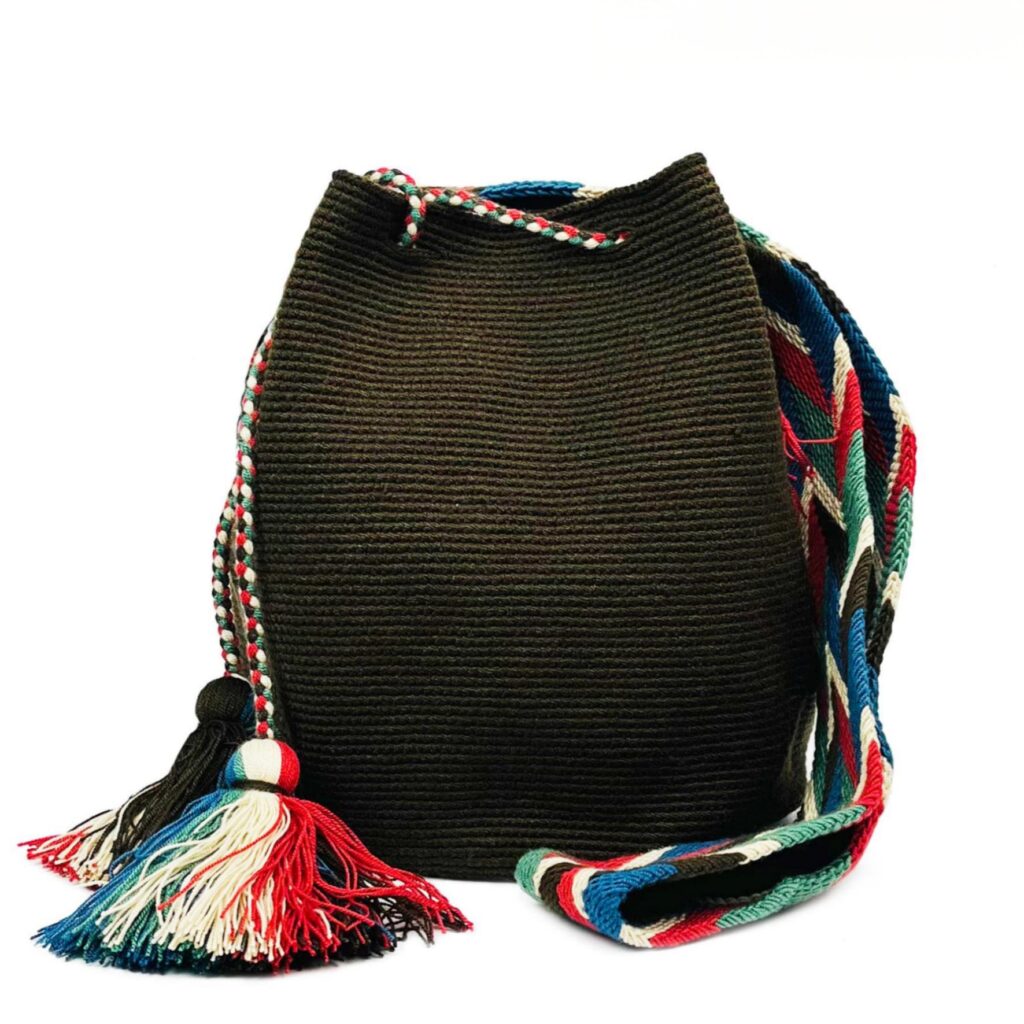
Factories standardize production. Cooperatives preserve craftsmanship. Both can deliver quality handmade bags.
Quality consistency looks different in each model. Factories enforce written specs and inspect at fixed checkpoints. Cooperatives rely on trained leads who review pieces at collection. Neither approach is automatically better, but they produce different kinds of variation.
Factory QC Systems and Written Specs
Factories typically run a documented QC protocol covering yarn weight, stitch density, dimensional tolerance, strap load testing, and color fastness. Every batch gets an inspection report. This is what large retail chains require, and it is why factories win most private label contracts.
Cooperative Quality Harmonization
Cooperatives train members on shared standards and review pieces at collection points. Variation between weavers is expected and often embraced as part of the handmade character. For premium boutique positioning, this variation is a feature. For mass retail, it becomes a compliance problem.
Acceptable Variation Versus Real Defects
Both models need a written definition of what counts as a defect. Natural variation includes slight color shifts between yarn lots and small motif placement differences. Real defects include loose tension, dropped stitches, weak strap anchors, and misaligned bases. Agree on the line before the first order ships.
Customization and Private Label Capabilities
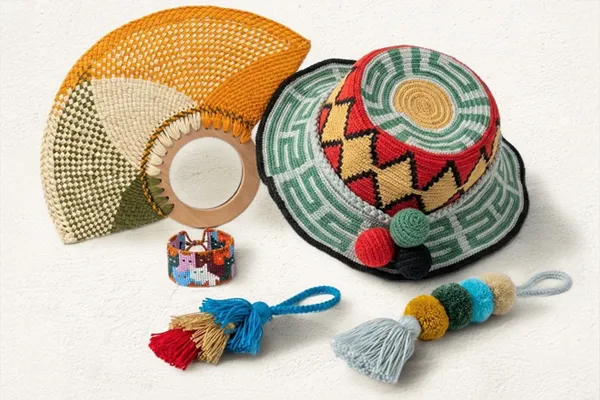
Factories suit structured OEM production. Cooperatives suit handcrafted, made-to-order work.
Customization capability splits cleanly by type. Structured private label programs with logos, tags, and packaging favor factories. Bespoke design work with unique colorways, motifs, or material integration favors cooperatives or hybrid suppliers with artisan networks.
Factory Private Label Programs
Factories handle logo tags, custom packaging, hangtags, and retail-ready presentation as standard services. MOQ for private label typically starts at 100 para 300 pieces per design. Lead times run 8 para 12 weeks including sampling. This is the model most established brands use for their core lines.
Cooperative Bespoke Design Work
Cooperatives excel at one-off designs, exclusive motifs, and small-batch custom colorways. A single artisan can produce a bespoke piece in 30 para 60 days. For brands building a distinctive story, this access to individual weavers is impossible to replicate in a factory setting. See our remake and bespoke customization service for what full bespoke work covers.
Matching Customization Type to Model
Ask what kind of customization you actually need. Logo and packaging on a standard design points to a factory. Exclusive motifs or material experiments point to a cooperative. Brands running both kinds of programs often split orders across two suppliers or work with a hybrid partner who can do both.
Looking for a supplier who runs both models?
Pactus Group coordinates 5,000+ Wayuu artisan families for authentic cooperative sourcing, plus centralized QC, inventory, and export management in Guangzhou for factory-grade reliability.
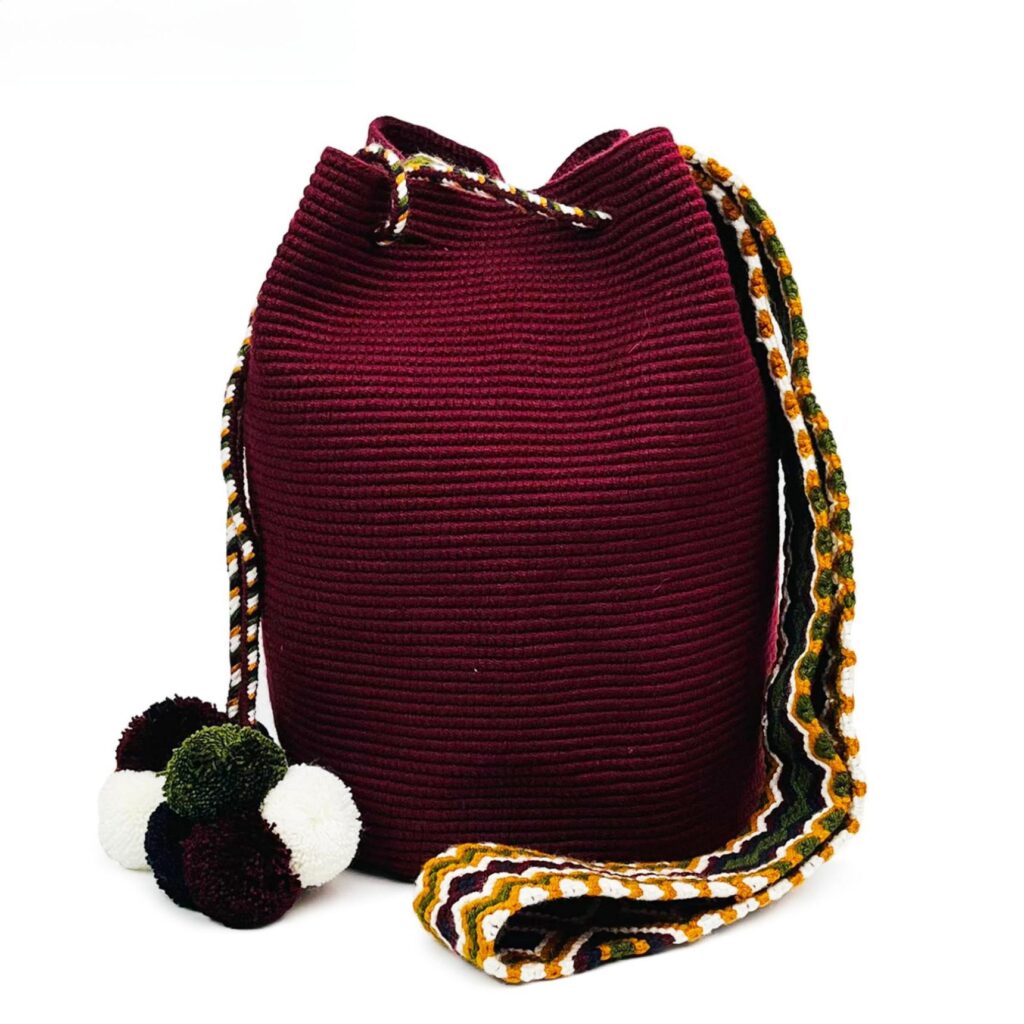
Pricing, MOQ and Lead Time Differences
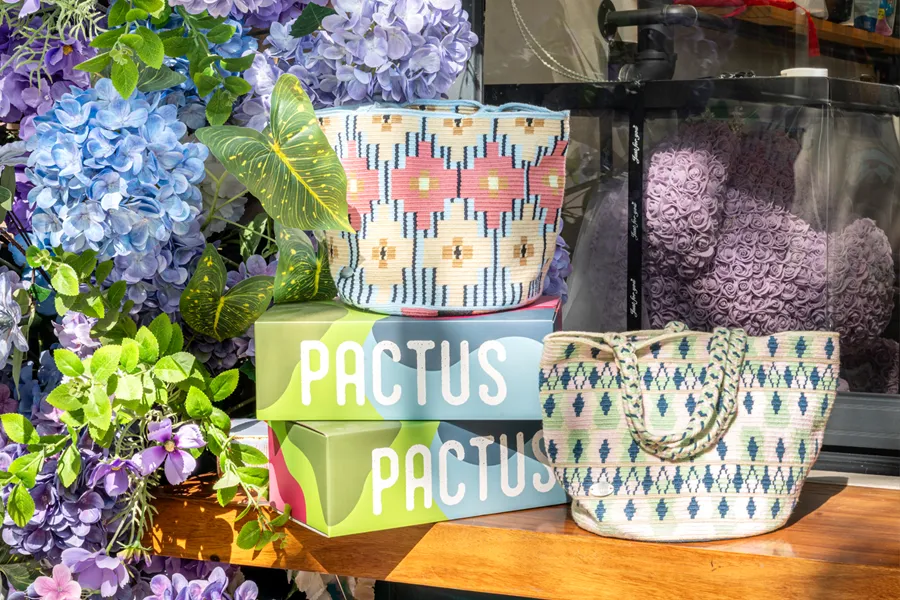
Cooperatives offer lower MOQ. Factories offer better unit economics at scale.
The commercial terms differ as much as the production structure. Cooperatives optimize for flexibility and small-batch access. Factories optimize for unit cost at volume. Neither is cheaper across the board.
MOQ Flexibility by Model
Cooperatives commonly accept mixed-style orders from 30 pieces total, sometimes lower for ready stock. Factories usually set MOQ at 100 para 300 pieces per design because of setup costs. For a first-time boutique buyer, the cooperative structure is almost always the easier entry point. Acordo itself sits on the flexible end of that range, supporting mixed-style and lower-MOQ orders so boutiques can test the market before scaling.
Unit Price Behavior at Volume
Factory unit prices drop sharply above 300 pieces because fixed costs spread further. Cooperative prices stay flatter across volume because the artisan piece rate does not change much. Read our breakdown of how to price handmade bags to see how the two cost structures compare at retail.
Lead Time Predictability
Factories quote tighter lead time windows because they control shifts and stations. Cooperatives quote wider windows because they coordinate independent schedules. For seasonal retail with hard deadlines, factory predictability wins. For evergreen assortment with rolling replenishment, cooperative flexibility wins.
Which Model Fits Boutique Buyers?
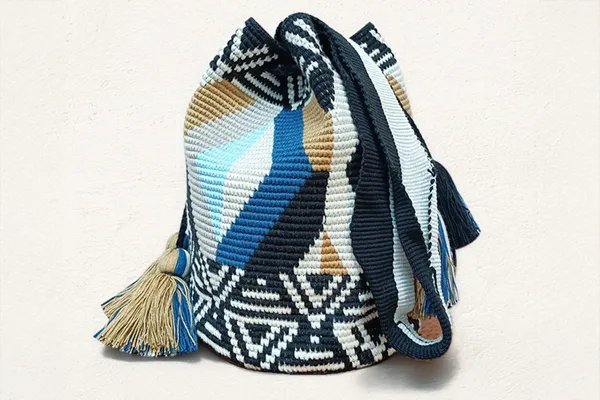
Match the sourcing model to your positioning, not to the cheapest quote.
Boutique buyers usually fall into one of three profiles. Each profile has a natural fit, and forcing the wrong model creates problems that show up two seasons later.
Story-Driven Boutiques and Concept Stores
If your customers buy the artisan story as much as the product, cooperatives are the natural fit. Traceable sourcing, named weaver communities, and cultural authenticity command premium pricing that factory product cannot support. Pair the story with a hybrid supplier who can also handle export logistics reliably.
Volume Retailers and Chain Buyers
If you need 500 identical pieces by a fixed date, factories win on predictability. Written QC specs, standardized packaging, and shift-based throughput are what large retail compliance teams expect. The trade-off is a weaker origin story and less flexibility on small custom runs.
Growing Brands Scaling From Small to Mid Volume
Brands in the 100 para 500 piece range often outgrow pure cooperatives but do not yet need full factory structure. This is where hybrid suppliers earn their keep. Read our comparison of ready stock vs custom handmade bags to see how hybrid sourcing handles both ends of that range.
Hybrid Supply Chain Combining Cooperatives and Professional QC
Direct artisan sourcing plus centralized QC and export beats either model alone.
The most effective sourcing model for handmade bags is usually neither pure cooperative nor pure factory. It is a hybrid: direct relationships with artisan networks for authentic production, combined with centralized quality control, inventory management, and export infrastructure.
How the Hybrid Model Works
The hybrid supplier maintains long-term relationships with hundreds or thousands of artisan families. Finished pieces flow to a central facility for inspection, grading, packaging, and export documentation. Inventory is held centrally so ready stock can ship within days. Custom orders enter the artisan network with professional coordination.
Benefits for Wholesale Buyers
Buyers get authentic cooperative-origin product with factory-grade reliability. MOQ stays boutique-friendly because the supplier can mix ready stock with scheduled production. Quality is consistent because every piece passes a central inspection. Export is smooth because documentation and freight are handled by a professional team, not by the artisans themselves.
Spotting a Real Hybrid Supplier
Ask how many artisan families they work with directly, where their QC facility is located, whether they hold central inventory, and who handles export documentation. A real hybrid answers all four clearly. A reseller using the label cannot. Read our guide on how to source Wayuu bags wholesale for the full vetting framework.
Frequently asked questions
What is an artisan cooperative?
An artisan cooperative is a member-owned group of independent weavers who pool resources, coordinate production, and share access to export markets. Each artisan works from home and is paid per finished piece while the cooperative handles design, quality standards, and sales.
Is an artisan cooperative better than a factory?
Both models have their own strengths, and the right choice depends on your needs. Cooperatives offer authenticity, flexible MOQ, and cultural storytelling. Factories offer scale, standardized QC, and predictable lead times. Match the model to your positioning and order profile.
Can cooperatives handle wholesale orders?
Sim, established cooperatives coordinating hundreds or thousands of artisan families regularly fulfill wholesale orders of 500 para 1,000 pieces. Capacity scales by activating more members rather than extending shifts, which requires strong coordination and central QC support.
Are handmade bags really handmade in factories?
Sim. A handmade bag factory employs or contracts artisans to work in a centralized facility with managed shifts and standard QC. The bags are still woven or crafted by hand. The factory structure changes coordination and inspection, not the fundamental hand production method.
Which sourcing model is best for boutique stores?
Most boutiques do best with a hybrid supplier who combines direct artisan cooperative sourcing with centralized QC, inventory, and export. This delivers boutique-friendly MOQ and authentic product without giving up the reliability a growing retail business needs.
Choosing by structure, not by label
Factory and cooperative are structural descriptions, not quality judgments. Both models produce excellent handmade bags when run well, and both fail when the supplier cannot back up their claims. The label matters less than the answers to specific questions about capacity, QC, Quantidade mínima, and export.
For most boutique and mid-size brand buyers, the hybrid model delivers the best of both. Authentic cooperative-origin product, professional QC and export, flexible MOQ, and centralized inventory for fast replenishment. Whichever model you choose, verify the structure before the first deposit moves.