Sourcing authentic Wayuu bags allows fashion buyers to bypass the low-margin trap of mass-produced accessories while defending against severe greenwashing allegations. Relying on anonymous supply chains and unverified indigenous patterns creates massive brand risk when modern consumers demand transparent eco-credentials.
This analysis benchmarks authentic artisan collections against the Industry Standard. We evaluate single-thread construction metrics and verified zero-machinery carbon footprints to help you secure a defensible, high-margin product catalog.
The Unique Visual Appeal of Wayuu Bags
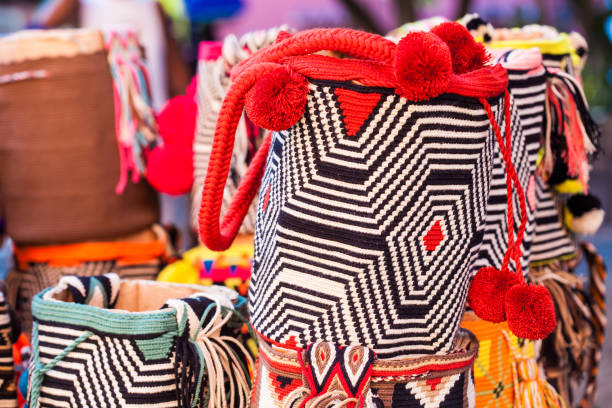
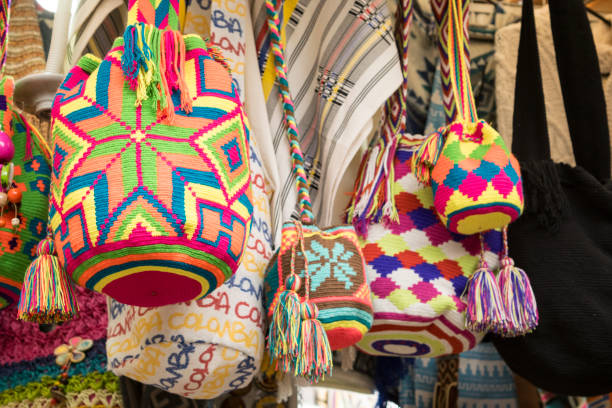
The visual appeal of Wayuu bags relies on dense symbolic patterns, bold colors, and handwoven textures, transforming each piece into a wearable narrative artwork.
Core Structural Identity and Handcrafted Details
O foundation of a Wayuu bag lies in its distinct physical shape. Artisans weave a cylindrical, soft-sided body with a flat base, creating a seamless 360-degree canvas for complex patterns.
- Texture: A visibly handwoven finish that stands out sharply against smooth, mass-produced accessories.
- Correias: Wide, densely braided shoulder straps that distribute weight while adding structural layering.
- Accents: Elaborate tassels and drawstring closures that introduce movement and three-dimensional depth to the final piece.
Symbolic ‘Kanaas’ Patterns and Cultural Narratives
Wayuu weavers do not use random geometric shapes. They employ a structured design language known as Kanaas. This system turns the surface of the bag into a readable text rooted in Wayuu cosmology.
- Celestial Bodies: Sun and moon motifs create balanced focal points across the weave.
- Fauna: Stylized representations of local animals like jaguars and birds break up strict geometry.
- Environment: Waves and earth lines visually anchor the design to the local landscape.
These specific arrangements act as an artisan’s visual signature. Buyers carry a wearable narrative artwork rather than a standard printed tote.
High-Contrast Color Palettes and Chromatic Symbolism
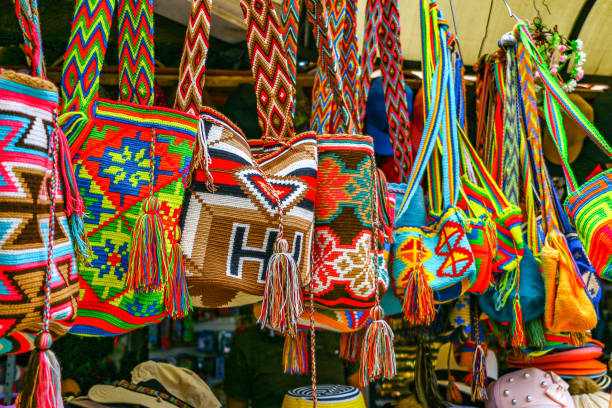
High-contrast, highly saturated colors give these bags immediate visual impact. A Bolsa de vinho draws attention from across a room or a retail floor. The artisans strategically place contrasting tones along the strap, body, and tassels to establish rhythm and highlight the crisp edges of their stitch work.
These color choices go beyond basic aesthetics. Specific tones carry direct cultural meaning. Blue often represents the sea, while brown grounds the design in the desert earth. This chromatic symbolism adds depth to the vibrant tropical brights and muted earth tones used in production.
Individual Artistry and Non-Repeatability
Mass production relies on exact replication. Wayuu weaving thrives on individual artistry. Every bag is a one-of-a-kind piece, and exact repetition is rare even among weavers in the same family.
This non-repeatability acts as a built-in scarcity mechanism for retail buyers. It allows consumers to secure exclusive, non-mass-produced accessories featuring distinct artisan signatures. For wholesale buyers, this offers complete flexibility. You can curate specific color stories—ranging from muted neutrals to tropical brights—while guaranteeing that no two items in your inventory are identical.
Visual Differentiation in the Accessories Market
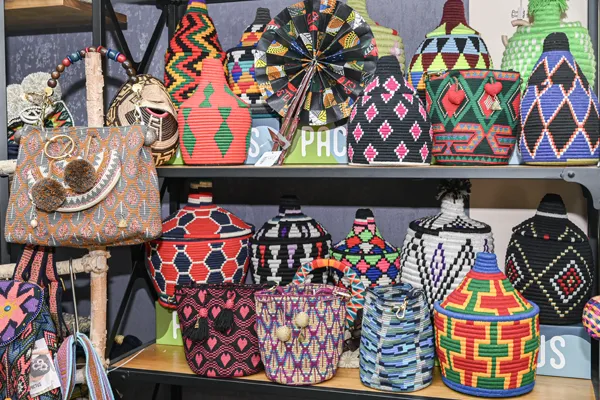
In a market saturated with minimalist leather goods and blank canvas totes, Wayuu bags stand out through sheer pattern density. They deliver a recognizable indigenous aesthetic, instantly separating them from generic, factory-printed tribal patterns.
The combination of vivid colors and complex geometry makes these bags highly photogenic. They function as timeless statement pieces. Retailers frequently use them as visual anchors in travel and lifestyle merchandising to stop scrolling customers and drive engagement.
Adding Handmade Craftsmanship to Your Product Collection
Handwoven artisan pieces act as powerful market differentiators. By structuring cohesive collections and verifying production capacity, brands can build high-margin ranges that resonate with conscious consumers.
The Strategic Value of Artisan Positioning
Handmade craftsmanship serves as a direct unique selling proposition. It immediately signals authenticity and separates your brand from mass-produced competitors. Buyers actively look for items that tell a verifiable story, and artisan pieces naturally step into the role of hero products. They anchor a broader collection while establishing your brand inside ethical, culturally rich market segments.
Original Wayuu weaving techniques feature complex, symbolic motifs known as Kanaas. These designs are nearly impossible to replicate by machine. This inherent difficulty and the weeks required to complete a single bag drive higher perceived exclusivity, allowing you to position the products at a premium tier.
Structuring a Cohesive Product Range
A successful artisan collection requires a tight, recognizable theme. You cannot just throw random patterned bags into a catalog. Base the range on specific destination aesthetics or clear usage occasions, like resort wear or city commuting, to give the collection a logical framework.
- Complementary styles: Select three to five bag types, such as pairing a weekender tote with a matching mini crossbody, to encourage logical bundling and upsells.
- Color palettes: Limit the core collection to a defined set of hues to maintain visual consistency across the board.
- Material focus: Stick to a few primary materials, like specific acrylic yarns or natural cotton, to simplify inventory management.
Elevating Perceived Value Through Branding
How you present the product dictates what customers are willing to pay. Packaging must align perfectly with the artisan aesthetic. Forget cheap plastic mailers; use sustainable materials like recycled kraft paper, cotton dust bags, or reusable fabric wraps to protect the item and reinforce the eco-friendly narrative.
- Transparent labeling: Detail the exact region of origin, the specific materials used, and the name of the artisan community to deepen the product story and justify premium pricing.
- Macro photography: Capture high-quality close-ups highlighting structural details, dense weave complexity, and finishing touches like braided cords and handmade tassels.
- Contextual styling: Shoot the products in environments that match the theme, showing the scale and movement of the bag on a model.
Operational Scalability and Launch Planning
Sourcing handmade items requires strict operational checks. Before expanding a collection, you must verify artisan capacity. They need the ability to reliably reproduce core sizes, specific color matches, and strap constructions at a consistent quality level without burning out or compromising the traditional technique.
The profitable product line has achieved a balance between the complex production time and the market-acceptable price. Early identification of the styles with the highest profit margins will enable them to become the long-term main products in your product catalogue.
When bringing new artisan styles to market, group them into cohesive, themed drops rather than uploading random individual SKUs. This strategy builds market anticipation and clarifies your brand’s aesthetic for both wholesale buyers and direct consumers.
Source High-Margin Luxury Remake Wayuu Bags
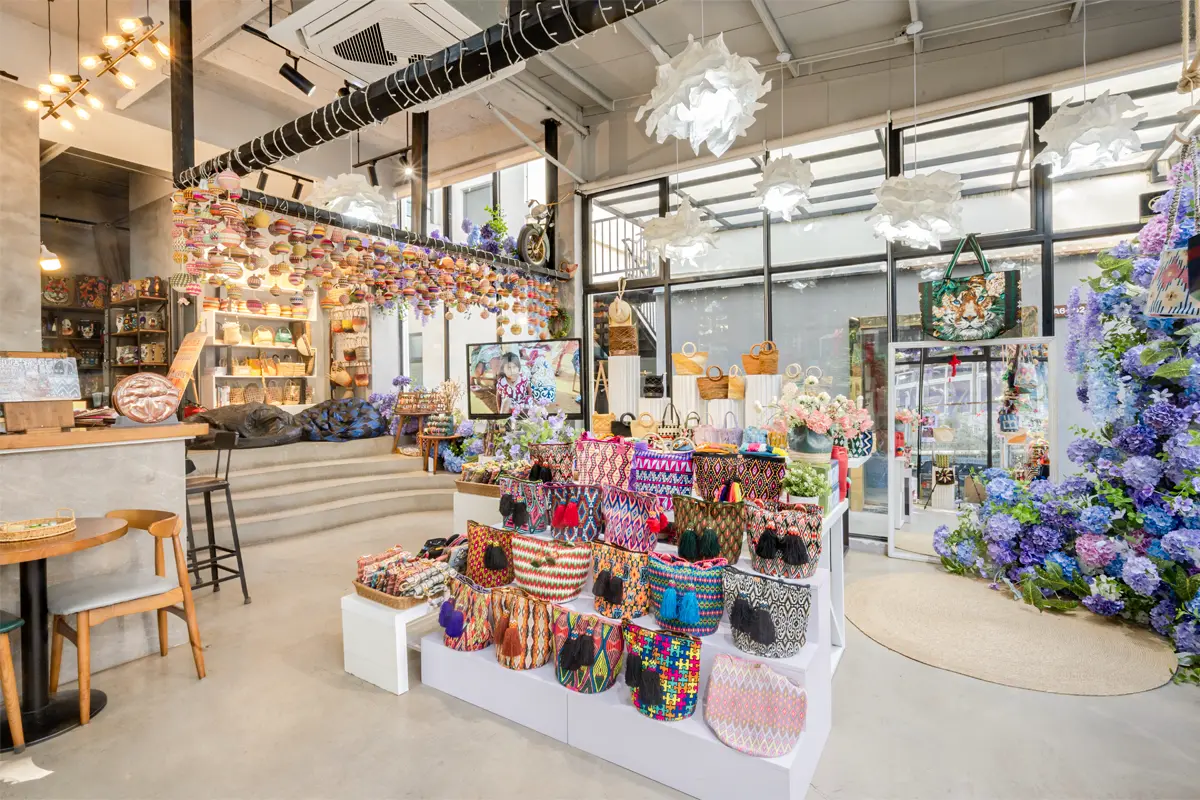
Using Wayuu Bags to Differentiate Your Fashion Brand
Authentic Wayuu bags provide a distinct market advantage by combining indigenous cultural narratives, verifiable ethical sourcing, and complex hand-crocheted designs that stand out against mass-produced accessories.
Anchoring the Brand Narrative in Cultural Heritage
The foundation of any Wayuu product line lies in the matrilineal weaving tradition of the La Guajira desert. Buyers increasingly demand authenticity, and these bags deliver it through a complex design language called kanaas. Designers must center attribution on the Wayuu people to ensure cultural respect and avoid appropriation.
- Origin mapping: Matrilineal Wayuu weaving traditions from the La Guajira desert region.
- Geometric patterns: Embedded symbols, such as the spider for wisdom or the sun for prosperity.
- Brand positioning: Presenting each bag as a wearable story representing intergenerational knowledge transfer.
Leveraging Ethical Sourcing and Social Impact
Modern fashion consumers scrutinize supply chains. Building a verifiable fair trade structure provides a strong defense against fast-fashion alternatives. This model requires upfront payments and direct material provision, removing financial risk from the weavers.
This production process delivers crucial financial independence for indigenous women. Hand-crocheted production requires zero industrial machinery, aligning perfectly with low-impact sustainability goals.
Brands must share transparent details about specific partner cooperatives or NGOs. Naming these partners directly separates your brand from competitors relying on anonymous, low-wage subcontracting.
Designing a Strategic Product Assortment
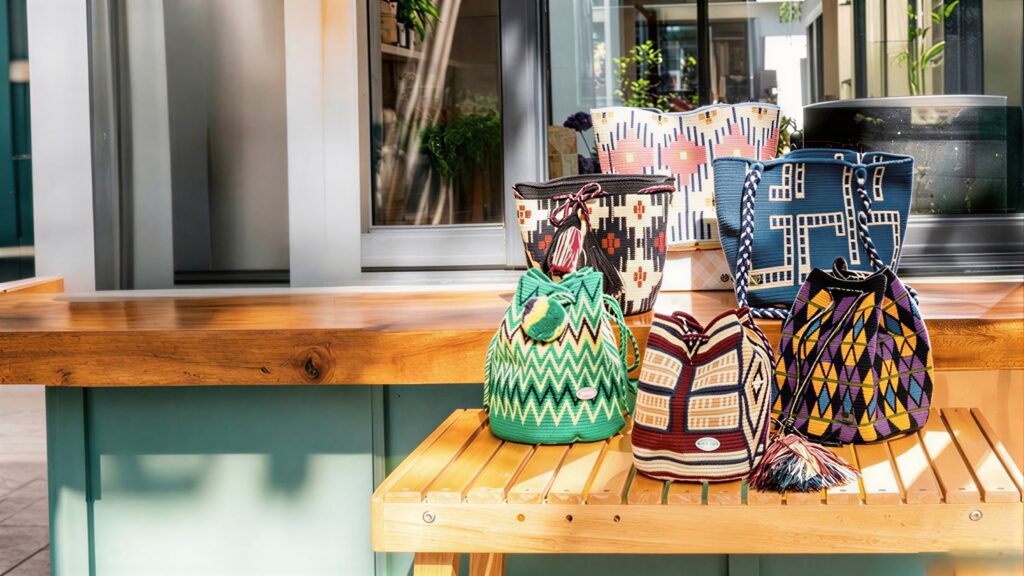
A smart merchandising strategy prevents the line from feeling like a random collection of souvenirs. Establishing a tiered product architecture lets you capture both casual buyers and serious collectors.
- Product architecture: Tiers ranging from entry-level accessories to complex, collector-edition gallery pieces.
- Micro-collections: Targeted releases built around specific traditional symbols to create deeper meaning for buyers.
- Digital presentation: 360-degree pattern details on product pages alongside a clear explanation of each design’s cultural significance.
- Functional upgrades: Internal pockets or closures incorporated only when they respect the traditional structural integrity.
Premium Craft Positioning and Visual Identity
Marketing mochilas as collectible textile art elevates them beyond seasonal trends. Positioning the bags within the slow fashion movement justifies premium pricing and attracts design-driven buyers.
Visual identity plays a massive role in this positioning. Consistent art direction should rely on color-saturated imagery that evokes the vibrant desert landscape and lifestyle.
To distinguish your offerings from low-cost, machine-made replicas, explicitly highlight the days or weeks required to hand-crochet a single piece. You must include distinct Wayuu attribution on all physical labels, packaging, and digital product pages to reinforce authenticity at every touchpoint.
Creating Stronger Product Stories With Artisan Design
Product stories shift a Wayuu bag from a commodity to a premium asset. Translating indigenous craftsmanship into relatable value drives pricing power and buyer loyalty.
| Design Feature | Story Translation | Positioning Impact |
|---|---|---|
| Single-thread crochet | 30+ days of skilled manual labor | Justifies premium pricing |
| Kanás geometry | Wearable Wayuu cosmology | Defensible cultural differentiation |
| Cooperative sourcing | Direct funding for family needs | Captures ethical consumer loyalty |
Core Elements of an Authentic Artisan Narrative
An authentic narrative starts with the physical construction. Point out the exact labor required, such as the single-thread crochet technique that takes artisans weeks to complete. This structural density directly ensures long-term durability. Próximo, map the visual design to its cultural roots. The geometric patterns, known as kanás, are not random decorations. They reflect Wayuu cosmology and daily life, turning the bag into a wearable story. Finally, tie the purchase to social and economic realities. Frame the transaction as a direct line of support that funds basic family needs, rather than abstract charity.
Structuring the Story to Make the Buyer the Hero
A strong product story makes the buyer the hero. Position the customer as an active participant who protects an endangered weaving tradition and supports the slow fashion movement. Modern buyers are actively moving away from anonymous fast fashion. You capture this audience by offering transparent, verifiable product provenance. When explaining the craft, avoid academic terms. Translate complex weaving techniques into relatable everyday language so buyers instantly grasp the effort and skill involved in the craftsmanship.
Turning Design Features into Actionable Story Assets
You need internal systems to capture design details before you can sell them. Build standardized story sheets for each SKU that document the critical components of the product.
- Pattern Meaning: The cultural significance of the kanás.
- Color Logic: The reasoning behind the hues and the material origin.
- Process Documentation: Visuals capturing the weaving timeline to make the labor tangible.
Use these sheets to develop human-centered artisan profiles. You can deploy these profiles across hangtags, product pages, and social media touchpoints to build an emotional connection with the buyer.
Driving Value and Premium Positioning
Without a story, Wayuu bags compete strictly on superficial aesthetics and price. You differentiate these visually replicable products by competing on defensible cultural meaning and verified origin. This narrative directly justifies premium price points. When you explicitly link the final product cost to the required weaving hours and direct community impact, buyers accept the value. This approach also enables strategic product segmentation.
- Core Heritage Lines: Strictly traditional motifs and ancestral techniques.
- Contemporary Collaborative Collections: Pieces co-designed with modern stylists and color experts.
- Impact-Driven Capsules: Collections tied directly to specific community funding goals.
Expanding Your Collection With Authentic Cultural Elements
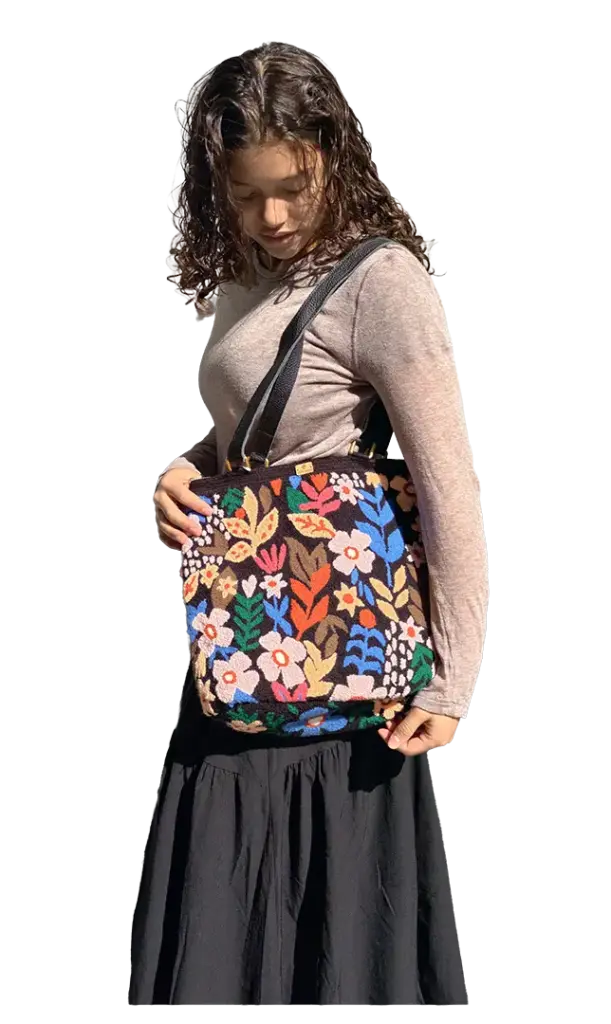
A true Wayuu bag collection operates as a curated archive of indigenous language, regional aesthetics, and artisan identity, rather than just a set of accessories.
Decoding Geometric Patterns and Symbolic Language
Geometric motifs, known as Kanaas, act as a visual language representing nature, familial ties, and cosmology. Group your bags by specific themes, such as celestial bodies, local fauna, or clan identity, to build a structured archive. Request written tags or documentation from sellers to preserve the specific cultural meaning behind each pattern.
Curating Regional Color Palettes
Vibrant contrasts reflect the diverse landscapes of La Guajira, drawing direct inspiration from desert sunsets and coastal waters. Create micro-series within the collection focused on warm desert tones, cool coastal blues, or minimalist monochrome styles. Record the artisan’s personal or community-based explanations for their selected color combinations to maintain context.
Focusing on Artisan Identity and Narratives
Treat each piece as one-of-a-kind storytelling art that captures the memories and aesthetic choices of its creator. Group acquisitions by named artisans or specific family workshops to demonstrate stylistic evolution over time. Compare pieces from different villages to highlight regional variations across the Wayuu territory.
Integrating Contemporary and Traditional Styles
Include traditional mochilas that closely mirror historical community use and classic proportions. Add contemporary adaptations featuring structured silhouettes, leather accents, or alternative sizes developed for broader markets. Verify that modern design features frame and complement the core handwoven techniques rather than replacing them.
Maintaining a Culturally Accurate Catalog
Managing your inventory like an archive ensures long-term value and authenticity. Standardize how you track and label every piece you acquire.
- Origin Data: Record the artisan name, community origin, and specific date of acquisition.
- Cultural Context: Document the exact meaning of the Kanaas and the specific materials used.
- Ethical Footprint: Track any linked community funding or fair-trade initiatives associated with the sale.
- Catalog Integration: Assign standardized collection numbers to facilitate educational displays, academic collaborations, and provenance verification.
Increasing Perceived Value Through Handmade Fashion
Handmade Wayuu bags command premium pricing when brands clearly translate time-intensive craftsmanship, exclusive patterns, and ethical origins into a cohesive, high-value lifestyle narrative.
The Role of Authenticity and Craftsmanship
Buyers associate handmade goods directly with authenticity, real skill, and the human touch. A single Wayuu bag requires days or weeks of intensive labor. This slow production cycle creates a compelling narrative built on time and effort rather than assembly lines. Brands must explicitly communicate the mechanics of this craftsmanship. Highlighting the physical work involved justifies premium pricing because it proves the product delivers functional durability alongside deep emotional benefits.
Appealing to the Need for Uniqueness
Handmade fashion draws in consumers who actively want to differentiate themselves from the crowd. Because artisans weave each Wayuu bag individually, the product naturally functions as an exclusive, one-of-a-kind accessory. The distinctive ethnic designs and geometric patterns act as direct tools for personal identity and self-expression. When your brand facilitates this level of self-expression, you build emotional connections that turn casual buyers into intensely loyal customers.
Strategic Storytelling and Visual Presentation
A bag needs a narrative to reach premium status. Sharing specific artisan profiles, explaining the cultural heritage, and translating the meaning behind traditional patterns deepens the emotional pull of the product. Visual presentation does the heavy lifting here. Macro photography that details dense single-thread stitching and high-quality hardware immediately signals exclusivity. Style these bags in urban or professional settings. This shifts the consumer perception from a casual vacation souvenir to a serious fashion staple.
Creating Scarcity Through Limited Editions
You can generate immediate demand by introducing deliberate scarcity into your product line. Numbered editions and seasonal capsule collections force buyers to act quickly. To capture consumers seeking maximum exclusivity, offer custom color palettes or allow them to personalize specific elements of the bag. Structuring your catalog into distinct tiers helps anchor this value:
- Core Lines: Accessible, reliable bestsellers featuring traditional geometric patterns.
- Premium Tiers: Intricate patterns matched with upgraded linings and custom hardware.
- Limited Collaborations: High-end, numbered runs co-designed with specific artists or influencers.
Communicating Ethical and Sustainable Value
Fast fashion created distorted price expectations across the accessories market. You counter this by putting slow, mindful production front and center. Documenting the reality of your supply chain strongly influences purchase intention. Buyers want proof, so you need to highlight specific operational realities:
- Fair-trade practices: Direct, verifiable partnerships with indigenous cooperatives.
- Transparent compensation: Clear evidence of upfront artisan financing and fair wages.
- Sustainable materials: The specific use of natural fibers or recycled acrylic yarns.
Positioning your brand around travel, conscious fashion, and cultural respect takes the focus off the transaction. It transforms the purchase into a cohesive lifestyle choice.
Final Thoughts
Purchasing a large quantity of tribal print products may have a lower initial cost, but only by integrating verifiable craftsmanship standards can the brand effectively avoid being accused of “green marketing”. The genuine Wauyu handbags possess auditable fair trade sources and exquisite craftsmanship with zero waste, precisely meeting the needs of conscious consumers. Adhering to the use of genuine handcrafting helps you establish a sustainable profit margin based on the real cultural heritage, rather than merely competing on price.
Analyzing our wholesale catalogue will assist you in building a complete product range that perfectly aligns with your current product promotion strategy. Please contact our team to obtain the origin certificates and brand marketing materials required for the upcoming retail projects.
Perguntas frequentes
Are Wayuu bags eco-friendly?
Wayuu bags are eco-friendly primarily because artisans hand-weave them using low-energy production methods. The traditional crochet process creates almost zero material waste and bypasses industrial machinery entirely. Buyers can further reduce environmental impact and support slow fashion by selecting bags made from natural cotton, plant fibers, or recycled acrylic.
What is the carbon footprint of a handmade Mochila bag?
A handmade Wayuu Mochila carries a very low cradle-to-gate carbon footprint compared to mass-produced handbags. Artisans use no powered machinery during weaving, removing a major emissions source from the equation. The most significant climate impact actually comes from international shipping. Retailers can easily minimize this footprint by sourcing from regional stockists that rely on consolidated sea freight.
What sustainable materials are used in Wayuu bags?
Contemporary production heavily relies on durable acrylic yarn, but authentic sustainable options are expanding rapidly. High-end eco-friendly collections now incorporate certified organic cotton, traditional plant fibers like fique, or recycled synthetic yarns. You can also boost sustainability by opting for high-quality, single-thread construction, which significantly extends the functional lifespan of the bag.
How can I prove to my customers that a bag is ethically sourced?
The absolute strongest proof of ethical sourcing is a clear certificate of origin detailing the artisan’s name, community, and specific production location in regions like La Guajira. You build immediate trust with conscious consumers by providing transparent documentation of fair-trade compensation, sharing the maker’s story, and outlining the manual crochet process on your product pages.
How do ethical accessories improve boutique brand loyalty?
Ethical accessories build a deep emotional connection with customers who prioritize sustainability and cultural respect. Offering verifiable, artisan-made products like Wayuu bags proves your brand integrity and distinctly separates your boutique from fast-fashion retailers. This strict alignment in values directly drives customer satisfaction, repeat purchases, and organic word-of-mouth recommendations.
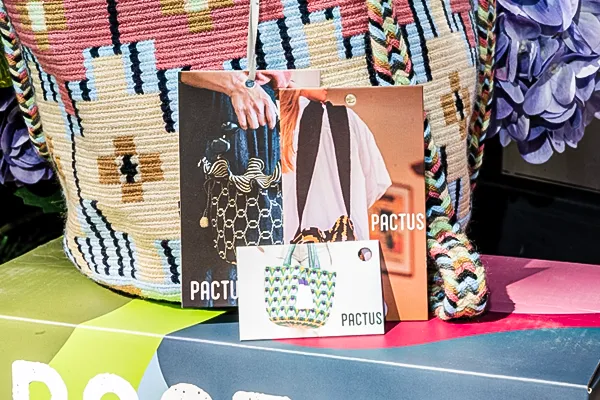
What marketing assets does Pactus provide for sustainable lines?
Pactus supplies brand-ready marketing materials designed to clearly communicate your ethical and eco-friendly positioning. These assets include product story narratives, compliant sustainability claim language, hangtag copy, and professional lifestyle imagery. This toolkit allows retailers to present the cultural and environmental value of the bags confidently, avoiding any risk of greenwashing.